How to Check Cpu Tempo: Easy Steps to Monitor Performance
Are you curious about how fast your computer’s brain—the CPU—is really running? Knowing your CPU tempo can help you understand your device’s performance and spot any hidden issues before they slow you down.
You’ll learn simple and clear steps to check your CPU tempo quickly. By the end, you’ll have the confidence to monitor your system like a pro and keep it running smoothly. Ready to unlock the secret behind your computer’s speed?
Let’s dive in.
What Is Cpu Tempo
CPU Tempo is a term you may hear when checking your computer’s performance. It refers to the speed at which your CPU runs. The CPU, or central processing unit, is the brain of your computer. It performs all the tasks and processes that keep your device working.
Understanding CPU Tempo helps you know how fast your computer can handle tasks. A higher tempo means faster performance. A lower tempo may slow down your computer.
What Does Cpu Tempo Mean?
CPU Tempo shows the current speed of your processor. It is measured in gigahertz (GHz). This number tells you how many cycles the CPU completes each second. More cycles mean the CPU processes data faster.
Why Cpu Tempo Is Important
The CPU tempo affects how well your computer runs programs. A faster tempo can improve your experience with apps and games. It also helps with multitasking. Slow CPU tempo might cause lag or delays.
How Cpu Tempo Changes
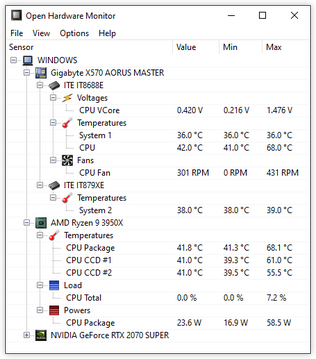
CPU tempo is not always constant. It can change depending on the task. When your computer is idle, the tempo may drop to save power. During heavy use, it speeds up to handle the load.
Credit: openhardwaremonitor.org
Why Monitor Cpu Performance
Monitoring CPU performance is important for keeping your computer running well. The CPU is the brain of your computer. It handles all tasks and programs. If it slows down, everything feels slow.
Checking CPU speed helps find problems early. It shows if the CPU is working too hard or too slow. This helps avoid crashes or freezes.
Understanding System Health
CPU performance shows the health of your computer. High CPU use means the system is busy. Low use could mean something is wrong. Watching this helps keep your system stable.
Improving Computer Speed
Knowing CPU tempo helps improve speed. You can close programs that use too much power. This frees the CPU to work faster on important tasks.
Preventing Overheating
High CPU use can cause overheating. Overheated CPUs can damage your computer. Monitoring helps you stop problems before they get worse.
Saving Battery Life
For laptops, CPU monitoring saves battery. Lower CPU use means less power needed. This helps your laptop run longer without charging.
Built-in Tools For Checking Cpu Tempo
Checking your CPU tempo helps you understand your computer’s performance. Most operating systems include built-in tools to monitor CPU speed and usage. These tools are easy to use and do not require extra software. They show real-time data about your CPU, helping you spot any issues quickly.
Task Manager On Windows
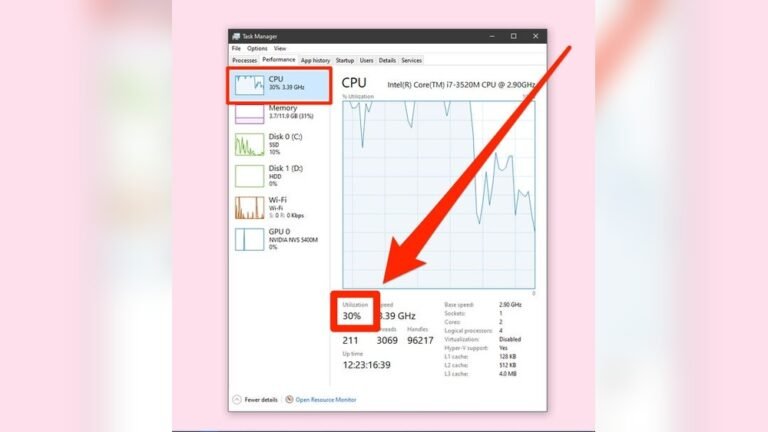
Task Manager displays CPU speed and usage on Windows PCs. Open it by pressing Ctrl + Shift + Esc. Click the “Performance” tab to see CPU details. It shows current speed, usage percentage, and core activity. This tool helps track CPU tempo during heavy tasks.
Activity Monitor On Mac
Activity Monitor is the Mac tool for checking CPU status. Find it in the Applications folder under Utilities. The CPU tab shows how much processing power is in use. It also lists the CPU load for each app. This helps you watch CPU tempo and manage resources easily.
System Monitor On Linux
System Monitor on Linux offers CPU speed and usage information. Access it from the system menu or by typing “gnome-system-monitor” in the terminal. The Resources tab displays CPU activity graphs and speed. It shows how much the CPU is working at any moment.

Credit: softwareg.com.au
Using Third-party Software
Using third-party software is a popular way to check your CPU tempo. These tools show real-time CPU speed and other important data. They work on most computers and give detailed information.
Third-party apps can be downloaded and installed easily. Most offer user-friendly interfaces that anyone can understand. They help you monitor your CPU without opening complex system menus.
Popular Cpu Monitoring Apps
Many apps track CPU speed and performance. CPU-Z is a well-known choice. It provides detailed CPU specs and current clock speed.
HWMonitor is another app that shows CPU temperature and speed. It also tracks voltages and fan speeds. Core Temp focuses only on CPU temperature and speed. It is simple and easy to use.
Benefits Of Third-party Tools
These tools give accurate and real-time CPU data. They help spot overheating or slow performance issues fast. They also show data that built-in tools often miss.
Third-party software usually offers customization options. Users can set alerts for high CPU temperature or speed drops. This helps keep the computer safe and running well.
Step-by-step Guide To Check Cpu Tempo
Checking your CPU tempo is important for keeping your computer healthy. Monitoring the CPU helps avoid overheating and slowdowns. This step-by-step guide makes it easy to check your CPU speed, usage, and temperature.
Follow these simple steps to understand your CPU’s current performance. This guide uses easy methods suitable for all skill levels. Stay informed and keep your system running smoothly.
Accessing Performance Metrics
Start by opening your computer’s task manager. Press Ctrl + Shift + Esc to open it quickly. Click on the Performance tab. Here, you see your CPU’s real-time speed and usage. You can also use third-party apps like HWMonitor or CPU-Z for detailed info.
Interpreting Cpu Usage
CPU usage shows how much of the processor’s power is in use. Low usage means the CPU is idle or lightly loaded. High usage indicates heavy tasks running on your computer. Consistently high usage may slow down your system. Watch for sudden spikes, which may signal background issues.
Tracking Temperature Levels
CPU temperature is crucial to monitor. Use software like Core Temp or SpeedFan for accurate readings. Normal temperatures are usually between 30°C and 50°C when idle. Under load, temperatures can rise to 70°C or 80°C. If temperatures go beyond 90°C, the CPU may overheat. Take action to cool your system if needed.

Credit: www.youtube.com
Tips To Improve Cpu Performance
Improving your CPU’s performance helps your computer run smoother and faster. Small changes can make a big difference. These tips focus on easy steps to keep your CPU working well and avoid slowdowns.
Managing Background Processes
Background processes use CPU power without your knowledge. Close apps and programs you do not need. Use Task Manager to see what runs in the background. Stop unnecessary tasks to free up CPU resources. This helps your computer respond quickly to your commands.
Updating Drivers And Software
Old drivers and software can slow down your CPU. Check for updates regularly. Updated drivers fix bugs and improve system stability. Software updates add new features and better performance. Keeping everything current helps your CPU run at its best.
Ensuring Proper Cooling
Heat slows down CPUs and causes damage over time. Make sure your computer’s cooling system works well. Clean dust from fans and vents often. Use a cooling pad for laptops if needed. Cooler CPUs maintain speed and last longer.
Frequently Asked Questions
What Is Cpu Tempo And Why Check It?
CPU tempo refers to the CPU clock speed or frequency. Checking it helps monitor performance and detect overheating or throttling. It ensures your processor runs efficiently and prevents hardware issues.
How Can I Check Cpu Tempo On Windows?
Open Task Manager by pressing Ctrl+Shift+Esc. Go to the Performance tab and select CPU. The current CPU tempo is shown as speed in GHz.
Are There Free Tools To Check Cpu Tempo?
Yes, tools like CPU-Z, HWMonitor, and Speccy provide detailed CPU speed and status. They are easy to use and offer real-time monitoring.
Does Cpu Tempo Affect Computer Speed?
Yes, higher CPU tempo means faster processing. It directly impacts how quickly your computer executes tasks and runs applications.
Conclusion
Checking your CPU tempo helps keep your computer running smoothly. It shows how fast your processor works and if it needs attention. Use simple tools to see your CPU speed anytime. Watching this number helps avoid slowdowns and overheating. Keep your system healthy by checking CPU tempo regularly.
Small steps can improve your computer’s life and performance. Stay aware and your device will serve you better every day.