How to Run Ollama on Gpu: Ultimate Guide for Speed Boost
Are you ready to unlock the full power of Ollama by running it on your GPU? If you want faster performance and smoother results, using your GPU is the key.
This guide will show you exactly how to set it up step-by-step, so you can get the most out of Ollama without any hassle. Keep reading, and you’ll be amazed at how much speed and efficiency you can gain by making this simple switch.
Your Ollama experience is about to get a serious boost!
Credit: chariotsolutions.com
Preparing Your System
Preparing your system is the first step to run Ollama on GPU smoothly. This process ensures your hardware and software are ready for the task. Proper preparation prevents errors and boosts performance.
Focus on three key areas: checking your GPU compatibility, updating drivers, and installing the required software. Each step is important to create the right environment for Ollama.
Checking Gpu Compatibility
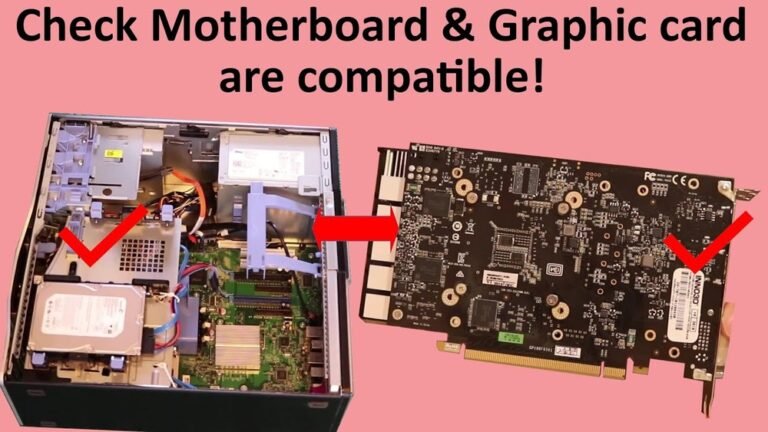
Start by confirming your GPU supports Ollama. Most modern NVIDIA and AMD GPUs work well. Look for GPUs with CUDA or OpenCL support. These technologies enable fast computation. Use your system settings or third-party tools to check your GPU model. Compare it with Ollama’s recommended list to avoid issues.
Updating Drivers
Outdated drivers can cause performance drops or crashes. Visit the official GPU manufacturer website to get the latest drivers. Download and install the correct version for your operating system. Restart your computer after installation. This step improves stability and unlocks new features your GPU supports.
Installing Required Software
Ollama depends on specific software to work with your GPU. Install the latest CUDA toolkit or OpenCL drivers based on your GPU type. Check Ollama’s official documentation for any extra libraries or tools needed. Set up Python and other dependencies if Ollama requires them. Ensure all installations complete without errors before moving on.
Setting Up Ollama
Setting up Ollama on your GPU lets you use its full power. This process is simple and fast. Follow these steps to get started right away.
Each step ensures your system runs Ollama smoothly with GPU support. Let’s begin.
Downloading Ollama
Visit the official Ollama website to download the software. Choose the version that matches your operating system. Click the download button and save the file. After the download finishes, open the installer. Follow the on-screen instructions to complete the installation.
Configuring Gpu Support
Make sure your GPU drivers are up to date. This helps Ollama use the GPU correctly. Open the Ollama settings menu. Select the option for GPU acceleration. Enable GPU support and save the changes. Restart Ollama to apply the new settings.
Verifying Installation
Open the command prompt or terminal. Type the command to check Ollama’s version and GPU status. Look for confirmation that GPU is active. Run a small test task to see if Ollama uses the GPU. If the test runs smoothly, the setup is complete.
Optimizing Performance
Optimizing performance is key to running Ollama smoothly on a GPU. Proper settings help the software use the GPU efficiently. This leads to faster processing and better results. Small changes can make a big difference in speed and stability. This section guides you through practical steps to improve performance.
Adjusting Gpu Settings
Set the GPU to maximize power usage for better speed. Use the GPU control panel to choose a high-performance mode. Lower clock speeds can reduce heat but slow down tasks. Enable GPU acceleration in Ollama to use the hardware fully. Keep drivers updated to avoid performance issues.
Managing Memory Usage
GPU memory is limited. Allocate memory carefully to avoid crashes. Close other programs using the GPU to free memory. Use smaller batch sizes if memory runs low. Monitor memory use during tasks to spot leaks or spikes. Proper memory management prevents slowdowns and errors.
Monitoring Resource Consumption
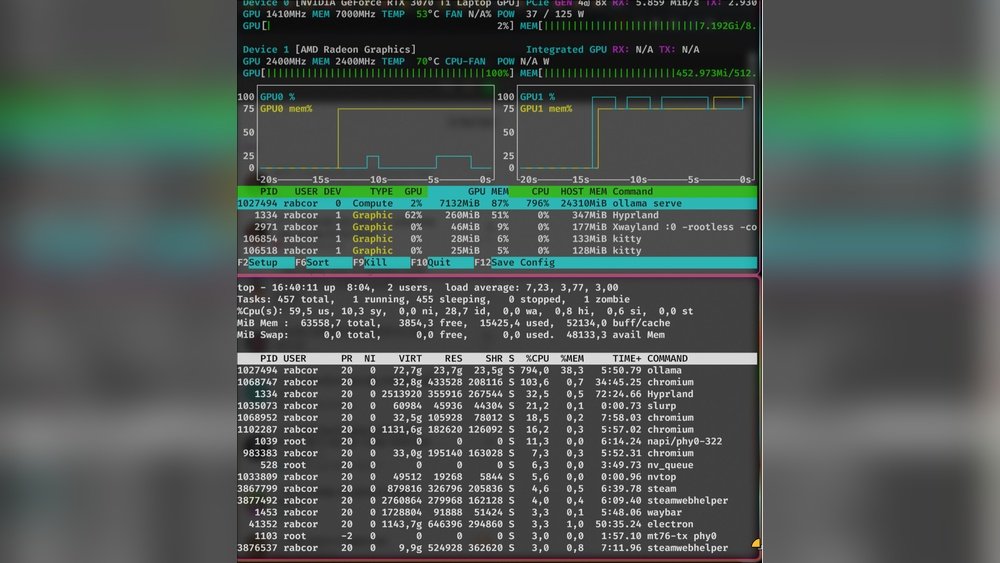
Track GPU usage with tools like GPU-Z or built-in monitors. Check temperature to prevent overheating. High temperatures reduce performance and may cause shutdowns. Watch power draw to ensure the GPU runs within safe limits. Monitoring helps keep the system stable and efficient.

Credit: www.youtube.com
Troubleshooting Common Issues
Troubleshooting common issues helps keep Ollama running smoothly on your GPU. Many users face problems during installation, performance, or compatibility. These challenges can stop your work or slow down your system.
Knowing how to fix these problems saves time and frustration. The tips below guide you through easy steps to solve common errors and improve Ollama’s GPU use.
Resolving Installation Errors
Installation errors often come from missing drivers or incorrect settings. Check that your GPU drivers are up to date. Use the official driver site for the latest version.
Ensure your system meets Ollama’s hardware and software needs. Clear old files before installing to avoid conflicts. Run the installer as an administrator to prevent permission issues.
Fixing Performance Bottlenecks
Slow performance can result from high GPU usage or background tasks. Close other programs that use the GPU. Monitor your GPU load using system tools to spot heavy use.
Adjust Ollama’s settings to lower resource demands. Lower model size or batch size if available. Keep your GPU cool to avoid thermal throttling, which slows down speed.
Addressing Compatibility Problems
Compatibility issues may arise with certain GPU models or OS versions. Verify that your GPU supports the required features for Ollama. Check the official documentation for supported hardware lists.
Update your operating system to the latest version. Some software updates fix bugs affecting GPU compatibility. If problems persist, try running Ollama in compatibility mode or on a different machine.
Advanced Tips
Advanced tips can help you get the most out of running Ollama on your GPU. These tips focus on improving speed, handling bigger tasks, and saving time. Let’s explore key ways to enhance your GPU use with Ollama.
Using Multiple Gpus
Using more than one GPU can boost Ollama’s performance. It spreads the work across several GPUs, making tasks faster. Set up your system to recognize all GPUs. Then, configure Ollama to divide the workload evenly. This approach helps when running heavy models or large data sets.
Check your system’s compatibility with multi-GPU support. Use tools like CUDA or other GPU management software. They help monitor and optimize GPU usage. This keeps your GPUs from overloading or idling.
Customizing Ollama For Specific Workloads
Different tasks need different settings. Customize Ollama to fit your specific workload for better results. Adjust parameters like batch size, memory limits, and processing threads. Tailoring these settings reduces lag and increases efficiency.
Experiment with Ollama’s configuration files. Change settings based on the type of data or model. This makes Ollama run smoother and faster for your needs. Keep track of changes to find the best setup.
Automating Gpu Tasks
Automation saves time and effort when running Ollama on a GPU. Use scripts to start, stop, and monitor GPU tasks automatically. This helps avoid manual errors and keeps processes consistent.
Create scheduled jobs to run Ollama tasks at set times. This is useful for regular data processing or model training. Automation tools like cron jobs or task schedulers work well. They keep your GPU busy without constant supervision.

Credit: www.reddit.com
Frequently Asked Questions
What Gpus Are Compatible With Ollama?
Ollama supports most modern NVIDIA GPUs with CUDA support. Ensure your GPU has at least 4GB VRAM for optimal performance. Check Ollama’s official documentation for the latest compatibility list before setup.
How Do I Install Gpu Drivers For Ollama?
Download the latest NVIDIA drivers from the official NVIDIA website. Install CUDA Toolkit and cuDNN libraries required by Ollama. Restart your system after installation to enable GPU acceleration.
Can Ollama Run On Multiple Gpus Simultaneously?
Yes, Ollama supports multi-GPU setups for faster processing. Configure your system and Ollama settings to enable GPU parallelism. This enhances model training and inference speeds significantly.
Does Ollama Require Specific Cuda Versions?
Ollama recommends using CUDA version 11. 0 or higher. Using compatible CUDA versions ensures stable GPU performance. Always verify CUDA compatibility with your GPU and Ollama version.
Conclusion
Running Ollama on a GPU speeds up your tasks significantly. It lets you handle bigger projects with ease. Setting it up is simple when you follow the right steps. You get better performance and smoother results every time. Try using your GPU to see the difference yourself.
This approach saves time and makes work less stressful. Keep exploring ways to optimize your setup further. Your projects will benefit from faster processing power.