How to Flash a Gpu Bios: Easy Steps for Safe GPU Upgrade
Are you looking to get more from your graphics card or fix a stubborn issue? Flashing your GPU BIOS might be the solution you need.
It sounds complicated, but with the right steps, you can do it safely and effectively. In this guide, you’ll learn exactly how to flash a GPU BIOS without risking damage to your hardware. Keep reading, and by the end, you’ll have the confidence to update your GPU’s BIOS like a pro.
Credit: www.thewindowsclub.com
Reasons To Flash Gpu Bios
Flashing a GPU BIOS means updating or changing the software inside your graphics card. This process can fix issues or improve how your GPU works. People flash their GPU BIOS for several clear reasons. Each reason helps your GPU perform better or work with your system in a new way.
Performance Boost
Flashing the GPU BIOS can increase its speed and efficiency. New BIOS versions often have better settings. These settings help the GPU run faster without overheating. This boost helps with gaming and heavy tasks. It makes your computer feel smoother and quicker.
Fixing Compatibility Issues
Sometimes, a GPU does not work well with certain hardware or software. Updating the BIOS can solve these problems. It makes the GPU compatible with new drivers or new computer parts. This fix stops crashes and errors. Your system becomes more stable and reliable.
Unlocking Hidden Features
Some GPUs have extra features locked inside the BIOS. Flashing can enable these features. These may include better power management or new performance modes. Activating these features can improve your experience. You get more options without buying new hardware.
Credit: www.techpowerup.com
Preparing For The Bios Flash
Preparing to flash a GPU BIOS is a critical step. It requires careful attention to avoid damage to your graphics card. Taking time to prepare ensures a smooth flashing process. This section covers key preparation tasks.
Backup Current Bios
Backing up your current BIOS is essential. It protects you from problems during flashing. Use a trusted BIOS backup tool. Save the backup file on a separate drive. This step allows you to restore your GPU if needed.
Gathering Necessary Tools
Collect all tools before starting the flash. You need a reliable BIOS flashing utility. Prepare a USB drive or external storage. Download the correct BIOS file for your GPU. A stable power source is important to prevent shutdowns.
Checking Gpu Model And Bios Version
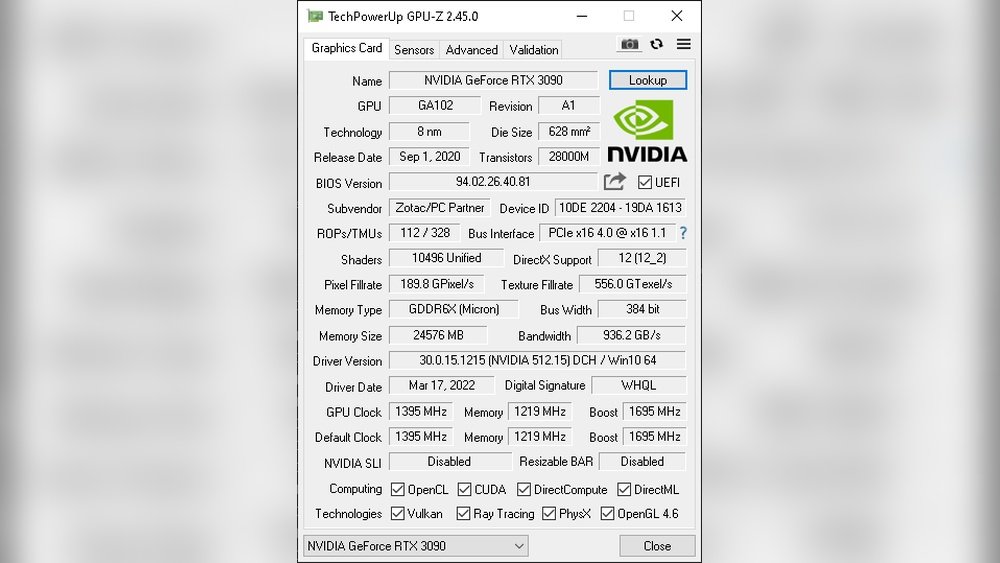
Verify your GPU model carefully. Use software like GPU-Z to find exact details. Note the current BIOS version to confirm compatibility. Flashing the wrong BIOS can cause hardware failure. Double-check these details before proceeding.
Downloading The Correct Bios
Downloading the correct BIOS is a critical step in flashing your GPU BIOS. Using the wrong file can cause serious issues with your graphics card. It is important to find the exact BIOS version made for your specific GPU model. This ensures compatibility and prevents hardware damage.
Always take time to verify the BIOS files before flashing. This protects your system from corrupted or fake BIOS versions. Proper precautions help maintain your GPU’s stability and performance over time.
Finding Reliable Sources
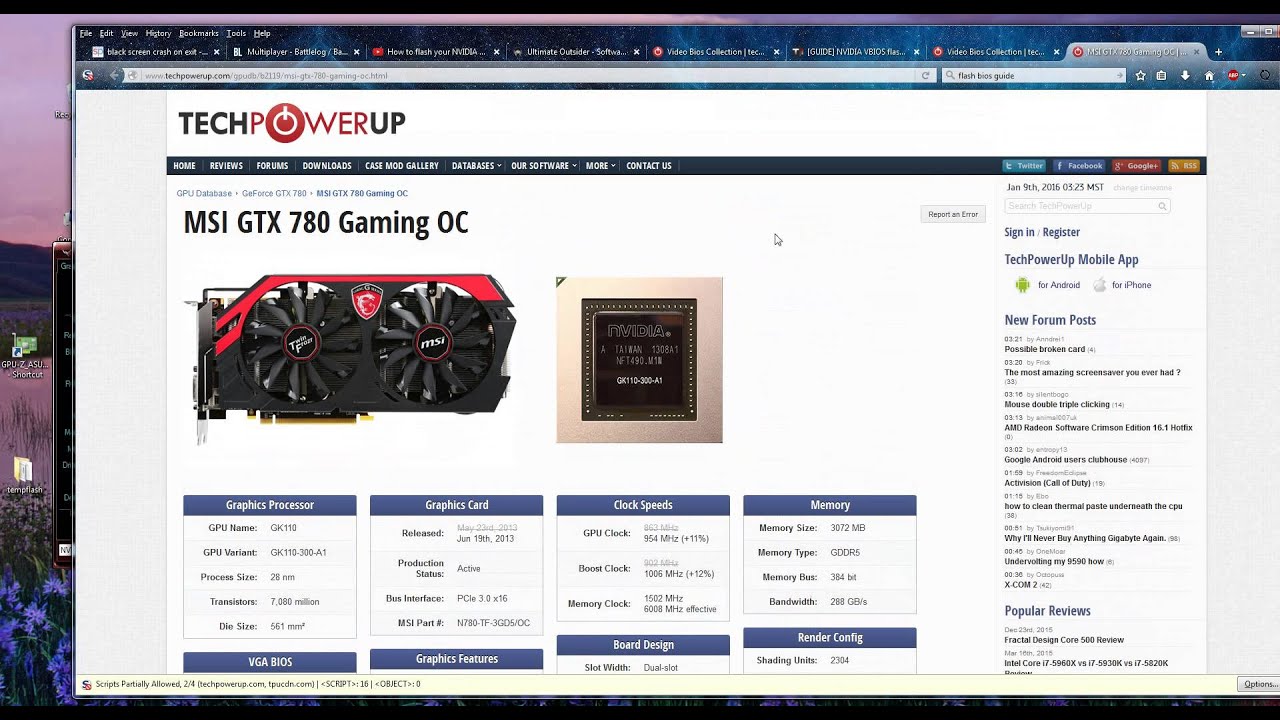
Start with the GPU manufacturer’s official website. They usually offer the safest BIOS updates. Avoid random sites or forums that may contain unreliable files. Trusted communities like tech forums can help but check the source carefully. Official sources reduce the risk of downloading harmful files.
Verifying Bios Files
After downloading, check the BIOS file’s checksum or hash. This confirms the file is complete and unchanged. Compare it with the checksum provided by the official source. Use tools like MD5 or SHA256 for verification. Verifying prevents flashing a corrupted BIOS that may damage your GPU.
Avoiding Fake Or Corrupt Bios
Fake BIOS files can appear similar to real ones. They may cause your GPU to stop working. Always cross-check the file size and version against official listings. Avoid files from unknown or suspicious websites. Use antivirus scans on downloaded files for added safety. Protect your hardware by using only verified BIOS updates.
Safe Flashing Methods
Flashing a GPU BIOS can improve performance or fix bugs. It carries risks if done incorrectly. Using safe flashing methods helps protect your hardware. Choose the right tools and follow clear steps. This reduces chances of damage and data loss.
Using Manufacturer Utilities
Most GPU brands offer official BIOS flashing software. These utilities are designed for your specific card model. They check compatibility and prevent wrong BIOS installation. Using manufacturer tools lowers the risk of errors. Follow their instructions carefully for a safe update.
Flashing With Third-party Tools
Third-party tools provide more options but need caution. They work with many GPU models and BIOS versions. Research and download from trusted sources only. These tools often have backup and restore features. Always save your current BIOS before flashing.
Steps To Flash Via Dos
Flashing via DOS is a traditional and reliable method. Create a bootable USB drive with DOS files. Copy the BIOS file and flashing tool onto the USB. Restart the computer and boot into DOS mode. Run the flashing command exactly as instructed. Wait until the process finishes and do not interrupt.
Troubleshooting Flashing Issues
Flashing a GPU BIOS can sometimes cause problems. These issues may stop the process or damage the BIOS. Knowing how to fix these problems helps avoid permanent damage. This section covers common problems and how to solve them safely.
Handling Failed Flash Attempts
A failed flash attempt means the BIOS update did not finish properly. First, do not turn off your computer immediately. Wait a few minutes to see if the process recovers. If it stays stuck, try restarting the flash tool and running the update again.
Use the correct BIOS file for your GPU model. Using the wrong file often causes failure. Always double-check the file before flashing. Clear any temporary files from the flash tool before retrying. This step can fix some issues.
Recovering From A Corrupted Bios
A corrupted BIOS can cause your GPU to stop working. To recover, some GPUs have a dual BIOS switch. Flip this switch to the backup BIOS and boot your system. This action restores the original settings and lets you try flashing again.
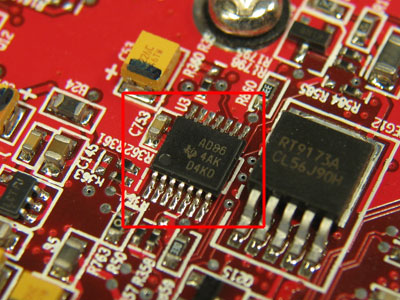
If your GPU lacks a backup BIOS, you might need a BIOS recovery tool. These tools can reprogram the BIOS chip using an external device. Follow detailed guides carefully, as this process is delicate and risky.
When To Seek Professional Help
Try fixing BIOS issues only if you feel confident. Complex problems may require expert help. Contact a technician if your GPU is still not working after attempts. Professionals have tools and skills to repair BIOS safely.
Do not open your GPU or try hardware fixes without experience. This can void your warranty or cause more damage. Professional repair is safer and ensures your GPU’s health.
Post-flash Checks
After flashing your GPU BIOS, some important checks help ensure everything works well. These steps confirm the update was successful and the GPU runs smoothly. Take time to verify and test your GPU carefully. This avoids future problems and keeps your system stable.
Verifying Bios Update Success
Check the BIOS version to confirm the update applied correctly. Use software like GPU-Z to see the current BIOS version. Match it with the version you flashed. If they differ, the update may have failed. Restart your computer and try flashing again if needed.
Testing Gpu Stability
Run stress tests to check GPU stability after the flash. Programs like FurMark or 3DMark help test performance under load. Watch for crashes or glitches during the test. If the GPU crashes, the BIOS may not be compatible or the flash process had errors. Stop and fix issues before heavy use.
Monitoring Temperature And Performance
Monitor GPU temperature and performance during normal use. Use tools like MSI Afterburner to track heat and clock speeds. Ensure temperatures stay within safe limits to prevent damage. Look for any unusual behavior like overheating or slowdowns. Stable temps and performance mean the flash was successful.
Tips For Safe Gpu Bios Flashing
Flashing a GPU BIOS can improve performance or fix issues. It is a sensitive task requiring care. Taking safety steps reduces the chance of problems. Follow these tips to flash your GPU BIOS safely.
Avoiding Power Interruptions
Power loss during flashing can damage your GPU. Use a reliable power source to prevent shutdowns. Avoid flashing during storms or unstable power conditions. If possible, use a UPS to keep power steady. Never interrupt the flashing process once it starts.
Keeping Backup Bios Ready
Back up your current BIOS before flashing. This allows you to restore the GPU if something goes wrong. Use tools designed to save the original BIOS safely. Store the backup on a different device or drive. Having a backup is crucial for recovery and peace of mind.
Understanding Risks Involved
Flashing BIOS carries risks like bricking the GPU. Incorrect BIOS versions can cause hardware failure. Be sure the BIOS matches your exact GPU model. Understand that flashing may void your warranty. Proceed only if you accept these risks fully.
Credit: www.youtube.com
Frequently Asked Questions
What Is Gpu Bios Flashing And Why Is It Needed?
GPU BIOS flashing updates or modifies your graphics card’s firmware. It can improve performance, fix bugs, or unlock features. However, it carries risks and should be done carefully with the correct BIOS version.
How Do I Prepare Before Flashing My Gpu Bios?
Backup your current BIOS using reliable software. Ensure your system is stable and fully charged. Download the official BIOS file from the manufacturer’s website to avoid errors or damage.
What Tools Are Required To Flash A Gpu Bios Safely?
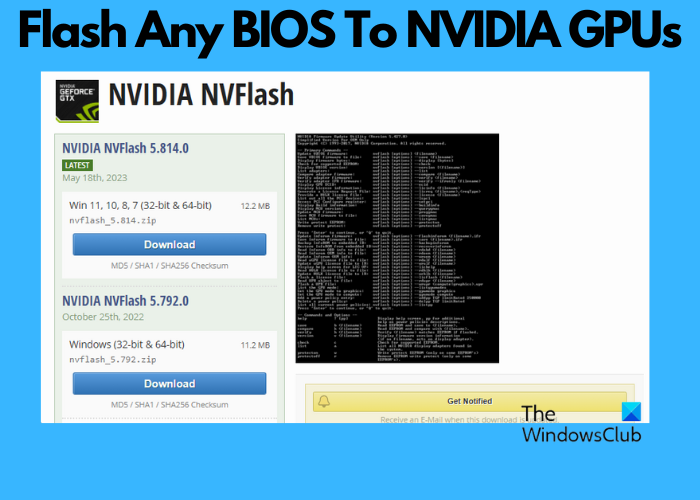
You need a BIOS flashing utility like NVFlash for NVIDIA or ATIFlash for AMD cards. Also, have a USB drive and a stable power source to prevent interruptions during flashing.
Can Flashing Gpu Bios Void My Warranty?
Yes, flashing your GPU BIOS can void the manufacturer’s warranty. It is considered a modification outside standard use. Always check warranty terms before proceeding.
Conclusion
Flashing a GPU BIOS can improve your graphics card’s performance. Always back up your current BIOS before starting. Follow each step carefully to avoid errors. Use trusted tools and official BIOS files only. Take your time and stay patient during the process.
A successful flash can lead to better stability and features. Remember, safety comes first with any hardware update. Keep this guide handy for future reference. Enjoy your improved GPU with confidence and care.


