How to Reset the Cpu: Quick and Easy Step-by-Step Guide
Is your computer running slow or acting strangely? Sometimes, the solution is simpler than you think—resetting your CPU.
If you’ve ever wondered how to reset the CPU safely and effectively, you’re in the right place. This guide will walk you through easy steps to refresh your system and get it back to peak performance. By the end, you’ll have the confidence to fix common issues without frustration.
Keep reading, and take control of your computer’s speed and stability today!
Signs You Need To Reset Your Cpu
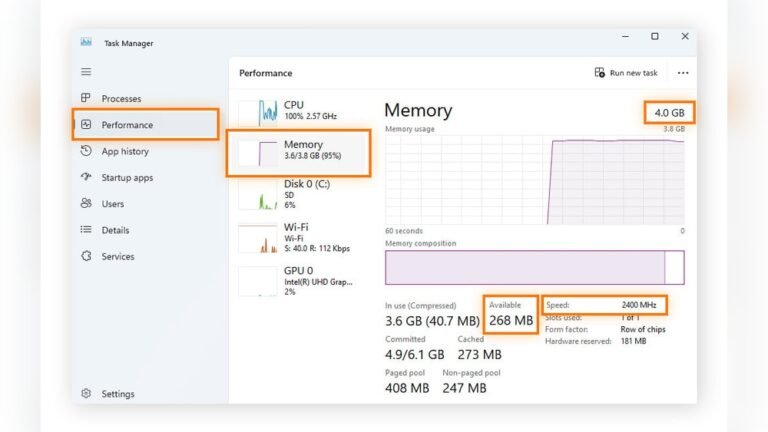
Knowing the signs that your CPU needs a reset helps keep your computer running well. A reset can fix many problems. It can stop crashes and improve speed. Watch for these common signs to decide if a reset is needed.
Slow Performance And Lagging
Your computer works slower than usual. Programs take longer to open. Even simple tasks feel delayed. This lag often means the CPU is overloaded or stuck.
Frequent Freezing Or Crashing
The system freezes often. Windows or apps crash without warning. These issues show the CPU is not processing tasks properly. Resetting can clear errors causing crashes.
Overheating And Loud Fans
The CPU gets very hot quickly. Fans run loudly and constantly. Overheating can cause damage and slow the CPU. A reset can help cool things down.
Unusual Noises Or Beeping
Your computer makes strange sounds or beeps during startup. These noises may signal hardware issues or CPU errors. A reset might fix temporary problems causing these sounds.
Failure To Boot Or Startup Errors
The PC does not start correctly. You see error messages or a black screen. These signs indicate serious CPU or system faults. Resetting can restore normal boot functions.

Credit: www.wikihow.com
Preparing To Reset
Preparing to reset your CPU is a key step for a smooth process. This stage helps you avoid data loss and hardware damage. Taking time here saves frustration later. Follow clear steps to get ready safely.
Backing Up Important Data
Save all your important files before resetting the CPU. Use an external drive or cloud storage. This protects your documents, photos, and software settings. Losing data can cause big problems. Backup ensures you keep what matters.
Gathering Necessary Tools
Have all tools ready before starting the reset. Common tools include a screwdriver, thermal paste, and cleaning cloth. Check your CPU manual for specific needs. Being prepared speeds up the process and reduces mistakes.
Ensuring Safety Precautions
Turn off the computer and unplug it from power. Ground yourself to avoid static electricity damage. Work on a clean, flat surface with good lighting. Follow safety rules to protect yourself and your computer parts.
Resetting The Cpu Hardware
Resetting the CPU hardware can fix many computer issues. It clears settings and helps the CPU start fresh. This process involves a few careful steps. Each step must be done with care to avoid damage. Follow the guide below to reset your CPU hardware safely.
Powering Down And Unplugging
First, turn off your computer completely. Press the power button until it shuts down. Unplug the power cable from the outlet. Remove any other connected devices. This stops electricity from flowing inside. Safety is the top priority in this step.
Opening The Computer Case
Next, open the computer case carefully. Use a screwdriver if needed. Place the case on a clean, flat surface. Remove screws holding the side panel. Slide or lift the panel off gently. Avoid touching parts inside to prevent static damage.
Locating And Resetting The Cmos Battery
Find the CMOS battery on the motherboard. It looks like a small, round silver coin. Remove the battery with care using your fingers. Wait for about five minutes. This clears the motherboard memory. Put the battery back in its slot the same way.
Using The Reset Jumper
Look for the reset jumper near the CMOS battery. It is a small set of pins with a plastic cover. Move the jumper cover to the reset position. Wait for a few seconds. Return the jumper to its original place. This action resets the motherboard settings.

Credit: www.avg.com
Resetting Bios Settings
Resetting BIOS settings is a key step to fix many CPU and motherboard issues. BIOS controls basic hardware functions and system startup. Resetting it can solve boot problems or errors caused by wrong settings.
This process restores BIOS to factory defaults. It clears any changes made to CPU speed, voltage, or other settings. The CPU then runs with safe, standard configurations. This helps stabilize the system and prevent crashes.
Accessing The Bios Menu
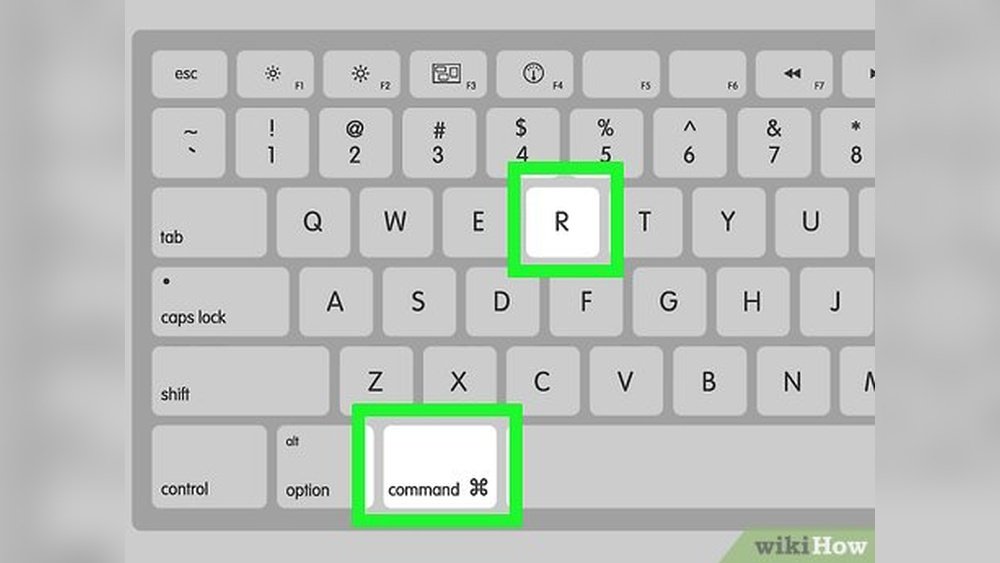
Turn off your computer completely. Press the power button to start it again. Immediately press the BIOS key repeatedly. Common keys are Delete, F2, or Esc. The correct key depends on your motherboard or laptop brand.
The BIOS menu appears as a blue or black screen with white text. Use arrow keys to navigate. Do not use a mouse here.
Loading Default Settings
Look for an option like “Load Setup Defaults” or “Load Optimized Defaults.” This option resets all BIOS settings. Highlight it using arrow keys. Press Enter to select it.
A confirmation message usually appears. Choose “Yes” to confirm. This action clears all custom settings and restores defaults.
Saving And Exiting
After loading default settings, find the “Save & Exit” option. Select it to save the changes. The system will restart automatically.
The CPU will now run with the reset BIOS settings. Watch if the computer boots normally. If problems persist, further troubleshooting is needed.
Post-reset Steps
After resetting the CPU, some important steps follow. These steps ensure the CPU works well again. Follow them carefully to avoid problems.
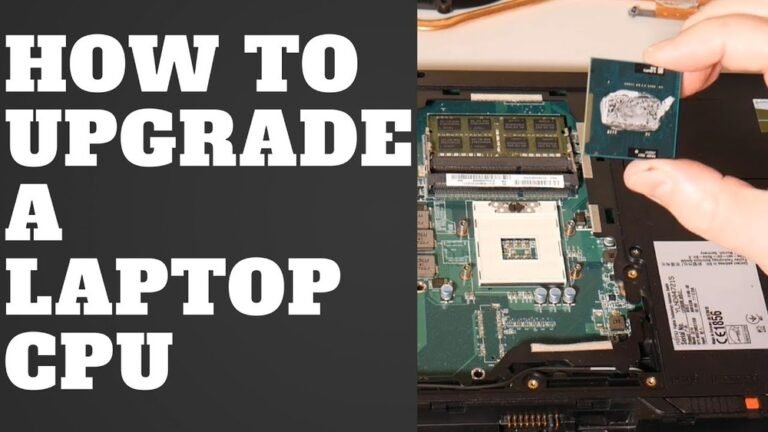
Reassembling The Cpu
Put the CPU back into its socket gently. Make sure it fits perfectly. Reattach the cooling fan and heatsink firmly. Tighten screws evenly to avoid damage. Connect any cables you unplugged earlier.
Restarting The System
Press the power button to turn on your computer. Watch for signs of life like lights or sounds. Let the system boot fully without interruption. Avoid turning off the power during startup.
Verifying Successful Reset
Check if the computer boots to the operating system. Look for normal screen display and no error messages. Test basic functions like keyboard and mouse. Use system tools to confirm CPU runs correctly.
Troubleshooting Common Issues
Troubleshooting common issues after resetting the CPU can save time and reduce frustration. This process sometimes causes unexpected problems. Knowing how to fix these helps keep your system running smoothly.
No Power After Reset
Check if the power cable is plugged in securely. Inspect the power supply switch and make sure it is on. Test the outlet with another device to confirm power availability. Resetting the CPU may also require reseating the power connectors inside the case. If the problem continues, the power supply unit might be faulty.
System Fails To Boot
Listen for beep codes or error messages on startup. These signals help identify hardware problems. Remove all external devices except the keyboard and monitor. Clear the CMOS to reset BIOS settings to default. Ensure the CPU and memory modules are properly seated. Faulty RAM or CPU can prevent booting.
Bios Settings Not Saving
This issue often happens when the CMOS battery is dead. Replace the small coin-cell battery on the motherboard. Double-check that you press the save button before exiting BIOS. Avoid removing power suddenly during BIOS updates. Incorrect BIOS settings can cause system instability after reset.
Tips To Maintain Cpu Performance
Keeping your CPU running well takes regular care. Small steps help your computer stay fast and avoid problems. These tips help you keep your CPU healthy for a long time. Follow simple routines to protect its performance.
Regular Cleaning
Dust and dirt block air vents and fans. This makes the CPU hotter than normal. Hot parts slow down or break easily. Open your computer case and clean dust with a soft brush or air spray. Do this every few months to keep air flowing.
Keeping Software Updated
Software updates fix bugs and improve how programs run. Updated drivers and operating systems help your CPU work better. Turn on automatic updates or check for new versions often. This keeps your system safe and smooth.
Monitoring System Temperatures
High temperatures cause your CPU to slow down or shut off. Use free tools to check CPU temperature on your screen. If it gets too hot, stop heavy tasks and clean your PC. Good cooling keeps the CPU cool and working well.

Credit: www.blackview.hk
Frequently Asked Questions
How Do I Safely Reset My Cpu?
To safely reset your CPU, power off your computer and unplug it. Open the case and locate the CMOS battery. Remove it for about 5 minutes, then reinsert. This clears settings and resets the CPU to default.
When Should I Reset My Cpu?
Reset your CPU when experiencing overheating, system crashes, or hardware conflicts. Resetting can resolve BIOS errors and restore default configurations. Only reset if troubleshooting or upgrading hardware.
Can Resetting The Cpu Improve Performance?
Resetting the CPU can fix performance issues caused by incorrect BIOS settings. It clears any misconfigurations slowing your system. However, it does not increase raw CPU speed or hardware capabilities.
What Tools Do I Need To Reset The Cpu?
You only need a screwdriver to open your PC case and a non-metallic tool to remove the CMOS battery if needed. Some motherboards have a reset jumper, requiring no extra tools.
Conclusion
Resetting the CPU can fix many common computer issues. Follow the steps carefully for best results. Always turn off your device before starting. Take your time and avoid rushing. This simple process can improve your computer’s performance. Keep this guide handy for future use.
Stay patient, and you will succeed. A well-maintained CPU helps your system run smoothly. Remember, small fixes often solve big problems.