Is Marvel Rivals a Cpu Or Gpu Intensive Game: Ultimate Guide
Are you wondering whether Marvel Rivals puts more strain on your CPU or GPU? Knowing this can help you get the best performance and avoid frustrating lag or crashes.
If you want smooth gameplay and the right hardware setup, understanding which part of your system does the heavy lifting is key. Keep reading, and you’ll discover exactly what powers Marvel Rivals—and how to optimize your gaming experience.

Credit: www.youtube.com
Game Overview
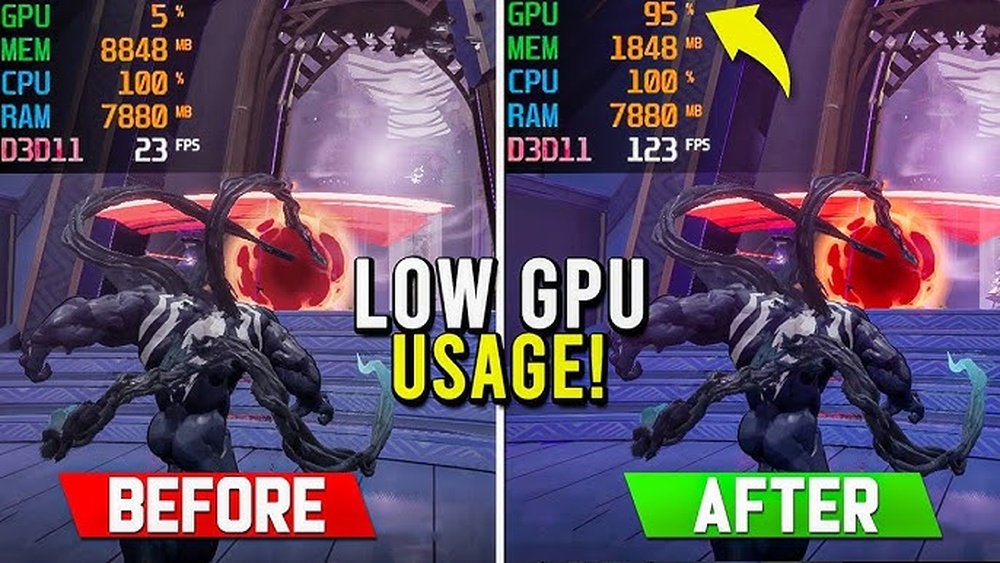
Marvel Rivals demands more power from the GPU than the CPU. It focuses on graphics and smooth gameplay. Players need a strong graphics card for the best experience.
Marvel Rivals is an action-packed fighting game featuring popular Marvel characters. Players control heroes and villains in intense battles. The game focuses on fast combat and special moves.
Each character has unique abilities and fighting styles. Players must use strategy and timing to win matches. The game offers different modes, including solo and multiplayer battles.
Graphics are vibrant but not overly complex. The design balances detail with smooth gameplay. This balance affects how the game uses your computer’s hardware.

Credit: www.reddit.com
System Requirements
Marvel Rivals mainly depends on your GPU for smooth gameplay and better graphics. The CPU also matters but to a lesser degree. A balanced system helps avoid slowdowns during intense scenes.
Minimum System Requirements
Marvel Rivals runs on most modern PCs with basic specs. You need at least a dual-core CPU to avoid lag. The game needs 4 GB of RAM for smooth play. A GPU with 2 GB VRAM or more is essential. The storage space required is about 20 GB. These specs help run the game at low to medium settings.
Recommended System Requirements
For better visuals and performance, a quad-core CPU is ideal. Aim for 8 GB of RAM to keep gameplay smooth. A dedicated GPU with 4 GB VRAM or higher improves graphics quality. Using an SSD speeds up load times significantly. These specs allow playing Marvel Rivals with high settings and stable frame rates.
Cpu Or Gpu Intensive?
Marvel Rivals depends more on the GPU than the CPU. The game uses detailed graphics and effects that need strong GPU power. The CPU handles game logic but is less stressed. A good GPU boosts frame rates and image quality. A weaker CPU can still manage if paired with a solid GPU.
Cpu Demands
The CPU plays a key role in running Marvel Rivals smoothly. It handles many tasks behind the scenes. These tasks include game logic, physics, and managing player inputs. The game’s performance can depend a lot on the CPU’s ability to keep up with these demands.
Processor Speed Impact
A faster processor speed helps the game run better. It processes game data quickly. Higher clock speeds reduce delays and lag during gameplay. Marvel Rivals benefits from a CPU that can handle fast calculations. Slow processors may cause stuttering or slow responses.
Core Utilization
Marvel Rivals uses multiple CPU cores but not all equally. It mainly relies on a few cores for game logic and animation. Other cores assist with background tasks. CPUs with more cores can handle multitasking better. Still, the game does not fully use all cores at once.
Background Processes
Other programs running in the background affect CPU performance. These processes take up CPU power and slow the game down. Closing unnecessary apps frees CPU resources for Marvel Rivals. A clean system helps the game maintain smooth frame rates and fast input response.
Gpu Demands
The GPU demands of Marvel Rivals play a key role in how smoothly the game runs. This game uses detailed graphics and fast animations that require strong graphic processing. The workload on the GPU can change a lot depending on how the game settings are adjusted. Understanding these demands helps players optimize their setup for better performance.
Graphics Settings Influence
Graphics settings affect the GPU load directly. Higher settings like shadows and textures make the GPU work harder. Lowering these can ease the strain and improve smoothness. Players can balance visuals and performance by adjusting these settings carefully.
Frame Rate Effects
Frame rate is the number of images shown each second. Higher frame rates need more GPU power. Marvel Rivals runs better with stable frame rates, especially during fast action. Reducing frame rate targets lowers GPU stress and helps avoid lag.
Resolution Impact
Resolution changes how many pixels the GPU must handle. Higher resolutions require more GPU resources to render clear images. Playing at lower resolutions reduces GPU load and boosts frame rates. Choosing the right resolution is key for smooth gameplay.
Performance Testing
Performance testing helps us understand how Marvel Rivals uses computer parts. It shows if the game relies more on the CPU or GPU. This knowledge guides players to choose the right hardware for smooth gameplay.
Tests measure frame rates, loading times, and system usage during different game moments. This gives a clear view of what the game demands most from the computer.
Benchmark Results
Benchmark tests reveal the game’s average frame rates on various setups. Marvel Rivals runs well on mid-range GPUs but needs a strong CPU for best results. Lower-end CPUs cause more frame drops than weaker GPUs. This means the CPU plays a key role in maintaining smooth performance.
Comparing Cpu Vs Gpu Load
Data shows the CPU handles most game logic and physics calculations. The GPU mainly renders graphics and effects. CPU usage often reaches 70% during intense fights, while GPU usage stays around 50-60%. This balance points to Marvel Rivals being more CPU intensive overall.
Real-world Gameplay Scenarios
In actual play, CPU load spikes during complex character moves and AI decisions. The GPU load increases with detailed environments and special effects. Players with a strong CPU and decent GPU enjoy stable frame rates and smooth controls. Upgrading the CPU benefits gameplay more than upgrading the GPU alone.
Optimizing Performance
Optimizing performance in Marvel Rivals is key for smooth gameplay. The game demands resources from both the CPU and GPU. Balancing these parts can improve your experience. Small changes can lead to better frame rates and less lag. Focus on settings and hardware for the best results.
Tweaking Graphics Settings
Lowering graphic details can reduce the load on your GPU. Try turning off shadows or lowering texture quality. Set resolution to a level your system handles easily. These changes help the game run smoother. Watch for improvements in frame rate after adjustments.
Cpu Overclocking Tips
Overclocking your CPU can boost game performance slightly. Increase the clock speed carefully, step by step. Keep an eye on the temperature to avoid overheating. Use reliable software for safe overclocking. This can help Marvel Rivals run with fewer slowdowns.
Driver Updates And Maintenance
Keep your GPU and CPU drivers up to date. New drivers often fix bugs and improve speed. Check manufacturer websites regularly for updates. Clean your PC’s dust to prevent overheating. Well-maintained hardware runs games better and lasts longer.
Hardware Recommendations
Choosing the right hardware helps Marvel Rivals run smoothly. The game needs strong parts to handle its graphics and processing. Knowing what works best saves money and improves your play.
This section covers the best CPUs and GPUs for Marvel Rivals. It also explains how to balance these parts for the best experience.
Best Cpus For The Game
Marvel Rivals uses the CPU a lot for game logic and AI. A fast processor with multiple cores helps the game run without lag. Look for CPUs with at least four cores and high clock speeds. Examples include Intel Core i5 or AMD Ryzen 5 series. These provide good power without costing too much.
Best Gpus For The Game
The GPU handles the game’s graphics and effects. A strong graphics card makes the game look better and run smoother. Cards like Nvidia GTX 1660 or AMD Radeon RX 580 fit well. They support modern graphics and offer solid performance at a fair price.
Balancing Your Build
Both CPU and GPU matter for Marvel Rivals. A powerful CPU with a weak GPU causes low frame rates. A strong GPU with a slow CPU can cause stutters. Choose parts that match in speed and power. This balance creates the best gaming experience without waste.
Common Performance Issues
Marvel Rivals can show some common performance issues on various systems. These problems affect how smoothly the game runs. Knowing these issues helps players improve their gameplay experience. The main problems include lag, thermal throttling, and memory bottlenecks.
Lag Causes
Lag happens when the game slows down or stutters. It often results from a slow CPU or GPU. Poor internet connection can also cause lag in online play. Running other programs in the background can reduce game speed. Low frame rates make the game less enjoyable and harder to play.
Thermal Throttling
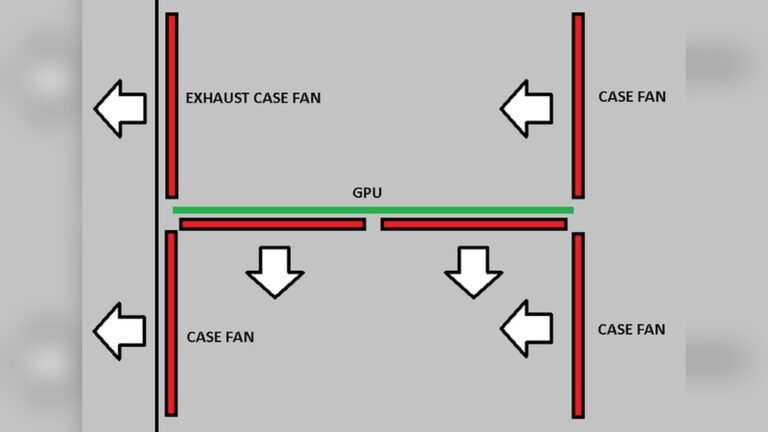
Thermal throttling occurs when the CPU or GPU gets too hot. To protect itself, the hardware lowers its speed. This slowdown reduces game performance and causes stuttering. Dust or poor ventilation in your computer can increase heat. Cleaning fans and ensuring good airflow helps prevent throttling.
Memory Bottlenecks
Memory bottlenecks happen when the system runs out of RAM. The game then uses slower storage, causing delays. Insufficient video memory on the GPU also limits performance. Closing unused applications frees up memory for the game. Upgrading RAM or GPU can solve these bottlenecks.

Credit: www.corsair.com
Frequently Asked Questions
Is Marvel Rivals More Cpu Or Gpu Demanding?
Marvel Rivals relies heavily on the GPU for rendering graphics smoothly. The CPU handles game logic but is less stressed. A strong graphics card improves performance more than a high-end processor in this game.
What Hardware Best Improves Marvel Rivals Gameplay?
Upgrading your GPU will provide the most noticeable boost in Marvel Rivals. A mid-range CPU is sufficient, but a powerful GPU ensures better frame rates and visual quality. Balanced hardware optimizes the overall experience.
Can A Low-end Cpu Run Marvel Rivals Well?
Yes, a low-end CPU can run Marvel Rivals if paired with a decent GPU. The game is optimized to offload tasks to the GPU, making CPU requirements moderate. Prioritize GPU for smoother gameplay.
Does Marvel Rivals Benefit From Multiple Cpu Cores?
Marvel Rivals uses multiple CPU cores but not extensively. It benefits more from a faster CPU clock speed than many cores. Multi-core CPUs help with background processes but have limited impact on game performance.
Conclusion
Marvel Rivals demands more from your GPU than CPU. The graphics and effects need strong video processing power. Your CPU handles game logic but is less stressed. For smooth gameplay, focus on a good graphics card. Older or weaker GPUs may cause lag and low frame rates.
Balancing your system helps enjoy Marvel Rivals without issues. Choose hardware that fits your gaming style and budget. This way, you get the best experience without overspending.