How to Get Fps Gpu Cpu Lat off Screen: Easy Fixes & Quick Tips
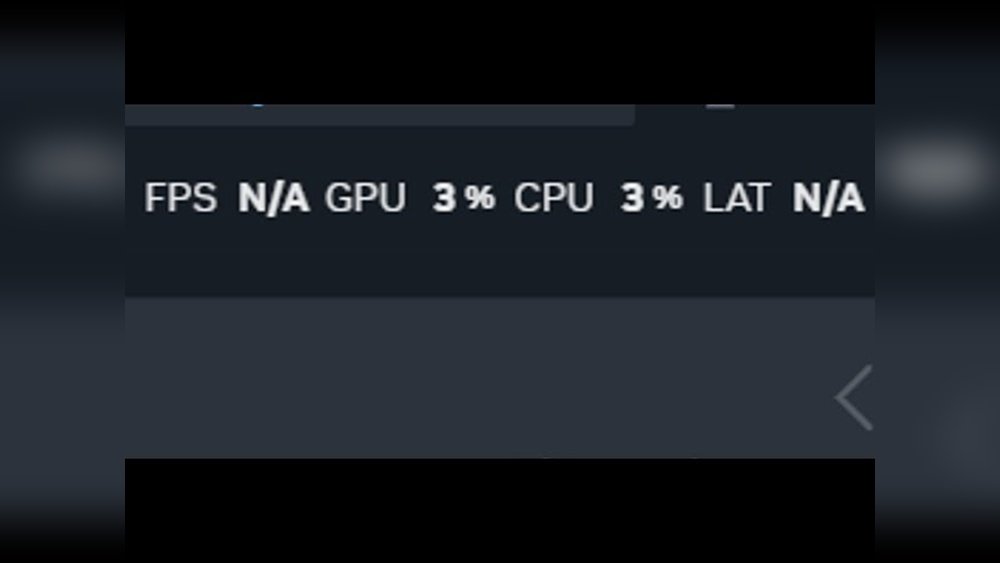
Are you tired of having your FPS, GPU, and CPU stats cluttering your screen while you game or work? Seeing these numbers constantly can be distracting and take away from your experience.
What if you could keep track of your system’s performance without those annoying on-screen displays? You’ll learn simple, effective ways to get rid of those FPS, GPU, and CPU overlays so your screen stays clean and focused. Keep reading to discover easy steps that anyone can follow to enjoy a clearer view without losing control over your system’s performance.

Credit: www.reddit.com
Common Causes Of Off-screen Fps And Hardware Stats
Off-screen FPS and hardware stats can cause confusion during gameplay or system monitoring. These issues affect your ability to see important performance data. Several common reasons lead to FPS and hardware stats not showing properly on screen. Understanding these causes helps in fixing the problem quickly.
Software Conflicts
Multiple software running at once may clash and stop FPS overlays from showing. Background apps can block the display of hardware stats. Some programs use similar resources, causing interference. Closing unnecessary apps often clears the conflict and restores the overlay.
Display Settings Issues
Incorrect display settings can hide FPS counters off-screen. Screen resolution or multiple monitors might push stats out of view. Sometimes, the overlay appears on a different screen. Adjusting resolution or monitor arrangement brings the stats back.
Outdated Drivers
Old graphics or CPU drivers cause FPS overlays to malfunction. Drivers control how hardware communicates with software. Updated drivers improve compatibility and fix bugs. Regularly updating drivers ensures smooth display of hardware stats.
Overlay Tool Problems
Overlay software itself can have bugs or settings that hide stats. Some tools need specific permissions to work correctly. Incorrect configuration can block FPS display. Reinstalling or updating the overlay tool often solves these problems.
Adjusting In-game Settings
Adjusting in-game settings helps you control how FPS, GPU, CPU, and latency data appear. It lets you place these stats on the screen where they do not block your view. You can also turn off other overlays that might interfere with your display. Many games include built-in tools to show FPS and other performance metrics.
Resetting Hud Positions
Resetting the HUD position moves performance stats back to their default spot. This helps if the numbers are hidden or off-screen. Most games let you drag and drop HUD elements. Use the game menu to find the HUD or interface settings. Look for an option to reset or restore default positions.
Disabling Conflicting Overlays
Some software adds overlays that clash with your game’s stats. These can hide or block FPS, GPU, and CPU info. Disable apps like screen recorders or chat programs while gaming. Check the settings of tools like Discord, Steam, or GeForce Experience. Turn off their in-game overlays to avoid conflicts.
Using Built-in Fps Counters
Many games have built-in FPS counters you can enable. These show your frame rate and sometimes other stats on-screen. Check the game’s graphics or performance settings to find this feature. It usually costs no extra software and works smoothly with the game. Use these counters for simple and clear performance tracking.
Tweaking Gpu And Cpu Monitoring Tools
Tweaking GPU and CPU monitoring tools helps you get accurate FPS, GPU, and CPU data off screen. These tools show real-time stats while gaming or using heavy apps. Adjusting settings lets you customize the display. You can hide or move the information to keep your screen clean. It improves your experience without distractions.
Different tools offer options for tweaking. Some let you change font size, color, and position. Others allow more detailed customization. Knowing how to configure these helps you monitor performance better. It also keeps important data visible but unobtrusive.
Configuring Msi Afterburner
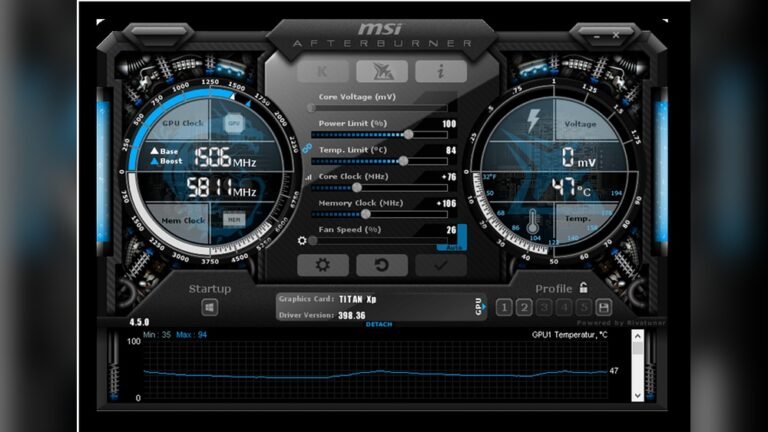
MSI Afterburner is popular for GPU and CPU monitoring. Open the software and go to the settings menu. Find the “Monitoring” tab to see all the available metrics. Choose FPS, GPU usage, and CPU usage to display. Enable “Show in On-Screen Display” for each metric you want. Adjust the overlay’s position and size in the “On-Screen Display” tab. Save changes and start your game. The stats appear on the screen without clutter.
Customizing Rivatuner Statistics Server
RivaTuner works with MSI Afterburner to show stats on screen. Open RivaTuner and select the application you want to monitor. Use the “On-Screen Display” section to enable or disable specific data points. Change the font color and size for better visibility. Move the overlay to a corner where it is not distracting. RivaTuner also lets you set hotkeys to toggle the display on or off. This control keeps your screen clear when you need it.
Alternative Monitoring Software
Other software options exist for GPU and CPU monitoring. Programs like HWMonitor and GPU-Z show detailed hardware info. Some include overlay features to display FPS and usage. Check if these tools support on-screen display customization. Choose one that fits your needs and is easy to use. Testing different software helps find the best fit for your setup.

Credit: www.youtube.com
Updating And Reinstalling Drivers
Updating and reinstalling drivers is essential for accurate FPS, GPU, CPU, and latency readings. Outdated or corrupt drivers can cause wrong data or prevent monitoring tools from working. Keeping drivers current ensures your system runs smoothly and displays correct performance stats.
Sometimes, new driver updates can cause issues. Rolling back to a stable version can fix problems. Reinstalling CPU monitoring software also helps if the data does not show or is inaccurate.
Checking For Gpu Driver Updates
Check your GPU driver regularly for updates. Visit the official website of your graphics card maker. Download the latest version matching your GPU model. Install the update following the instructions carefully. Restart your computer to apply changes. This helps improve performance and fixes bugs that affect monitoring tools.
Rolling Back To Stable Versions
New updates might not always work well. If FPS or latency data looks wrong after an update, try rolling back. Open Device Manager on your PC. Find your GPU under Display Adapters. Right-click and select Properties, then the Driver tab. Click on “Roll Back Driver” if available. This restores the previous driver version. Restart your PC to make sure it works.
Reinstalling Cpu Monitoring Software
CPU monitoring software can stop working due to bugs or corruption. Uninstall the current version from your system. Download the latest version from the official site. Install the software again and run it. This refresh can fix display errors and improve accuracy. Restart your computer after installation.
Screen Resolution And Scaling Fixes
Screen resolution and scaling can affect how your FPS, GPU, and CPU stats appear on your screen. Incorrect settings cause parts of the display to go off screen or become hard to read. Fixing resolution and scaling helps keep these stats fully visible and clear. This section covers simple steps to adjust your settings and improve your game overlay experience.
Matching Game And Desktop Resolution
Set your game resolution to match your desktop screen. This stops the game from stretching or shrinking oddly. When resolutions match, the FPS and other stats stay fully inside the screen edges. Check your display settings on your PC to find your desktop resolution. Then, go to your game settings and pick the same resolution. This small step can fix many display issues.
Adjusting Display Scaling Settings
Display scaling changes how content fits your screen. Too much scaling can cut off parts of the overlay. Open your PC’s display settings and find scaling options. Set scaling to 100% for the clearest view. Lower or custom scaling may hide parts of your stats. Keep scaling simple and standard to see all FPS, GPU, and CPU info clearly.
Using Windowed Or Borderless Modes
Switching your game to windowed or borderless mode often helps with off-screen problems. These modes use your desktop resolution without forcing full-screen adjustments. Your stats overlay fits better and stays fully visible. Try borderless mode first, as it blends fullscreen with windowed benefits. Windowed mode also works but may cause small performance drops.
Quick Tips For Stable On-screen Stats
Keeping your FPS, GPU, and CPU stats stable on-screen helps you track your system’s performance clearly. These stats must update smoothly without freezing or lag. Simple actions can improve their stability and accuracy. Follow these quick tips to keep your on-screen stats reliable during gaming or work.
Keeping Software Updated
Update your graphics drivers regularly. New drivers fix bugs and improve performance. Update your monitoring software too. Developers release updates that make stats more accurate. Running old versions can cause glitches or crashes.
Regular System Maintenance
Clean your PC from dust often. Dust blocks airflow and causes overheating. Overheating makes your CPU and GPU slow down. Check for background apps using too much CPU. Close unnecessary apps to free resources. Keep your system fast and stable.
Avoiding Multiple Overlays
Use only one overlay at a time. Multiple overlays can clash and cause errors. Overlays consume system resources, lowering performance. Choose a reliable overlay that shows all stats. This reduces screen clutter and improves readability.

Credit: www.reddit.com
Frequently Asked Questions
How To Display Fps On Screen Using Gpu?
You can enable FPS display via GPU software like NVIDIA GeForce Experience or AMD Radeon Software. These tools provide real-time performance overlays showing FPS and GPU metrics.
How To Monitor Cpu Temperature And Usage On Screen?
Use software like MSI Afterburner or HWMonitor to display CPU temperature and usage in real-time on-screen. These tools help track CPU performance while gaming or working.
What Tools Show Gpu And Cpu Latency On Screen?
Latency can be monitored with tools like RTSS combined with MSI Afterburner. They overlay GPU and CPU latency metrics during gameplay or system diagnostics.
Can I Customize Fps And Hardware Stats Display?
Yes, most monitoring tools allow customization of overlays, including size, position, and displayed metrics. This ensures the display fits your screen and preferences perfectly.
Conclusion
Tracking FPS, GPU, and CPU stats off screen helps keep games smooth. It shows real-time performance without cluttering your display. Simple tools and settings make this easy to set up. Use these methods to spot issues early and improve gameplay.
Stay aware of your hardware’s limits and adjust settings as needed. This way, you enjoy a better gaming experience with less lag. Keep checking your stats for steady performance every time you play.