How Much Gpu Power Do You Really Need for Gaming?
Are you wondering how much a GPU really costs and what factors affect its price? Whether you’re building a new gaming rig, upgrading your workstation, or just curious about the market, knowing the true cost of a GPU can save you money and frustration.
You’ll discover clear answers and practical tips that help you make smart choices without getting overwhelmed. Keep reading to find out exactly what you should expect to pay and how to get the best value for your budget.
Credit: northflank.com
Gpu Basics For Gaming
A GPU, or graphics processing unit, is key for gaming. It handles images, videos, and animations on your screen. A good GPU makes games look better and run smoothly.
Choosing the right GPU depends on your gaming needs. Understanding basic GPU functions helps you pick the best one for your setup.
Gpu Performance Metrics
Several factors show how well a GPU performs. Clock speed measures how fast it processes data. More speed means smoother gameplay.
Another metric is VRAM, the memory for graphics. Higher VRAM supports better textures and higher resolutions. Frame rate, or FPS, shows how many images display each second. Higher FPS means less lag and clearer motion.
Role In Gaming Experience
The GPU controls game visuals and effects. It creates lifelike graphics and detailed environments. A strong GPU helps games run without stuttering or freezing.
It also supports higher resolutions, like 1080p or 4K. This leads to sharper and clearer images. Overall, the GPU shapes how immersive and fun your gaming feels.
Factors Influencing Gpu Needs
Understanding the factors that influence GPU needs helps in choosing the right graphics card. Different activities require different levels of GPU power. The type of game, screen resolution, and graphics settings all play a role. These factors determine how much GPU performance is necessary for smooth gameplay.
A careful look at these aspects ensures you get the best value for your money. It also avoids overspending on unnecessary power or ending up with a slow system.
Game Type And Graphics Demands
Games vary widely in their graphics requirements. Simple games like puzzle or indie titles need less GPU power. Big open-world or action games require stronger GPUs. These games have complex visuals and many objects on screen. The GPU must handle all this smoothly to prevent lag.
Some games use advanced lighting, shadows, and effects. These features increase the need for a better graphics card. Knowing the types of games you play helps decide the GPU strength needed.
Resolution And Refresh Rate
The resolution of your monitor affects GPU needs. Higher resolutions like 1440p or 4K need more GPU power. This is because more pixels must be processed every frame. Lower resolutions like 1080p are easier on the GPU.
Refresh rate also matters. Higher refresh rates mean the GPU must produce more frames per second. A 144Hz screen needs the GPU to work harder than a 60Hz screen. Matching GPU power to your monitor’s specs ensures smooth visuals.
Settings And Visual Effects
Graphics settings impact GPU demand greatly. Higher settings add detail to textures, shadows, and reflections. Effects like anti-aliasing and motion blur also increase GPU load. Playing on low or medium settings requires less GPU power.
Turning up settings improves image quality but needs a stronger GPU. Lowering settings can help maintain good frame rates on weaker GPUs. Adjust settings based on your GPU to balance quality and performance.
Matching Gpu To Gaming Goals
Choosing the right GPU depends on your gaming goals. Different games and play styles need different power levels. Matching your GPU to your needs helps you get the best experience without paying too much. Let’s explore what kind of GPU fits various gaming styles.
Casual Gaming Requirements
Casual gamers play less demanding games or older titles. These games do not need the latest GPU models. A budget GPU can run games smoothly at 1080p resolution. You can enjoy games like Minecraft, Fortnite, or indie titles without high costs. Focus on GPUs with good power efficiency and decent memory.
Competitive Gaming Demands
Competitive gamers need high frame rates and low latency. Fast-paced games like CS:GO, Valorant, or Apex Legends require powerful GPUs. Mid to high-range GPUs provide the speed needed for smooth gameplay. Aim for GPUs that support high refresh rates and quick response times. This setup helps maintain an edge in fast matches.
Enthusiast And 4k Gaming
Enthusiast gamers want the best graphics and high resolutions. Playing at 4k or with ray tracing needs top-tier GPUs. These GPUs offer large memory and high core counts. They deliver sharp visuals and smooth performance in modern AAA games. Prepare to invest more for quality and future-proof gaming at ultra settings.
Credit: www.reddit.com
Future-proofing Your Gpu
Choosing a GPU that lasts several years saves money and effort. Future-proofing your GPU means picking one that handles new games and tech well. This helps avoid quick upgrades. Understanding trends and tech helps make the right choice.
Upcoming Game Trends
Games are getting more detailed and realistic. They need powerful GPUs to run smoothly. New game designs use higher resolutions and complex effects. VR and cloud gaming will grow fast. These need strong GPUs for good performance. Buying a GPU that meets these needs keeps games running well.
Technological Advances
GPU technology improves quickly. New models support faster speeds and better graphics. Features like ray tracing and AI help games look better. Memory size also matters for future games. GPUs with more VRAM handle bigger textures and files. Choosing a GPU with modern features prepares you for new tech.
Budgeting For Your Gpu
Budgeting for your GPU is an important step before buying. A good budget helps you find the best card for your needs. It also stops you from spending too much or too little. Knowing how much to spend makes the whole process easier and faster.
Setting a clear budget lets you compare different GPUs well. You can see which cards give the best value. It also helps to avoid cards that are too powerful or weak for your system.
Cost Vs Performance
Price and performance often go hand in hand with GPUs. Higher-priced cards usually have better speed and features. But the price jump is not always worth the small performance gain.
Look for GPUs that offer the most power for your budget. Mid-range cards often have good balance for games and work. Spending a bit more can give you longer use without upgrades.
Balancing Gpu With Other Components
Your GPU should match your other computer parts. A fast GPU with a weak CPU or little RAM can cause bottlenecks. This means your system won’t run as well as it could.
Check your CPU speed, RAM size, and power supply before choosing a GPU. Make sure they support the card you want. This keeps your system balanced and efficient.
Optimizing Gpu Performance
Optimizing GPU performance helps your computer run faster and smoother. It improves how games and apps work. Small changes can make a big difference. Focus on easy steps to keep your GPU in top shape.
Drivers And Software Updates
Keep your GPU drivers up to date. New drivers fix bugs and improve speed. Check the GPU maker’s website or use update tools. Software updates also add features and fix issues. Regular updates ensure your GPU works well with new software.
Overclocking And Cooling
Overclocking pushes your GPU to run faster than usual. It can boost performance but raises heat levels. Proper cooling is essential to avoid damage. Use good fans or liquid cooling systems. Monitor temperature during overclocking to stay safe. Cooling keeps the GPU stable and extends its life.

Credit: www.reddit.com
Frequently Asked Questions
How Much Gpu Power Do I Need For Gaming?
The GPU power needed varies by game and resolution. For 1080p gaming, a mid-range GPU works well. For 4K or VR, high-end GPUs are ideal. Always check game requirements and consider future-proofing when choosing a GPU.
What Affects The Cost Of A Gpu?
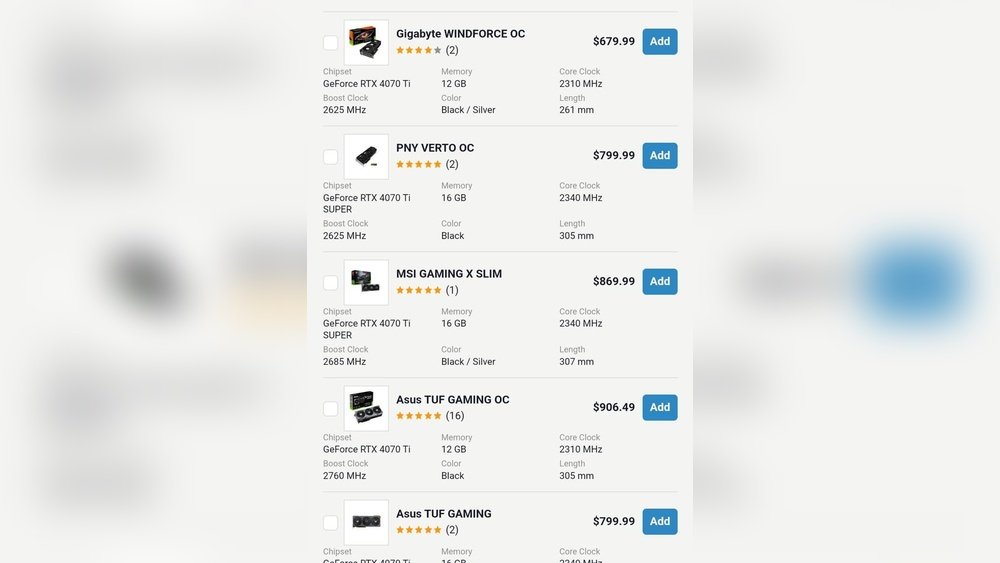
GPU cost depends on brand, model, memory size, and performance. Newer and high-performance GPUs cost more. Market demand and chip shortages also impact prices. Always compare specs and prices before purchasing.
Can I Use A Low-end Gpu For Video Editing?
A low-end GPU can handle basic video editing. However, for 4K or complex effects, a mid to high-end GPU is recommended. GPU acceleration speeds up rendering and playback, improving workflow efficiency.
How Does Gpu Memory Size Influence Performance?
GPU memory size affects texture quality and resolution handling. More VRAM helps with high-resolution gaming and professional tasks. Insufficient VRAM can cause lag and poor performance. Choose a GPU with enough memory for your needs.
Conclusion
Choosing the right GPU depends on your needs and budget. Prices vary based on power and brand. Think about what tasks you want to do. Gaming, video editing, or simple browsing need different GPUs. Check reviews and compare features before buying.
Remember, a good GPU can improve your computer’s speed. Spend wisely to get the best value. Take your time to decide. Your perfect GPU is out there.