Pc Shows Black Screen on Startup How to Fix: Quick & Easy Solutions
Is your PC showing a black screen right when you start it up? This frustrating problem can stop you from accessing your important files and getting work done.
But don’t worry—there are simple steps you can take to fix it. You’ll discover easy-to-follow solutions that anyone can try, even if you’re not tech-savvy. Keep reading, and you’ll learn how to bring your PC back to life quickly and confidently.
Credit: www.avg.com
Common Causes Of Black Screen
Black screen on startup is a common problem. It stops you from using your PC. Many things can cause this issue. Understanding these causes helps you fix the problem fast.
Some causes come from hardware. Others come from software errors. Some are linked to display or power issues. Knowing these common causes guides your troubleshooting steps.
Hardware Issues
Loose or damaged cables can cause a black screen. Faulty RAM or hard drive may stop the PC from starting. Overheating parts can also lead to sudden blackouts. Check inside your PC for any broken or disconnected parts.
Software Glitches
Corrupt system files often cause startup failures. A bad update can stop Windows from loading. Malware infections may block the screen from showing. Safe mode or system restore can fix many software problems.
Display Problems
Monitor issues can look like a black screen. Faulty or loose display cables cause no image to appear. Wrong input settings on the monitor may hide the screen. Testing with another monitor helps find display faults.
Power Supply Failures
A bad power supply can stop the PC from turning on. Insufficient power causes random shutdowns or black screens. Check the power cable and connections for damage. Replacing the power supply often solves this issue.
Initial Troubleshooting Steps
Experiencing a black screen on startup can feel frustrating. Start with simple checks to find the problem. These steps help you spot easy fixes before trying advanced solutions. Follow each step carefully to avoid missing important details.
Check Power Connections
Make sure your PC is plugged in properly. Check the power cable at both ends—wall socket and computer. Confirm the power strip or surge protector is switched on. Look for any loose or damaged cables. Without power, the PC cannot start.
Inspect Monitor And Cables
Examine the monitor’s power cable and video cable. Ensure they connect securely to the PC and monitor. Look for bent pins or damaged wires. Test the power button on the monitor. A faulty cable or monitor can cause a black screen.
Restart The Pc
Press and hold the power button for 5 seconds to turn off the PC. Wait 10 seconds, then press the power button again. This clears temporary glitches. Sometimes, a simple restart solves display issues quickly.
Test With External Display
Connect your PC to a different monitor or TV. Use the correct video cable for this connection. If the external screen works, the original monitor may be faulty. This test helps narrow down the problem source.
Fixing Hardware Problems
Hardware problems often cause a PC to show a black screen on startup. Fixing these issues can bring your computer back to life. Some common hardware parts need checking and sometimes reseating or replacing.
Start with the basics, then move to more detailed checks. This will save time and make the process easier.
Reseat Ram And Graphics Card
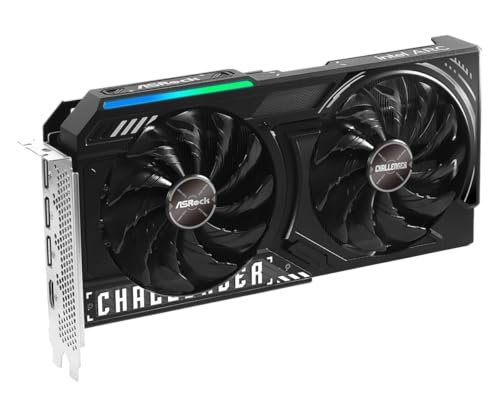
Remove the RAM sticks and graphics card carefully from their slots. Dust or a loose connection may cause the black screen. Clean the contacts gently and put them back firmly. This simple step often solves startup problems quickly.
Check For Overheating
Overheating can stop your PC from starting properly. Make sure fans are running and vents are clear. Clean dust inside the case to improve airflow. Use a temperature monitoring tool to check if parts get too hot.
Test Power Supply Unit
The power supply unit (PSU) gives electricity to your PC parts. A faulty PSU can cause a black screen. Test the PSU using a multimeter or swap it with a working one. Replace it if it cannot supply stable power.
Replace Faulty Components
If problems continue, some hardware parts may be broken. Replace damaged RAM, graphics cards, or the motherboard if needed. Use compatible parts to avoid further issues. Testing each component helps find the exact cause.

Credit: www.youtube.com
Resolving Software Issues
Software problems often cause a PC to show a black screen on startup. Fixing these issues can bring your computer back to life. Below are simple steps to resolve common software glitches that block your PC from starting properly.
Boot Into Safe Mode
Safe Mode starts your PC with only essential programs. It helps check if third-party software causes the black screen. To enter Safe Mode, restart your PC and press the F8 key repeatedly before Windows loads. Choose “Safe Mode” from the menu. If the screen works fine in Safe Mode, software conflicts likely cause the problem.
Update Or Roll Back Drivers
Outdated or faulty drivers can cause startup issues. Device drivers control hardware like the graphics card. Use Device Manager to update drivers to the latest version. If the problem started after a recent update, roll back the driver to the previous version. This often solves black screen errors linked to driver problems.
Run System Restore
System Restore lets you undo recent system changes. It returns your PC to a working state. Open System Restore from Safe Mode or recovery options. Pick a restore point from before the black screen started. This method fixes software errors without affecting personal files.
Scan For Malware
Malware can damage system files and cause startup failures. Run a full antivirus scan to find and remove harmful programs. Use trusted antivirus software in Safe Mode for better results. Cleaning malware often clears the black screen issue caused by infection.
Advanced Solutions
Advanced solutions help fix black screen issues that simple steps can’t solve. These methods need more care and some computer knowledge. They target deeper problems like system settings and software errors. Follow each step carefully for the best results.
Reset Bios Settings
Resetting BIOS can fix hardware conflicts causing black screens. Turn off your PC and unplug it. Open the case and find the CMOS battery on the motherboard. Remove it for about five minutes. Put the battery back and close the case. Turn on the PC to see if the screen appears.
This step clears all BIOS settings to default. It helps if a wrong setting caused the problem.
Repair Corrupted System Files
Corrupted files can stop Windows from starting properly. Use the Command Prompt to fix them. Boot your PC from a Windows installation disk or USB. Choose “Repair your computer,” then open Command Prompt. Type sfc /scannow and press Enter. This tool scans and fixes damaged files automatically.
Wait for the process to finish. Restart your PC to check if the screen works.
Reinstall Operating System
Reinstalling Windows can solve serious software issues causing black screens. Back up your important files first. Use a Windows installation media to start the process. Follow the on-screen steps to delete the old system and install a fresh copy.
This method removes all errors but wipes your data. Use it only if other fixes fail.
Preventive Tips
Preventing a black screen on startup saves time and stress. Simple steps keep your PC healthy and reliable. Practice these tips regularly to avoid common issues that cause black screens.
Regular Hardware Maintenance
Check hardware parts often to spot problems early. Clean dust from fans, vents, and internal components. Loose cables and connectors can cause startup issues. Tighten or reseat them carefully. Replace old or failing parts to keep your PC running smoothly.
Keep Software Updated
Update your operating system and drivers regularly. Updates fix bugs and improve system stability. Use trusted sources to download updates. Avoid outdated software that can cause conflicts. Running the latest versions helps prevent black screen errors.
Backup Important Data
Save important files to external drives or cloud storage. Backups protect your data from unexpected failures. Schedule regular backups to keep copies current. Easy access to backups reduces stress during PC problems. Always have a backup plan ready.

Credit: www.youtube.com
Frequently Asked Questions
Why Does My Pc Show A Black Screen On Startup?
A black screen can result from hardware issues, corrupted drivers, or BIOS errors. It often means the system fails to display the startup process properly.
How Can I Fix A Black Screen On Pc Startup?
Check all cables, restart your PC, update drivers, and reset BIOS settings. These steps often resolve common black screen problems.
Can Faulty Hardware Cause A Black Screen On Startup?
Yes, damaged RAM, GPU, or motherboard can cause a black screen. Testing and replacing faulty hardware usually fixes the issue.
Is A Black Screen Related To Software Or Os Issues?
Sometimes, yes. Corrupted system files or incompatible updates can cause startup failures and black screens.
Conclusion
A black screen on startup can feel frustrating and confusing. Start by checking your cables and power supply. Try simple steps like unplugging and restarting your PC. Look for any loose or damaged parts inside the computer. If the problem stays, testing your monitor or graphics card helps.
These fixes often solve the issue quickly. Taking small actions can save you time and money. Stay calm and follow the steps carefully. Your PC can be up and running soon. Don’t give up—solutions are within reach.