Is Airflow More Important Than Looks? Discover the Truth!
When you think about your home, your car, or even your clothes, what matters more to you: how they look or how well they let air move? You might not realize it, but airflow can change everything—from your comfort to your health.
Imagine a space that feels fresh and cool, or a design that keeps things from getting stuffy and uncomfortable. This isn’t just about style; it’s about how you experience your environment every day. Keep reading to discover why airflow might just be more important than looks, and how focusing on it can make a big difference in your life.
Airflow Basics
Understanding airflow is key to making smart choices about design and function. Airflow Basics explain how air moves through spaces or objects. This movement affects comfort, health, and performance.
Good airflow improves air quality and reduces stuffiness. It also helps control temperature and moisture. This section breaks down the simple facts about airflow and why it matters.
What Is Airflow?
Airflow is the movement of air from one place to another. It happens naturally or with help from fans or vents. Air moves through open spaces, windows, and gaps.
This flow carries fresh air in and pushes stale air out. It can be strong or gentle, depending on the space and design.
Why Airflow Matters
Airflow keeps indoor spaces fresh and healthy. It removes bad smells and harmful particles. Proper airflow also lowers humidity, stopping mold growth.
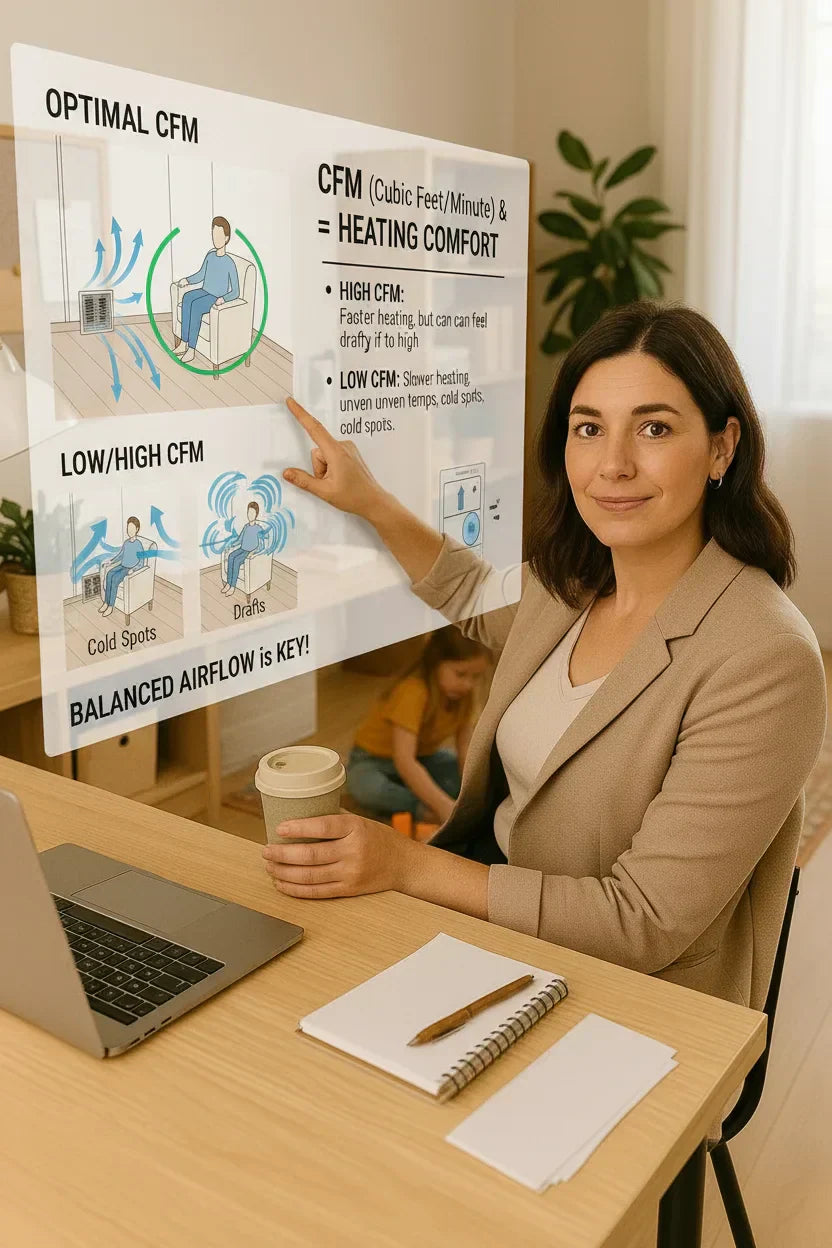
For devices and rooms, it stops overheating. This protects equipment and improves safety. Airflow also makes spaces more comfortable to live or work in.
Credit: thefurnaceoutlet.com
The Role Of Aesthetics
Aesthetics plays a key role in how we perceive designs. It shapes our first impression and emotional response. Good looks can attract attention and create a positive feeling. Yet, looks alone do not define the entire value of an object or space.
In many cases, appearance and function must work together. A beautiful design without purpose can feel hollow. On the other hand, a highly functional design that ignores style may seem dull or unattractive. Understanding the role of aesthetics helps balance these two parts.
Impact Of Looks On Design
Looks influence how people interact with a design. A pleasant appearance invites use and care. It can increase comfort and satisfaction. Designs that look good often feel more trustworthy and valuable. This impact can be strong in homes, products, or public spaces.
Visual appeal can also inspire creativity and mood. Spaces that look fresh and open feel more relaxing. Colors, shapes, and textures all affect the overall impression. Designers use these elements to guide attention and set tone.
Balancing Style And Function
Style and function must support each other for success. A design should not sacrifice airflow for looks. Good airflow improves comfort, health, and efficiency. At the same time, style makes the space inviting and unique.
Finding this balance takes skill and thought. Designers must consider both needs equally. Practical features can blend with elegant forms. This approach leads to designs that feel complete and well-planned.
Airflow Vs Looks In Different Contexts
Airflow and looks both matter, but their importance changes by context. In some cases, airflow is vital for function and comfort. In others, the design and style take the lead. Understanding these differences helps make better choices in daily life. Let’s explore how airflow compares to looks in various settings.
Electronics And Gadgets
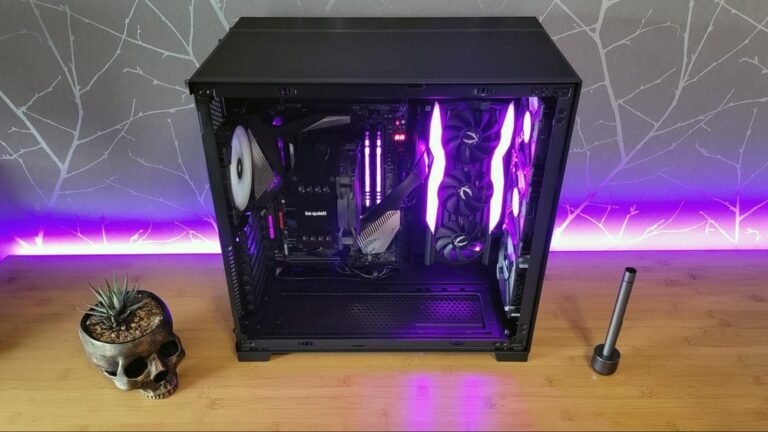
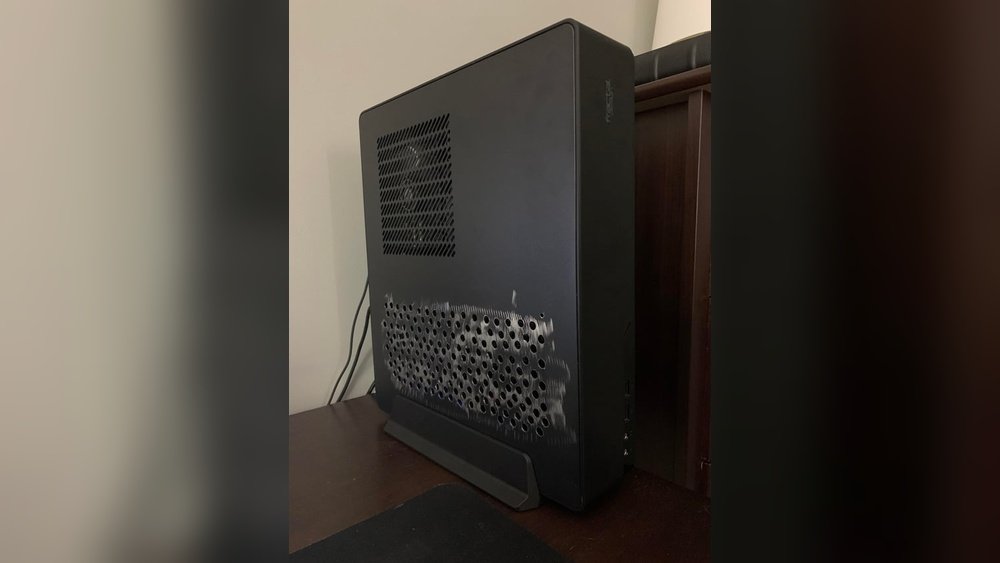
Airflow is key in electronics. Devices like computers and gaming consoles need good airflow to avoid overheating. Poor airflow can cause damage and reduce performance. Looks matter, but they come after keeping gadgets cool. Designers balance airflow with sleek styles to keep devices safe and attractive.
Home And Office Spaces
In homes and offices, airflow impacts air quality and comfort. Proper ventilation helps remove odors and moisture. It also controls temperature naturally. Looks matter for furniture and decor, but airflow affects health and mood more. Good airflow creates a fresh and pleasant environment.
Fashion And Wearables
In fashion, looks often take priority. Style and appearance drive choices. Still, airflow matters for comfort, especially in activewear. Breathable fabrics keep wearers cool and dry. Designers combine airflow features with trendy designs to satisfy both needs. Comfort and style can work well together.

Credit: lepaystchad.com
Benefits Of Prioritizing Airflow
Prioritizing airflow in any space brings many benefits. It helps improve how well things work. It also makes the area more comfortable and healthy. Plus, it can save money on energy bills. Understanding these benefits shows why airflow matters more than looks.
Performance Improvements
Good airflow helps machines and systems work better. It keeps engines and electronics cool. This prevents them from overheating and breaking down. Airflow also helps remove dust and dirt, which can slow things down. Better airflow means longer life and fewer repairs.
Health And Comfort
Fresh air is key for health. It lowers the chance of mold and mildew growth. Proper airflow reduces humidity, making rooms feel cooler. It helps remove bad smells and airborne germs. People feel more comfortable and breathe easier in well-ventilated spaces.
Energy Efficiency
Airflow affects how much energy is used. Good ventilation means heating and cooling systems run less. This lowers electricity and fuel costs. It helps maintain a steady temperature without extra effort. Saving energy is better for the planet and your wallet.
When Looks Take The Lead
Sometimes, how something looks matters more than how it works. This happens when people notice design before function. Appearance can draw attention and create a strong first impression. It shapes feelings and ideas about a product or place. When looks take the lead, they guide choices and shape opinions.
Brand Identity
Looks help build a brand’s identity. Colors, shapes, and style tell a story. They make a brand easy to recognize. A neat, attractive design can make people trust a brand. It shows professionalism and care. Brands often choose looks to stand out from others.
User Experience
Users enjoy designs that look good and feel good. A clean, simple look can make tasks easier. People like using products that look inviting. Good design reduces confusion and frustration. Looks can guide users on what to do next. A nice appearance can make users return.
Market Trends
Trends influence what looks popular at the time. Many brands change their looks to follow trends. This keeps them fresh and relevant. Trends can affect customer choices and sales. Staying trendy can attract new buyers quickly. But trends change fast, so brands must adapt.
Finding The Sweet Spot
Finding the sweet spot between airflow and looks is key to great design. Good airflow keeps spaces fresh and comfortable. Attractive design makes places inviting and pleasant. Balancing both creates healthy and beautiful environments.
Design Strategies
Start with open layouts that encourage air movement. Use windows and vents placed across the room. Choose materials that help air flow easily. Avoid heavy curtains or blockages near air sources. Simple shapes often help air travel better. Think about how people use the space daily. Design should support natural air paths and ease of cleaning.
Innovative Solutions
Technology offers smart fans and air purifiers that blend well. Hidden vents or slim air ducts keep walls neat. Green walls and plants improve air quality and look nice. Use light colors to make spaces feel airy and open. Compact air systems can fit tight spaces without hurting design. Small changes can boost airflow without losing style.
Case Studies
One office used glass walls and ceiling vents to improve airflow. Staff felt more alert and comfortable all day. A home added skylights and cross windows for fresh air and sunlight. The space looked bright and felt cooler without AC. A cafe combined fans with natural plants for a cozy feel. Customers enjoyed the fresh air and attractive setting.

Credit: www.reddit.com
Frequently Asked Questions
Is Airflow More Crucial Than Appearance In Design?
Airflow ensures proper ventilation, enhancing comfort and health. While appearance attracts attention, poor airflow can cause discomfort and damage. Balancing airflow with looks creates functional and stylish spaces.
How Does Airflow Impact Indoor Comfort?
Good airflow regulates temperature and reduces humidity. It prevents mold growth and removes pollutants. Proper ventilation improves air quality, making indoor spaces healthier and more comfortable.
Can Aesthetics Compromise Airflow Efficiency?
Yes, focusing solely on aesthetics may block vents or restrict airflow. Designs must integrate ventilation paths to maintain air circulation without sacrificing style. Effective airflow and beauty can coexist with smart planning.
Why Prioritize Airflow In Building Designs?
Airflow maintains fresh air, controls temperature, and reduces energy use. Prioritizing airflow improves occupants’ health and comfort. It also preserves building materials by preventing moisture buildup.
Conclusion
Airflow often impacts comfort more than looks do. Good airflow keeps spaces fresh and healthy. Designs that ignore airflow can feel stuffy and hot. Balancing style and airflow creates better living areas. Choose options that let air move freely and look nice.
Remember, a space feels better when it breathes well. Comfort matters as much as appearance. Think about airflow first, then add style. This way, your space stays pleasant and inviting.