Could Not Select Device Driver With Capabilities Gpu: Fix Fast
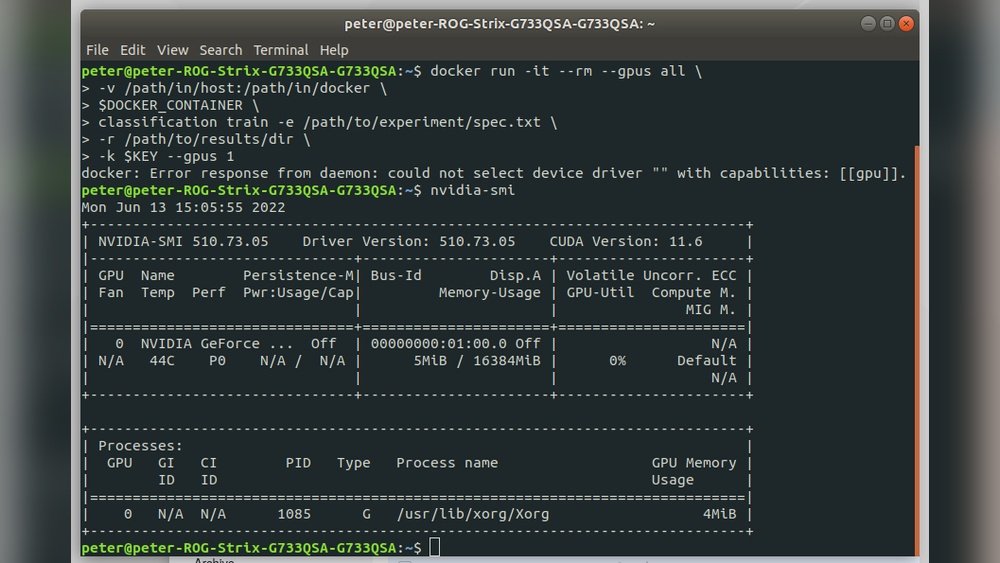
Have you ever faced the frustrating message, “Could Not Select Device Driver With Capabilities GPU,” when trying to run a program or game? If so, you’re not alone.
This issue can stop your system from using your graphics card properly, causing slow performance or even crashes. But don’t worry—understanding why this happens and how to fix it is easier than you think. Keep reading, and you’ll discover simple, clear steps to get your GPU working smoothly again.
Your computer’s full power is just a few clicks away.

Credit: forums.developer.nvidia.com
Common Causes Of Driver Selection Errors
Driver selection errors happen when the system cannot find or use the right GPU driver. These errors stop your computer from using the graphics card properly. Understanding the common causes helps fix the problem fast. Below are the main reasons why driver selection errors occur.
Incompatible Gpu Drivers
Drivers must match your GPU model exactly. Using wrong or outdated drivers causes errors. New GPUs need the latest drivers to work well. Old drivers may lack support for new hardware features. Installing correct drivers fixes many issues.
Operating System Conflicts
Some drivers do not work well with certain operating system versions. An OS update may break driver compatibility. Missing system updates can also cause conflicts. Ensuring your OS and drivers are compatible prevents errors. Always check for OS support before installing drivers.
Hardware Recognition Issues
The system may fail to recognize the GPU properly. Loose connections or faulty hardware cause this problem. BIOS settings can block GPU detection too. Checking hardware connections and BIOS options helps. Proper recognition is key for driver selection to succeed.
Credit: github.com
Checking Gpu Compatibility
Checking GPU compatibility is the first step in solving the “Could Not Select Device Driver With Capabilities GPU” issue. It helps ensure your graphics card works well with your software and drivers. This saves time and avoids confusion.
Verifying Gpu Model Support
Start by confirming your GPU model is supported by the software. Visit the official website of the software or hardware. Look for a list of supported GPU models. If your GPU is not on the list, it might cause errors.
Check the exact model number of your GPU in your computer settings. Compare it with the supported models. Some older or uncommon GPUs may not have full driver support. This step prevents unnecessary troubleshooting.
Reviewing Software Requirements
Check the software requirements carefully. Note the minimum GPU capability needed. This includes VRAM size, driver version, and GPU features. Using a GPU that does not meet these requirements triggers compatibility errors.
Update your GPU drivers to the latest version. Some software needs specific driver versions to work properly. Use the GPU manufacturer’s website for safe driver downloads. This step often fixes many GPU-related problems.
Updating And Reinstalling Gpu Drivers
Updating and reinstalling GPU drivers is a key step to fix many graphics-related issues. Drivers help your computer talk to the graphics card. Old or broken drivers can cause errors like “Could Not Select Device Driver With Capabilities GPU.” Keeping drivers fresh ensures better performance and fewer bugs.
Sometimes, a simple update is enough. Other times, a full reinstall clears out problems. This section covers how to download the latest drivers, perform a clean installation, and use tools to update drivers easily.
Downloading Latest Drivers
Start by visiting the official website of your GPU maker. Common brands include NVIDIA, AMD, and Intel. Find the driver download page. Enter your graphics card model and operating system.
Download the newest driver version available. New drivers often include fixes and improvements. Avoid third-party sites to reduce risk of malware. Save the file in an easy-to-find folder.
Clean Installation Process
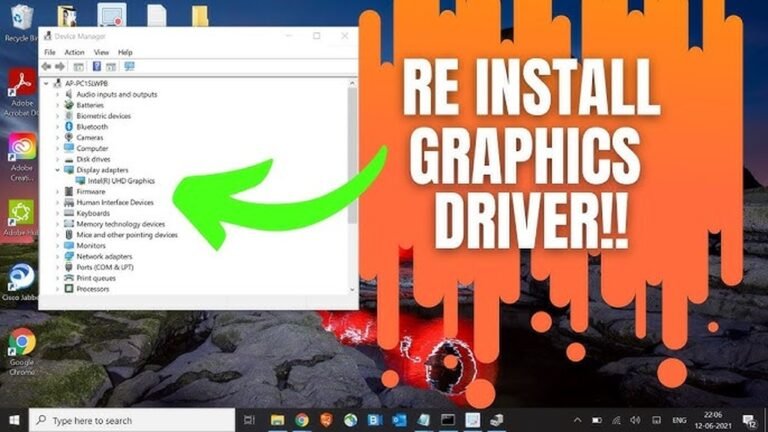
Uninstall the current GPU drivers before installing new ones. Use the Windows Device Manager or a driver removal tool. This prevents conflicts between old and new drivers.
Restart your computer. Run the driver installer you downloaded. Choose the “Custom” or “Advanced” option if available. Select “Clean Installation” to remove old files.
Follow on-screen instructions. After installation, reboot your system again. This ensures the new driver works properly.
Using Driver Update Tools
Driver update tools can simplify the process. They scan your system and find outdated drivers. Many tools offer one-click updates.
Pick a trusted tool with good reviews. Avoid software that asks for unnecessary permissions or fees. Always back up your system before running updates.
These tools save time and reduce errors. They also help keep all drivers current, not just the GPU ones.
Credit: github.com
Adjusting System Settings
Adjusting system settings can solve the issue of not selecting a device driver with GPU capabilities. Small changes in settings often fix driver conflicts. This helps your computer recognize and use the GPU properly.
Configuring Device Manager
Open Device Manager to check your hardware. Find the GPU under the Display Adapters section. Right-click the GPU and select Update Driver. Choose the option to search automatically for updated drivers. This helps install the correct driver for your GPU.
Sometimes, uninstalling and reinstalling the driver can help. Right-click the GPU and select Uninstall Device. Restart your computer to reinstall the driver automatically. This can clear errors and improve device recognition.
Disabling Conflicting Devices
Conflicting devices can stop the GPU driver from working. Look for devices with a yellow warning icon in Device Manager. Right-click these devices and choose Disable Device. This prevents conflicts and allows the GPU driver to work.
Disabling unused devices, like integrated graphics, can also help. It frees resources and avoids driver clashes. Always enable the devices again if problems persist.
Resolving Software Configuration Issues
Resolving software configuration issues is key to fixing the “Could Not Select Device Driver With Capabilities GPU” error. Problems in settings often cause the GPU to not work properly. Adjusting these settings can help the system recognize the right driver and improve performance.
Small changes in software preferences often solve the problem fast. This section explains two main ways to fix these issues: modifying application settings and resetting GPU preferences. Both steps are simple and can help your device use the GPU correctly.
Modifying Application Settings
Many programs have their own graphics settings. These settings can block the use of your GPU. Check the application’s options menu for graphics or hardware acceleration settings. Turn on GPU acceleration if it is off. Sometimes, switching between integrated and dedicated GPU options helps.
Changing the settings to allow the app to use the GPU is important. Save the changes and restart the app. This often lets the software detect the correct GPU driver. Doing this fixes errors and boosts app speed and smoothness.
Resetting Gpu Preferences
Resetting GPU preferences clears conflicts between drivers and software. This step restores default settings for your graphics hardware. On Windows, open the graphics control panel. Find the option to reset preferences or restore defaults. Click it and confirm the reset.
After the reset, restart your computer. This lets the system reload GPU drivers fresh. It removes any bad settings that stopped the GPU from working. Resetting preferences can fix recognition issues and improve stability.
Advanced Troubleshooting Steps
Advanced troubleshooting helps fix the “Could Not Select Device Driver With Capabilities GPU” error. This section guides you through steps beyond basic fixes. These methods dive deeper into system settings and tools.
Follow these instructions carefully. They can solve issues related to hardware recognition and driver conflicts.
Checking Bios/uefi Settings
Access your BIOS or UEFI during system startup. Look for settings related to graphics or video configuration.
Ensure the GPU is enabled and set as the primary display device. Disable integrated graphics if necessary. Save changes and restart the computer. This step can help the system detect the correct GPU driver.
Updating System Firmware
Firmware updates improve hardware compatibility and performance. Visit your motherboard or laptop manufacturer’s website. Download the latest BIOS or UEFI update available for your model.
Follow the update instructions precisely. Firmware updates often resolve device driver selection problems. Keep your system powered during the entire update process to avoid damage.
Using Diagnostic Tools
Run GPU diagnostic tools provided by the manufacturer or third-party developers. These tools check hardware status and driver issues.
They identify problems that may prevent the driver from loading properly. Use the results to guide further troubleshooting or contact support with detailed information.
Preventing Future Driver Issues
Preventing future driver issues is key to keeping your GPU and system running smoothly. Problems selecting the correct device driver can cause delays and reduce performance. Taking simple steps can avoid these headaches and keep your computer stable.
Regular Driver Maintenance
Check your GPU drivers often. Outdated drivers cause errors and slowdowns. Update drivers from official sources only. Clean old drivers before installing new ones. This prevents conflicts and keeps your system clean. Use tools like Device Manager to manage your drivers easily.
Monitoring System Updates
System updates often include important driver fixes. Enable automatic updates to get these fixes fast. Check update notes for GPU driver changes. Sometimes updates can cause problems, so back up data first. Stay aware of updates from your GPU maker for best results.
Frequently Asked Questions
What Causes “could Not Select Device Driver With Capabilities Gpu”?
This error occurs when the system fails to find a compatible GPU driver. It can be due to outdated drivers, incompatible hardware, or incorrect software settings.
How To Fix The Gpu Driver Selection Error Quickly?
Update your GPU drivers from the official website. Ensure hardware compatibility and check software configurations for proper device recognition.
Can Outdated Gpu Drivers Cause This Device Driver Error?
Yes, outdated drivers often cause compatibility issues. Keeping your GPU drivers updated helps prevent this error and improves system performance.
Does This Error Affect Gpu Performance Or Functionality?
Yes, the error can prevent the GPU from working correctly. Fixing it ensures your GPU runs smoothly and supports necessary applications.
Conclusion
Solving the “Could Not Select Device Driver With Capabilities GPU” error needs patience. Check your GPU drivers carefully. Make sure they match your system and software needs. Restart your computer after updates. This often fixes many problems. Keep your system and drivers updated regularly.
Doing this helps avoid future errors. Small steps lead to smoother GPU performance. Stay calm and follow these tips for better results.