Does Cinebench Test Gpu: Ultimate Guide to Benchmark Accuracy
Are you wondering if Cinebench can test your GPU? You’re not alone.
Many people use Cinebench to check their computer’s performance but get confused about what it actually measures. Knowing whether Cinebench tests your GPU is key to understanding your system’s true power. You’ll discover exactly what Cinebench does, how it works, and why it matters for your computer setup.
Keep reading to get clear answers and make smarter decisions about your hardware.
Cinebench Basics
Cinebench Basics gives a clear look at what this test does. It helps check the power of your computer’s processor. Many people want to know if Cinebench also tests the graphics card. Understanding the basics helps answer this question.
This section explains what Cinebench measures and its history. Knowing this helps users see how this tool fits in testing hardware.
What Cinebench Measures
Cinebench mainly tests the CPU or processor. It runs a 3D scene and measures how fast the CPU renders it. The test shows how well the processor handles complex tasks.
Cinebench does not test the GPU or graphics card for gaming or graphics speed. It focuses on the CPU’s ability to handle rendering work. This means it measures the processor’s strength, not the graphics card’s.
History And Development
Cinebench was created by Maxon, a software company. It started as a tool to test CPUs using their 3D rendering engine. Over time, it became popular for comparing processor speeds.
Each version improved the test and added new features. But the core focus stayed on measuring CPU performance. Cinebench remains a trusted tool for many users and professionals.
Credit: www.shoshitamam.com
Cpu Vs Gpu Testing
Understanding the difference between CPU and GPU testing helps choose the right benchmark tool. CPUs and GPUs have different roles in a computer. CPUs handle general tasks and complex calculations. GPUs focus on graphics and parallel processing. Testing each requires different methods and tools.
Many users wonder if Cinebench tests the GPU or only the CPU. Knowing this helps to interpret the benchmark results correctly. The following sections explain Cinebench’s focus and its GPU testing abilities.
Primary Focus Of Cinebench
Cinebench mainly tests the CPU’s performance. It measures how fast the processor renders 3D scenes. The test uses the CPU cores to complete the rendering task. It shows how well a CPU handles multithreaded workloads.
The benchmark gives a score based on the CPU’s rendering speed. This score helps compare different processors. Cinebench does not use the GPU for this test. Its purpose is to evaluate CPU power only.
Gpu Testing Capabilities
Cinebench does not test the GPU for gaming or graphics tasks. It focuses on CPU rendering performance. The benchmark does not measure GPU speed or efficiency. Other tools like 3DMark or Unigine Heaven test GPUs.
Users needing GPU tests should use dedicated GPU benchmarking software. Cinebench’s GPU usage is minimal or none during tests. The score reflects the CPU’s strength, not the graphics card.
Cinebench Gpu Benchmarks
Cinebench is popular for testing CPU performance. It also offers some tests for GPUs. These tests measure how well a graphics card handles certain tasks. The results help compare different GPUs in real-world scenarios.
The focus is mostly on rendering tasks using OpenGL or Vulkan. These tests show how a GPU performs in 3D graphics and video work. Users can see if their GPU is strong enough for specific jobs.
Available Gpu Tests
Cinebench provides GPU tests mainly through the OpenGL benchmark. This test runs a complex 3D scene. It measures the frames per second (FPS) the GPU can deliver. Higher FPS means better GPU performance.
Newer versions may include Vulkan tests. Vulkan is a modern graphics API used in many games and apps. These tests give a more current view of GPU power. Users get scores that compare their GPU to others easily.
Limitations And Constraints
Cinebench focuses more on CPU than GPU. Its GPU tests are limited to specific APIs like OpenGL and Vulkan. This means it does not cover all real-world GPU tasks.
The test scenes are fixed and may not reflect all gaming or software uses. Also, it does not test GPU memory or power consumption. Users should use Cinebench GPU scores with other tests for a full view.
Credit: www.shoshitamam.com
Benchmark Accuracy Factors
Benchmark accuracy depends on many factors that affect results. Understanding these factors helps interpret Cinebench scores better. Small changes in hardware or software can shift the performance numbers. Thermal and power limits also play a big role. Let’s explore key areas that influence Cinebench’s accuracy.
Hardware Variability
Different CPUs and GPUs vary in speed and architecture. Even the same model can perform differently due to manufacturing differences. RAM speed and storage type also impact scores. A faster SSD or more memory can improve results slightly. Benchmark scores reflect the whole system, not just one part.
Software And Driver Influence
Drivers control hardware and affect performance. New driver updates can boost or reduce Cinebench scores. Operating system settings and background processes also matter. Running other programs during the test can lower results. Using the latest drivers and a clean system helps get accurate scores.
Thermal And Power Considerations
Overheating causes hardware to slow down to protect itself. This lowers benchmark scores during long tests. Power limits set by the system or BIOS can restrict performance. Cooling solutions impact how well hardware maintains speed. Good cooling and stable power settings ensure consistent Cinebench results.
Comparing Cinebench With Other Tools
Cinebench is a well-known tool for testing computer performance. It mainly measures CPU power but also includes some GPU tests. Comparing Cinebench with other GPU benchmarks helps understand its role. Many tools exist that focus on graphics card strength. Each tool has unique features and limits.
Exploring popular GPU benchmarks helps see Cinebench’s place in the market. Knowing strengths and weaknesses guides users to choose the right tool for their needs.
Popular Gpu Benchmarks
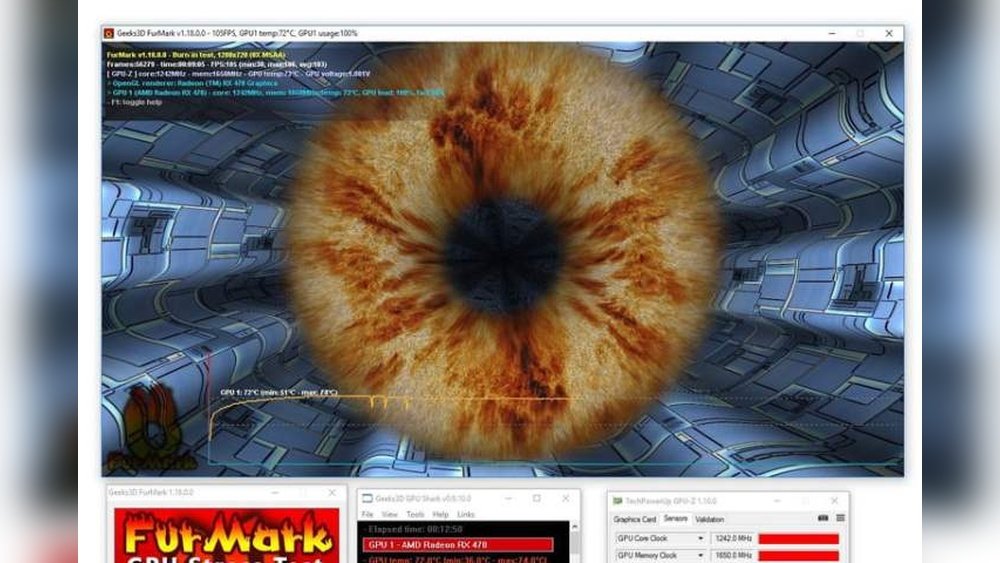
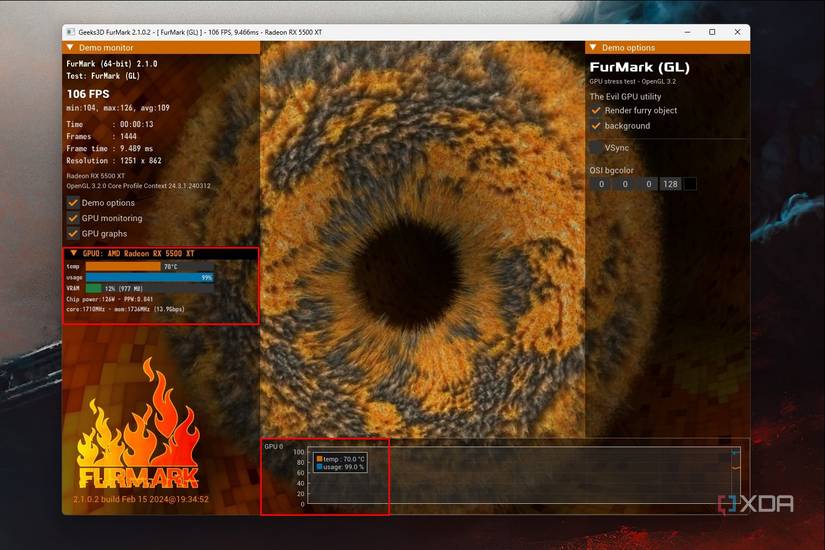
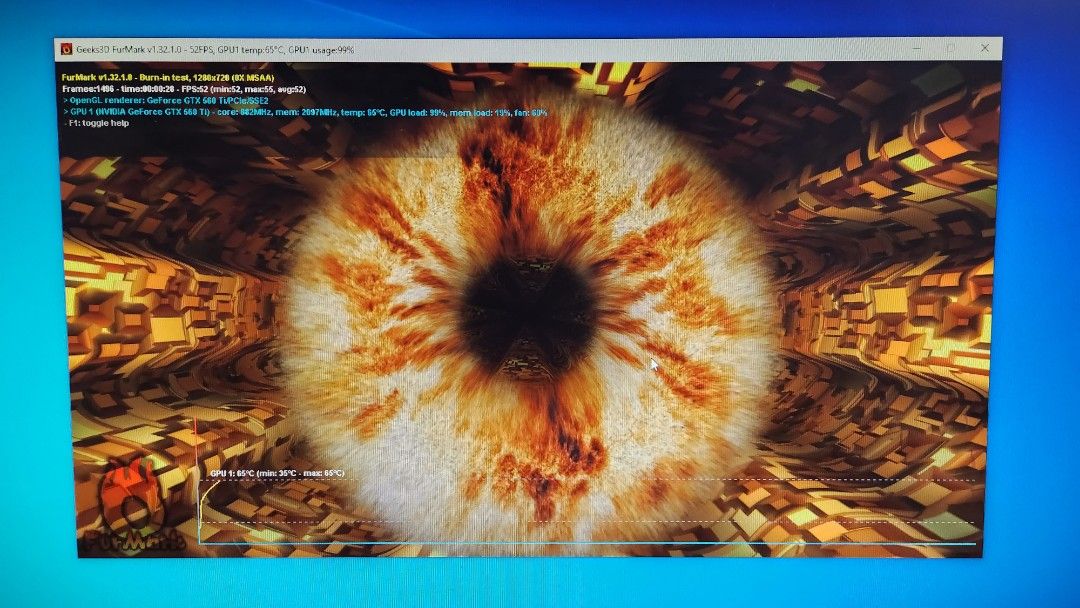
3DMark is famous for detailed GPU testing with various game-like scenes. It tests performance in different settings like DirectX 11 and 12. Unigine Heaven and Superposition offer real-time graphics tests with beautiful visuals. FurMark stresses the GPU to check stability and temperature under load. These tools focus solely on GPU performance. Cinebench offers OpenGL testing but is less detailed in graphics tests.
Strengths And Weaknesses
Cinebench shines in testing CPU power with simple GPU tests included. It is free, easy to use, and quick. Its GPU test uses OpenGL, which may not reflect modern gaming loads well. Other benchmarks like 3DMark provide detailed, game-like GPU tests. Cinebench lacks features to test ray tracing or VR performance. It is best for quick checks, not deep GPU analysis. Choosing a tool depends on testing needs and hardware.
Practical Tips For Benchmarking
Benchmarking your computer helps measure its performance. Proper benchmarking shows clear results. Poor setup can give wrong data. Follow practical tips to get the best from Cinebench tests.
Setting Up Tests Correctly
Close all programs before starting the test. This frees up system resources. Make sure your system is cool and not overheating. Run Cinebench in the default mode for consistent results. Avoid running other heavy tasks during the test.
Interpreting Results
Cinebench scores reflect CPU power, not GPU. The OpenGL test measures GPU but is less used now. Compare scores with similar systems for context. Look for big differences, which may indicate issues. Use multiple tests to confirm your findings.
Avoiding Common Mistakes
Do not run tests on battery power; plug in your laptop. Avoid multitasking during the benchmark. Restart your PC before testing for a fresh start. Don’t compare scores from different Cinebench versions. Always update the software to the latest release.
Credit: www.reddit.com
Frequently Asked Questions
Does Cinebench Test Gpu Performance?
Cinebench primarily tests CPU performance using rendering tasks. It does include a GPU test in Cinebench R23, which measures OpenGL graphics performance. However, its main focus remains on CPU benchmarking rather than detailed GPU analysis.
Can Cinebench Benchmark Gaming Gpus Accurately?
Cinebench’s GPU test evaluates OpenGL capabilities but is not designed for gaming GPU benchmarks. For gaming performance, tools like 3DMark or Unigine Heaven provide more relevant and detailed results.
Is Cinebench Reliable For Gpu Stress Testing?
Cinebench offers a basic GPU test but is not ideal for stress testing. Dedicated GPU stress tests like FurMark or MSI Kombustor are better suited for thorough GPU stability checks.
Which Cinebench Version Includes Gpu Testing?
Cinebench R23 includes a GPU test that measures OpenGL performance. Earlier versions mainly focused on CPU rendering tests without dedicated GPU benchmarking.
Conclusion
Cinebench mainly tests the CPU, not the GPU. It shows how well your processor handles tasks. The GPU gets little to no focus in this test. For better GPU results, try other tools made for graphics cards. Remember, knowing what each test measures helps you choose the right one.
This way, you get clear and useful performance information. Keep testing smart to improve your computer’s power step by step.