How to Reload Gpu: Quick and Easy Steps for Optimal Performance
Struggling with a slow or unresponsive GPU can be frustrating, especially when you need your graphics card to perform at its best. If you’ve noticed glitches, crashes, or lag during gaming or heavy tasks, it might be time to reload your GPU.
But what does reloading a GPU actually mean, and how can you do it safely and effectively? You’ll discover simple steps to refresh your graphics card’s performance, fix common issues, and get your system running smoothly again. Keep reading to unlock the secrets to a faster, more reliable GPU experience.
Why Reload Your Gpu
Reloading your GPU can improve its performance and extend its lifespan. Over time, your graphics card may slow down or show errors. Reloading the GPU resets its settings and clears temporary issues. This process helps your system run smoother and prevents crashes. Understanding why to reload your GPU helps maintain a better computer experience.
Signs Of Gpu Performance Issues
Your GPU may need reloading if you see screen flickering or artifacts. Games or videos might lag or freeze unexpectedly. The computer could also overheat or make loud fan noises. Slow graphics or crashes during heavy tasks are common signs too. These problems indicate your GPU struggles to work properly.
Benefits Of Reloading Your Gpu
Reloading fixes glitches and clears memory errors in your GPU. It improves speed and stability for better graphics output. This process can reduce overheating by resetting fan controls. Reloading also helps update drivers and optimize settings. Overall, it keeps your GPU healthy and your system responsive.
Preparing For The Reload
Preparing your GPU for a reload is a crucial step. This process ensures the reload goes smoothly. It helps avoid errors and data loss. Taking time here saves headaches later.
Backup Important Data
Start by saving all important files. Store game saves, settings, and other data. Use an external drive or cloud storage. This step protects your data from accidental loss. Double-check that backups are complete and accessible.
Check System Compatibility
Verify your computer supports the GPU reload. Check your motherboard, power supply, and BIOS versions. Make sure drivers are compatible with the new firmware. Confirm your GPU model matches the reload instructions. Skipping this can cause hardware or software issues.
Gather Necessary Tools
Collect all tools needed before starting. Common tools include a screwdriver, thermal paste, and cleaning materials. Have a static wrist strap to prevent damage. Keep a USB drive ready for firmware files. Organizing tools speeds up the process and avoids interruptions.
Step-by-step Reload Process
Reloading your GPU drivers helps fix many common graphics problems. It refreshes the software that controls your graphics card. Follow this simple step-by-step reload process to update your GPU drivers safely. Each step is clear and easy to follow.
Uninstall Current Gpu Drivers
Start by removing the old GPU drivers from your computer. Open the Control Panel and go to “Programs and Features.” Find your current GPU driver in the list. Click “Uninstall” and follow the prompts. This clears old files that may cause conflicts.
Download Latest Drivers
Visit the official website of your GPU manufacturer. Search for the latest drivers for your specific GPU model. Make sure to choose the correct version for your operating system. Download the driver file to your computer. This ensures you have the newest updates and fixes.
Install New Drivers
Open the downloaded driver file to start installation. Follow the on-screen instructions carefully. Choose the recommended installation options for best results. Wait for the installation to finish without interruption. This replaces the old driver with the updated version.
Restart Your System
After installation, reboot your computer. Restarting helps apply the new driver settings properly. It also clears temporary files from the process. Once your system is back on, the GPU reload is complete. Your graphics should now work smoother and more stable.
Credit: winbuzzer.com
Optimizing Gpu Settings
Optimizing GPU settings helps improve your computer’s graphics performance. It makes games and applications run smoother. Adjusting settings can also reduce overheating and power use. Small changes give better visuals and faster speed. Let’s explore easy ways to optimize your GPU.
Adjusting Graphics Settings
Lowering resolution or detail levels reduces GPU load. Turn off shadows or effects for better speed. Balance quality and performance based on your needs. Use presets like “Low,” “Medium,” or “High” for quick changes. Test settings to find what works best for you.
Using Gpu Management Software
Software like NVIDIA Control Panel or AMD Radeon Software controls GPU features. These apps let you tweak clock speeds and fan controls. Enable power-saving modes for less energy use. Update drivers inside the software to keep your GPU current. Use profiles to switch settings for different tasks.
Monitoring Performance
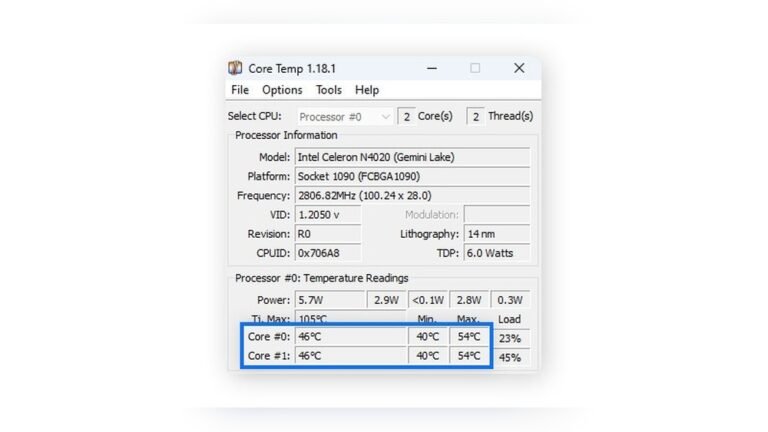
Track GPU temperature, usage, and speed with monitoring tools. Watch for overheating that can slow down your system. Use apps like MSI Afterburner or GPU-Z for real-time data. Monitoring helps spot problems early. Adjust settings if your GPU runs too hot or slow.
Troubleshooting Common Issues
Troubleshooting common issues helps keep your GPU running smoothly. Problems may arise during reloading or updating your GPU. Identifying these issues quickly saves time and frustration. The following sections cover common problems and their fixes. Use these tips to maintain your GPU’s performance.
Driver Installation Problems
Driver installation can fail for several reasons. Corrupted files or incomplete downloads cause errors. Always download drivers from the official website. Remove old drivers before installing new ones. Use a clean installation option if available. Restart your computer after installation. Check Device Manager to confirm the driver is active. If problems persist, try using a driver update tool.
Overheating And Cooling Solutions
Overheating damages your GPU and reduces performance. Dust buildup blocks airflow inside the case. Clean your PC and fans regularly with compressed air. Ensure your case has good ventilation. Use additional fans or upgrade your cooling system if needed. Monitor GPU temperature with software tools. If overheating continues, reduce GPU load or check thermal paste application.
Performance Still Low
Low performance may not always be from hardware. Check for background programs using GPU resources. Update your operating system and software. Adjust graphics settings for better balance between quality and speed. Make sure your power supply meets GPU requirements. Disable unnecessary startup programs. Run a malware scan to rule out infections affecting performance.

Credit: www.wikihow.com
Credit: www.ninjaone.com
Frequently Asked Questions
How Do I Reload My Gpu Drivers Safely?
To reload GPU drivers safely, first uninstall current drivers. Then, download the latest version from the official GPU manufacturer’s website. Finally, install the new drivers and restart your computer for proper configuration and performance improvement.
When Should I Reload My Gpu Drivers?
Reload GPU drivers if you experience crashes, glitches, or poor performance. Updating ensures compatibility with new software and fixes bugs. Regularly reloading drivers can improve gaming and rendering efficiency.
Can Reloading Gpu Improve Gaming Performance?
Yes, reloading GPU drivers can enhance gaming performance. Updated drivers optimize hardware usage and fix bugs. This results in smoother gameplay, higher frame rates, and better stability.
What Tools Help Reload Gpu Drivers Easily?
Use tools like Display Driver Uninstaller (DDU) for clean uninstallation. GPU manufacturers also offer their own software, such as NVIDIA GeForce Experience or AMD Radeon Software, for easy driver updates and reloads.
Conclusion
Reloading your GPU can fix many common problems quickly. Regular updates keep your system running smoothly. Always follow safe steps to avoid damage. Restart your computer after reloading to apply changes. This process helps improve your computer’s performance. Keep your drivers up to date for best results.
Simple care can extend your GPU’s life. Try these tips whenever your GPU acts slow or strange. Easy to do, worth the time.