How to Clear Gpu Cache: Easy Steps to Boost Performance Fast
Is your computer running slower than usual when playing games or editing videos? One common culprit might be your GPU cache.
Clearing this cache can boost your system’s performance and fix annoying glitches. If you’ve ever wondered how to clear GPU cache quickly and safely, you’re in the right place. You’ll discover simple steps that anyone can follow to refresh your graphics card and get smoother, faster results.
Keep reading, and you’ll learn how to unlock your GPU’s full potential with ease.

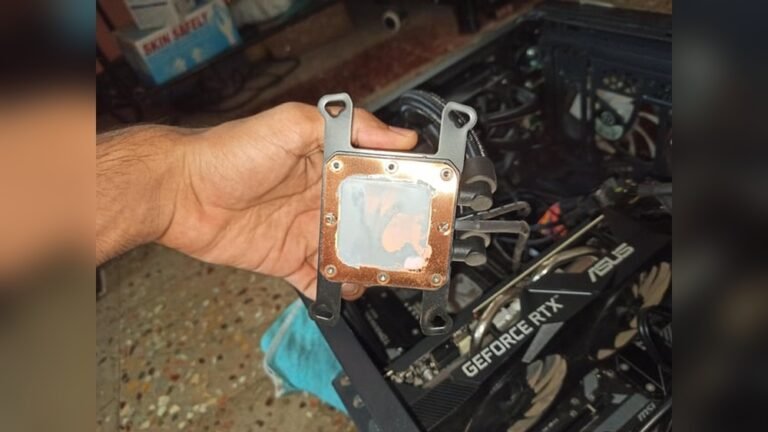
Credit: www.reddit.com
Why Clear Gpu Cache
Clearing the GPU cache is a simple step to keep your computer running smoothly. The GPU cache stores temporary data to help programs run faster. Over time, this cache can become full or corrupted. This causes slowdowns and errors.
Knowing why to clear the GPU cache helps maintain good performance. It solves common problems and keeps your graphics working well.
Impact On Performance
A full GPU cache can slow down your system. Programs take longer to load graphics. Games may lag or freeze during play. Clearing the cache frees space and speeds up tasks. It helps your GPU work more efficiently.
Common Cache Issues
Cache files can become corrupted or outdated. This leads to graphic glitches or crashes. Sometimes textures fail to load correctly. Clearing the cache removes bad files. It stops many common GPU errors from happening.
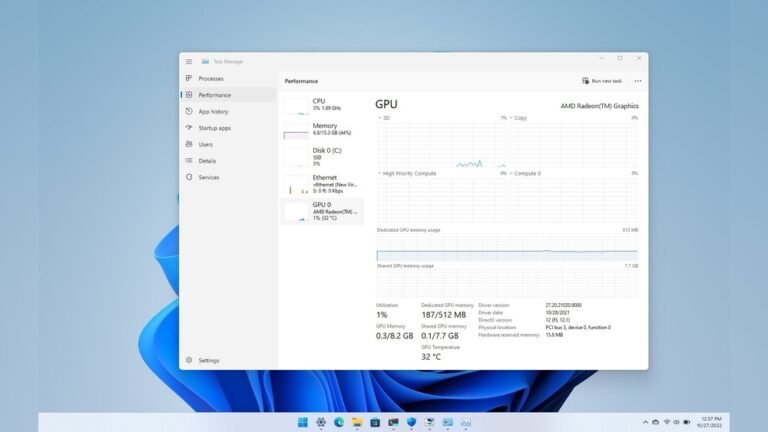
Credit: www.thewindowsclub.com
Signs You Need To Clear Gpu Cache
Clearing the GPU cache can fix many common graphics issues. The cache stores temporary data to help your GPU run faster. Over time, this data can become outdated or corrupted. This can slow down your system and cause errors. Knowing the signs helps you decide when to clear the GPU cache. Here are some key signs to watch for.
Lag And Stuttering
Games and videos may lag or freeze suddenly. Frame rates drop without a clear reason. This happens because the GPU uses old or wrong cached data. Clearing the cache can smooth out these pauses and improve performance.
Overheating Problems
The GPU gets hotter than usual during normal tasks. Fans run loudly and constantly try to cool the system. Old cache files can make the GPU work harder than needed. Clearing the cache reduces this extra load and helps lower temperatures.
Driver Errors
Graphics drivers may crash or fail to load correctly. You might see error messages about the GPU or driver. Corrupt cache files can confuse the driver software. Clearing the cache often fixes these errors and keeps your drivers stable.
Methods To Clear Gpu Cache
Clearing the GPU cache can help fix graphics issues and improve performance. Different methods exist to clear the cache based on your system and needs. Some ways are simple, others need extra tools. Understanding these methods helps you keep your GPU running smoothly.
Here are three common ways to clear the GPU cache effectively.
Using Gpu Control Panel
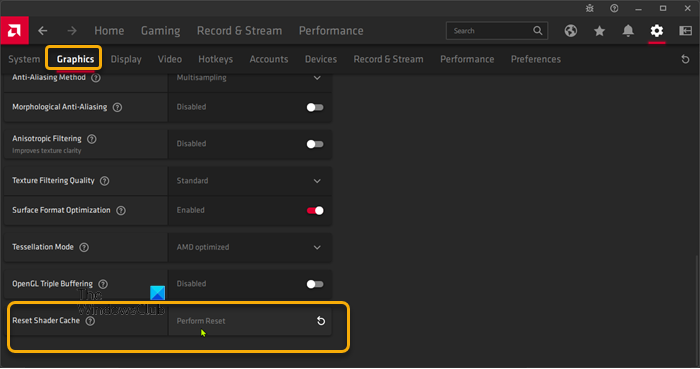
Most GPUs come with a control panel. This panel allows you to manage many settings, including cache. Open the control panel from your desktop or system tray. Look for options related to performance or cache management. Some panels let you clear the shader cache directly. This method is safe and quick.
Manual Cache Deletion
You can clear the GPU cache by deleting files manually. First, locate the cache folder on your computer. Common paths include system temp folders or specific GPU directories. Close all running applications before deleting cache files. Remove the cache files to force your GPU to rebuild them fresh. This method needs care to avoid deleting important files.
Third-party Tools
Several third-party tools can clear GPU cache for you. These tools scan your system and find cache files automatically. They offer a user-friendly interface for easy cleaning. Choose tools from trusted sources to avoid risks. Using such software saves time and reduces manual work.
Step-by-step Guide For Windows
Clearing the GPU cache can help fix graphics issues and improve performance. This guide shows how to clear the GPU cache on Windows in easy steps. Follow each part to keep your graphics running smoothly.
Accessing Gpu Settings
Start by opening your GPU control panel. Right-click on the desktop and select the option for your graphics card. Common panels include NVIDIA Control Panel or AMD Radeon Settings. This is where you find all GPU-related options.
Clearing Shader Cache
Within the GPU settings, locate the option for shader cache. This cache stores compiled shaders to speed up graphics. Find the button or setting to clear or delete the shader cache. Click it to remove old cached files safely.
Restarting Graphics Driver
After clearing the cache, restart the graphics driver to apply changes. Press Windows + Ctrl + Shift + B keys together. The screen will flicker briefly. This restarts the graphics driver without rebooting your PC.
Step-by-step Guide For Mac
Clearing the GPU cache on your Mac can help improve performance and fix graphics-related issues. This step-by-step guide will show you simple ways to reset the GPU cache quickly. Follow each step carefully to avoid any mistakes.
Resetting Gpu Cache
Start by shutting down your Mac completely. Wait a few seconds, then press the power button to turn it back on. This simple restart can clear temporary GPU cache data stored in memory.
For a deeper reset, you can reset the NVRAM. Hold down Option + Command + P + R keys immediately after turning on your Mac. Keep holding for about 20 seconds, then release. This resets settings related to GPU and display.
Using Terminal Commands
Open the Terminal app from your Applications > Utilities folder. Type the command sudo rm -rf /Library/Caches/com.apple.opengl and press Enter. This command removes the GPU cache folder.
You may need to enter your administrator password. After the command runs, restart your Mac to rebuild the cache. This method helps clear corrupted or outdated GPU cache files effectively.
Step-by-step Guide For Linux
Clearing the GPU cache on Linux can improve system performance and fix graphical issues. This guide breaks down the process into simple steps. Follow along to clear the cache safely and quickly.
Clearing Cache Via Command Line
Open the terminal on your Linux system. Use the following command to clear the GPU cache:
sudo rm -rf ~/.cache/nvidia/This command removes the cache files stored by NVIDIA drivers. For AMD GPUs, clear cache with:
rm -rf ~/.cache/mesa_shader_cache/Run these commands carefully to avoid deleting important files. This step frees up space and resets cached data.
Restarting Gpu Services
After clearing the cache, restart the GPU services to apply changes. Use this command to restart the display manager:
sudo systemctl restart display-managerThis command refreshes the GPU drivers and reloads settings. If you use a specific GPU service, restart it with:
sudo systemctl restart nvidia-persistencedRestarting services ensures smooth GPU operation and clears temporary issues.
Best Practices To Maintain Gpu Performance
Maintaining your GPU performance is key for smooth graphics and fast processing. GPUs store cache data to speed up tasks, but too much cache slows them down. Clearing this cache regularly keeps your GPU running well. Follow these best practices to protect your GPU and enjoy consistent performance.
Regular Cache Clearing Schedule
Set a fixed time to clear your GPU cache. This prevents build-up of old files that slow performance. You can clear cache weekly or biweekly, depending on use. Frequent cache clearing helps avoid lag and glitches.
Keeping Drivers Updated
Update your GPU drivers often. New drivers fix bugs and improve speed. Check for updates from your GPU maker regularly. Updated drivers work better with the latest games and apps.
Monitoring Gpu Health
Watch your GPU’s temperature and usage levels. Overheating harms performance and lifespan. Use software tools to track health stats. Act quickly if you see unusual spikes or drops.

Credit: www.youtube.com
Frequently Asked Questions
What Is Gpu Cache And Why Clear It?
GPU cache stores temporary graphics data to speed up rendering. Clearing it helps fix glitches, improve performance, and free memory.
How Do I Clear Gpu Cache On Windows?
To clear GPU cache on Windows, restart your PC or update graphics drivers. You can also use software like Disk Cleanup.
Does Clearing Gpu Cache Improve Gaming Performance?
Yes, clearing GPU cache removes corrupted data and frees memory, which can enhance gaming speed and reduce lag.
Can Clearing Gpu Cache Fix Graphics Errors?
Clearing GPU cache often resolves visual glitches and artifacts by removing outdated or corrupted temporary files.
Conclusion
Clearing your GPU cache helps keep your system running smoothly. It frees up space and can fix minor glitches. Doing this regularly improves your computer’s performance. The steps are simple and quick to follow. Remember to back up important files before you start.
Regular maintenance keeps your GPU healthy and efficient. Try clearing the cache whenever you notice slowdowns or errors. It’s a small task that makes a big difference. Stay patient and follow the instructions carefully. Your GPU will thank you with better speed and stability.