How to Measure Cpu Temp: Easy Steps for Accurate Monitoring
Are you worried your CPU might be running too hot? Knowing how to measure your CPU temperature is key to keeping your computer safe and running smoothly.
If your processor gets too warm, it can slow down, crash, or even get damaged. But don’t worry—you don’t need to be a tech expert to check this. You’ll learn simple and effective ways to measure your CPU temp quickly.
Keep reading to protect your PC and boost its performance before small heat problems turn into big headaches.
Credit: www.alcpu.com
Why Cpu Temperature Matters
CPU temperature plays a big role in your computer’s health and speed. A CPU that runs too hot can cause problems. It can slow down your computer or even cause damage. Knowing why CPU temperature matters helps you keep your system safe and fast.
Impact On Performance
High CPU temperature can slow down your computer. The CPU reduces speed to cool itself. This process is called throttling. It keeps the CPU safe but lowers performance. Programs take longer to open and run. Your computer may freeze or lag during use.
Risks Of Overheating
Overheating can damage the CPU permanently. It may cause crashes or sudden shutdowns. Over time, heat harms other parts inside the computer. It can shorten the life of your device. Avoiding high temperature helps protect your investment. Proper cooling keeps your computer stable and reliable.
Tools For Measuring Cpu Temp
Measuring your CPU temperature is important for keeping your computer safe and running well. Several tools help you check this vital info. These tools range from built-in utilities to external hardware. Each option offers different features and ease of use.
Choosing the right tool depends on your needs and comfort level. Some tools give quick, simple readings. Others provide detailed data for advanced users. Below are popular options to measure CPU temperature.
Built-in System Utilities
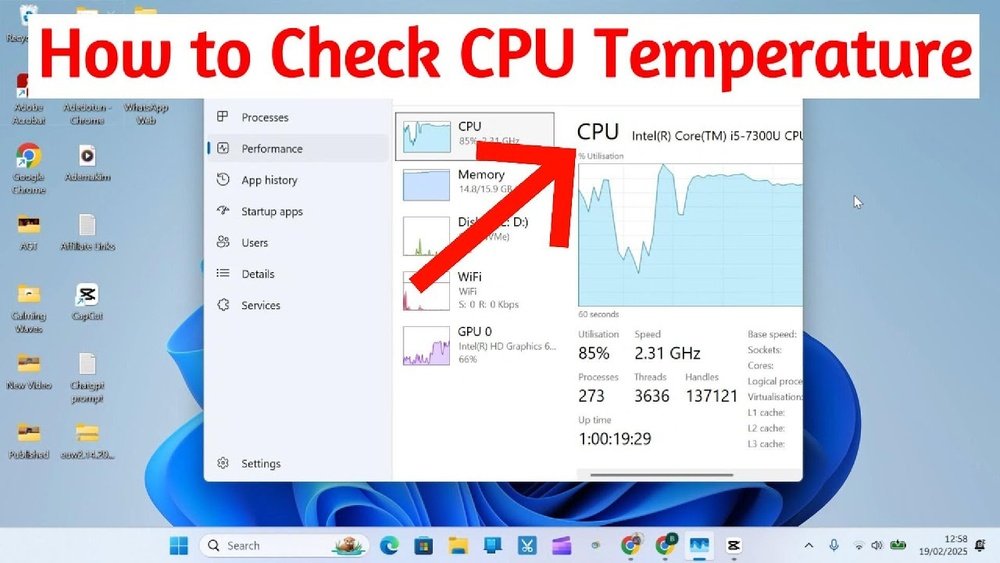
Most operating systems include tools to check CPU temperature. These tools are easy to access and free to use. For example, Windows has Task Manager and BIOS settings. Mac users can check Activity Monitor and System Information.
Built-in utilities offer basic temperature readings. They work well for casual users. No extra download or installation is needed. However, these tools may lack detailed reports or alerts.
Third-party Software Options
Many third-party programs give deeper insights into CPU temperature. These apps often show real-time data and history charts. They may also monitor fan speed and voltage.
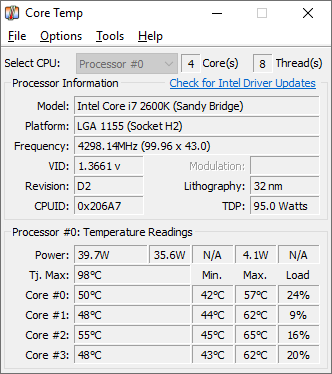
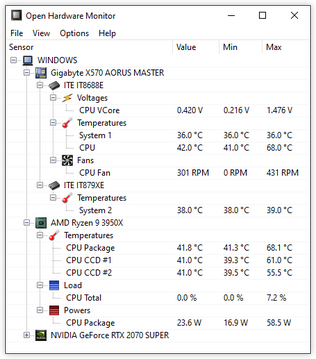
Popular software includes HWMonitor, Core Temp, and SpeedFan. These tools are free or low-cost. They suit users who want more control and info. Installation is simple and interfaces are user-friendly.
Hardware Monitoring Devices
External hardware devices connect to your PC to monitor temperature. These gadgets use sensors placed near the CPU. They provide accurate and constant temperature data.
Hardware monitors are useful for overclockers and gamers. They work independently from the operating system. Some models display temperature on small screens or via smartphone apps.
Step-by-step Cpu Temp Monitoring
Monitoring your CPU temperature helps keep your computer safe. High temperatures can cause slowdowns or damage. You can check CPU temperature in several ways. Each method gives quick and useful info. Follow these steps to measure CPU temp easily.
Accessing Bios/uefi Temperature Readings
Turn off your computer. Press the key to enter BIOS or UEFI during startup. Common keys include F2, Delete, or Esc. Look for a menu called “Hardware Monitor” or “PC Health.” You will see CPU temperature listed there. This method shows temperature before the system boots fully.
Using Software To Check Cpu Temp
Download a trusted CPU temp monitoring program. Popular choices include HWMonitor, Core Temp, and SpeedFan. Install the software and open it. The program shows real-time CPU temperature. It may also display voltage and fan speed. This method is easy and gives more detailed info.
Setting Up Real-time Monitoring
Choose software that supports real-time alerts. Set temperature limits to get warnings when it gets too hot. Some programs show temperature on your desktop or taskbar. This lets you watch CPU heat while working. Real-time monitoring helps prevent damage from overheating.
Credit: openhardwaremonitor.org
Interpreting Cpu Temperature Readings
Understanding CPU temperature readings is important to keep your computer safe. The CPU works hard and gets hot during use. Watching its temperature helps prevent damage and slowdowns. Knowing what the numbers mean guides you on when to cool down the system.
Normal Temperature Ranges
Most CPUs run safely between 30°C and 50°C when idle. Under load, temperatures can rise to 60°C or 70°C. Some high-performance CPUs may reach 80°C but should not stay there long. Checking your CPU’s normal range helps spot unusual heat levels early.
Signs Of Overheating
High CPU temperatures often cause slow computer speed. The system may freeze or restart without warning. Fans running loudly and constantly can also indicate heat issues. Watching these signs can prevent serious hardware problems.
When To Take Action
Take action if CPU temperatures stay above 80°C for long periods. Clean dust from vents and fans to improve airflow. Reapply thermal paste between the CPU and cooler if needed. Consider upgrading cooling solutions for better heat control.
Tips For Maintaining Optimal Cpu Temp
Keeping your CPU temperature low helps your computer work better and last longer. High temperatures can slow down your system or cause damage. Simple steps keep your CPU cool and running smoothly. Here are some easy tips to maintain the best CPU temperature.
Improving Airflow And Cooling
Good airflow inside your computer case moves hot air out and cool air in. Use case fans to push air through the case. Place fans at the front and rear for balanced airflow. Avoid blocking vents with cables or other parts. Keep your computer in a cool, open space, not inside a closed cabinet.
Cleaning Dust And Debris
Dust builds up on fans and vents, trapping heat. Turn off and unplug your computer before cleaning. Use a soft brush or compressed air to remove dust from fans and heatsinks. Clean the vents regularly to keep air flowing freely. Regular cleaning prevents overheating and extends your CPU’s life.
Applying Thermal Paste Correctly
Thermal paste helps heat move from the CPU to the cooler. Remove old paste before applying new paste. Use a small pea-sized amount in the center of the CPU. Spread it evenly by pressing the cooler on top. Too much or too little paste can cause poor heat transfer.

Credit: softwareg.com.au
Frequently Asked Questions
How Can I Check My Cpu Temperature On Windows?
You can check CPU temperature using software like Core Temp, HWMonitor, or SpeedFan. These tools display real-time CPU temps in an easy-to-read format.
What Is The Safe Cpu Temperature Range?
A safe CPU temperature typically ranges between 30°C to 70°C during normal use. Temperatures above 80°C may indicate overheating and need attention.
Why Is Monitoring Cpu Temperature Important?
Monitoring CPU temperature helps prevent overheating, which can cause system crashes or hardware damage. It ensures your computer runs efficiently and safely.
Can Bios Show Cpu Temperature?
Yes, most BIOS setups display CPU temperature under hardware monitoring sections. Checking BIOS is useful if you can’t access temperature software in your OS.
Conclusion
Measuring your CPU temperature helps keep your computer safe. It shows if your system is too hot or working well. Use easy tools to check the temperature often. Cooling your CPU can stop damage and improve speed. Remember, a cool CPU means a healthy computer.
Stay aware and keep your device running smoothly. Simple steps make a big difference in the long run. Keep checking, stay safe, and enjoy better performance.