
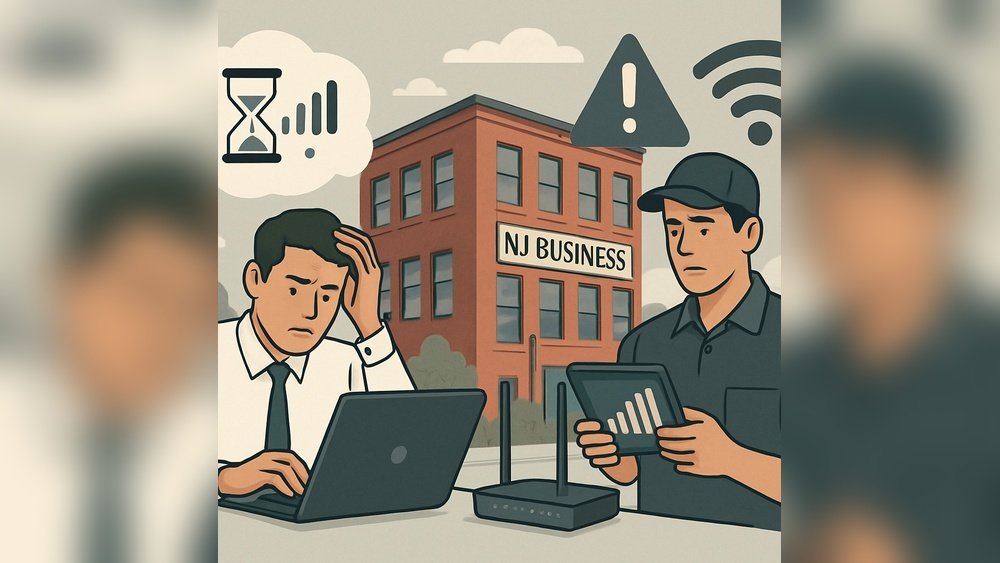
You just finished building your new PC, but instead of lightning-fast speeds, it feels slow and frustrating. You expected smooth performance, but now you’re stuck wondering why your brand-new machine is dragging.
Don’t worry—this is a common problem, and you’re not alone. You’ll discover simple, effective fixes that can get your PC running at full speed again. Keep reading, because the solution might be easier than you think.
Credit: www.crucial.com
Common Causes Of Slow Performance
New computer builds should run fast and smooth. Slow performance can feel frustrating. Many factors cause a new PC to run slowly. Knowing these helps you fix the problem fast.
Hardware Compatibility Issues
Not all parts work well together. Some hardware may not match your motherboard or CPU. This causes slow speeds or crashes. Check if your RAM, graphics card, and CPU are compatible. Use tools or manuals for guidance.
Driver Problems
Drivers help your hardware communicate with Windows. Old or wrong drivers cause lag and errors. Update all drivers after building your PC. Use the official websites for downloads only.
Software Conflicts
Some programs fight for resources. Running many apps at once can slow the system. New PCs may have pre-installed software that causes issues. Remove or disable unneeded programs to improve speed.
Background Processes
Background tasks use CPU and memory quietly. Antivirus scans and updates can slow your PC. Check Task Manager to see which processes use resources. End tasks that are not essential.
Thermal Throttling
High temperatures make your PC slow down. Cooling systems may not be enough for new builds. Dust or poor airflow cause heat buildup. Monitor temperatures and improve cooling to keep speed up.
Check Hardware Connections
After building a new PC, slow performance can be frustrating. Often, the issue lies in hardware connections. Loose or faulty connections can cause your system to lag or freeze. Checking these connections carefully can help fix the problem fast. Follow these steps to ensure all parts are properly connected and working well.
Reseat Components
Turn off your PC and unplug it from power. Open the case carefully. Remove and reinsert key components like the graphics card and CPU cooler. This action ensures proper contact with the motherboard. Sometimes parts look connected but are slightly loose. Reseating them can solve many performance issues.
Verify Ram Installation
RAM sticks must be fully seated in their slots. Press down firmly until you hear a click. Check if the RAM modules match your motherboard’s specifications. Incorrect or loose RAM can slow down your PC. Remove each stick and insert it again carefully. Test your system after this step to see any improvement.
Inspect Storage Devices
Check all cables connected to your SSD or HDD. Loose SATA or power cables can cause slow read/write speeds. Make sure the cables are plugged in tightly on both ends. If you use an M.2 SSD, ensure it is correctly screwed in and fully inserted. Proper connection of storage devices helps boost overall speed.
Update And Install Drivers
After building a new PC, slow performance can be frustrating. One common cause is outdated or missing drivers. Drivers help your hardware communicate with the operating system. Without the right drivers, your PC may lag or not work properly. Updating and installing drivers can solve many speed and stability issues. Focus on key components like graphics cards, motherboards, and peripherals. Keeping these drivers current ensures smooth operation and better performance.
Graphics Card Drivers
Your graphics card needs the latest drivers to run well. These drivers control video output and 3D rendering. Without updates, games and videos may stutter or lag. Visit the manufacturer’s website for the newest driver downloads. Use their official tools or software to install updates safely. Updated drivers also fix bugs and improve compatibility with new software.
Motherboard And Chipset Drivers
The motherboard controls many vital parts of your PC. Chipset drivers help it manage communication between hardware components. Old or missing chipset drivers can cause slow data transfer and system instability. Download the latest drivers from your motherboard maker’s website. Installing them can speed up your system and fix errors.
Peripheral Drivers
Peripherals like keyboards, mice, and printers need drivers too. These small programs allow devices to work correctly with your PC. Outdated peripheral drivers can cause lag or failure to detect devices. Check the device manufacturer’s site for driver updates. Installing these updates ensures your accessories respond quickly and without issues.

Credit: graitec.com
Optimize Bios Settings
Optimizing BIOS settings can improve your new PC’s speed and stability. The BIOS controls hardware settings and system functions. Adjusting these settings helps your computer run better and faster. Small changes here can fix many slow performance issues.
Enable Xmp Profiles
XMP stands for Extreme Memory Profile. It lets your RAM run at its best speed. Most RAM sticks have XMP profiles. Enabling XMP in BIOS boosts memory performance easily. Faster RAM means quicker data access and better overall speed.
Check Boot Order
The boot order tells your PC which device to start from first. A wrong boot order can slow startup times. Set your main drive, usually an SSD, as the first boot device. This change helps your PC load Windows faster and reduces delays.
Update Bios Firmware
BIOS updates fix bugs and improve hardware support. Your motherboard maker releases these updates regularly. Check their website for the latest BIOS version. Updating your BIOS can fix slowdowns and improve system stability.
Manage Startup And Background Apps
After building a new PC, it can feel slow at times. One common cause is many apps running at startup or in the background. These apps use system resources and slow down your computer. Managing startup and background apps helps free up memory and CPU power. This makes your PC faster and more responsive.
Disable Unnecessary Startup Programs
Many programs start automatically with Windows. Some are useful, but others are not. Disable apps you do not need right away. This reduces the load on your PC during boot. Open the Startup tab in Task Manager to see the list. Right-click and choose “Disable” on programs you want to stop. This keeps your startup clean and faster.
Use Task Manager To Identify Resource Hogs
Task Manager shows which apps use the most CPU, memory, and disk. Press Ctrl + Shift + Esc to open it. Check the Processes tab for apps using high resources. If you find apps running that you do not need, close them. This frees resources and speeds up your PC. Regularly checking Task Manager helps keep your system healthy.
Run System Maintenance
Running system maintenance helps keep your new PC fast and smooth. It clears out old files, fixes errors, and removes harmful software. These steps help your computer work better and last longer.
Disk Cleanup
Disk Cleanup removes temporary and junk files from your PC. These files take up space and slow down your system. To start Disk Cleanup, search for it in the Start menu. Select the drive you want to clean, usually the C: drive. Click “OK” and then choose the file types to delete. This frees up space and improves speed.
Check For Malware
Malware can hide on your computer and slow it down. Run a full scan using a trusted antivirus program. It finds and removes viruses, spyware, and other harmful software. Keep your antivirus updated to catch new threats. This protects your PC and keeps it running fast.
System File Checker
System File Checker scans your system for corrupted files. Corrupt files can cause crashes and slow performance. Open Command Prompt as an administrator. Type “sfc /scannow” and press Enter. The tool will check and fix problems automatically. This helps keep your system stable and quick.
Monitor Temperatures And Performance
After building a new PC, slow performance can be frustrating. One key factor to check is your system’s temperature and performance. High temperatures can cause your PC to slow down. Monitoring these helps find the problem fast. You can then take steps to cool your PC and improve speed.
Use Monitoring Software
Monitoring software shows real-time temperatures of your CPU and GPU. It also tracks your PC’s performance and fan speed. Popular tools like HWMonitor, MSI Afterburner, or SpeedFan are easy to use. These apps help you spot overheating or unusual activity. Watch for temperatures above 80°C, which can cause slowdowns.
Improve Cooling Solutions
Good cooling keeps your PC running smoothly. Check if your fans work well and are clean. Dust buildup blocks airflow and raises temperature. Consider adding extra fans or upgrading to better CPU coolers. Proper airflow inside the case lowers heat and improves performance. Remember, a cooler PC runs faster and lasts longer.
Reinstall Operating System
Reinstalling the operating system can fix many issues that cause your new PC to run slow. Sometimes, leftover files or incorrect settings slow down the computer. A fresh install removes these problems. It gives your PC a clean start and better performance.
Backup Important Data
Save all your important files before reinstalling. Documents, photos, and videos should be copied to an external drive or cloud storage. Check twice to avoid losing anything important. Backing up keeps your data safe during the process.
Clean Installation Steps
Start by creating a bootable USB drive with the operating system. Insert it into your PC and restart the computer. Enter the BIOS or boot menu and select the USB drive to boot from. Follow the on-screen instructions to delete old partitions. Create a new partition and install the OS there. Wait for the installation to finish and set up your user account. Finally, install all necessary drivers and updates for smooth performance.
Credit: www.brandcrowd.com
Frequently Asked Questions
Why Is My Pc Slow After A New Build?
A new PC can run slow due to outdated drivers, incorrect BIOS settings, or background apps. Check for driver updates and optimize startup programs for better performance.
How To Check If Ram Is Causing Slowness?
Use Windows Memory Diagnostic or MemTest86 to test your RAM. Faulty or insufficient RAM can slow down your system and cause crashes.
Can Software Updates Improve Pc Speed After Building?
Yes, updating your operating system and device drivers enhances compatibility and performance. Regular updates fix bugs and security issues that affect speed.
Does Ssd Installation Affect New Pc Speed?
Installing an SSD significantly boosts boot and load times. Ensure the OS and key programs are installed on the SSD for maximum speed benefits.
Conclusion
A slow PC after a new build can feel frustrating. Small tweaks often fix big problems. Check your hardware and software carefully. Clean out dust and update drivers. Remove unnecessary programs and background tasks. Keep your system cool and organized.
These simple steps help your PC run smooth again. Stay patient and methodical while troubleshooting. Your new build should feel fast and responsive soon.
