
Are you curious whether Siege leans more on your CPU or your GPU? Understanding this can make a huge difference in how smoothly your game runs.
If you want to get the best performance and avoid frustrating lags or slowdowns, knowing which part of your computer handles most of the work is key. Keep reading, and you’ll discover exactly what Siege demands from your system and how to optimize your setup for the ultimate gaming experience.
Siege Performance Basics
Understanding Siege performance basics helps players enjoy smooth gameplay. Siege requires good hardware to run well. The game’s design affects how your computer works during play. Knowing the hardware needs helps choose the right parts for your PC.
Game Engine And Hardware Needs
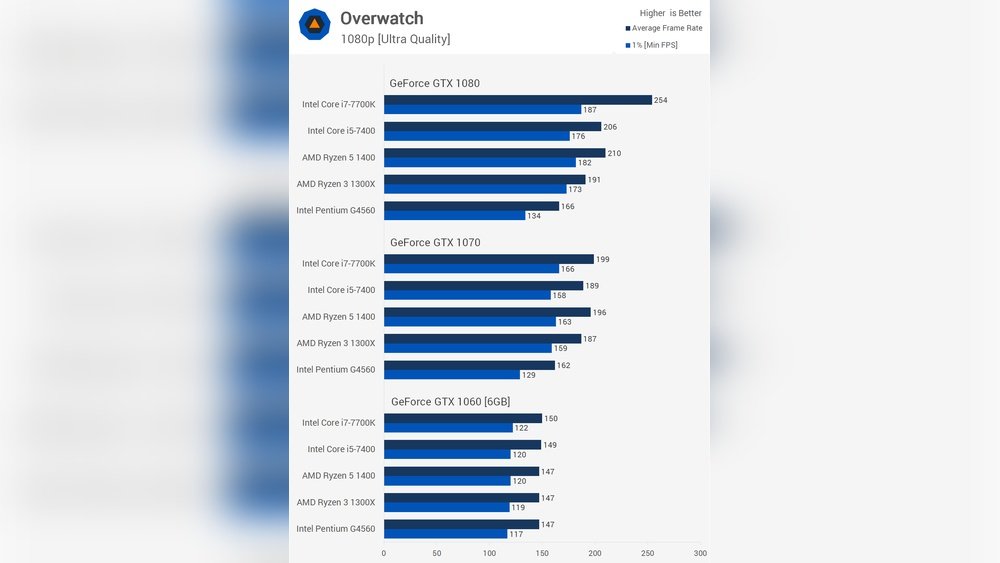
Siege uses a complex game engine. It processes many actions and effects quickly. The engine demands strong hardware for smooth performance. It needs fast processing and good graphics support. The game runs best on systems with balanced CPU and GPU power. Low-end hardware often struggles with high settings and fast action.
Cpu Vs Gpu Roles In Siege
The CPU handles game logic and player actions. It controls AI, physics, and game rules. The GPU renders graphics and visual effects. It draws the game world and characters. Siege needs both CPU and GPU to work well. A weak CPU can cause lag in gameplay. A weak GPU results in low frame rates. Balanced hardware improves Siege’s overall performance.
Cpu Impact On Siege
Rainbow Six Siege relies heavily on the CPU for smooth gameplay. The processor handles many tasks like game logic, physics, and AI. These tasks affect the game speed and player experience. A strong CPU helps reduce lag and improve frame rates. Siege runs better with a balanced CPU and GPU setup. Understanding the CPU’s role helps gamers choose the right hardware.
Processor Requirements
Siege needs a processor that meets minimum speed and core standards. Ubisoft recommends at least a quad-core CPU for decent performance. Older dual-core CPUs may cause stuttering or low frames. The game uses multiple threads, so modern processors perform better. A good CPU ensures the game runs smoothly on medium or high settings.
Core Count And Clock Speed
Core count and clock speed both matter in Siege. More cores help the CPU manage multiple game tasks at once. Clock speed affects how fast each core processes data. Siege benefits from 4 or more cores running at 3.0 GHz or higher. A higher clock speed often means better single-thread performance, which Siege needs.
Cpu Bottlenecks And Optimization
A weak CPU can limit the game’s performance, causing a bottleneck. This happens when the processor cannot keep up with the GPU. The result is lower frame rates and input delays. Optimizing Siege settings can reduce CPU load. Lowering shadow quality and disabling extra effects helps. Keeping your CPU drivers updated also improves performance.
Gpu Impact On Siege
The GPU plays a key role in the performance of Siege. It handles all the graphics processing, which directly affects how smooth the game runs. Siege demands a good GPU to display detailed textures and effects. Without a strong graphics card, the game can lag or show poor visuals.
The GPU impact is more visible at higher settings. It controls frame rates, resolution, and graphical details. A better GPU means clearer images and faster gameplay. Siege’s visuals are complex, so the GPU workload is high, especially in intense fights.
Graphics Card Importance
The graphics card is vital for Siege’s visual quality. It processes all the images and effects you see. A strong GPU provides higher frame rates and smoother motion. This helps players react faster and enjoy better gameplay.
Older or weaker GPUs may cause stuttering or slowdowns. Siege requires a balance between the GPU and CPU for best results. Upgrading the graphics card often leads to the biggest performance boost.
Vram And Resolution Effects
VRAM is the memory used by the GPU to store textures. Siege needs enough VRAM to handle high-resolution textures and maps. Playing at 1080p requires less VRAM than 1440p or 4K resolutions.
If VRAM runs out, the game may stutter or load textures slowly. Lowering resolution or texture quality reduces VRAM use. This helps maintain smooth gameplay on mid-range GPUs.
Gpu Bottlenecks And Optimization
A GPU bottleneck happens when the graphics card limits the game’s speed. This can occur if the GPU is too weak for the chosen settings. Siege may run slower, even if the CPU is powerful.
Optimizing graphics settings balances GPU load and improves performance. Reducing shadows, effects, and resolution eases the GPU burden. This approach prevents bottlenecks and keeps gameplay fluid.

Credit: www.reddit.com
Balancing Cpu And Gpu
Balancing the CPU and GPU is key to running Siege smoothly. Both parts share the work to give good gameplay. The CPU handles game logic and AI. The GPU draws the graphics on your screen. A good balance stops one part from slowing the other down. It helps avoid lag and choppy frames. This balance also improves your gaming experience on different computers.
Ideal Hardware Combinations
A strong CPU with multiple cores helps Siege run faster. Look for at least a quad-core processor. For the GPU, a mid-range or better card supports smooth graphics. Combining a good CPU and GPU avoids bottlenecks. For example, pairing an Intel i5 with an Nvidia GTX 1660 works well. This mix handles most settings without issues. Budget builds should not skimp on the CPU or GPU alone.
Settings To Balance Load
Adjusting graphics settings spreads work between CPU and GPU. Lower shadows and textures to reduce GPU load. Turn off extra effects like motion blur for better CPU performance. Limit frame rates to avoid pushing hardware too hard. Use resolution scaling to ease GPU demand. These tweaks keep gameplay smooth. They help computers with weaker parts run Siege better.
Common Performance Issues
Some players see low FPS or stuttering. This often means one part is overloaded. A weak CPU may cause slow game responses. An outdated GPU can struggle with graphics. Overheating can also drop performance. Check temperatures and clean dust inside your PC. Driver updates for both CPU and GPU fix bugs. Fixing these problems leads to a more stable Siege experience.
Performance Testing Methods
Performance testing is key to understanding how Rainbow Six Siege uses your PC’s hardware. It helps find out if the game depends more on the CPU or the GPU. Testing shows which parts of your system affect gameplay the most. This knowledge helps you optimize settings and improve your gaming experience.
Benchmarking Siege
Benchmarking measures Siege’s performance under set conditions. Run the game at fixed settings and record frame rates. Use different graphics presets to see how performance changes. Test both low and high settings to find limits. Repeat tests to get consistent results. This process shows if CPU or GPU bottlenecks occur.
Tools For Monitoring Cpu And Gpu
Use software tools to track CPU and GPU use while playing Siege. Programs like MSI Afterburner and HWMonitor display real-time data. They show temperatures, clock speeds, and usage percentages. This info reveals which hardware works harder during gameplay. Monitoring helps identify if CPU or GPU is maxed out. It also detects thermal throttling or overheating issues.
Interpreting Performance Data
Analyze the data collected from benchmarking and monitoring tools carefully. High CPU usage with low GPU load means Siege leans on the processor. High GPU usage with low CPU load indicates the graphics card is the main factor. Balanced usage shows both parts share the workload. Look for sudden drops in frame rates or spikes in temperatures. These signs help pinpoint performance problems.

Credit: www.youtube.com
Optimizing Siege For 2025
Optimizing Siege for 2025 means preparing your PC to run the game smoothly. The game needs a good balance between CPU and GPU power. You want steady frame rates and quick response times. This makes your gameplay more fun and competitive. Follow these tips to get the best performance in Siege.
Recommended Hardware Upgrades
Upgrade your CPU to a fast, modern model with at least four cores. Siege uses multiple cores to handle game logic and AI. A strong GPU is key for sharp graphics and high frame rates. Choose a graphics card with good VRAM and support for the latest DirectX version. Adding more RAM, around 16GB or more, helps prevent slowdowns. Also, use an SSD for faster game loading and smoother textures.
In-game Settings For Best Fps
Adjust settings like texture quality and shadow detail to medium or low. This reduces the load on your GPU without hurting visuals too much. Turn off motion blur and V-Sync to keep the game smooth. Lower the render scale if your frame rate drops below 60 FPS. Use the game’s built-in FPS counter to find the best balance. Customizing these settings keeps Siege running at a steady pace.
Driver And Software Updates
Keep your GPU drivers updated to improve game performance and fix bugs. Use the official sites for NVIDIA, AMD, or Intel drivers. Update your Windows system regularly for better compatibility. Check for patches and updates for Siege itself. These often improve optimization and fix performance issues. Staying current with software helps your PC run Siege better in 2025.
Credit: www.techspot.com
Frequently Asked Questions
Is Siege More Dependent On Cpu Or Gpu?
Siege relies heavily on both CPU and GPU, but CPU performance impacts gameplay more. The CPU handles game logic and physics, while the GPU manages graphics rendering.
Does Siege Require A High-end Gpu?
A mid-range GPU can run Siege smoothly. However, a high-end GPU enhances visual quality and frame rates for better gaming experience.
How Does Cpu Affect Siege Gameplay?
A powerful CPU improves Siege’s frame rates and responsiveness. It handles player actions, AI, and game mechanics efficiently, reducing lag and stutter.
Can Siege Run Well On Integrated Graphics?
Siege can run on integrated graphics but with lower settings. For optimal performance and visuals, a dedicated GPU is recommended.
Conclusion
Siege runs well on both CPU and GPU, but needs balance. The CPU handles game logic and player actions. The GPU processes graphics and visuals. A strong CPU helps with smooth gameplay and quick reactions. A good GPU shows detailed and clear images.
Both parts matter for the best experience. Choose hardware that fits your budget and play style. This way, you enjoy Siege without lag or glitches. Simple upgrades can improve your game a lot. Keep your system balanced for the best Siege performance.
