

Are you wondering whether Rocket League relies more on your CPU or GPU? Knowing this can help you get the best performance and enjoy smoother gameplay.
If you want to boost your gaming experience and avoid frustrating lag, understanding which part of your computer does the heavy lifting is key. Keep reading to discover the answer and learn how to optimize your setup for Rocket League like a pro.
Rocket League Performance Basics
Understanding how Rocket League runs helps improve your gaming experience. The game needs both the CPU and GPU to work well. Knowing what each part does clarifies why your PC might slow down or run smoothly. This section explains the basics of Rocket League’s performance needs.
Game Mechanics And Graphics
Rocket League’s gameplay depends on fast physics and smooth controls. The CPU handles the game’s logic and calculations. It processes car movements, ball physics, and player inputs. The GPU focuses on showing the game’s visuals. It renders the cars, arenas, and effects you see on screen. Good graphics need a strong GPU. Fast and precise gameplay needs a capable CPU.
System Requirements
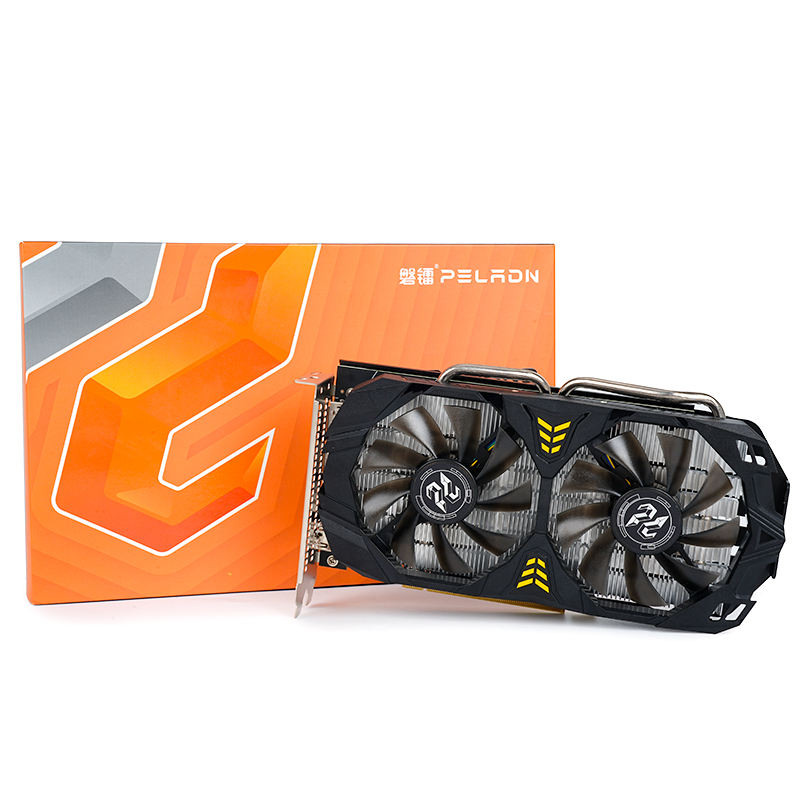
Rocket League works on many computers but needs specific parts for best play. The minimum CPU is a dual-core processor. The recommended CPU is faster for smooth action. For the GPU, a modern graphics card is needed. This helps display clear images and effects. RAM also matters; 8GB is a common recommendation. A balance between CPU and GPU gives the best Rocket League experience.
Credit: www.esseg.eu
Cpu’s Role In Rocket League
The CPU plays a key role in Rocket League. It handles many tasks behind the scenes that keep the game running smoothly. The CPU processes game logic, controls physics calculations, and manages player inputs. This makes the CPU essential for a good gaming experience.
Processing Game Logic
The CPU processes all game rules and player actions. It decides how cars move and react during matches. This includes ball physics, collision detection, and boost management. Without a strong CPU, these calculations slow down and affect gameplay.
Impact On Frame Rates
The CPU also affects frame rates in Rocket League. A faster CPU can handle more calculations per second. This leads to smoother animations and quicker responses. Slow CPUs may cause lower frame rates and stutter during intense moments.
Multithreading Support
Rocket League supports multithreading, which uses multiple CPU cores. This allows the game to split tasks across cores for better performance. CPUs with more cores can improve how the game runs, especially in busy matches. Efficient multithreading helps reduce lag and maintain steady frame rates.
Gpu’s Role In Rocket League
The GPU plays a vital role in Rocket League. It handles all the graphic tasks, making the game look smooth and sharp. The GPU works hard to show detailed images and fast movements without lag. Without a good GPU, the game might look blurry or run slowly. This makes the GPU very important for an enjoyable Rocket League experience.
Rendering Graphics
The GPU creates the images you see on the screen. It processes the game’s 3D models, textures, and colors. This process is called rendering. A strong GPU can render frames quickly, giving smooth gameplay. Slow GPUs may cause choppy or delayed images. Fast rendering is key for Rocket League’s fast-paced action.
Effects On Visual Quality
The GPU controls how clear and detailed the game looks. It handles lighting, shadows, and reflections. Better GPUs show more realistic effects and sharper details. Lower-end GPUs may reduce these effects to keep the game running well. Visual quality depends heavily on the GPU’s power and settings.
Vram Usage
VRAM is the memory on the GPU used for storing textures and models. Rocket League uses VRAM to load game assets quickly. More VRAM means the GPU can hold bigger and better textures. If VRAM is low, the game may lower texture quality or stutter. Having enough VRAM helps keep the game smooth and visually appealing.
Credit: www.przewozcm.eu
Cpu Vs Gpu Bottlenecks
Understanding CPU vs GPU bottlenecks helps improve Rocket League’s performance. Bottlenecks happen when one part of the system limits the speed of the whole game. This affects how smooth and fast the game runs on your PC. Knowing which component slows down your system guides better hardware choices.
Identifying Performance Limits
Check your game’s frame rate and system usage to find bottlenecks. High CPU use with low GPU use means the CPU is the limit. Low CPU use and high GPU use shows the GPU is the bottleneck. Use tools like Task Manager or MSI Afterburner to see these numbers. Look for stutters or slowdowns during gameplay. These signs point to hardware limits that need fixing.
Balancing Hardware Components
Balance between CPU and GPU keeps Rocket League running well. A strong GPU needs a decent CPU to avoid slowdowns. A fast CPU with a weak GPU will also reduce performance. Choose parts that match in power and speed. This balance helps your game run smoothly and look good. Avoid spending too much on one part while ignoring the other.
Optimizing Rocket League Settings
Optimizing Rocket League settings improves gameplay and smooths performance. Adjusting the right options helps balance visual quality and frame rate. This lets players enjoy fast, responsive matches without lag or stutter.
Both CPU and GPU affect Rocket League, so settings should consider both parts. Tweaking graphics and CPU-related options gives the best overall experience. Here are key areas to focus on for better performance.
Graphics Settings For Better Fps
Lowering resolution boosts frame rates significantly. Set resolution to match your monitor for clear images.
Turn off or reduce shadows and reflections. These effects use a lot of GPU power and can slow gameplay.
Lower texture and detail quality to ease the load on your graphics card. This helps maintain a stable FPS.
Disable motion blur and film grain. These visual effects can reduce clarity and lower FPS.
Cpu-friendly Configurations
Limit the number of background applications running. This frees up CPU resources for Rocket League.
Set the game to run on high priority in your system settings. This tells your CPU to focus on the game.
Reduce the number of particles and post-processing effects. These can cause CPU bottlenecks in busy moments.
Use the performance mode in Rocket League’s settings. It lowers CPU load by simplifying graphics calculations.
Benchmarking Rocket League
Benchmarking Rocket League helps us understand how well the game runs on different hardware. Testing the game on various CPUs and GPUs shows which parts of your computer affect gameplay the most. This information guides players to choose the right components for smooth, fast gaming.
Performance On Different Cpus
Rocket League runs well on many CPUs but prefers faster cores. CPUs with higher clock speeds improve frame rates and reduce lag. Lower-end processors may cause stuttering, especially during intense moments in matches. Modern quad-core CPUs provide a good balance of performance and price. Older dual-core CPUs might struggle with higher settings and resolutions.
Performance On Different Gpus
The GPU plays a vital role in rendering Rocket League’s graphics. Mid-range graphics cards handle 1080p gameplay smoothly with high settings. Entry-level GPUs can run the game but might need to lower graphics quality. High-end GPUs offer very stable frame rates and better visuals. The game benefits from GPUs that support newer technologies like DirectX 11 or 12.
Upgrading For Rocket League
Upgrading your PC for Rocket League can improve your gaming experience. Both the CPU and GPU play important roles. Choosing the right parts helps the game run smoothly and look better. This guide focuses on the best CPUs and GPUs for Rocket League.
Best Cpus For Smooth Gameplay
The CPU handles game logic and player inputs. A strong CPU reduces lag and boosts frame rates. Intel Core i5 and AMD Ryzen 5 are solid choices. These CPUs provide good speed without costing too much. Aim for at least four cores and a high clock speed. This setup helps keep Rocket League responsive during fast matches.
Best Gpus For Enhanced Visuals
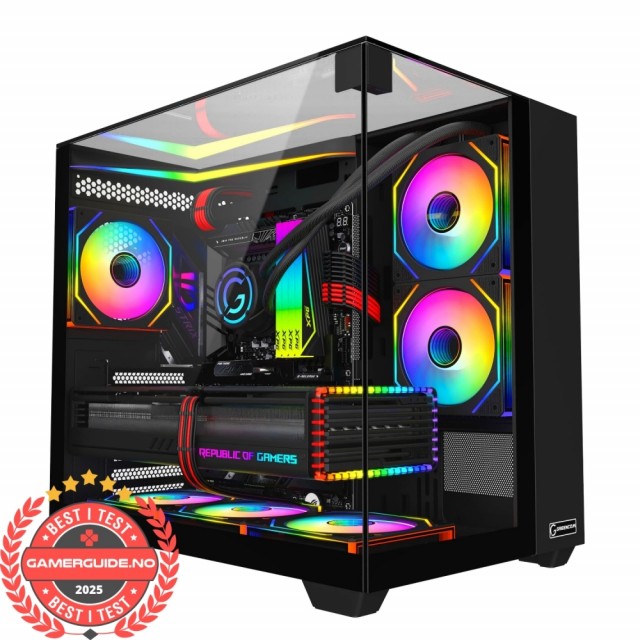
The GPU controls the game’s graphics and effects. A good GPU makes Rocket League look sharp and clear. Nvidia GeForce GTX 1660 and AMD Radeon RX 580 offer great value. These cards support high frame rates and smooth visuals. Higher-end GPUs improve textures and lighting. This makes the game more enjoyable and immersive.
Credit: www.przewozcm.eu
Additional Tips For Performance
Improving Rocket League’s performance involves more than just hardware. Small changes can make a big difference. These tips help your computer run the game more smoothly.
Background Processes Management
Close programs that use a lot of memory or CPU. This frees up resources for Rocket League. Check your task manager and stop unnecessary apps. Avoid running heavy software while playing. It reduces lag and improves frame rates.
Driver And Software Updates
Keep your graphics and CPU drivers updated. New drivers fix bugs and boost performance. Update your operating system regularly for better compatibility. Use official sites to download the latest versions. Updated software helps the game run without issues.
Frequently Asked Questions
Is Rocket League More Cpu Or Gpu Intensive?
Rocket League primarily relies on the GPU for rendering graphics smoothly. However, the CPU handles game logic and physics. A balanced setup with a good GPU and decent CPU offers the best performance for Rocket League gameplay.
Does Cpu Affect Rocket League Frame Rates?
Yes, the CPU influences frame rates by managing physics and game calculations. A faster CPU can improve frame stability, especially in intense matches. Still, the GPU has a larger role in achieving higher frame rates in Rocket League.
What Gpu Specs Are Ideal For Rocket League?
A mid-range GPU with at least 4GB VRAM is recommended for Rocket League. This ensures smooth graphics at 1080p resolution and high settings. Popular choices include NVIDIA GTX 1650 or AMD Radeon RX 570 for optimal performance.
Can A Weak Gpu Bottleneck Rocket League Performance?
Yes, a weak GPU can limit frame rates and cause stuttering. Even with a strong CPU, a poor GPU will reduce visual quality and responsiveness. Upgrading the GPU is crucial for a better Rocket League experience.
Conclusion
Rocket League depends on both CPU and GPU for smooth play. The CPU handles game logic and player input. The GPU processes graphics and visual effects. Good balance between CPU and GPU boosts game performance. Weak hardware in either part can cause lag or stutter.
Upgrading one without the other may not improve gameplay much. For best results, choose a system with strong CPU and GPU. This ensures fast, clear, and enjoyable Rocket League matches every time.
