
Are you wondering if an overclocked (OC) GPU is really worth the extra cost and effort? You’re not alone.
When it comes to boosting your gaming or creative work, the promise of faster speeds and smoother performance is tempting. But does overclocking deliver enough benefits to justify potential risks and expenses? You’ll discover the real impact of an OC GPU on your system, what you should consider before making a choice, and whether it’s the right move for your setup.
Keep reading to find out if pushing your GPU beyond its limits will truly level up your experience.
Credit: www.gpumag.com
What Is Oc Gpu
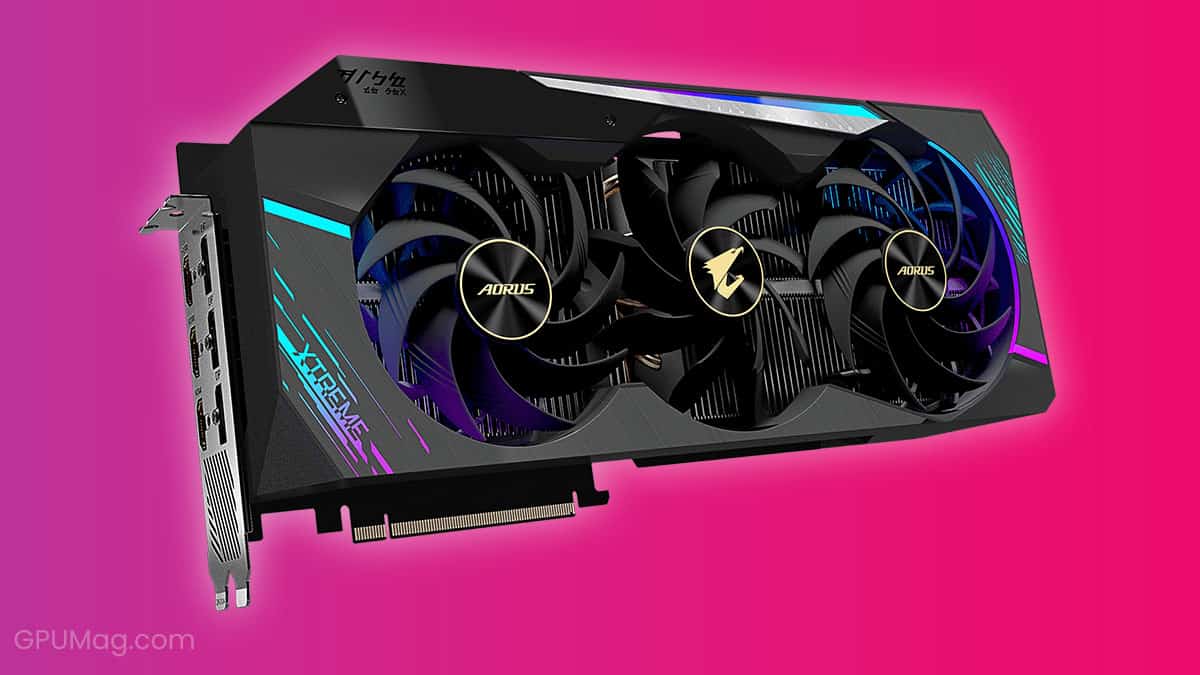
OC GPU stands for Overclocked Graphics Processing Unit. It is a graphics card that runs at higher speeds than its base settings. This means the GPU works faster than the factory default.
Overclocking increases the clock speed of the GPU. This can improve the performance in games and other graphic tasks. Many users choose OC GPUs to get better frame rates and smoother gameplay.
What Does Overclocking Mean For A Gpu?
Overclocking means pushing the GPU beyond its normal limits. The card runs at higher frequencies than designed. This makes the GPU process data quicker.
Manufacturers often sell OC GPUs with higher clock speeds. These cards are tested to handle extra power and heat safely.
How Does An Oc Gpu Differ From A Standard Gpu?
A standard GPU runs at the speed set by the maker. An OC GPU runs faster by default. This speed boost helps in tasks that need more power.
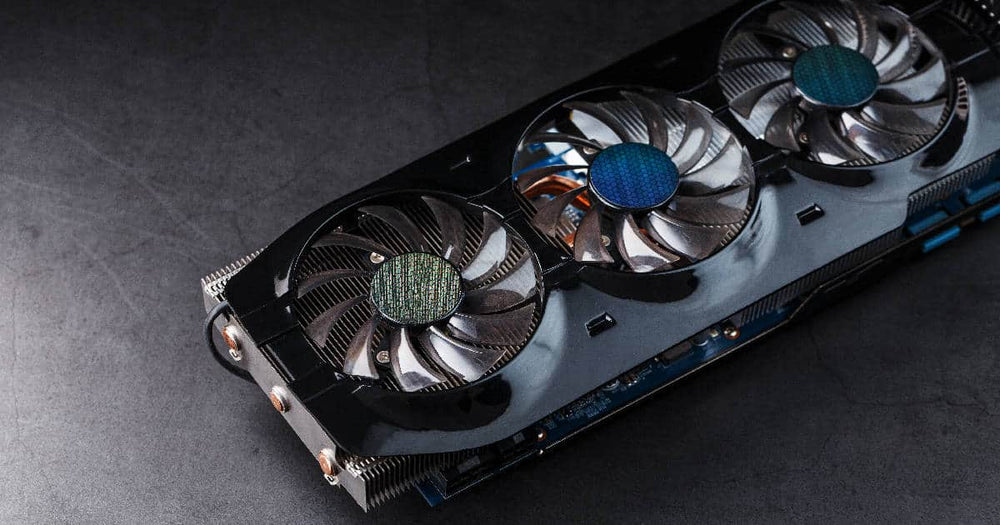
OC GPUs usually have better cooling systems. This keeps the card cool under heavy use. Standard GPUs may not have such advanced cooling.
Who Should Consider Using An Oc Gpu?
Gamers who want higher frame rates benefit from OC GPUs. Also, people working with video editing or 3D design may gain speed. Those who want the best performance without manual tweaks can choose OC GPUs.
Users new to overclocking find OC GPUs easier. They get extra speed without changing settings themselves.
Credit: apexgamingpcs.com
How Oc Gpus Boost Performance
Overclocked (OC) GPUs run faster than standard models. This boost helps improve computer graphics and gaming. OC GPUs push the limits of speed and efficiency. They offer better frame rates and smoother visuals.
Understanding how OC GPUs work helps you decide if they are worth it. Key factors include clock speed and managing heat and power. These elements determine the real performance gains.
Clock Speed And Frame Rates
Clock speed measures how fast the GPU processes data. Higher clock speeds mean quicker calculations. OC GPUs increase these speeds beyond factory settings. This increase leads to higher frame rates in games and apps.
Better frame rates create smoother animation and less lag. Faster speeds also reduce screen tearing. OC GPUs give a noticeable boost in visual quality. This improvement enhances the overall user experience.
Thermal And Power Limits
OC GPUs produce more heat than normal GPUs. Managing temperature is crucial to keep performance stable. Many OC GPUs come with better cooling systems. These coolers prevent overheating during heavy use.
Power consumption rises with overclocking. OC GPUs may need stronger power supplies. Efficient power delivery helps maintain high speeds without crashes. Proper cooling and power keep the GPU safe and reliable.
Pros Of Overclocked Gpus
Overclocked GPUs offer several benefits for users who want more from their graphics cards. By increasing the clock speed, these GPUs can deliver better performance without needing new hardware. This boost can improve how your computer handles games and creative tasks. Let’s explore some key advantages of overclocked GPUs.
Enhanced Gaming Experience
Overclocked GPUs provide smoother gameplay with higher frame rates. Games run more fluidly, reducing lag and stuttering. This helps players enjoy detailed graphics and faster response times. Competitive gamers can benefit from quicker visuals and improved accuracy. Even older games can look and feel better with a speed boost.
Better Productivity For Creators
Content creators see faster rendering and video editing times. Overclocked GPUs speed up tasks that need heavy graphics power. This means less waiting and more work done in less time. Designers and animators can handle complex projects more easily. Overall, overclocking helps creative software run more efficiently.
Cons And Risks Of Oc Gpus
Overclocking a GPU can boost its speed and performance. Yet, it carries certain risks that users must consider. These risks can affect the GPU’s lifespan and overall system health. Understanding these downsides helps in making a smart choice about overclocking.
Increased Heat And Noise
Overclocking raises the GPU’s power use. This extra power creates more heat inside the computer case. Higher heat levels force fans to work harder and spin faster. As a result, the system becomes noisier than usual. Heat can also cause the GPU to throttle, lowering performance.
Potential Hardware Damage
Running a GPU beyond its factory limits can harm its components. Excess heat and voltage may damage the GPU chip or memory. This damage might shorten the GPU’s life or cause sudden failures. Warranty claims often become void after overclocking. Users risk losing support from the manufacturer.
Cost Vs. Benefit Analysis
Understanding the cost versus benefit of an OC GPU helps decide if it fits your needs. Overclocked (OC) GPUs come with higher prices but promise better performance. The key is to weigh the extra cost against the real gains you get from the boost. Let’s break down the price and performance to see what makes sense.
Price Premiums For Oc Models
OC GPUs usually cost more than standard versions. This price increase can range from 10% to 30%. The extra cost covers factory tuning and higher-quality parts. Brands also charge more for better cooling systems in OC models. Buyers pay for the convenience of higher speeds out of the box. This premium might be hard to justify for budget shoppers.
Performance Gains Vs. Investment
OC GPUs offer higher clock speeds and better frame rates. The performance boost often sits around 5% to 15%. Real-world gains vary depending on the game or app used. Some users notice smoother gameplay or faster rendering times. Others see little difference compared to stock GPUs. The question is whether this boost justifies the higher price paid.

Credit: www.youtube.com
Comparing Oc Gpus With Stock Alternatives
Comparing OC GPUs with stock alternatives helps understand their real value. Overclocked (OC) GPUs come with higher clock speeds than standard models. This means they can perform faster in some cases. Stock GPUs run at factory-set speeds without extra tuning.
Choosing between OC and stock depends on your needs. Performance, heat, noise, and price matter most. The right choice balances these factors well.
Performance Differences Between Oc And Stock Gpus
OC GPUs often deliver higher frame rates in games. They run graphics tasks quicker due to faster core speeds. The difference can range from small to noticeable. Stock GPUs still provide solid performance for most users.
Heat And Cooling Considerations
OC GPUs generate more heat because of increased power use. They need better cooling solutions to avoid overheating. Stock GPUs usually run cooler and quieter. Poor cooling can reduce lifespan and cause throttling.
Price Comparison And Value
OC GPUs cost more than stock versions. The price premium covers better cooling and tested higher speeds. Stock GPUs offer better value for budget buyers. Weighing cost against performance gain is key.
Warranty And Reliability Factors
OC GPUs may have shorter warranty or stricter terms. Stock GPUs come with standard manufacturer warranties. Overclocking can increase risk of hardware issues. Reliability is important for long-term use.
Who Should Consider Oc Gpus
Choosing an overclocked (OC) GPU depends on your needs and skills. Some users gain real benefits from OC GPUs, while others may not need the extra power. Knowing who should consider OC GPUs helps you decide if it fits your setup.
Enthusiasts And Overclockers
Enthusiasts enjoy pushing hardware limits. They like to tweak settings and improve performance. OC GPUs offer higher speeds and better cooling for these users. Overclockers use these GPUs to test stability and reach max potential. They often build custom cooling systems. For them, OC GPUs provide more control and better results.
Casual Users And Gamers
Casual users play games or use their PC for daily tasks. Most casual gamers do not need OC GPUs. Standard GPUs already offer good performance for popular games. OC GPUs may cost more and need better cooling. For casual use, a regular GPU is easier and more reliable. Gamers who want higher frame rates might consider OC GPUs but only if they understand the risks.
Tips For Safe Overclocking
Overclocking a GPU can boost its speed and performance. It requires care to keep your hardware safe. Follow some key tips to overclock safely and avoid damage.
Watching your GPU’s temperature is very important. High heat can harm your graphics card and reduce its life. Use good tools to check temperatures often. Stop overclocking if the GPU gets too hot.
Monitoring Temperatures
Keep an eye on your GPU’s heat while overclocking. Temperatures above 85°C can be risky. Use software that shows real-time temperature. Check during games or heavy tasks. Make sure cooling fans work well. Clean dust from your PC to help airflow. Cooling keeps your GPU stable and safe.
Using Reliable Software
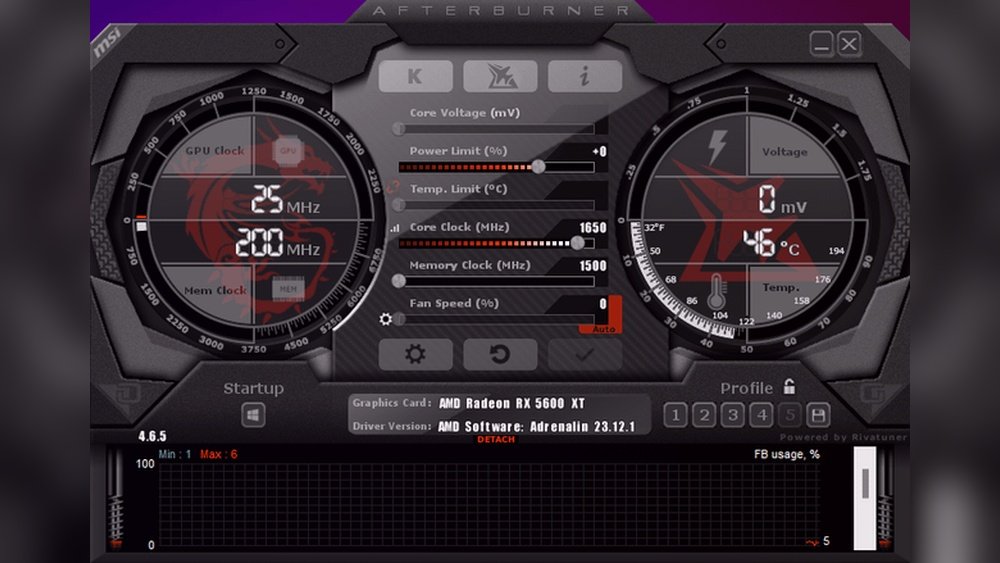
Choose trusted software to overclock your GPU. Some popular tools include MSI Afterburner and EVGA Precision X1. These programs offer easy controls and safety limits. Avoid unknown or fake programs that might cause harm. Software with good reviews ensures better results. They help adjust clock speeds and voltages safely.
Frequently Asked Questions
What Is An Oc Gpu And How Does It Work?
An OC GPU is an overclocked graphics card running at higher speeds than standard. It delivers improved gaming and rendering performance by boosting clock speeds beyond factory settings.
Are Oc Gpus Worth The Extra Cost?
OC GPUs offer better performance but usually cost more. If you need higher frame rates or faster rendering, the extra cost can be justified for smoother experiences.
Will Oc Gpus Cause Overheating Or Damage?
Modern OC GPUs have robust cooling systems to handle extra heat. However, insufficient cooling or extreme overclocking may risk overheating and hardware damage if not properly managed.
How Much Performance Gain Can I Expect From Oc Gpus?
Performance gains vary but typically range between 5-15%. The boost depends on the GPU model, cooling efficiency, and the overclocking extent applied.
Conclusion
Overclocking a GPU can boost its speed and performance. It suits users who want extra power for gaming or design. But it may cause more heat and use more energy. Not everyone needs this extra step for good results. Careful setup and good cooling help avoid problems.
Think about your needs and risks before overclocking. In the end, deciding if an OC GPU is worth it depends on your goals and budget. Choose what fits best for your setup and use.
