
Are you curious whether Marvel Rivals demands more power from your CPU or GPU? Understanding this can help you get the best gaming experience without wasting money on the wrong hardware upgrade.
Whether you want smooth gameplay or higher graphics quality, knowing which part of your system the game leans on is key. Keep reading to discover exactly where Marvel Rivals puts the most pressure—your processor or your graphics card—and how you can optimize your setup for the ultimate battle!
Game Performance Basics
Game performance depends on how well your computer’s parts work together. Two main parts are the CPU and the GPU. Each plays a special role to make games run smoothly. Understanding these roles helps you know what hardware affects your gaming experience.
Games use both CPU and GPU in different ways. Some need more power from the CPU, while others rely on the GPU. Knowing this difference helps when choosing or upgrading your system for games like Marvel Rivals.
Cpu Vs Gpu Roles
The CPU, or Central Processing Unit, handles the game’s logic and calculations. It controls things like game rules, physics, and AI behavior. The CPU manages tasks that require step-by-step processing.
The GPU, or Graphics Processing Unit, focuses on rendering images. It draws the game’s graphics, textures, and effects. The GPU processes many tasks at once, making visuals smooth and detailed.
How Games Use Hardware
Games send commands to the CPU to process game actions and data. The CPU then sends instructions to the GPU to display graphics. Both parts work closely to keep gameplay fast and clear.
Some games demand more from the CPU, especially those with complex AI or physics. Others push the GPU harder with high-resolution textures and effects. Marvel Rivals uses both but leans more on one depending on settings.

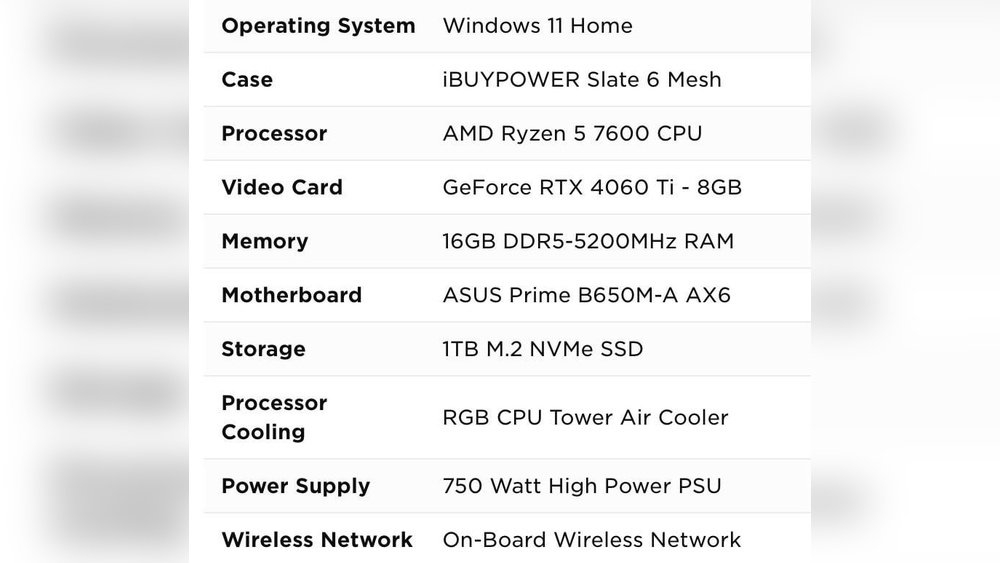
Credit: www.reddit.com
Marvel Rivals System Needs
Understanding the system needs of Marvel Rivals helps players enjoy smooth gameplay. Knowing if the game requires more from the CPU or GPU guides you in setting up your PC. It also helps avoid performance issues and lag during battles.
Official Requirements
Marvel Rivals demands a moderate CPU and GPU. The official minimum CPU is an Intel Core i5 or AMD equivalent. For the GPU, a DirectX 11 compatible graphics card with 2GB memory is required. The game needs at least 8GB of RAM for basic play. Storage space of 20GB is necessary to install the game. Windows 10 64-bit is the supported operating system. These specs ensure the game runs but not at the highest quality.
Recommended Specs
To enjoy Marvel Rivals smoothly, a stronger CPU and GPU help. The recommended CPU is an Intel Core i7 or AMD Ryzen 7. A GPU like the NVIDIA GTX 1060 or AMD RX 580 with 4GB memory is suggested. The game also benefits from 16GB RAM for better multitasking. SSD storage improves loading times. Windows 10 or newer 64-bit versions support optimal performance. These specs provide better graphics and stable frame rates during intense fights.
Cpu Load Analysis
Analyzing the CPU load in Marvel Rivals helps understand how the game uses the processor. This shows if the game demands more from the CPU or if the load is balanced with the GPU. Understanding CPU load gives insight into gameplay smoothness and system requirements.
Processor Impact On Gameplay
The processor controls game logic and character actions. Marvel Rivals uses the CPU for physics, AI, and player inputs. A strong CPU means faster response times and smoother gameplay. If the CPU is weak, players may face lags or delays. The game’s design requires steady CPU power to keep battles fluid and fast.
Multi-core Utilization
Marvel Rivals uses multiple CPU cores to split tasks. This means the game can run better on CPUs with more cores. The load spreads across cores, reducing the chance of one core becoming a bottleneck. Multi-core support improves performance during intense fights. The game benefits from modern processors that handle parallel tasks well.
Gpu Load Analysis
Analyzing the GPU load in Marvel Rivals helps us understand its graphics demands. This game uses the GPU to handle visual tasks and effects. The GPU workload depends on the game’s design and settings. Let’s explore how the GPU manages rendering and how different factors affect its load.
Graphics Rendering Demands
Marvel Rivals uses detailed character models and dynamic environments. The GPU renders these graphics in real time. This process needs strong GPU power to keep the game smooth. Complex animations and fast movements increase the GPU load. The game also uses shadows and lighting effects. These add realism but require more GPU resources. A powerful GPU improves performance and visual quality.
Effects And Resolution Impact
Special effects like explosions and particle systems demand extra GPU power. Higher resolution settings require the GPU to process more pixels. This causes the GPU to work harder. Lowering resolution can reduce GPU load significantly. Players can adjust effects quality to balance visuals and performance. The GPU load rises with higher effects and resolution. Managing these settings helps maintain smooth gameplay.
Performance Testing Results
Performance testing reveals how Marvel Rivals uses your computer’s hardware. It helps us see if the game relies more on the CPU or the GPU. Understanding this can guide players to optimize their systems for smoother gameplay.
Benchmark Scores
Benchmark tests measure the game’s performance under set conditions. Marvel Rivals shows higher scores on GPUs with strong graphics processing. The CPU impact is moderate but not as critical as the GPU. This suggests the game pushes your graphics card more than the processor.
Real-world Gameplay Tests
Gameplay tests provide insight into actual user experience. During fights and fast scenes, frame rates stay stable on good GPUs. Systems with weaker GPUs struggle, causing lag and lower frame rates. The CPU usage stays steady without major spikes, confirming GPU demand is higher.

Credit: www.youtube.com
Optimizing Marvel Rivals
Optimizing Marvel Rivals helps improve your gaming experience. The game can use both CPU and GPU resources heavily. Adjusting settings can balance the load between these parts.
Proper optimization reduces lag and keeps gameplay smooth. It also helps your device run cooler and last longer. Small changes in settings can make a big difference.
Settings To Boost Cpu Performance
Lower the game’s resolution to reduce CPU load. Turn off background apps to free CPU power. Set the frame rate limit to a stable number.
Disable extra visual effects like shadows and reflections. Use the game’s low or medium settings for physics and AI. This reduces CPU calculations and speeds up gameplay.
Settings To Improve Gpu Efficiency
Reduce texture quality to lessen GPU memory use. Turn off anti-aliasing or set it to low. This helps the GPU render frames faster.
Lower effects like bloom and motion blur. Set the graphics quality to medium or low. These changes reduce GPU strain and improve frame rates.
Hardware Upgrade Tips
Playing Marvel Rivals smoothly depends on your computer’s hardware. Upgrading parts can help you get better performance and visuals. Focus mainly on the CPU and GPU for noticeable improvements.
Choosing the right upgrade depends on your current setup and budget. Small changes can make a big difference in gameplay experience.
Cpu Upgrades Worth Considering
The CPU handles the game’s logic and background tasks. Marvel Rivals needs a decent processor to run well. A quad-core CPU or better works fine for most players.
Look for CPUs with higher clock speeds. These improve the game’s responsiveness and reduce lag. Popular choices include Intel Core i5 or AMD Ryzen 5 models.
Upgrading the CPU also helps if you multitask while gaming. It keeps the game stable during streaming or running apps.
Gpu Upgrades For Better Play
The GPU controls the game’s graphics and visual effects. Marvel Rivals benefits from a good graphics card for smoother frames and clearer images.
Choose a GPU with enough video memory, at least 4GB. This supports higher settings and better textures. Models like NVIDIA GTX 1660 or AMD RX 580 are solid picks.
Updating your GPU can boost frame rates and reduce screen tearing. It allows you to enjoy the game with less stutter and better detail.

Credit: www.youtube.com
Frequently Asked Questions
Is Marvel Rivals More Cpu Or Gpu Intensive?
Marvel Rivals relies more on the GPU for rendering graphics smoothly. The CPU handles game logic, but the GPU processes visual effects and frame rates. A strong GPU ensures better performance and visual quality in Marvel Rivals.
What Gpu Specs Are Ideal For Marvel Rivals?
A mid-range GPU with at least 4GB VRAM is ideal for Marvel Rivals. Modern GPUs like NVIDIA GTX 1650 or AMD RX 570 provide smooth gameplay. Higher-end GPUs offer better frame rates and enhanced graphics settings.
Does Marvel Rivals Require A High-end Cpu?
Marvel Rivals does not demand a high-end CPU. A quad-core processor with 3. 0 GHz or higher is sufficient. The game mainly depends on GPU power, but a decent CPU prevents bottlenecks.
How Does Gpu Affect Marvel Rivals Gameplay?
The GPU handles all graphical rendering, affecting frame rates and visual quality. A powerful GPU delivers smoother animations and reduces lag. GPU upgrades greatly enhance the gaming experience in Marvel Rivals.
Conclusion
Marvel Rivals challenges both CPU and GPU but leans more on the GPU. The graphics need strong GPU power for smooth gameplay and effects. Meanwhile, the CPU handles game logic and AI but is less taxed. Gamers with balanced systems will enjoy a better experience overall.
Upgrading the GPU often brings the most noticeable improvement. Understanding this helps players prepare their setups wisely. Choose hardware that fits your budget and gaming style. This way, you get the most from Marvel Rivals without frustration.
