
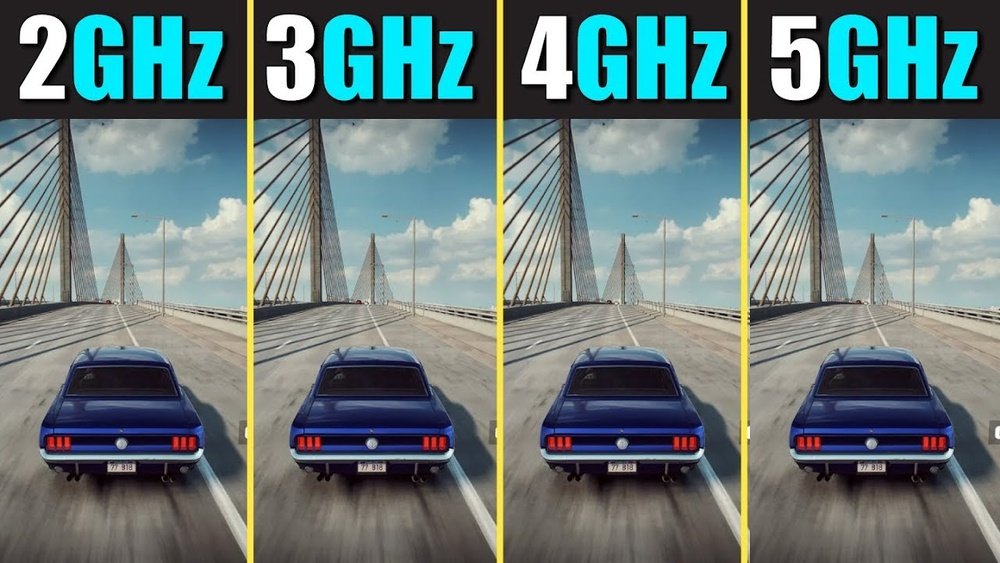
When building or upgrading your gaming PC, you might wonder how important the CPU really is. Is it the key to smooth gameplay, or can you get by focusing on other parts?
Understanding the role of the CPU can change the way you choose your components and boost your gaming experience. If you want to make sure your system runs fast and your games feel responsive, keep reading. This guide will help you see why your CPU matters and how it affects your gaming performance.
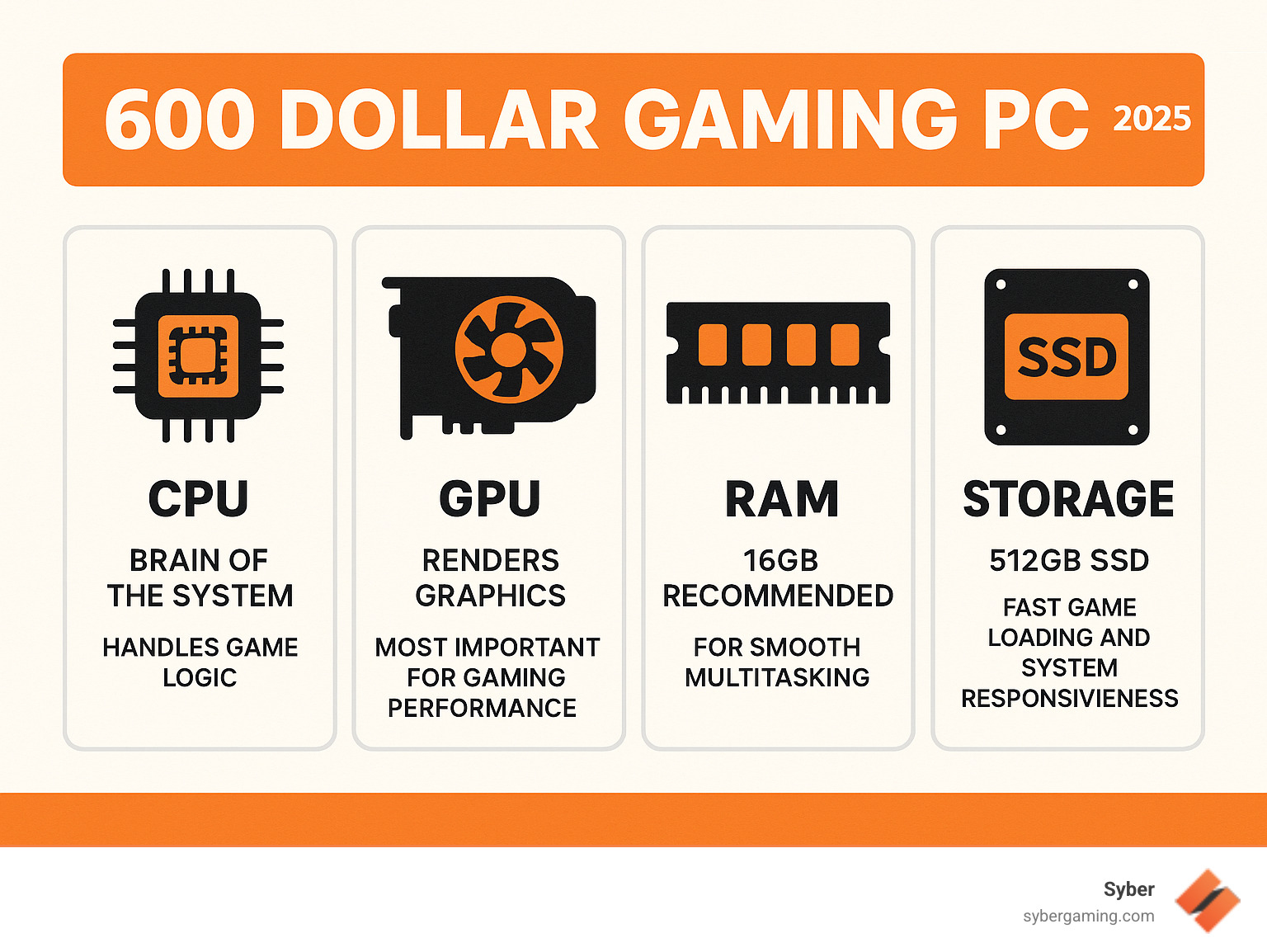
Credit: www.sybergaming.com
Role Of Cpu In Gaming
The CPU plays a key role in gaming PCs. It acts as the brain of your computer, processing game data and running instructions. Without a strong CPU, games may run poorly or freeze.
The CPU works with other parts, especially the GPU, to deliver smooth gameplay. It handles tasks like physics, AI, and game logic. These tasks keep the game world alive and responsive.
Cpu Vs Gpu: Which Matters More?
The GPU renders graphics and images on your screen. It handles textures, lighting, and effects. The CPU manages game calculations and commands. Both are important, but their roles differ.
For many games, the GPU has a bigger impact on visuals. The CPU ensures the game runs without delays or glitches. A balance between CPU and GPU is best for smooth gaming.
How Cpu Affects Game Performance
The CPU affects how fast a game processes data. It controls game speed and response time. A slow CPU can cause lag or slow loading times.
Some games need more CPU power than others. Strategy and simulation games often rely heavily on the CPU. First-person shooters and racing games may depend more on the GPU.
Impact On Frame Rates And Stability
The CPU affects frame rates by processing game logic quickly. Higher frame rates mean smoother gameplay and better control. A weak CPU can lower frame rates and cause stuttering.
Stability depends on the CPU’s ability to keep up with game demands. A strong CPU helps prevent crashes and freezes. It keeps the game running steady during intense scenes.

Credit: www.reddit.com
Choosing The Right Cpu
The CPU is the brain of your gaming PC. It handles instructions and runs your games smoothly. Picking the right CPU makes a big difference in how well your games play.
Not all CPUs are the same. Some are better for gaming than others. Knowing what to look for helps you get the best performance for your money.
Core Count And Clock Speed
Core count shows how many tasks a CPU can do at once. More cores help with multitasking and complex games. But clock speed tells how fast each core runs. A higher clock speed means faster game performance.
For gaming, a balance of cores and clock speed is best. Four to six cores with a good clock speed works well for most games.
Single-core Vs Multi-core Performance
Some games use one core more than others. This is single-core performance. It matters for older or simple games. Newer games use many cores together. This is multi-core performance.
Choose a CPU with strong single-core speed and enough cores for multitasking. This gives smooth gameplay and good future proofing.
Compatibility With Motherboards
Your CPU must fit your motherboard socket. Different CPUs need different sockets. Check your motherboard’s specs before buying a CPU.
Also, the motherboard should support your CPU’s speed and features. A good match avoids problems and boosts performance.
Cpu Bottleneck In Gaming
The CPU bottleneck in gaming happens when the processor limits the performance of the graphics card. This means the CPU cannot keep up with the GPU’s speed. As a result, the game runs slower than it could. Understanding this bottleneck is key to building a balanced gaming PC.
Identifying Bottlenecks
Look for low CPU usage and high GPU usage during gameplay. This suggests the CPU is the weak link. Another sign is stuttering or low frame rates in games. Tools like MSI Afterburner help track CPU and GPU loads. Watching these stats reveals which part holds back performance.
Balancing Cpu And Gpu Power
Choose a CPU and GPU that match in speed and power. A strong GPU paired with a weak CPU causes bottlenecks. The CPU must process game data fast enough for the GPU. Spend your budget wisely to avoid overspending on one component. Balance ensures smooth gameplay and better frame rates.
Effects On Different Game Genres
Strategy and simulation games rely more on the CPU. These games use complex calculations and AI processing. First-person shooters and action games depend more on the GPU. They need fast graphics rendering. Knowing your favorite game type helps decide how strong your CPU should be.
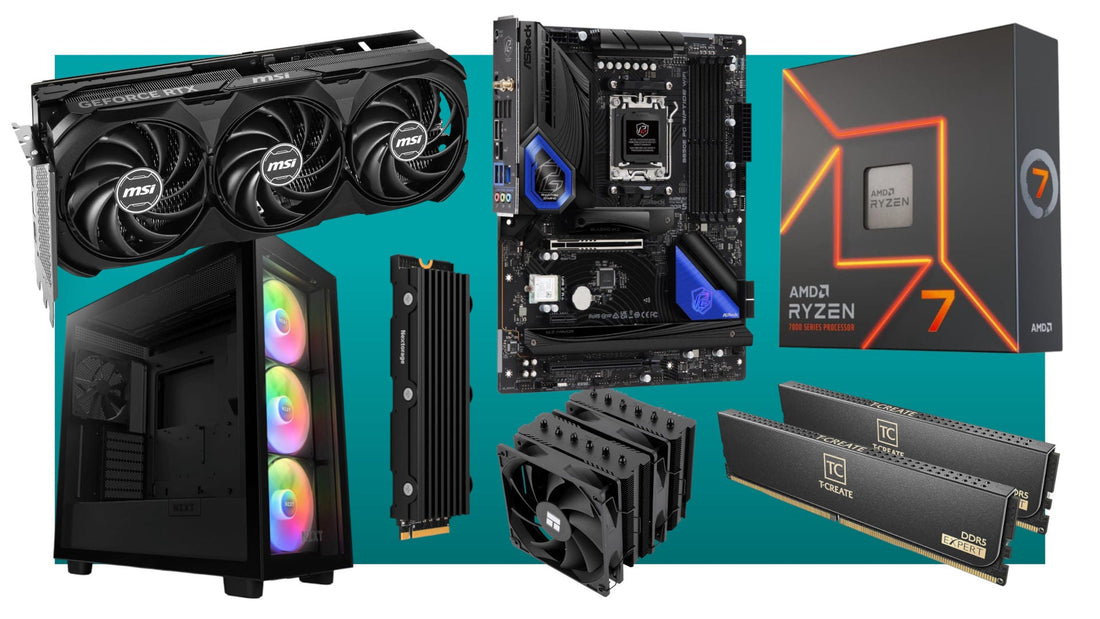
Credit: www.helpcomputercentre.co.uk
Optimizing Cpu For Gaming
The CPU plays a key role in gaming performance. Optimizing it helps games run smoother and faster. A well-tuned CPU reduces lag and improves frame rates. Small changes can make a big difference in gameplay experience.
Optimizing your CPU means adjusting settings and hardware to get the best output. It involves managing speed, temperature, and software to match your gaming needs. This guide covers ways to improve CPU performance safely and effectively.
Overclocking Benefits And Risks
Overclocking increases CPU speed beyond its default limit. This boosts game performance by handling tasks faster. Many gamers use overclocking to get extra frames per second.
Risks include overheating and system instability. Overclocking can shorten CPU lifespan if done improperly. Always monitor temperatures and use proper cooling. Start with small speed increases and test for stability.
Cooling Solutions For Cpus
Good cooling keeps your CPU running at safe temperatures. It prevents overheating during intense gaming sessions. Common solutions are air coolers and liquid cooling systems.
Air coolers use fans and heat sinks to move heat away. Liquid cooling uses water and radiators for better heat transfer. Choose cooling based on your CPU model and case size. Clean dust regularly to maintain cooling efficiency.
Software Tweaks To Boost Performance
Software tweaks can improve CPU efficiency in games. Update your drivers and BIOS for better hardware support. Disable background apps that use CPU power.
Use game mode settings in your operating system to prioritize gaming. Adjust power settings to high performance. These small changes free up CPU resources for gaming tasks.
Future-proofing Your Gaming Pc
Building a gaming PC that lasts is important. Future-proofing means choosing parts that stay useful for years. The CPU plays a big role in this. A strong CPU keeps your PC ready for new games and software. It helps avoid early upgrades and saves money over time.
Upcoming Cpu Technologies
New CPUs bring better speed and power efficiency. Technologies like more cores and threads improve multitasking. AI and machine learning features start appearing in CPUs. These help games run smoother and smarter. Support for faster memory and PCIe versions also grows. These changes make PCs ready for future software demands.
Choosing Cpus For Longevity
Pick CPUs with higher core counts and clock speeds. More cores help run new games and apps well. Look for CPUs with good cooling and power use. Popular brands update drivers often for better performance. Avoid very cheap models that may fail faster. Balance price and features for the best long-term value.
Upgrading Strategies
Start with a solid CPU and plan gradual upgrades. Upgrade RAM or storage before changing the CPU. Choose a motherboard that supports future CPU models. This keeps options open for better CPUs later. Regular software updates help keep performance steady. Small upgrades extend your PC’s life without full replacement.
Frequently Asked Questions
Is Cpu Important For Gaming Pc Performance?
Yes, the CPU is crucial for gaming PC performance. It handles game logic, physics, and AI, affecting gameplay smoothness and responsiveness.
How Does Cpu Affect Gaming Frame Rates?
CPU impacts frame rates by processing game data and instructions. A powerful CPU reduces bottlenecks, enabling higher and more stable frame rates.
Can A Weak Cpu Limit Gaming Experience?
A weak CPU can bottleneck your system, causing low frame rates and stutter, even with a strong GPU. Balanced specs improve gaming.
Should I Prioritize Cpu Or Gpu For Gaming Pc?
For gaming, prioritize a strong GPU, but don’t neglect the CPU. Both components must work well for optimal performance.
Conclusion
A good CPU helps your gaming PC run smooth and fast. It handles many tasks that games need to work well. Without a strong CPU, games may lag or freeze. Pairing a good CPU with the right parts is smart.
It makes sure you enjoy your games without problems. Choosing the right CPU depends on your budget and games. Remember, a balanced PC gives the best gaming experience. Keep your CPU updated and clean for long use. Gaming feels better with the right CPU power.
