
Are you worried about your PC running too hot? Knowing your CPU temperature is key to keeping your computer safe and running smoothly.
If you’re using Windows 11, checking your CPU temp might seem tricky, but it’s easier than you think. In this guide, you’ll learn simple and effective ways to monitor your CPU temperature right now. Keep reading to protect your device and boost its performance effortlessly.
Check Cpu Temp Using Task Manager
Checking your CPU temperature helps keep your computer safe from overheating. Windows 11 offers tools to monitor system performance. Task Manager is one of these tools. It shows CPU usage but does not show temperature directly. You need to use other methods or third-party apps to see the exact CPU temp.
Still, Task Manager helps you understand how hard your CPU is working. High CPU usage can cause higher temperatures. Monitoring this can prevent damage and keep your PC running smoothly.
Open Task Manager
Right-click the taskbar at the bottom of the screen. Select “Task Manager” from the menu that appears. You can also press Ctrl + Shift + Esc keys together. This opens the Task Manager window quickly.
Go To Performance Tab
Inside Task Manager, click the “Performance” tab at the top. This tab shows your CPU, memory, disk, and network usage. Click on “CPU” on the left side. Here, you see the real-time CPU usage and speed.
Understand Cpu Usage And Temperature
Task Manager shows CPU usage percentage and speed. High usage means the CPU works harder and may get hotter. Task Manager does not show temperature. Use this info with other tools to check CPU temp accurately.
Credit: pureinfotech.com
Use Windows Settings For Cpu Monitoring
Windows 11 includes built-in tools to check CPU temperature and performance. These tools help you watch your processor’s health without extra software. Monitoring CPU temperature is important to avoid overheating and keep your PC running smoothly.
Windows Settings show basic info about CPU usage and speed. For detailed temperature data, you can use the Task Manager and other system tools. Here are easy steps to use Windows Settings for CPU monitoring.
Open Task Manager To Check Cpu Usage
Task Manager shows how much your CPU is working. Press Ctrl + Shift + Esc to open it quickly. Click the Performance tab to see CPU activity in real time. This helps spot high CPU use, which might raise the temperature.
Use Windows Security For Device Performance
Windows Security offers a simple health report. Open Settings, then go to Privacy & Security. Select Windows Security, and click Device Performance & Health. This section gives an overview of hardware health including the CPU.
Enable Core Temperature Reading In Bios
Windows Settings alone do not always show exact CPU temperature. To get temperature info, check your PC’s BIOS. Restart your computer and press the BIOS key (like F2 or Delete). Inside BIOS, find the hardware monitor section for CPU temperature details.
Install Third-party Cpu Temp Tools
Checking your CPU temperature helps keep your PC safe from overheating. Windows 11 does not show CPU temps by default. You can use third-party tools to see this important information. These tools are easy to install and use. They give clear readings and extra features for better monitoring.
Popular Cpu Temperature Apps
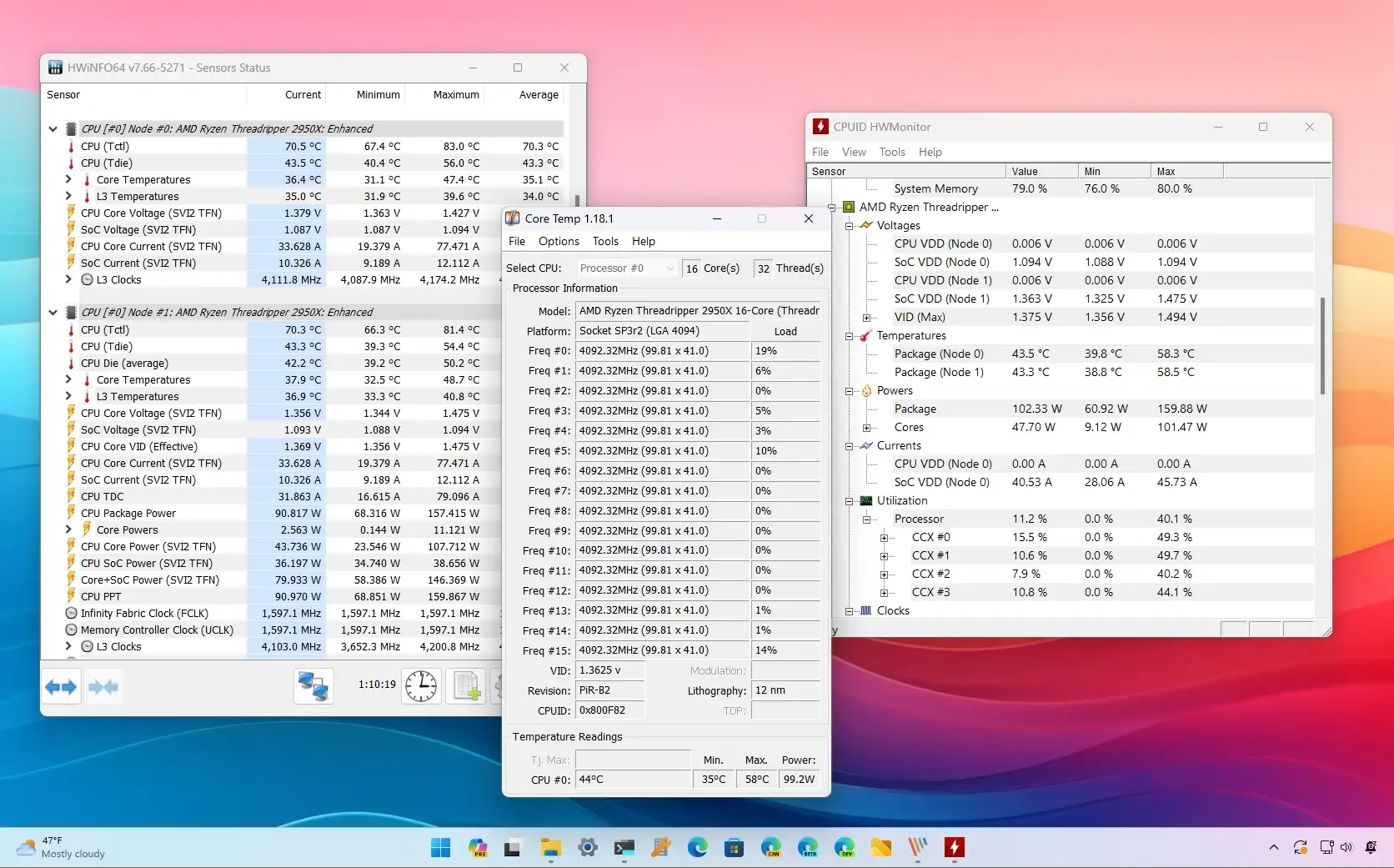
Several apps show CPU temperature on Windows 11. HWMonitor is a popular choice. It shows temperatures, voltages, and fan speeds. Core Temp focuses on CPU temperature only. It is simple and lightweight. SpeedFan not only shows temperatures but also controls fan speeds. Real Temp is made for Intel CPUs and provides accurate temps. Each app works well and offers free versions.
How To Install And Use
Start by downloading the app from the official website. Avoid third-party sites to stay safe. Run the installer and follow the steps on screen. Open the app after installation. You will see your CPU temperature on the main screen. Some apps show temperatures for each CPU core. Check the readings regularly to avoid overheating. Most apps run quietly in the background. You can set alerts for high temperatures in some apps. This helps prevent damage to your PC.

Credit: www.wikihow.com
Monitor Cpu Temp Through Bios
Monitoring your CPU temperature through BIOS is a simple and reliable method. BIOS shows real-time hardware information, including CPU temperature. This helps check if your CPU runs too hot or cool. It is useful for basic system health checks without extra software.
Accessing Bios On Windows 11
Turn off your PC completely. Press the power button to start it again. Quickly press the BIOS key repeatedly. Common keys are F2, Delete, or Esc. The correct key depends on your PC brand. Keep pressing until the BIOS screen appears. If Windows starts loading, restart and try again.
Finding Cpu Temperature Data
In BIOS, navigate using arrow keys. Look for a tab called Hardware Monitor or PC Health. CPU temperature is usually listed here. It shows the temperature in Celsius or Fahrenheit. Note the temperature before you exit BIOS. Press the key to save and exit or restart your PC.
Tips For Keeping Cpu Temperature Low
Keeping your CPU temperature low is key to good computer performance. High heat can slow your PC and cause damage. Simple steps help your CPU stay cool and work well longer.
These tips help you control temperature easily. They improve cooling and keep your system healthy.
Improve Airflow And Cooling
Good airflow moves hot air away from your CPU. Use fans to push cool air in and pull hot air out. Make sure vents are not blocked. Place your computer in a cool, open space. Avoid putting it on soft surfaces like beds or carpets. Consider adding more fans if needed. Liquid cooling can help if you want extra cooling power.
Regular Maintenance Practices
Dust blocks airflow and traps heat. Clean your PC regularly with compressed air. Check fan blades for dust build-up. Replace old thermal paste between your CPU and cooler every year. Update your BIOS and drivers to keep hardware working well. Monitor CPU temperature often to catch issues early. Small steps keep your system running cool and safe.
:max_bytes(150000):strip_icc()/A3-CheckCPUTemperatureinWindows11-annotated-7777f3a0139042ed84a35e292c8e5310.jpg)
Credit: www.lifewire.com
Frequently Asked Questions
How Can I Check Cpu Temperature On Windows 11?
You can check CPU temperature using third-party apps like HWMonitor or Core Temp. Windows 11 doesn’t have a built-in tool for this. Install and open these apps to view real-time CPU temperature easily and keep your system safe from overheating.
Does Windows 11 Have A Built-in Cpu Temperature Monitor?
No, Windows 11 does not include a built-in CPU temperature monitor. You need to use reliable third-party software such as HWMonitor, Core Temp, or Speccy. These tools provide accurate temperature readings and help you monitor your CPU’s health effectively.
Why Is Monitoring Cpu Temperature Important On Windows 11?
Monitoring CPU temperature helps prevent overheating, which can damage hardware and reduce performance. It ensures your system runs smoothly, avoids crashes, and extends your CPU’s lifespan. Regular checks allow timely action if temperatures rise too high, keeping your Windows 11 PC safe.
Can Bios Show Cpu Temperature In Windows 11?
Yes, you can view CPU temperature in BIOS on Windows 11 PCs. Restart your computer and enter BIOS/UEFI setup. Look for hardware or system monitor sections to find current CPU temperature readings. This method works without installing extra software.
Conclusion
Checking your CPU temperature in Windows 11 helps keep your computer safe. Too much heat can slow down your PC or cause damage. Use simple tools or built-in options to see the temperature quickly. Regularly watching your CPU temp can prevent issues before they start.
Stay aware and keep your system running smoothly. Small steps make a big difference in computer health.
