
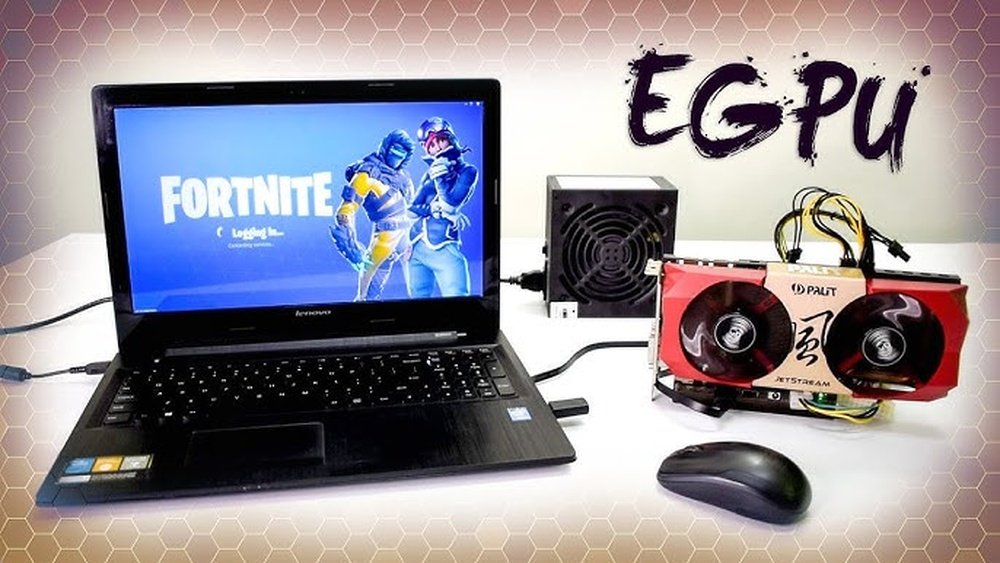
Are you tired of your laptop struggling with heavy games or demanding graphic tasks? What if you could boost its power without buying a new computer?
Using an external GPU (eGPU) might be the game-changer you need. Imagine turning your lightweight laptop into a graphics powerhouse, ready to handle everything from video editing to smooth gaming. You’ll discover exactly how to set up and use an external GPU for your laptop, step by step.
Ready to unlock your laptop’s true potential? Keep reading to find out how easy it can be.
Credit: www.liftingitalia.com
Benefits Of External Gpus
External GPUs bring many benefits to laptop users. They improve graphics power without buying a new laptop. This upgrade helps with gaming, creative work, and overall laptop use. Let’s explore the main benefits of using an external GPU.
Enhanced Graphics Performance
External GPUs boost your laptop’s graphic abilities. They handle complex visuals better than built-in GPUs. This means smoother videos and sharper images. Your laptop can run graphic-heavy apps easily. It also supports higher screen resolutions and multiple monitors.
Improved Gaming Experience
Games run faster with an external GPU. Frame rates increase, reducing lag and stutter. You enjoy better graphics and detail in games. This makes gameplay more immersive and fun. Older laptops gain new life for modern gaming.
Boosted Productivity For Creative Work
Creative tasks become faster and easier. Video editing, 3D modeling, and photo editing get a big boost. External GPUs speed up rendering and processing times. You can work on larger files without slowdowns. This helps meet deadlines and improves quality.
Extended Laptop Lifespan
External GPUs reduce stress on your laptop’s internal parts. The laptop’s built-in GPU works less, lowering heat and wear. This can extend the laptop’s overall life. You avoid buying a new machine too soon. It’s a cost-effective way to keep your laptop useful.

Credit: www.youtube.com
Choosing The Right External Gpu
Choosing the right external GPU for your laptop is important for better performance. It helps you run games, edit videos, or do other heavy tasks smoothly. Not all external GPUs work with every laptop. Knowing how to pick the right one saves time and money.
Compatibility With Your Laptop
Check if your laptop supports external GPUs. Most use Thunderbolt 3 or 4 ports. These ports allow fast data transfer. Without the right port, the external GPU will not work well. Also, check your laptop’s BIOS and drivers for eGPU support.
Types Of External Gpu Enclosures
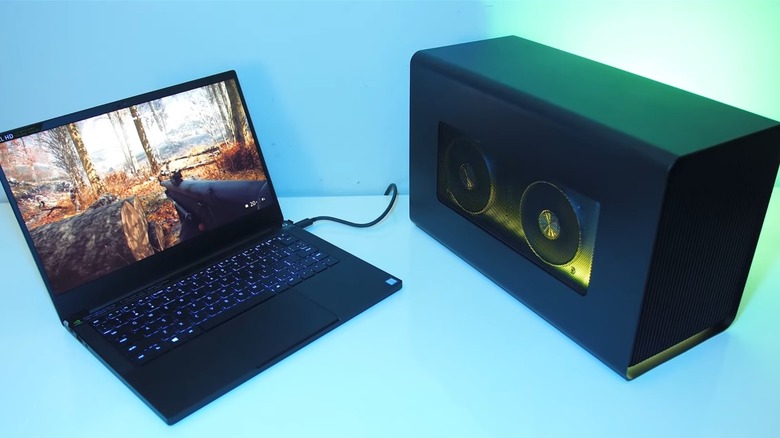
External GPU enclosures house the graphics card outside your laptop. Some are small and portable. Others are bigger and provide more power. Choose an enclosure with enough cooling and power for your GPU. Look for easy setup and good build quality.
Graphics Card Options
Pick a graphics card that fits your needs. Nvidia and AMD make popular GPUs. For gaming, a card with higher VRAM helps. For video editing, focus on CUDA cores or stream processors. Make sure the card fits inside your enclosure.
Budget Considerations
External GPUs can be costly. Factor in the price of the enclosure and the graphics card. Set a budget that matches your needs. Sometimes mid-range cards offer better value. Don’t spend too much if you only need basic improvements.
Setting Up External Gpu Hardware
Setting up an external GPU (eGPU) for your laptop can boost its graphic power significantly. The hardware setup is the first step. It needs careful attention to ensure good performance and safety. Let’s explore how to set up the external GPU hardware correctly.
Connecting The Gpu Enclosure
Start by opening the GPU enclosure case. Carefully place the graphics card inside the enclosure slot. Secure the card with screws to avoid movement. Next, close the enclosure once the card fits firmly. Connect the enclosure to your laptop using a compatible cable. Ensure the connection is tight and stable.
Power Supply Requirements
The external GPU needs a strong power supply. Check the power rating of your graphics card. The enclosure often includes a power supply unit (PSU). Make sure the PSU matches the card’s needs. Use the original power cables provided with the enclosure. Avoid using low-quality or damaged cables.
Cable And Port Selection
Choose the right cable for your eGPU connection. Thunderbolt 3 or 4 ports are the best options for speed. Confirm your laptop has these ports before buying cables. Use certified Thunderbolt cables for the best data transfer. Avoid USB-C cables without Thunderbolt support. This ensures the GPU works at full speed.
Physical Placement Tips
Place the GPU enclosure on a flat, stable surface. Avoid cramped spaces to allow airflow. Keep it away from direct sunlight or heat sources. Leave space around the enclosure for cooling vents. Good airflow prevents the GPU from overheating. Position the enclosure close to your laptop for easy cable management.
Configuring Software For External Gpu
Configuring software for an external GPU is essential after hardware setup. It ensures the laptop recognizes and uses the external graphics card correctly. Proper software setup improves performance and prevents errors.
This section covers key steps like installing drivers, adjusting system settings, optimizing GPU performance, and fixing common problems.
Installing Drivers
Start by downloading the latest drivers from the GPU manufacturer’s website. These drivers allow your laptop to communicate with the external GPU. Use official sources only to avoid malware or faulty software.
Run the installation program and follow the instructions carefully. Restart your laptop after the installation completes. This helps the system detect the new hardware properly.
Adjusting System Settings
Open your laptop’s display settings to select the external GPU as the main processor for graphics tasks. This change directs games and apps to use the external GPU instead of the internal one.
On Windows, go to Graphics Settings and assign high-performance GPU to your preferred programs. Mac users can check the “Prefer External GPU” option if available.
Optimizing Gpu Performance
Use GPU management software from your graphics card maker. These tools help adjust clock speeds, fan controls, and power settings. Proper tuning can improve performance and reduce overheating.
Keep your drivers updated to benefit from the latest improvements and fixes. Regular maintenance keeps the external GPU running smoothly.
Troubleshooting Common Issues
Common problems include the laptop not detecting the external GPU or low performance. Restart your laptop and check all cable connections first.
Verify driver installation and system settings if problems persist. Reinstalling drivers often solves detection issues. Consult support forums or official help if needed.
Maximizing External Gpu Performance
Using an external GPU (eGPU) can boost your laptop’s graphic power. To get the best from your eGPU, focus on performance. Small changes can make a big difference. Monitor, update, and manage your setup carefully. Balance power with portability for the best experience.
Monitoring Gpu Usage
Keep an eye on your eGPU’s activity. Use software tools like Task Manager or GPU-Z. These programs show how much your GPU is working. Spotting low or high usage helps find problems. Adjust settings or close unused apps to improve performance. Regular checks keep your eGPU running smoothly.
Updating Drivers Regularly
GPU drivers control how your hardware talks to your laptop. Outdated drivers can slow down performance or cause errors. Visit the GPU maker’s website for the latest drivers. Install updates often to fix bugs and add improvements. Up-to-date drivers keep your eGPU fast and stable.
Managing Thermal Performance
Heat slows down your eGPU and laptop. Make sure your setup has good airflow. Use cooling pads or external fans if needed. Keep vents clear of dust and blockages. Monitor temperatures with software tools. Lower temperatures help your eGPU work better and last longer.
Balancing Power And Portability
Using an eGPU adds weight and uses more power. Choose a lightweight eGPU box if you move often. Check power settings to save battery life. Plug in your laptop during heavy use to avoid slowdowns. Find the right balance for your needs and lifestyle.

Credit: www.pcworld.com
Use Cases For External Gpus
External GPUs (eGPUs) give laptops more graphic power. They connect through ports like Thunderbolt 3. This helps laptops handle tasks that need strong graphics. Many users find eGPUs useful for different activities. Below are common uses for external GPUs.
Gaming And Vr Applications
Laptops often lack strong graphics for modern games. An eGPU boosts frame rates and graphics quality. It allows playing games smoothly at higher settings. Virtual reality (VR) also needs fast graphics. External GPUs support VR headsets for better experience. Gamers enjoy richer visuals and less lag.
3d Rendering And Video Editing
Rendering 3D models needs heavy graphics power. External GPUs speed up rendering times. Video editing also benefits from an eGPU. It helps with faster previews and exports. Editors work more efficiently with smooth playback. Laptops handle large files better with extra GPU power.
Machine Learning And Ai Tasks
Machine learning needs strong computing skills. GPUs process many tasks at once. Using an eGPU boosts data training speed. AI programs run faster with more GPU cores. Researchers and developers save time on complex jobs. Laptops become more capable for AI workloads.
General Productivity Enhancements
External GPUs improve overall laptop performance. They help with multiple monitors and high resolutions. Designers and professionals get sharper visuals. Everyday tasks run smoother with extra graphics power. eGPUs extend laptop life by boosting capability. Users can handle demanding software easily.
Common Challenges And Solutions
Using an external GPU with a laptop brings better graphics performance. Many users face common problems that slow down or block this setup. Knowing these issues helps fix them quickly. The main challenges include connection speed, hardware fit, power needs, and software glitches.
Latency And Bandwidth Limitations
External GPUs connect through ports like Thunderbolt. These ports have limits on data speed. This causes delays in graphics processing, called latency. It can lower game frame rates and cause stutter.
Choose laptops with fast ports, such as Thunderbolt 3 or 4. Use short, high-quality cables to reduce signal loss. Avoid running many devices on the same port.
Compatibility Problems
Not all laptops support external GPUs well. Some lack proper ports or BIOS support. This causes the eGPU not to work or be detected.
Check your laptop’s compatibility before buying an eGPU. Look for models with confirmed eGPU support. Update your laptop’s BIOS and drivers for better compatibility.
Power Delivery Issues
External GPUs need a lot of power. Some laptops cannot supply enough power through their ports. This can cause crashes or poor performance.
Use an external power supply designed for the eGPU. Avoid relying on the laptop’s battery or weak adapters. Make sure the power source matches the eGPU’s requirements.
Software Conflicts
Graphics drivers and software can clash with the eGPU setup. This may cause crashes or poor graphics output. Some programs do not recognize the external GPU.
Keep your graphics drivers up to date. Use software from the eGPU manufacturer. Disable the laptop’s internal GPU if needed for better results.
Frequently Asked Questions
What Is An External Gpu For A Laptop?
An external GPU (eGPU) is a graphics card housed outside a laptop. It boosts graphics performance for gaming, video editing, and 3D tasks. EGPUs connect via Thunderbolt 3 or USB-C, allowing laptops with weak GPUs to handle intensive graphics smoothly.
How Do I Connect An External Gpu To My Laptop?
You connect an eGPU to your laptop using a Thunderbolt 3 or USB-C port. Ensure your laptop supports these connections. After connecting, install necessary drivers and software to enable the eGPU for improved graphics performance.
Can All Laptops Use An External Gpu?
Not all laptops support external GPUs. Your laptop must have a Thunderbolt 3 or compatible USB-C port. Also, check BIOS and driver support for eGPU functionality. Gaming and professional laptops are more likely to support eGPUs.
Does An External Gpu Improve Laptop Gaming Performance?
Yes, an external GPU significantly boosts gaming performance. It offloads graphics processing from the laptop’s internal GPU. This results in higher frame rates, better graphics quality, and smoother gameplay on compatible laptops.
Conclusion
Using an external GPU can boost your laptop’s graphics power. It helps run games and software more smoothly. Make sure your laptop supports the connection type needed. Choose the right external GPU that fits your needs. Keep drivers and software updated for the best results.
This setup is a smart way to improve performance without buying a new laptop. Try it step by step and enjoy better graphics today.
