
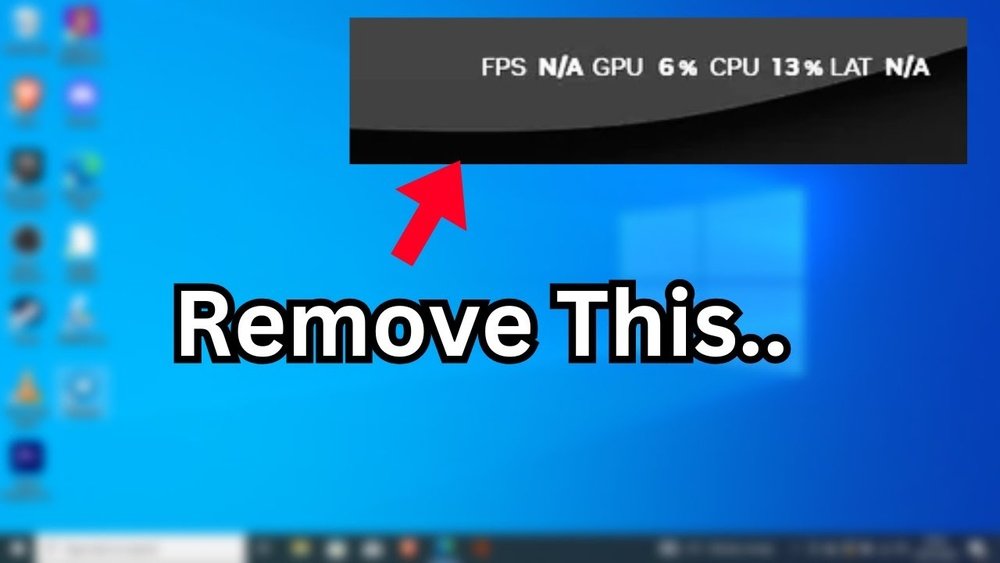
Are you tired of the constant numbers cluttering your screen while gaming or working? Seeing FPS, GPU, CPU, and latency stats can be helpful, but sometimes they just get in the way.
If you want a cleaner, distraction-free display, learning how to turn off these overlays is the key. You’ll discover simple steps to easily disable the FPS, GPU, CPU, and latency display on your device. Keep reading to take control of your screen and enjoy a smoother, clearer experience.

Credit: www.reddit.com
Why Turn Off Fps, Gpu, And Cpu Latency Display
Turning off the FPS, GPU, and CPU latency display can help create a cleaner screen view. These overlays show technical details about your system’s performance. They can be useful for some users but distracting for others. Understanding why to disable these displays helps improve your overall experience.
Common Reasons For Disabling
Many users find the constant numbers and graphs distracting. It can block important game or app visuals. Some people do not understand the data, so it feels confusing. Others want to save system resources by turning off extra displays. These overlays may also slow down older computers slightly. Turning them off gives a simpler and clearer screen.
Impact On Performance And Experience
Disabling these displays can improve your visual focus. You see the full screen without any clutter. This can help you enjoy games or apps better. It may also reduce minor slowdowns on some systems. The system uses less power without running these overlays. Overall, it creates a smoother and cleaner user experience.

Credit: www.reddit.com
Methods To Disable Fps Display
Many games and software show FPS, GPU, CPU, and latency data on your screen. Sometimes, this display can distract or cover important parts of the game. Knowing how to turn off these overlays helps keep your screen clean. Different methods exist to disable these displays depending on the tool or software you use.
Choose the method that fits your setup and preferences. Below are common ways to turn off the FPS and performance display.
Using In-game Settings
Some games have built-in options to show or hide FPS and performance data. Usually, this option is in the settings menu under “Display” or “Graphics.” Look for terms like “Show FPS,” “Performance Stats,” or “Overlay.” Turn these options off to remove the data from your screen.
Check the game’s controls or hotkeys too. Some games let you toggle the FPS display with a simple key press. This method is quick and does not require leaving the game.
Through Graphics Card Software
Graphics card programs often add performance overlays. NVIDIA users can use GeForce Experience, and AMD users have Radeon Software. Both tools offer settings to enable or disable FPS and hardware stats overlays.
Open the software and find the overlay or in-game overlay section. Turn off the FPS or performance display here. This method stops the data from appearing in all games using that graphics card.
Third-party Tools And Overlays
Many gamers use extra software to show FPS and system performance. Popular tools include MSI Afterburner, RivaTuner, and Discord overlay. These tools add extra features but also show on-screen data by default.
Open the tool’s settings and look for overlay or monitoring options. Disable the FPS or performance display. Closing the tool also stops the overlay from showing. This approach works for overlays not controlled by the game or graphics card software.
Steps To Turn Off Gpu Usage Display
Turning off the GPU usage display helps keep your screen clean. This display often shows real-time GPU activity and can distract users. The steps vary depending on your graphics card and system settings. Below are easy ways to disable this feature.
Follow these simple steps to turn off the GPU usage display on different platforms.
Nvidia Control Panel Options
Open the NVIDIA Control Panel by right-clicking on your desktop. Select “Display” from the left menu. Click on “Desktop Color Settings” or “HUD” options if available. Look for GPU usage overlay settings. Uncheck or disable the GPU usage display option. Apply changes and close the panel. The GPU usage display should no longer show on your screen.
Amd Radeon Software Settings
Right-click on your desktop and open AMD Radeon Software. Navigate to the “Performance” tab. Find the “Metrics Overlay” or “GPU Usage Display” section. Toggle the option off to disable the display. Close the software to save changes. The GPU usage information will stop appearing on the screen.
Windows Task Manager Tips
Open Task Manager by pressing Ctrl + Shift + Esc. Go to the “Performance” tab. Click on “GPU” to see usage data. To hide this, simply close Task Manager. For persistent overlays, check if any monitoring apps are running. Exit or disable those apps from startup. This stops GPU usage from showing continuously.

Credit: www.youtube.com
Disabling Cpu Latency Display
Disabling CPU latency display helps clear your screen from extra data. It makes your view simpler and less distracting. Many users want to turn off this feature to focus on core tasks. Removing CPU latency info can improve how you see game or app performance. This section shows easy steps to disable it.
Monitoring Software Settings
Most CPU latency displays come from monitoring software. Open the software you use to track CPU data. Look for options related to latency or CPU info on screen. Find the setting that shows latency numbers or graphs. Turn off or uncheck this option to hide latency display. Save changes and close the software. Check your screen to confirm latency info is gone.
Adjusting System Performance Tools
Some computers have built-in tools to show CPU latency. Open your system’s performance or task manager tool. Find any active overlays or performance graphs. Look for CPU latency or similar labels. Disable the overlay or performance data that shows latency. This will stop the CPU latency from appearing on your screen. Restart your computer if needed to apply changes.
Troubleshooting Common Issues
Troubleshooting common issues helps solve problems fast. Turning off FPS, GPU, CPU, or latency display may cause unexpected errors. Knowing how to fix these issues saves time. It improves your device’s performance and your user experience.
Display Not Turning Off
The display might stay on after trying to disable it. This happens if the software does not respond well. Check if the app or tool is up to date. Restart the device to refresh system settings. Try turning off the display again. If it still stays on, close other apps that might block changes.
Software Conflicts
Multiple programs may try to control the same display settings. This causes conflicts and errors. Disable or uninstall extra tools that manage FPS or CPU data. Use only one trusted software at a time. Conflicts often stop the display from turning off properly. Keep your software updated to reduce these problems.
Performance Impact After Disabling
Disabling FPS or CPU display usually improves performance. But some devices may slow down or freeze. This happens if the system struggles without the display data. Watch your device’s behavior after turning off the display. If performance drops, try enabling the display again or restart the device. Adjust settings to find the best balance for your system.
Tips For Managing System Monitoring Displays
Managing system monitoring displays can improve your computer experience. These displays show important info like FPS, GPU, CPU, and latency. Sometimes, they can block your view or slow your game. Learning to control these overlays helps you focus and enjoy better performance.
Here are simple tips to adjust these displays to your needs. Balance is key. Keep important data visible but do not let it disturb your screen.
Customizing Overlay Visibility
Many apps let you change overlay settings. You can hide the display or make it smaller. Choose where it appears on your screen. Pick a corner that does not block game details. Some software allows you to change colors or transparency. This helps the info blend in better.
Turning off monitoring temporarily is easy too. Use hotkeys or app menus to switch overlays on and off. This control lets you check stats only when needed.
Balancing Monitoring And Gameplay
Too much info can distract you from playing. Turn off overlays during intense moments. Focus on the game, not numbers. Check stats in breaks or after matches.
Find a middle ground. Keep some data visible but reduce clutter. Use minimal displays showing only vital info like FPS. This keeps you informed without losing focus.
Adjust settings often. Your needs change with games and tasks. Simple tweaks improve both performance and enjoyment.
Frequently Asked Questions
How Do I Disable Fps Display On My Pc?
To disable FPS display, open your game or software settings. Navigate to the performance or overlay section. Turn off the FPS counter or overlay option. Restart the application if needed to apply changes.
Can I Turn Off Gpu And Cpu Usage Overlays?
Yes, GPU and CPU overlays can be turned off via the graphics card software or system utilities. Open your GPU control panel or monitoring app, locate overlay settings, and disable the usage display.
Why Should I Turn Off Latency Display On My System?
Turning off latency display reduces screen clutter and improves focus. It also saves system resources by stopping constant monitoring, which can slightly boost performance during gaming or heavy tasks.
Does Disabling Fps And Latency Displays Improve Performance?
Disabling these overlays may improve performance slightly by freeing up system resources. However, the impact is usually minimal and mostly benefits lower-end systems during intensive tasks.
Conclusion
Turning off the FPS, GPU, and CPU latency display is simple and quick. You can enjoy a cleaner screen and focus better on your tasks. Just follow the steps carefully to avoid confusion. This way, your computer screen looks neat without extra information.
Remember, you can always turn the display back on if needed. Keep your device running smoothly and enjoy a better viewing experience every time.
