
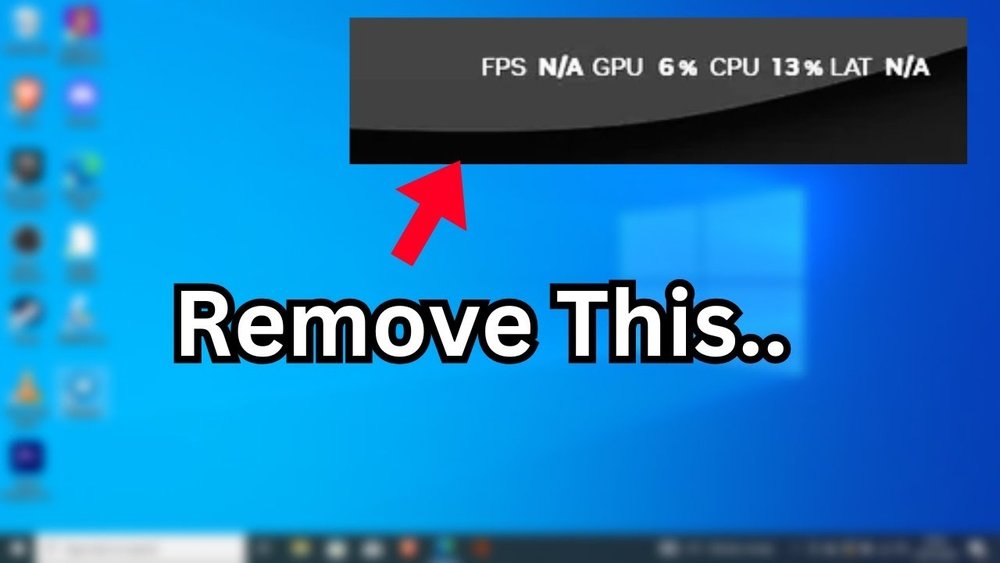
Are those constant FPS, GPU, CPU, and latency numbers on your screen distracting you while you’re gaming or working? You’re not alone.
Many people find these stats helpful at first but soon realize they clutter the display and steal focus from what really matters. If you want a cleaner, smoother screen experience, learning how to turn off these overlays is the key.
This guide will show you simple steps to hide those numbers and enjoy your screen without distractions. Keep reading, and take back control of your display!

Credit: www.youtube.com
Reasons To Disable Fps And Hardware Stats
Displaying FPS, GPU, CPU, and latency stats can help monitor your system. Yet, there are good reasons to turn these stats off. Many users prefer a clean screen without extra numbers. Others want to avoid performance drops or protect their privacy. Understanding these reasons can help decide when to disable hardware stats.
Impact On Performance
Showing hardware stats uses extra system resources. This can cause slight drops in game or app performance. Turning off these displays frees up power for smoother use. It also reduces the chance of lag or stutter during tasks. Disabling stats helps maintain the best possible speed.
Reducing Screen Clutter
Numbers and graphs on the screen can distract from content. They take up space and block important details. Removing the display makes the screen look cleaner and neater. This helps focus on games, videos, or work without interruptions. A clear screen improves the overall experience.
Privacy Considerations
Hardware stats can reveal device activity and usage patterns. This information might be visible to others during streaming or sharing. Turning off these stats keeps your system details private. It prevents accidental sharing of sensitive performance data. Privacy control is easier without visible hardware info.

Credit: www.reddit.com
Common Tools Showing Fps And Hardware Stats
Many games and software display FPS, GPU, CPU, and latency stats. These tools help users monitor performance easily. Sometimes, these displays may distract or slow down gameplay. Knowing where these stats come from makes turning them off simple.
In-game Overlays
Many games have built-in overlays showing FPS and hardware stats. Popular game platforms like Steam and Origin include this feature. Users can toggle overlays on or off in the game settings. This method does not require extra software. It keeps the display clean during gameplay.
Third-party Software
Software like MSI Afterburner and RivaTuner shows detailed hardware stats. These programs often run in the background. They create on-screen displays to track FPS, temperature, and usage. Users can disable these overlays through the software’s control panel. This stops stats from showing in games.
Operating System Features
Some operating systems include tools that show hardware stats. Windows Game Bar is a common example. It can display FPS and performance metrics during play. Users access these stats with a keyboard shortcut. Turning off the display happens in the Game Bar settings.
Disabling Fps And Latency In Game Settings
Disabling FPS and latency displays in your game settings can help create a cleaner screen. This is useful for players who want a better view without extra information cluttering the interface. Turning off these overlays can also reduce distractions during gameplay. Many games allow you to easily switch off these performance indicators through their settings menus.
Accessing Graphics Options
Start by opening your game’s main menu. Look for the “Settings” or “Options” tab. Within this menu, find the section labeled “Graphics” or “Display.” This area controls visual elements and overlays. Here, you can locate options related to performance displays like FPS and latency.
Some games separate these settings under “Advanced” graphics. Scroll through the list until you spot FPS or latency toggles. These may be called “Performance Overlay,” “Debug Info,” or “HUD Display.” Selecting these options allows you to enable or disable the displays.
Turning Off Performance Overlays
Once inside the graphics options, look for checkboxes or switches next to FPS and latency labels. Uncheck or turn off these to remove the numbers from your screen. In some games, pressing a hotkey can also toggle these displays on or off. Check the game’s control settings to find this shortcut.
After disabling, apply the changes and return to the game. The screen should now be free of FPS, GPU, CPU, or latency data. This creates a cleaner view and can improve your gaming experience.
Turning Off Fps And Hardware Stats In Software
Turning off FPS and hardware stats in software helps clean up your screen. It lets you focus on the game or task without distractions. Many programs show these stats by default, but you can disable them easily. Below are common tools and how to turn off their overlays.
Steam Overlay Settings
Open Steam and go to the Settings menu. Click on the In-Game tab. Find the option called “In-game FPS counter.” Click the drop-down menu and select “Off.” This stops Steam from showing FPS during gameplay. You can also disable other stats here if available. Restart your game to see the changes.
Nvidia Geforce Experience
Launch NVIDIA GeForce Experience on your PC. Click the Settings icon in the top right. Choose the “General” tab and look for “In-Game Overlay.” Click “Settings,” then “HUD Layout.” Find the FPS counter option. Switch it to “Off” to hide the FPS and hardware stats. Close the overlay settings and check your game to confirm.
Amd Radeon Software
Open AMD Radeon Software from your system tray or start menu. Go to the Performance tab. Click on Metrics Overlay. Toggle off the “Show Metrics Overlay” option. This action removes FPS, GPU, and CPU stats from the screen. Exit the software to save your settings. Your screen will no longer display hardware stats.
Msi Afterburner
Start MSI Afterburner on your computer. Click the Settings gear icon. Go to the “Monitoring” tab. Uncheck the boxes next to “Framerate,” “GPU Usage,” “CPU Usage,” or any stat you want to hide. Make sure “Show in On-Screen Display” is unchecked. Click OK to save changes. Restart your game to see a clean screen.
Disabling Hardware Monitoring On Windows
Disabling hardware monitoring on Windows can help reduce distractions during gaming or work. Many users want to hide FPS, GPU, CPU, and latency displays shown by different tools. These displays often come from built-in or third-party apps that track your hardware performance in real-time. Turning off these monitors improves screen clarity and can boost system focus.
This section explains how to disable hardware monitoring using Windows tools and common apps. The steps are simple and do not require advanced knowledge. Follow along to clean up your screen and stop hardware stats from showing.
Task Manager And Performance Tab
Windows Task Manager shows CPU, GPU, and memory usage live. It also displays FPS in some cases.
Open Task Manager by pressing Ctrl + Shift + Esc. Click the Performance tab to see hardware stats. To stop seeing these stats, close Task Manager or switch to another tab. Task Manager does not have a dedicated off switch for these displays. Simply avoid keeping it open during your activities.
Third-party Monitoring Apps
Many third-party apps show FPS, GPU, CPU, and latency on the screen. Popular examples include MSI Afterburner, RivaTuner, and Fraps.
Open the app’s settings or preferences menu. Look for options like “On-screen display” or “Hardware monitoring.” Disable these features to hide the stats overlay. Save changes and close the app if needed. This stops the hardware info from showing while you use other programs.
Tips To Prevent Stats From Reappearing
Preventing FPS, GPU, CPU, and latency stats from showing up again can save time and reduce distractions. These stats often pop up after you restart your PC or update software. Taking simple steps helps keep your screen clean and focused. Follow these tips to stop the stats from returning.
Updating Software Settings
Check the settings of your game or monitoring software. Some apps reset to default after updates. Turn off the display of stats in the settings menu. Look for options like “Show FPS” or “Display Performance Stats.” Save your changes before closing the app. Regularly update your software to keep settings stable.
Managing Startup Programs
Many performance tools start automatically with your computer. These can bring back the stats without asking. Open the task manager or system settings. Find the list of startup programs. Disable the ones that show performance stats. This stops the stats from appearing on startup. Keep only the essential programs running in the background.

Credit: www.reddit.com
Frequently Asked Questions
How Do I Disable Fps Display On My Pc?
To disable FPS display, open your graphics or game overlay settings. Locate the FPS counter option and toggle it off. This removes the FPS numbers from your screen, giving a cleaner gaming view without performance stats.
Can I Turn Off Gpu Usage Display Easily?
Yes, GPU usage display can be turned off via your system’s monitoring tool or software like MSI Afterburner. Simply find the GPU overlay or statistics section and disable the display option to hide GPU usage during gameplay.
What Is The Fastest Way To Hide Cpu Latency Display?
The fastest way is to access your game or system performance overlay settings. Disable the CPU latency or latency display option. This stops the latency information from showing on your screen, enhancing your gaming experience.
Does Turning Off Fps, Gpu, Cpu Display Affect Performance?
No, turning off these displays only hides the stats visually. It does not impact the actual hardware performance or system monitoring. It simply removes on-screen overlays for a cleaner look.
Conclusion
Turning off FPS, GPU, and CPU display helps keep your screen clean. It makes gaming and work less distracting. Follow simple steps to disable these overlays quickly. You control what shows on your screen. Keep your focus on what matters most.
Now, enjoy a clearer and smoother experience. Try these tips anytime you want a tidy display.
