
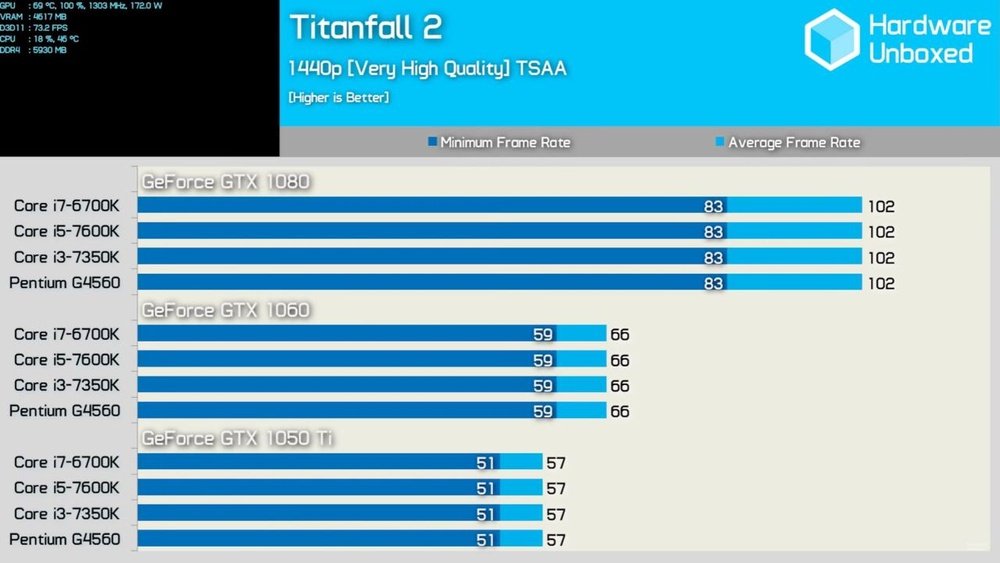
Are you noticing your games or apps aren’t running as smoothly as they should? You might be wondering if your CPU is holding back your GPU’s true power.
Knowing how to tell if your CPU is bottlenecking your GPU can save you time, money, and frustration. You’ll learn simple ways to spot this common problem and what you can do about it. Keep reading to unlock the secret to getting the most out of your computer’s performance.
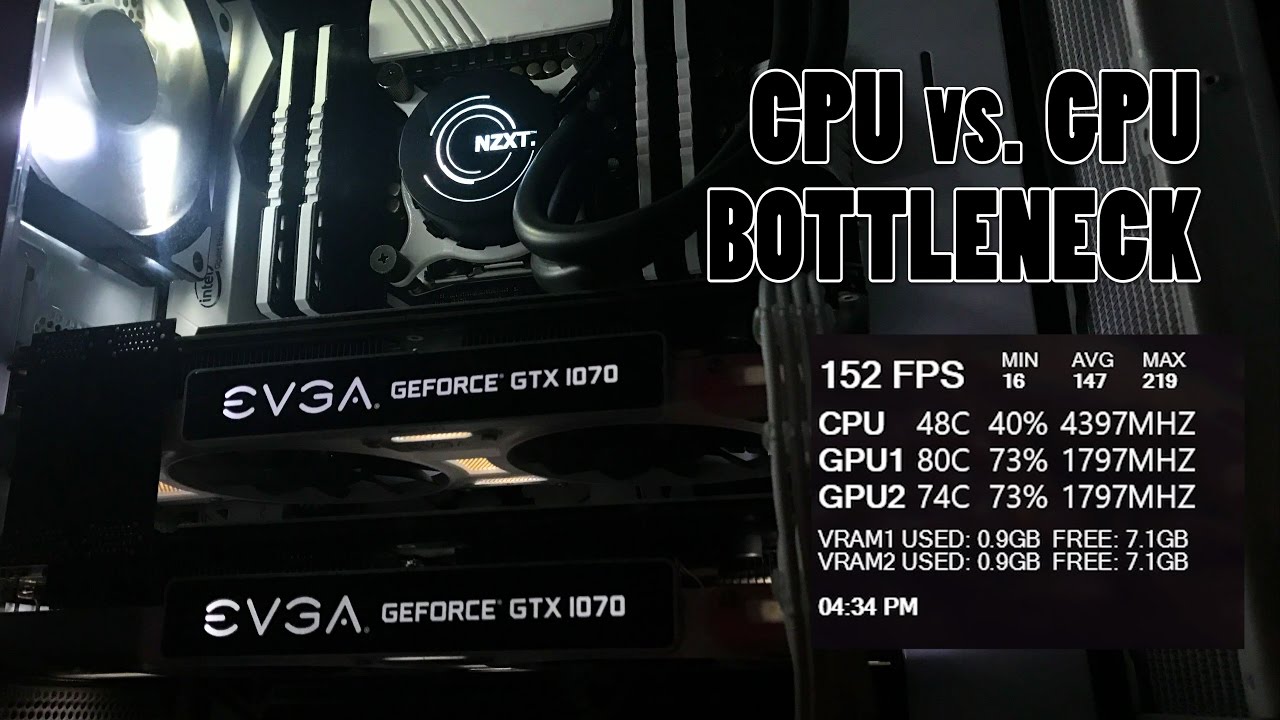
Credit: www.youtube.com
Signs Of Cpu Bottleneck
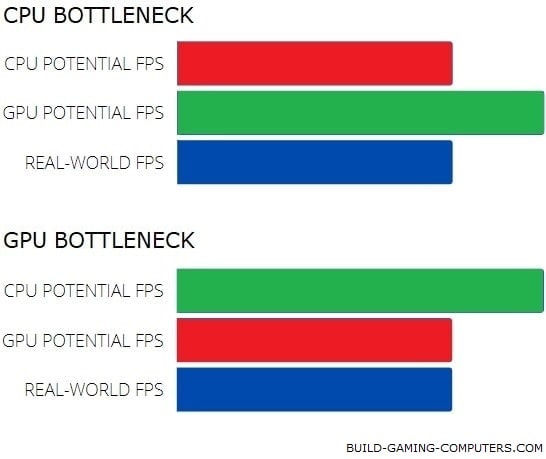
Knowing the signs of a CPU bottleneck helps improve your computer’s performance. A bottleneck happens when the CPU limits how well the GPU can work. This issue can cause lag and reduce the quality of your gaming or graphic tasks. Spotting these signs early lets you fix the problem faster.
Low Cpu Usage And High Gpu Usage
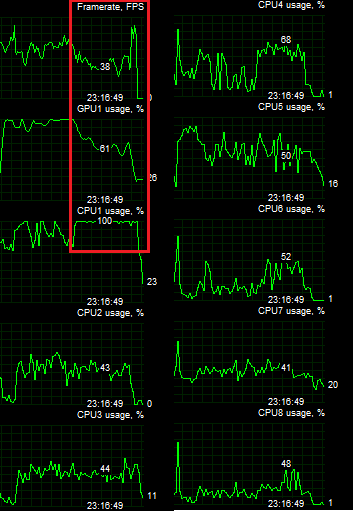
The CPU runs at low levels while the GPU works hard. This shows the CPU cannot keep up with the GPU. The GPU waits for the CPU to finish tasks before it can continue. This mismatch slows down the overall performance.
Stuttering And Frame Drops
Games and videos may suddenly freeze or jump. These stutters happen because the CPU cannot send data fast enough. Frame drops reduce the smoothness of your visuals. This creates a poor experience, especially in fast-paced games.
High Cpu Temperatures
The CPU heats up more than usual during gaming or heavy tasks. High temperatures mean the CPU is working too hard. This stress often points to a bottleneck. Cooling problems may also worsen the issue if not addressed.
Performance Differences In Games
Some games run well, while others lag or slow down. This difference can indicate a CPU bottleneck. Games that need more CPU power show weaker performance. Checking which games struggle helps identify the bottleneck source.
Tools To Check Bottleneck
Checking if your CPU is bottlenecking your GPU helps improve your computer’s performance. Several tools can help you spot this issue. These tools show how much your CPU and GPU work during tasks. Using them lets you find out if the CPU limits the GPU’s power.
Using Task Manager
Task Manager is built into Windows and easy to use. Open it by pressing Ctrl + Shift + Esc. Click the “Performance” tab to see CPU and GPU usage. If the CPU runs at 90-100% but GPU stays low, the CPU may be the bottleneck. This tool gives a quick look at how your hardware works in real time.
Third-party Monitoring Software
Third-party tools offer more detailed data than Task Manager. Programs like MSI Afterburner or HWMonitor show CPU and GPU usage, temperature, and clock speeds. These tools display graphs that help track performance during gaming or heavy tasks. They help you see if your CPU limits the GPU’s potential.
Benchmarking Utilities
Benchmarking programs test your system’s power under stress. Apps like 3DMark or Cinebench run heavy tests and score your CPU and GPU. Comparing these scores with online results tells if your CPU or GPU is weaker. Benchmarking helps you understand which part holds back your system.
Step-by-step Diagnosis
Diagnosing if your CPU is bottlenecking your GPU requires careful steps. This process helps you find the cause of slow or choppy gaming. Follow these simple steps to check your system’s performance. Each step gives clear clues about your hardware limits.
Monitor Cpu And Gpu Usage
Start by watching your CPU and GPU usage while gaming. Use tools like Task Manager or MSI Afterburner. High CPU usage with low GPU usage may mean a CPU bottleneck. If both are close to 100%, your system is balanced. This check shows which part is holding back performance.
Run Game Performance Tests
Test your games at different settings. Lower graphics settings and note the frame rate. If frame rate does not improve much, the CPU might be limiting. High frame rates at low settings mean the GPU is ready for more. Testing performance helps identify the weak link.
Compare Frame Rates At Different Settings
Change your game’s resolution and detail levels. Watch how frame rates change with each setting. A big frame rate jump at lower settings suggests CPU limits. Small changes in frame rate indicate a GPU bottleneck. This comparison gives a clear picture of which part slows you down.
Check Background Processes
Look for other programs using CPU power in the background. Close unnecessary apps before gaming. High CPU load from other software can cause bottlenecks. Keeping your CPU free helps it focus on running games smoothly.
Fixing Cpu Bottlenecks
Fixing CPU bottlenecks can improve your computer’s gaming and overall performance. A bottleneck happens when your CPU limits the power of your GPU. This makes games run slower or look worse. Fixing this issue helps your system run smoother and faster.
Adjusting Game Settings
Lower the game’s CPU-heavy settings like draw distance and shadows. This reduces the load on your CPU. Focus on settings that affect the processor more than the graphics card. This change helps balance the workload between your CPU and GPU.
Upgrading Cpu Or Gpu
Upgrade your CPU if it is older or slower than your GPU. A better CPU handles more tasks and speeds up processing. Sometimes, upgrading the GPU also helps if it is too weak. Choose parts that match well to avoid new bottlenecks.
Optimizing System Performance
Close background programs to free CPU resources. Update your operating system and drivers for better efficiency. Clean your PC from dust to avoid overheating, which slows down the CPU. Use performance mode in your system settings to boost speed.
Overclocking Considerations
Overclocking can increase CPU speed beyond factory settings. This may reduce bottlenecks but increases heat and power use. Ensure you have good cooling before overclocking your CPU. Overclock carefully to avoid hardware damage and instability.
Preventing Future Bottlenecks
Preventing future bottlenecks helps keep your computer running smoothly. It saves money and time by avoiding slowdowns. Small steps can make a big difference in performance. Focus on key areas to keep CPU and GPU balanced and efficient.
Balancing Hardware Components
Choose a CPU and GPU that work well together. Avoid pairing a very strong GPU with a weak CPU. This mismatch causes the CPU to slow down the GPU. Check benchmarks and reviews before buying new parts. Balanced hardware ensures both components run at their best.
Keeping Drivers Updated
Update your CPU and GPU drivers regularly. New drivers fix bugs and improve speed. Visit the official websites for the latest versions. Updated drivers help your system use hardware efficiently. This reduces the chance of bottlenecks caused by outdated software.
Regular System Maintenance
Clean your computer’s dust and debris often. Dust can cause overheating and reduce performance. Use tools to monitor system temperature and speed. Close unnecessary programs while gaming or working. Regular checks keep your CPU and GPU running smoothly without slowdowns.
Credit: totalplumbingfl.com
Credit: blog.logicalincrements.com
Frequently Asked Questions
How Can I Check If Cpu Bottlenecks Gpu Performance?
Monitor CPU and GPU usage during games or benchmarks. If CPU usage is near 100% while GPU is low, the CPU is bottlenecking.
What Symptoms Indicate Cpu Bottlenecking Gpu?
Low frame rates, stuttering, and inconsistent performance suggest CPU bottleneck. GPU usage stays below 90% during heavy loads.
Can Upgrading Cpu Fix Gpu Bottleneck Issues?
Yes, upgrading to a faster CPU with more cores can reduce bottlenecks. This improves overall gaming and rendering performance.
Does Overclocking Cpu Reduce Gpu Bottleneck?
Overclocking can help by increasing CPU speed, reducing bottleneck effects. However, cooling and stability must be managed carefully.
Conclusion
Checking if your CPU limits your GPU helps improve PC performance. Watch for low frame rates or stuttering in games. Use software tools to measure CPU and GPU usage. A balanced system runs smoothly and avoids slowdowns. Fixing bottlenecks means better gaming and faster tasks.
Keep your drivers updated and monitor hardware regularly. Small tweaks can make a big difference in speed. Stay patient and test changes one at a time. This way, your computer works at its best.
