
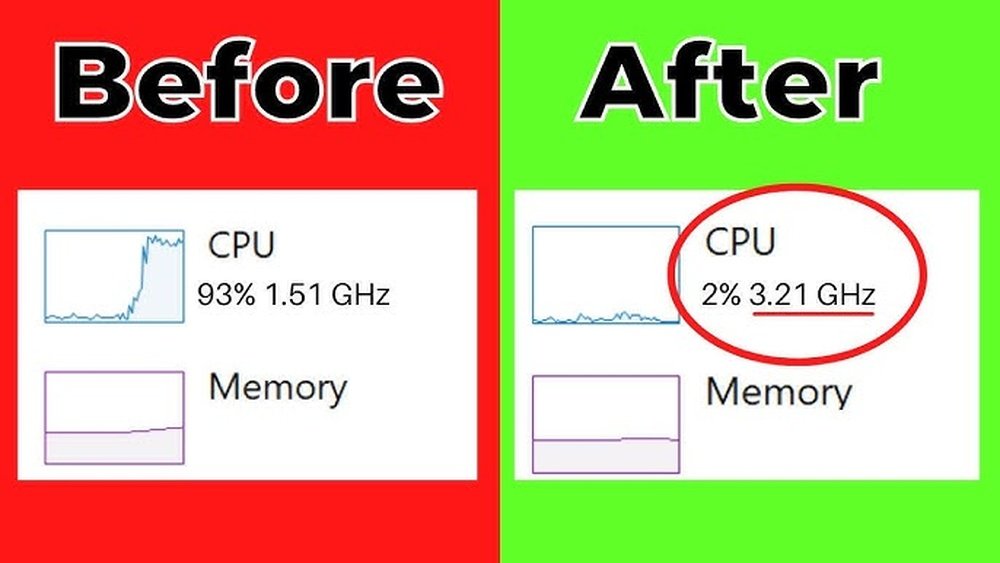
Is your computer feeling slow and unresponsive? You rely on your CPU processor every day, so when it lags, it can be frustrating.
But what if you could make your processor run faster without buying a new computer? You’ll discover simple and effective ways to speed up your CPU processor. These easy tips will help your device work smoother and save you time.
Keep reading to unlock the secrets to a faster, more powerful computer experience!

Credit: www.youtube.com
Boost Clock Speeds
Boosting clock speeds is a common way to speed up a CPU processor. It means making the processor run faster than its base speed. This can improve performance for many tasks. But it needs care to avoid damage or instability.
Increasing clock speeds can make your computer respond quicker. It helps with games, video editing, and heavy software. The process involves changing settings or hardware to push the CPU beyond normal limits.
Safe Overclocking Methods
Start by increasing clock speeds in small steps. Test stability after each change using stress tests. Avoid pushing speeds too high at once. Monitor temperatures carefully to prevent overheating. Use software tools designed for overclocking. Always keep a backup of your important data.
Using Bios Settings
Access BIOS during system startup. Look for CPU or performance settings. Adjust the multiplier or base clock values slowly. Save changes and restart the computer. Check system stability with benchmarking tools. BIOS overclocking is more reliable than software methods.
Choosing The Right Cooling System
Higher clock speeds create more heat. A good cooling system prevents CPU damage. Options include air coolers, liquid cooling, or hybrid solutions. Ensure your case has enough airflow. Keep fans clean and dust-free. Cooling helps maintain stable performance at faster speeds.

Credit: softwareg.com.au
Optimize System Settings
Optimizing system settings can help your CPU run faster and smoother. Small changes in your computer’s settings can make a big difference. These adjustments reduce unnecessary work for the processor and improve overall speed.
Focus on power plans, startup programs, and driver updates. Each plays a key role in speeding up your CPU. Follow these steps carefully to get better performance.
Adjusting Power Plans
Choose a power plan that favors performance over energy saving. Most computers have balanced or power saver plans by default. Switch to a high-performance plan to give your CPU more power. This change helps the processor run at full speed. You can find power plans in your system’s control panel or settings menu.
Managing Startup Programs
Too many programs start automatically with your computer. These programs use CPU resources and slow down your system. Disable unnecessary startup programs to free up processing power. Open the task manager or system configuration tool to see startup items. Turn off the ones you do not need right away. This step speeds up your computer’s boot time and CPU performance.
Updating Drivers And Firmware
Outdated drivers and firmware can reduce CPU efficiency. Drivers help your hardware and software work together smoothly. Firmware controls the hardware’s basic functions. Check for updates regularly on your computer or device maker’s website. Install the latest versions to improve compatibility and speed. Updated drivers fix bugs and enhance CPU performance.
Enhance Hardware Performance
Enhancing hardware performance is a key step to speed up your CPU processor. Better hardware lets your computer handle tasks faster and run smoother. Focus on upgrading parts that support the CPU and improve overall system speed.
Simple changes can make a big difference. These upgrades help reduce delays and keep your processor from working too hard.
Upgrading Ram
More RAM means your computer can run more programs at once. It reduces slowdowns when switching between tasks. Increasing RAM helps the CPU access data quickly. This upgrade is often easy and affordable. Choose the right type and size for your motherboard.
Switching To Ssd Storage
SSD drives read data faster than traditional hard drives. This speed helps the CPU get files instantly. Programs start quicker and files open without delay. An SSD upgrade improves overall system speed. It also uses less power and makes your computer quieter.
Improving Airflow And Cooling
Keeping your CPU cool prevents it from slowing down. Good airflow moves hot air out and pulls cool air in. Clean fans and vents help maintain steady temperatures. Consider adding extra fans or a better CPU cooler. Cooler hardware runs faster and lasts longer.
Maintain Software Health
Maintaining your computer’s software health is key to speeding up your CPU processor. Good software health means your system runs smoothly without slowdowns. Problems like malware, clutter, and outdated software can make your CPU work harder. Keep your software clean and updated for better performance.
Cleaning Malware And Viruses
Malware and viruses slow down your CPU by using its power. They run hidden tasks that eat up resources. Use trusted antivirus software to scan and remove threats. Regular scans keep your system safe and fast. Avoid clicking on suspicious links or downloading unknown files.
Regular Disk Cleanup
Temporary files and junk data fill your disk over time. This clutter can cause your CPU to lag. Use built-in tools like Disk Cleanup on Windows or similar on other systems. Delete old files, cache, and logs you don’t need. A clean disk helps your CPU access data faster.
Keeping Operating System Updated
Operating system updates fix bugs and improve speed. They optimize how your CPU handles tasks. Enable automatic updates or check for them regularly. Updated systems run more efficiently and securely. Avoid delays by installing updates as soon as they are available.
Use Performance Monitoring Tools
Using performance monitoring tools helps you understand your CPU’s behavior. These tools show real-time data about how your processor works. They give clear insights into CPU usage and performance issues. This information helps you make smart decisions to speed up your CPU.
Tracking Cpu Usage
Performance tools display how much of your CPU is busy. You can see which programs use the most power. This helps find apps that slow down your processor. Watching CPU usage shows when your processor is overloaded or idle. It guides you on managing tasks better to improve speed.
Identifying Bottlenecks
Tools pinpoint parts where your CPU slows down. These bottlenecks limit your processor’s full potential. Common causes include too many background processes or hardware limits. Finding bottlenecks lets you fix issues quickly. Removing these blocks makes your CPU run smoother and faster.
Benchmarking Speed Gains
Benchmark tests compare your CPU’s speed before and after changes. They provide clear proof of improvement or decline. Running benchmarks regularly tracks progress in CPU performance. This helps you understand which tweaks work best. Use benchmark results to keep your processor optimized.

Credit: www.researchgate.net
Frequently Asked Questions
How Can I Safely Overclock My Cpu Processor?
Overclocking increases CPU speed by adjusting settings in BIOS. Use reliable software, monitor temperatures, and ensure proper cooling to avoid damage. Always follow manufacturer guidelines for safe overclocking and start with small increments to maintain system stability.
What Software Helps Optimize Cpu Speed Effectively?
CPU optimization software like Intel Extreme Tuning Utility and AMD Ryzen Master can help. These tools adjust clock speeds and voltages safely. They monitor performance and temperature, ensuring your CPU runs faster without overheating or crashing.
Does Cleaning My Pc Improve Cpu Speed?
Yes, cleaning dust from your PC improves airflow and cooling. Better cooling prevents thermal throttling, allowing the CPU to run at full speed. Regular cleaning helps maintain optimal processor performance and extends hardware lifespan.
Can Updating Drivers Speed Up My Cpu?
Updating CPU and chipset drivers ensures your processor runs efficiently. New drivers fix bugs and improve compatibility, boosting overall performance. Always download drivers from official manufacturer websites for best results.
Conclusion
Speeding up your CPU helps your computer run smoother and faster. Clean your system regularly and close unused programs. Keep your software updated to avoid slowdowns. Adjust settings to improve performance without risks. Remember, small changes make a big difference.
Try these tips step by step for best results. Your computer will thank you with better speed and less lag. Stay patient and maintain your system often. Enjoy a faster, more efficient computer experience every day.
