
Is your computer acting up with graphics glitches or sudden freezes? Your GPU drivers might be the culprit.
Knowing how to reset GPU drivers can quickly fix these issues and get your system running smoothly again. You’ll discover simple, step-by-step methods to reset your GPU drivers without any hassle. Whether you’re a gamer, designer, or just want a smoother experience, mastering this quick fix can save you time and frustration.
Keep reading to learn how to bring your graphics back to life in minutes!
Credit: totalplumbingfl.com
Signs Of Gpu Driver Issues
GPU drivers control how your graphics card works with your computer. Problems with these drivers can cause many issues. Knowing the signs helps fix problems early. It can save time and avoid bigger troubles.
Common Performance Problems
Games or apps may run slowly or lag. Frame rates drop, making motion look choppy. Programs may take longer to open. Sometimes the GPU does not respond as expected. These issues often point to driver problems.
Visual Glitches And Artifacts
Strange lines or colors appear on the screen. Images may flicker or show blocks. Textures in games might not load right. These visual errors happen when drivers fail. They affect both gaming and normal display.
System Crashes And Freezes
Your computer may suddenly freeze or restart. Blue screen errors can pop up during use. Crashes often occur while using graphics-heavy apps. Faulty GPU drivers often cause these serious problems. They disrupt your work or play.

Credit: www.wikihow.com
Preparing To Reset Gpu Drivers
Resetting GPU drivers can fix many graphics issues and improve performance. Before starting, preparing properly is important. Preparation helps avoid data loss and ensures the process goes smoothly.
Follow these steps to get ready for resetting your GPU drivers.
Backing Up Important Data
Backing up important files is the first step. Save your work and settings to a safe place. This protects you from losing data if something goes wrong. Use an external drive or cloud storage for backups.
Checking Current Driver Version
Check your current GPU driver version. This helps know if an update is needed. Open your device manager, find the display adapter, and view the driver details. Write down the version number for reference.
Downloading Latest Drivers
Download the latest drivers from the official GPU manufacturer’s website. Choose the right driver for your GPU model and operating system. Save the file to an easy-to-find folder on your computer.
Methods To Reset Gpu Drivers
Resetting GPU drivers can solve many display and performance issues. Different methods exist to reset them. Some methods are quick and easy. Others take more time but offer a clean reset. Choose the method that fits your comfort level and needs.
Using Device Manager
Device Manager is a built-in Windows tool. It allows you to disable and enable your GPU. This acts as a soft reset for the drivers.
Open Device Manager by typing it in the search bar. Expand the “Display adapters” section. Right-click your GPU and select “Disable device.” Wait a few seconds. Right-click again and choose “Enable device.” This refreshes the driver without uninstalling it.
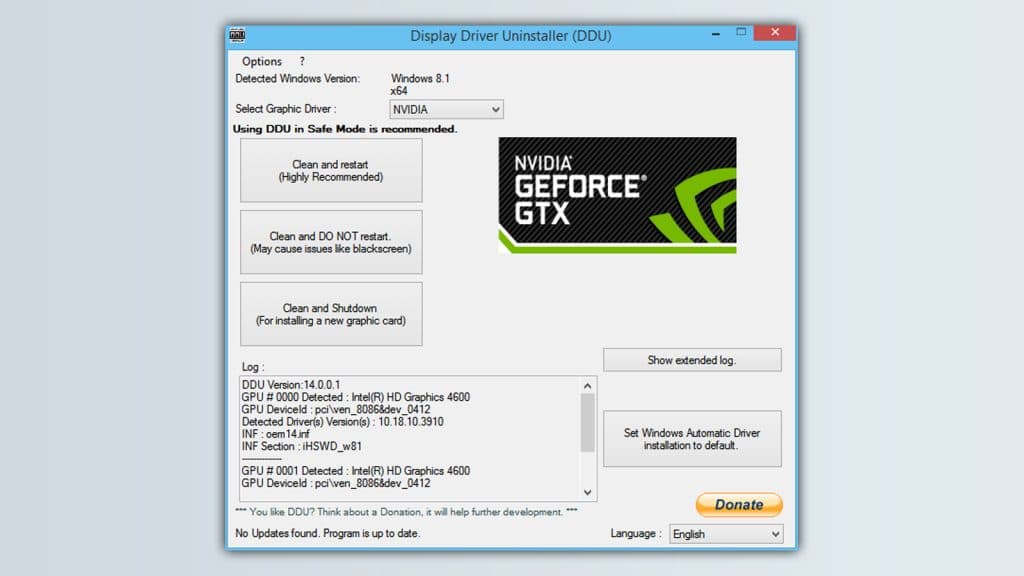
Running Display Driver Uninstaller
Display Driver Uninstaller (DDU) removes all traces of GPU drivers. It works outside Windows to cleanly uninstall drivers. This prevents leftover files from causing issues.
Download DDU from a trusted source. Run it in Safe Mode for best results. Choose your GPU brand and start the removal. After completion, restart your PC. Then install the latest drivers fresh from the manufacturer’s website.
Reinstalling Drivers Manually
Manual reinstallation ensures a fresh driver setup. First, uninstall the current drivers through “Apps & Features” or Device Manager.
Next, visit your GPU maker’s official website. Download the newest driver version for your model. Run the installer and follow the on-screen steps. This method takes longer but often solves stubborn problems.
Utilizing Keyboard Shortcuts
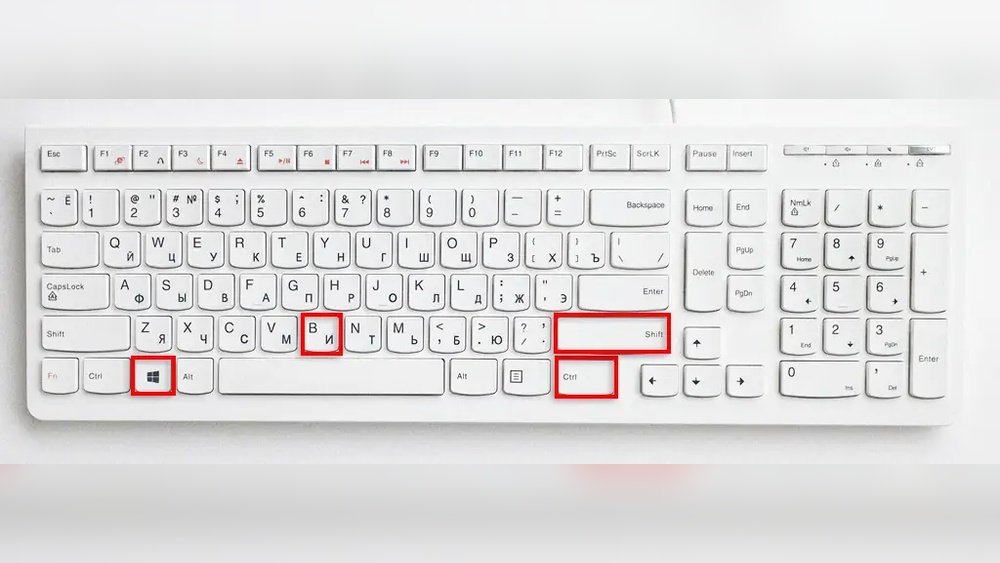
Windows has a quick shortcut to reset GPU drivers. It helps if your screen freezes or glitches.
Press and hold Ctrl + Shift + Windows + B at the same time. The screen will flicker or beep. This signals the GPU driver reset. No need to restart your PC. Use this shortcut for a fast driver refresh.
Troubleshooting After Reset
Resetting GPU drivers can fix many graphics problems. After the reset, some issues may still appear. Troubleshooting helps find and fix these problems fast. This step is important to keep your system running smoothly.
Verifying Driver Installation
Check if the GPU driver installed correctly. Open the device manager on your PC. Look under the display adapters section. The driver should show without error symbols. If errors appear, reinstall the driver using official software.
Adjusting Graphics Settings
Resetting drivers can change graphics settings. Open your graphics control panel. Set resolution and refresh rate to match your monitor. Adjust other settings like texture quality or anti-aliasing. Use default or recommended settings for best results.
Monitoring System Stability
Watch your system after the reset. Play games or run apps that use the GPU. Note any crashes, freezes, or slowdowns. Check temperature and fan speeds using monitoring tools. Stable performance means the reset was successful.
Tips For Maintaining Smooth Gpu Performance
Keeping your GPU running smoothly improves your computer’s performance. It helps prevent crashes and slowdowns during games or work. Simple habits can keep your graphics card in good shape. Follow these tips to maintain smooth GPU performance every day.
Regular Driver Updates
Updating your GPU drivers is important. New drivers fix bugs and improve speed. Check for updates from your GPU maker often. Use official websites or software tools. Installing updates can avoid many problems and boost stability.
Avoiding Overheating
Heat damages your GPU and lowers its speed. Keep your computer clean and dust-free. Use good cooling systems like fans or liquid cooling. Avoid blocking air vents on your PC. Lowering temperature helps your GPU work better for longer.
Optimizing Game And Application Settings
Adjusting settings in games and apps reduces GPU load. Lower graphics quality or resolution if you see lag. Turn off extra effects like shadows or reflections. Balanced settings keep your GPU from working too hard. This prevents slowdowns and saves power.

Credit: www.wikihow.com
Frequently Asked Questions
How Do I Reset Gpu Drivers On Windows 10?
Press Win + Ctrl + Shift + B to reset GPU drivers instantly on Windows 10. This shortcut restarts your graphics driver without rebooting your PC. It’s helpful for fixing display issues quickly and safely.
When Should I Reset My Gpu Drivers?
Reset GPU drivers when experiencing screen flickering, crashes, or driver errors. It can resolve temporary glitches and improve graphics performance without a full reinstall.
Can Resetting Gpu Drivers Fix Game Crashes?
Yes, resetting GPU drivers often fixes game crashes caused by driver conflicts or errors. It refreshes the driver state and restores stable graphics functionality.
Does Resetting Gpu Drivers Remove My Settings?
No, resetting GPU drivers does not delete your personal settings. It only reloads the driver software to fix temporary issues without affecting configurations.
Conclusion
Resetting GPU drivers can fix many common graphics issues fast. It helps your computer run smoother and avoids crashes. Follow the steps carefully to avoid mistakes. Restart your PC after resetting to apply changes. Keep drivers updated for better performance and stability.
Troubleshooting becomes easier with this simple method. Try resetting before seeking expensive repairs or replacements. A fresh driver setup often solves display problems quickly. Remember, patience and careful steps lead to success. Your GPU will thank you with improved visuals and speed.
