
Have you ever wondered how long your CPU has been running without a break? Knowing your CPU uptime can help you monitor your system’s health and performance.
But what if you need to reset that timer? Maybe you’ve just finished important maintenance or want to track your CPU’s activity from a fresh start. You’ll learn exactly how to reset your CPU uptime easily and quickly. By the end, you’ll have the tools to keep your system running smoothly and stay in control of your computer’s performance.
Keep reading to discover simple steps that anyone can follow!
Why Reset Cpu Uptime Matters
Resetting CPU uptime is important for maintaining your computer’s health. CPU uptime shows how long the processor has been running since the last restart. Over time, long uptime can cause performance issues and make troubleshooting harder.
Resetting CPU uptime helps clear system errors. It refreshes the processor’s state and can improve overall speed. This simple step can prevent crashes and slowdowns in many cases.
Improves System Performance
CPU uptime affects how well your computer runs. Long uptime may cause memory leaks and slow tasks. Resetting it can free resources and boost speed.
Helps Accurate Troubleshooting
Tech support often asks for uptime data. Resetting uptime provides fresh data for better diagnosis. It helps find real problems faster.
Prevents Overheating
Continuous CPU use raises temperature. Resetting uptime often means rebooting, which cools the processor. Cooler CPUs last longer and work better.
Keeps Software Updated
Many updates install after a reboot. Resetting uptime allows these updates to finish. Updated software reduces bugs and security risks.

Credit: www.oceantele.com
Common Scenarios For Resetting Cpu Uptime
Resetting CPU uptime is a task that many users face under certain conditions. Understanding these common scenarios helps in managing your system better. CPU uptime shows how long your processor has been running without a restart. It can affect performance tracking and troubleshooting.
Resetting the uptime counter can provide a fresh start for monitoring. This section covers typical reasons why someone might reset CPU uptime. Each case helps maintain system health and accuracy.
HTML Syntax:Common Scenarios for Resetting Cpu Uptime
System Reboots After Updates
Operating system updates often require a reboot. This action resets the CPU uptime counter automatically. It helps verify if the update fixed any performance issues.
Hardware Changes Or Upgrades
Installing new hardware may require a reboot. Resetting uptime ensures the system recognizes new components. It also helps track stability after changes.
Performance Troubleshooting
Long CPU uptime can lead to slowdowns or errors. Resetting uptime can clear temporary glitches. It allows fresh monitoring of system health.
Testing And Development
Developers often reset uptime to test software behavior. It helps simulate fresh system conditions. This practice improves accuracy during debugging.
Checking Current Cpu Uptime
Checking the current CPU uptime helps you understand how long your system has been running. It shows the time since the last restart. This information is useful for troubleshooting and system maintenance.
You can check CPU uptime using built-in Windows tools or third-party software. Each method has its own steps and benefits. Choose the one that fits your needs best.
Using Command Prompt
Open the Command Prompt by typing “cmd” in the search bar. Press Enter to launch it. Type the command net stats srv and press Enter. Look for the line that says “Statistics since.” This shows the last boot time. Subtract this from the current time to find the uptime.
Using Task Manager
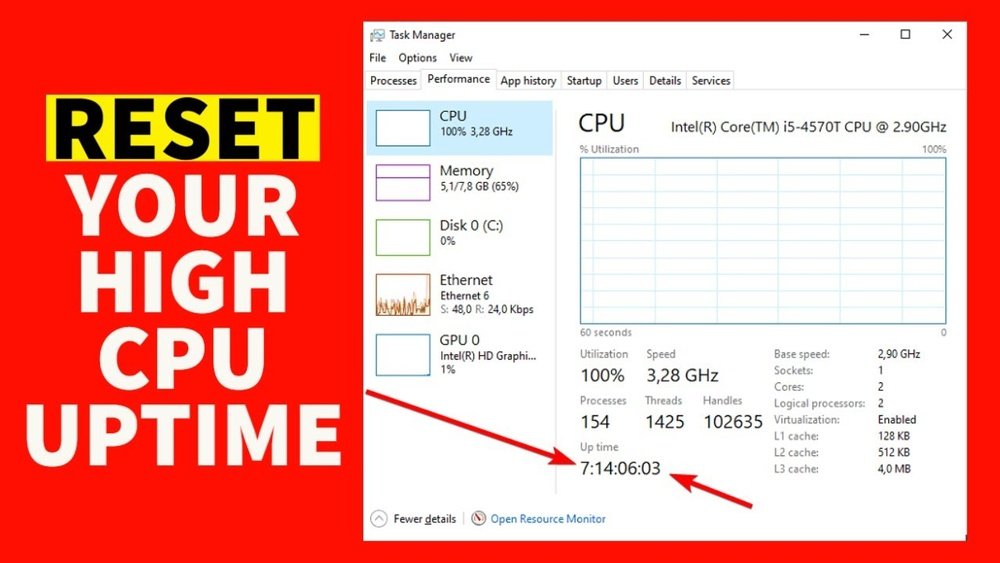
Press Ctrl + Shift + Esc to open Task Manager. Click on the “Performance” tab. Select “CPU” from the left menu. Look for the “Uptime” value near the bottom. This shows how long your CPU has been active since the last restart.
Using Third-party Tools
Many free tools show CPU uptime clearly. Programs like “CPU-Z” or “HWMonitor” provide detailed info. Download and install the tool. Open it and find the uptime section. These tools also offer extra system data useful for monitoring.

Credit: softwareg.com.au
Quick Methods To Reset Cpu Uptime
Resetting CPU uptime helps track how long your computer runs without interruptions. Quick methods save time and keep your system healthy. These easy steps work on most Windows systems and require little effort.
Use simple ways to reset CPU uptime. Choose what fits your needs best. Options include restarting the computer, using command line tools, or scheduling resets with scripts.
Restarting The Computer
Restarting your computer is the easiest method to reset CPU uptime. When you reboot, the system clock starts fresh. All uptime data clears automatically.
This method works well for most users. It takes only a few minutes and requires no special skills. Restart if you want a quick and clean reset.
Using Command Line Tools
Command line tools offer a faster reset without rebooting. Use commands like “net stats srv” to check uptime. To reset, you may stop and start services that track uptime.
This method requires basic command prompt knowledge. It works well for users comfortable with typing commands. It avoids downtime caused by full restarts.
Scheduling A Reset With Scripts
Scripts automate resetting CPU uptime at set times. Write simple batch or PowerShell scripts to restart key services. Run these scripts using Task Scheduler.
This method suits users managing multiple machines. It keeps uptime logs fresh without manual effort. Scripts save time and keep systems running smoothly.
Advanced Techniques For Cpu Uptime Reset
Advanced techniques for CPU uptime reset help manage system performance better. These methods go beyond simple restarts and offer more control. They suit users needing precise uptime management or troubleshooting complex issues. Explore three main approaches to reset CPU uptime effectively.
Using System Registry Tweaks
The system registry stores uptime data on Windows PCs. Editing the registry can reset the CPU uptime counter. Open the registry editor carefully to avoid system damage. Locate the key that tracks uptime and change its value to zero. This method requires admin rights and caution. Always back up the registry before making changes.
Leveraging Virtual Machines
Virtual machines (VMs) run separate operating systems on one physical machine. Each VM has its own CPU uptime counter. Restarting or resetting the VM resets its CPU uptime without affecting the host system. Use VM software like VMware or VirtualBox for this process. This technique helps test uptime reset safely and repeatedly.
Resetting Uptime On Servers
Servers often run continuously and need uptime reset for maintenance. Use remote management tools to reboot servers and clear uptime counters. Some servers offer built-in commands to reset uptime without a full reboot. Follow server documentation for specific reset instructions. Regular uptime resets improve server health and reliability.
Troubleshooting Reset Issues
Resetting CPU uptime can sometimes cause problems. These issues might stop the reset from working correctly. Knowing how to fix these problems helps keep your system running smoothly. This section guides you through common reset issues and how to solve them. It also explains how to protect your data during the process.
Common Errors And Fixes
Many people face errors while resetting CPU uptime. One common error is permission denied. This happens when the user does not have admin rights. Fix this by running the reset command as an administrator.
Another error is incorrect command syntax. Double-check the command before running it. Use the exact format needed for your system.
Sometimes, the system does not respond after the reset command. Restart the device and try again. This often solves temporary glitches.
When Reset Fails
Reset may fail due to system restrictions or software conflicts. Check your system settings for any blocks on reset commands.
Update your device drivers and operating system. Outdated software can stop the reset from working.
If the problem continues, use system logs to find the cause. These logs show errors related to the reset process.
Ensuring Data Safety
Resetting CPU uptime should not harm your data. Still, back up important files before starting. This step prevents data loss if something goes wrong.
Use trusted tools and commands to reset uptime. Avoid third-party software that is not verified.
Close all open programs before the reset. This reduces the chance of data corruption during the process.
Tips To Maintain Optimal Cpu Uptime
Maintaining optimal CPU uptime is essential for smooth computer performance. It ensures your system runs without interruptions or crashes. Good uptime means your CPU works efficiently and lasts longer.
Here are some tips to help keep your CPU uptime stable and reliable.
Regular System Maintenance
Clean your computer inside and out. Dust buildup can cause overheating. Overheating leads to shutdowns and lower uptime. Update your operating system and drivers often. Updates fix bugs and improve performance. Remove unused programs that slow your system. Run disk cleanup to free up space. These steps keep your CPU running well.
Monitoring Tools
Use software to check CPU temperature and usage. These tools alert you to problems early. Monitor CPU load to avoid overload. Track system errors and crashes to spot issues. Examples include HWMonitor, Core Temp, and Task Manager. Regular checks help maintain smooth operation.
Best Practices For Stability
Avoid running too many programs at once. Limit background processes that consume CPU power. Restart your system regularly to clear memory. Use power settings that balance performance and energy. Keep your system cool with good airflow. Stable conditions prevent unexpected shutdowns and improve uptime.

Credit: www.youtube.com
Frequently Asked Questions
How Do I Check Cpu Uptime On Windows?
To check CPU uptime on Windows, use the Task Manager or Command Prompt. In Task Manager, go to the Performance tab and select CPU. Alternatively, type “systeminfo” in Command Prompt to find the “System Boot Time,” which indicates uptime.
Can I Reset Cpu Uptime Without Restarting?
No, CPU uptime resets only when you restart or shut down your system. There is no software method to manually reset CPU uptime without rebooting the computer.
Why Would I Need To Reset Cpu Uptime?
Resetting CPU uptime helps troubleshoot performance issues or monitor system stability after updates. It gives a fresh start to measure how long the CPU has been active.
Does Resetting Cpu Uptime Affect System Performance?
Resetting CPU uptime by rebooting does not harm your system. It simply restarts system processes and clears temporary caches, often improving performance temporarily.
Conclusion
Resetting your CPU uptime helps keep your system running smoothly. It is a simple process anyone can follow. Regular resets can prevent errors and improve performance. Keep track of your CPU uptime to know when to reset. This small step supports your computer’s health over time.
Try these steps to maintain your device easily. Stay aware and keep your system fresh and fast.
