
Is your GPU running hotter than usual or making loud fan noises? It might be time to repaste your GPU.
Repasting is a simple but powerful way to improve your graphics card’s cooling and performance. If you’ve never done it before, don’t worry—this guide will walk you through every step clearly and safely. By the end, you’ll know exactly how to give your GPU a fresh thermal paste boost, helping it run cooler and last longer.
Ready to take control of your GPU’s temperature? Let’s dive in.
Signs Your Gpu Needs Repasting
Knowing when your GPU needs repasting is important. Thermal paste helps keep the GPU cool. Over time, it can dry out or wear off. This causes several signs that show your GPU needs attention. Watch out for these signs to keep your graphics card running well.
Ignoring these signs can lead to worse problems. Repasting your GPU can fix many issues related to heat and performance. Here are some common signs that tell you it is time to repaste your GPU.
Overheating Symptoms
One clear sign of bad thermal paste is overheating. Your GPU may reach very high temperatures quickly. The computer might shut down to protect the hardware. You may see temperature spikes during normal tasks. Overheating can damage your GPU if not fixed.
Performance Drops
Your GPU may slow down when the paste wears out. Games and programs might lag or stutter. Frame rates can drop without a clear reason. This happens because the GPU lowers speed to cool itself. Repasting helps restore normal performance and smooth operation.
Fan Noise Increase
The GPU fan may run louder and faster than usual. The paste no longer transfers heat well, so fans work harder. Constant loud fan noise is a good clue of thermal paste issues. Quieter fans usually mean the GPU is cooling efficiently.
Tools And Materials Needed
Repasting a GPU needs certain tools and materials. These help you do the job safely and well. Having the right items makes the process smooth and effective. Here is what you need to prepare before starting.
Thermal Paste Types
Thermal paste improves heat transfer between GPU and cooler. Choose one that fits your needs. Common types include ceramic, metal-based, and silicone pastes. Metal-based pastes offer better heat transfer but need careful use. Ceramic pastes are safer and good for beginners. Silicone pastes are less effective but easy to apply. Pick a paste that balances performance and safety.
Cleaning Supplies
Cleaning old paste is crucial before applying new paste. Use isopropyl alcohol with 90% or higher purity. It cleans well and dries fast without residue. Soft lint-free cloths or coffee filters work best. Avoid rough materials that can scratch GPU parts. Cotton swabs help reach small areas. Gather these to ensure a clean surface.
Basic Tools
You need screwdrivers to open the GPU case. Usually, Phillips-head screwdrivers fit most screws. Have a small container to keep screws safe. Tweezers can help handle small parts carefully. Use a plastic card or spatula to spread thermal paste if needed. Prepare all these tools before starting your repaste work.
Preparing Your Workspace
Preparing your workspace is the first step to repasting your GPU safely and effectively. A clean, organized space helps prevent mistakes and keeps your parts safe. It also makes the process smoother and faster. Take time to set up your area before starting the task.
Static Safety Tips
Static electricity can damage your GPU. Use an anti-static wrist strap to ground yourself. Avoid working on carpet or near static sources. Touch a metal object to discharge static before handling parts. Keep your workspace free of static buildup.
Organizing Components
Lay out all tools and parts neatly. Use small containers for screws and tiny pieces. Label each container to avoid confusion. Keep the GPU on a soft, clean surface to avoid scratches. Organizing prevents lost parts and saves time.
Lighting And Space
Good lighting helps you see small details clearly. Use a bright desk lamp or natural light. Make sure your workspace has enough room to move parts easily. Avoid clutter to reduce stress and errors. Proper space and light improve your focus and accuracy.

Credit: www.reddit.com
Removing The Gpu From Your Pc
Removing your GPU from the PC is the first step in repasting it. This task requires care and attention to avoid damage. Follow simple steps to safely take out the graphics card. Preparation and caution make the process smooth and safe.
Power Down And Unplug
Turn off your computer completely. Do not leave it in sleep or hibernate mode. Unplug the power cable from the wall or power supply. This stops any power from flowing to the PC. Safety first.
Disconnecting The Gpu
Open the side panel of your PC case. Find the GPU inside the case. It sits in the PCIe slot on the motherboard. Remove any screws holding the GPU in place. Gently press the clip on the PCIe slot to release the card. Carefully pull the GPU straight out.
Handling Precautions
Hold the GPU by its edges. Avoid touching the gold connectors or chips. Static electricity can harm the card. Ground yourself by touching metal before handling. Keep the card on an anti-static surface after removal.
Disassembling The Gpu Cooler
Disassembling the GPU cooler is the first step in repasting your graphics card. This process lets you access the old thermal paste and clean it off. Careful handling is key to avoid damage. The cooler holds the GPU chip and helps keep it cool. Removing it properly ensures good contact when you apply new paste.
Locating Screws
Look closely at the GPU cooler to find all screws. They are usually on the back of the card. Some screws may be hidden under stickers or labels. Count all screws before you start unscrewing. Keep them safe in a small container. This helps you avoid losing any parts.
Separating The Cooler
Use a screwdriver that fits the screws exactly. Turn screws slowly and evenly. Do not force any part to come off. Gently wiggle the cooler after all screws are out. It may stick due to thermal paste or clips. Lift the cooler carefully to expose the GPU chip.
Avoiding Damage
Handle the GPU and cooler with care. Avoid touching the chip or circuits directly. Do not pull or bend any cables connected to the cooler. Use a soft surface to place the cooler down. Static electricity can harm the card, so ground yourself before starting. This keeps your GPU safe during the process.
Cleaning Off Old Thermal Paste
Cleaning off old thermal paste is a key step before applying new paste on your GPU. It helps the new paste stick well and work efficiently. Dirt or leftover paste can stop heat from moving away from your GPU. This can cause the GPU to get too hot and slow down.
To clean the old thermal paste, you need the right tools and careful steps. A clean surface ensures better heat transfer and better GPU performance.
Using Isopropyl Alcohol
Isopropyl alcohol is the best liquid to clean thermal paste. It evaporates quickly and leaves no residue. Use at least 90% isopropyl alcohol for best results. Dampen a soft cloth or cotton swab with the alcohol. Gently wipe the GPU chip and heatsink to remove the paste. Avoid using too much liquid to prevent damage.
Removing Residue
Some old paste may stay even after wiping with alcohol. Use a soft brush or a lint-free cloth to scrub gently. Avoid hard scrubbing that might scratch the GPU surface. Repeat alcohol cleaning and gentle scrubbing until the surface looks clean. Make sure no paste bits or dirt remain on the chip or heatsink.
Drying The Surface
After cleaning, let the GPU surface dry fully. Isopropyl alcohol dries fast, but wait at least five minutes. Use a dry, soft cloth to remove any leftover moisture. Never use compressed air to dry, as it can blow dust onto the surface. A dry surface ensures the new thermal paste will spread evenly and work well.
Applying New Thermal Paste
Applying new thermal paste is a key step in repasting your GPU. It helps improve heat transfer from the GPU chip to the cooler. Proper application ensures your GPU runs cooler and lasts longer. Doing this correctly avoids air gaps that reduce cooling efficiency. Follow the tips below to apply thermal paste with care and precision.
Choosing The Right Amount
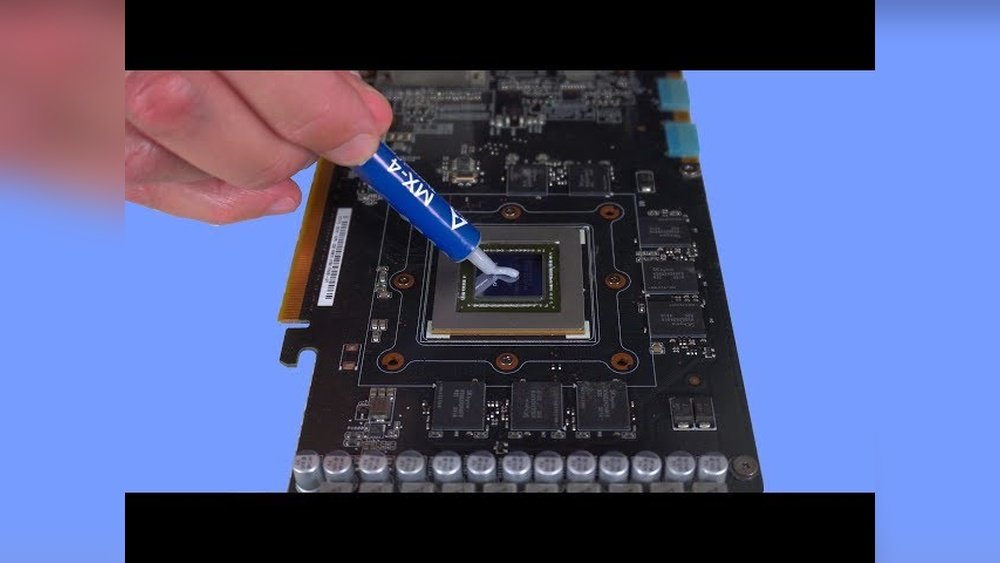
Use a small pea-sized drop of thermal paste. Too much paste can cause spills and mess. Too little paste will not cover the surface properly. The goal is to cover the GPU chip evenly without excess. A small amount spreads well under pressure from the cooler.
Application Techniques
Apply the paste in the center of the GPU chip. This spot allows even spreading when you attach the cooler. Avoid spreading the paste before placing the cooler. The pressure will naturally spread the paste to the edges. This method prevents air bubbles and uneven coverage.
Spreading The Paste
Spreading the paste manually is optional. Some prefer to gently spread it with a plastic card or finger wrapped in plastic. This helps ensure full coverage on the chip surface. Use light pressure to avoid removing too much paste. The cooler’s pressure will finish the spreading once installed.
Reassembling The Gpu
After applying new thermal paste, putting the GPU back together is the next step. This process needs care to avoid damage and ensure good cooling. Follow each step slowly and check your work to keep the GPU safe and working well.
Reattaching The Cooler
Place the cooler gently on the GPU chip. Make sure it lines up with the holes for screws. The thermal paste should spread evenly between the chip and cooler. Press down slightly to help it stick but do not push too hard.
Securing Screws Properly
Use the correct screws for each hole. Tighten screws in a diagonal pattern to spread pressure evenly. Avoid over-tightening; this can crack the GPU or cooler. Tighten screws until snug, then stop.
Checking Connections
Check all cables and connectors before closing the GPU. Make sure fan wires are connected securely. Look for any loose or pinched cables. Proper connections help the GPU work well and stay cool.
Testing Gpu Performance After Repasting
After repasting your GPU, checking its performance is very important. This step confirms that the new thermal paste is working well. Testing helps spot any temperature drops or stability issues. It shows if your GPU runs cooler and smoother than before. Proper testing ensures your system is safe and performs at its best.
Monitoring Temperatures
Start by watching your GPU temperatures closely. Use software tools like HWMonitor or MSI Afterburner. Run your computer under normal use and check the temperature readings. Lower temperatures than before mean the repasting worked. Keep an eye on temps during gaming or heavy tasks. Avoid temps above 85°C for long periods.
Running Benchmark Tests
Benchmark tests measure your GPU’s speed and power. Programs like 3DMark or Unigine Heaven are good choices. Run these tests before and after repasting. Compare the scores to see any improvements. Higher scores can mean better cooling and better performance. Repeat tests to confirm consistent results.
Observing Stability
Stability means your GPU runs without crashes or errors. Play games or use graphic-heavy apps for a while. Watch for screen glitches or sudden shutdowns. If your system stays stable, the repaste is successful. Unstable performance might mean a poor paste job or other issues. Test for several hours to be sure.

Credit: www.youtube.com
Tips For Long-term Gpu Maintenance
Maintaining your GPU properly after repasting is key to keeping it cool and running well. Simple habits help your graphics card last longer and avoid overheating issues. Small efforts make a big difference in performance and lifespan.
Regular Cleaning Schedule
Dust and dirt block airflow and cause heat buildup. Clean your GPU and case every few months. Use compressed air to blow dust from fans and heatsinks. Avoid touching sensitive parts with your hands. A clean GPU stays cooler and works better.
Updating Drivers
GPU drivers control how your card works with software. Old drivers may slow down performance or cause errors. Check for driver updates regularly from the official website. Updated drivers improve stability and fix bugs. Keep your GPU software fresh to avoid problems.
Environmental Considerations
Place your computer in a cool, dry spot. Avoid rooms with high humidity or dust. Good airflow around your PC helps heat escape quickly. Keep pets and food away from your setup. Proper environment reduces wear and tear on your GPU.

Credit: www.reddit.com
Frequently Asked Questions
What Tools Do I Need To Repaste A Gpu?
You need thermal paste, isopropyl alcohol, a microfiber cloth, screwdrivers, and plastic pry tools. These help clean and apply paste safely.
How Often Should I Repaste My Gpu?
Repaste your GPU every 1 to 3 years, or if temperatures rise. This maintains optimal cooling and prevents overheating.
Can I Use Any Thermal Paste For My Gpu?
Use high-quality thermal paste designed for GPUs or CPUs. Avoid cheap or dried-out paste to ensure good heat transfer.
Is Repasting A Gpu Safe For Beginners?
Yes, if you follow guides carefully. Handle components gently, avoid static, and work in a clean space to prevent damage.
Conclusion
Repasting your GPU helps keep it cool and working well. Clean the old paste carefully before adding the new one. Use a small amount of thermal paste for best results. Tighten screws evenly to avoid damage. Doing this regularly can lower temperatures and improve performance.
Take your time and follow steps with care. Your GPU will thank you with better cooling and longer life. Simple maintenance like this saves money and keeps your system stable. Try it yourself and see the difference.
