
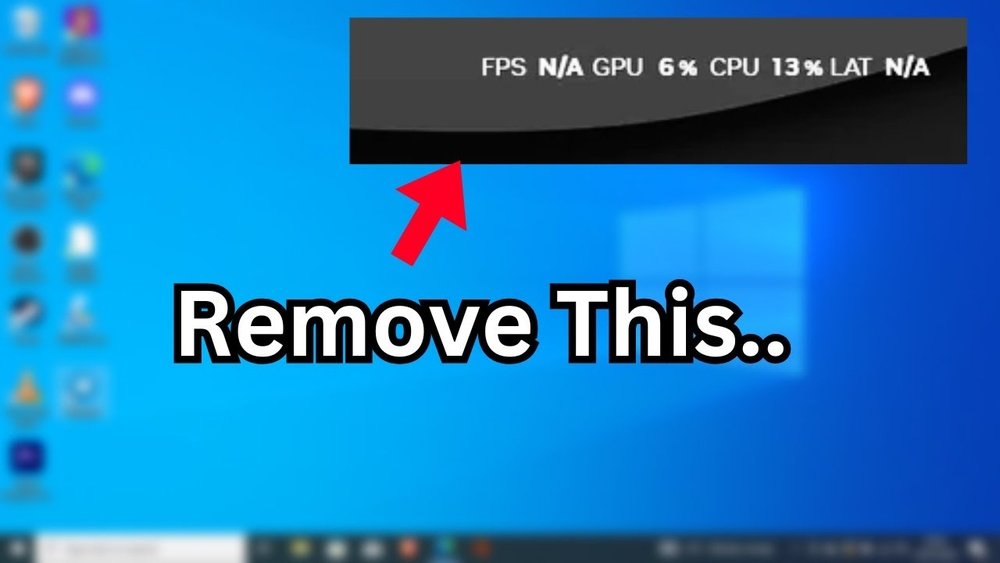
Are you tired of lag ruining your gaming experience? If your FPS, GPU, and CPU latency are holding you back, it’s time to take control.
You don’t have to settle for choppy gameplay or slow response times. You’ll discover simple, effective ways to remove those frustrating delays and boost your system’s performance. Ready to unlock smoother, faster gaming? Keep reading to find out how.
Causes Of Fps, Gpu, And Cpu Latency Issues
FPS, GPU, and CPU latency issues often cause poor gaming and computing experiences. These delays make games lag and apps respond slowly. Several key reasons lead to these problems. Understanding these causes helps fix the issues effectively.
Hardware Limitations
Old or weak hardware struggles to keep up with modern software demands. A slow CPU or a basic GPU cannot process data quickly. Limited RAM also restricts smooth performance. These hardware limits cause frame drops and delays.
Driver And Software Conflicts
Outdated or faulty drivers create conflicts between hardware and software. Incorrect driver versions slow down GPU and CPU functions. Software bugs and incompatibilities add to latency. Regular updates can reduce these issues.
Background Processes
Many programs running in the background use CPU and memory. These processes take resources away from your game or main app. High CPU usage from background tasks results in lag and stutter. Closing unnecessary apps improves performance.
Thermal Throttling
When CPU or GPU gets too hot, it slows down to cool off. This slowdown is called thermal throttling. Overheating reduces speed and causes FPS drops. Proper cooling and cleaning can prevent this problem.

Credit: www.reddit.com
Optimizing Hardware For Better Performance
Optimizing your hardware is key to reducing FPS, GPU, and CPU latency. Simple upgrades can boost your system’s speed and smoothness. Focus on the main parts that affect gaming and software performance.
Better hardware means fewer delays and faster response times. This helps games and apps run without lag or stutter. Let’s explore some effective ways to improve your hardware setup.
Upgrading Graphics Card
A strong graphics card handles images and video faster. This lowers GPU latency and improves FPS. Choose a card that matches your game or software needs. Newer models support better technology and higher frame rates.
Check the card’s memory and clock speed. Both affect how fast it processes graphics. Install the latest drivers to keep it running smoothly. Even a small upgrade can make a big difference.
Improving Cpu Cooling
Heat slows down your CPU and causes lag. Good cooling keeps the processor at a safe temperature. Use quality fans or liquid coolers to reduce heat build-up. Clean dust from vents and fans regularly.
Lower CPU temperature improves speed and lowers latency. Cooler hardware lasts longer and runs more reliably. Don’t overlook this simple step for better performance.
Increasing Ram Capacity
More RAM means your system can handle more tasks at once. This reduces CPU load and speeds up performance. Games and applications run smoother with enough memory.
Check your current RAM usage and add more if needed. Faster RAM also helps, but capacity matters most. Upgrading RAM is one of the easiest ways to cut latency and boost FPS.
Updating And Configuring Drivers
Updating and configuring drivers plays a key role in reducing FPS, GPU, and CPU latency. Drivers control how your hardware communicates with your system. Outdated or wrong drivers cause slow performance and lag. Keeping drivers updated ensures smoother gameplay and faster responses.
Proper driver setup helps your hardware work at its best. Small tweaks can make big differences in speed and stability. Regular updates fix bugs and improve compatibility with games and software. This section explains how to install the latest drivers and adjust settings for better performance.
Installing Latest Gpu Drivers
Start by finding your GPU model on the manufacturer’s website. Download the latest driver version available. Avoid third-party sites to prevent malware risks. Use official tools like NVIDIA GeForce Experience or AMD Radeon Software for easy updates. Run the installer and follow prompts to finish.
Restart your computer after installation. This ensures the new driver works correctly. Updated GPU drivers optimize graphics rendering and reduce input lag. They often include fixes for recent games and software. Check for updates regularly to keep your system smooth.
Tweaking Cpu Settings
Access your computer’s BIOS or UEFI settings during startup. Look for CPU configuration or performance options. Enable features like Intel Turbo Boost or AMD Precision Boost if available. These help your CPU run faster under load. Adjust power management settings to favor performance over energy saving.
Close unnecessary background apps to free CPU resources. Use Task Manager to check CPU usage and stop heavy processes. Keeping your CPU running efficiently reduces processing delays. This lowers overall latency and improves FPS stability.
Managing Firmware Updates
Firmware updates improve hardware function and fix bugs. Check your motherboard or device manufacturer’s site for new firmware versions. Download and install updates carefully, following all instructions. Avoid interrupting the update process to prevent damage.
Updated firmware can improve communication between CPU, GPU, and other components. This reduces latency and improves system stability. Regular firmware updates keep your hardware current and more reliable during gaming sessions.

Credit: www.reddit.com
Adjusting In-game Settings
Adjusting in-game settings can greatly reduce FPS, GPU, and CPU latency. Tweaking these options helps your system run games more smoothly. It balances performance and visuals for better gameplay. Small changes in settings often lead to big improvements. Below are key settings to adjust for lower latency.
Lowering Graphics Quality
Reducing graphics quality eases the load on your GPU. Lower settings like shadows, textures, and effects. This helps the game run faster with less lag. It also reduces the strain on your CPU. Focus on settings that demand high processing power.
Disabling V-sync And Anti-aliasing
Turning off V-Sync can lower input delay and improve responsiveness. V-Sync often causes lag by syncing frames to your monitor. Anti-aliasing smooths edges but uses extra GPU power. Disabling it can increase FPS and reduce latency. This makes gameplay feel faster and smoother.
Optimizing Resolution And Frame Rate Limits
Lowering your screen resolution reduces the number of pixels to process. This lightens the GPU workload and boosts performance. Setting a frame rate limit avoids unnecessary GPU strain. It keeps your hardware running stable and reduces heat. Choose limits that match your monitor’s refresh rate for best results.
Managing Background Applications
Managing background applications is key to reducing FPS, GPU, and CPU latency. Many apps run quietly in the background and use valuable system resources. These hidden processes can slow down your game and cause lag. Controlling them helps your computer focus more power on gaming. This leads to smoother gameplay and faster response times.
Closing Unnecessary Programs
Check your taskbar and system tray for open programs. Close all apps that do not need to run during gaming. This frees up CPU and RAM for your game. Use the Task Manager to see what uses the most resources. Ending heavy background tasks improves game speed and reduces lag.
Using Game Mode Features
Most operating systems have a game mode feature. This mode prioritizes gaming apps and limits background activity. Turn on game mode before you start playing. It helps reduce interruptions from notifications and other apps. This simple step can boost your FPS and lower input delay.
Prioritizing Gaming Processes
Set your game’s process to high priority in the Task Manager. This tells your system to give more CPU power to the game. Do this carefully to avoid system instability. Prioritizing gaming processes improves performance and cuts latency. It makes your gameplay more fluid and responsive.
Reducing Thermal Throttling
Thermal throttling happens when your CPU or GPU gets too hot. To protect itself, the system slows down. This causes lower FPS and lag in games. Reducing thermal throttling helps keep your system fast and smooth. You can do this by improving cooling and airflow.
Cleaning Dust And Improving Airflow
Dust blocks air vents and fans inside your PC. This stops cool air from moving freely. Open your PC case and use compressed air to clean dust. Clean fans, vents, and heat sinks carefully. Better airflow means cooler parts and less throttling.
Applying New Thermal Paste
Thermal paste helps transfer heat from CPU or GPU to the cooler. Over time, this paste dries out and becomes less effective. Removing old paste and applying a new, thin layer improves heat transfer. This lowers temperature and reduces throttling during heavy use.
Using External Cooling Solutions
External cooling tools help keep your PC cool. Laptop cooling pads blow air under your device. Extra case fans add airflow inside desktops. Cooling stands and external fans reduce heat build-up. These tools help maintain stable performance and higher FPS.
Utilizing Software Tools For Latency Reduction
Reducing FPS, GPU, and CPU latency improves gaming and computer performance. Software tools can help monitor and adjust settings to lower lag. These tools provide insights and controls to make your system faster and smoother. Using the right software can show where delays happen and guide fixes.
Performance Monitoring Applications
Performance monitoring apps track your CPU, GPU, and FPS in real time. They show temperature, usage, and frame rates clearly. Seeing these stats helps find bottlenecks causing latency. Popular tools include MSI Afterburner and HWMonitor. These apps are easy to use and give important data fast.
Overclocking Utilities
Overclocking utilities increase CPU and GPU speeds beyond default limits. This can reduce latency by making hardware respond quicker. Tools like Intel Extreme Tuning Utility and AMD Ryzen Master allow safe overclocking. Users can adjust clock speeds and voltages carefully. Overclocking may need testing to keep the system stable.
Latency Optimization Software
Latency optimization software tweaks system settings to lower delay. Programs like LatencyMon check for drivers or processes causing lag. They suggest improvements such as disabling background apps or changing power options. These tools help make your computer run smoother during games or tasks. Regular use can maintain low latency over time.

Credit: www.youtube.com
Network Tweaks For Online Gaming
Network issues often cause lag in online gaming. Small delays can ruin the gaming experience. Improving your network setup can reduce lag and improve FPS, GPU, and CPU performance. These tweaks help create a smoother and faster connection for online play.
Optimizing Router Settings
Access your router’s control panel through its IP address. Change the wireless channel to avoid interference from other networks. Enable Quality of Service (QoS) to prioritize gaming traffic. Update your router firmware regularly for better performance and security. Turn off unused features to free up bandwidth.
Using Wired Connections
Connect your gaming device directly to the router with an Ethernet cable. Wired connections are faster and more stable than Wi-Fi. They reduce packet loss and prevent signal drops. This results in lower latency and smoother gameplay. Avoid using long or low-quality cables to keep speeds high.
Reducing Network Latency
Close background apps that use the internet during gaming. Use DNS servers that respond quickly, like Google DNS or Cloudflare. Limit the number of devices connected to your network while playing. Restart your modem and router regularly to clear network issues. These steps help reduce delay and improve game response time.
Frequently Asked Questions
What Causes Fps, Gpu, And Cpu Latency Issues?
Latency often results from outdated drivers, overheating, or heavy background tasks. Hardware bottlenecks and software conflicts can also cause delays. Optimizing settings and updating components help reduce latency and improve performance.
How Can I Reduce Cpu Latency For Better Gaming?
Close unnecessary apps and background processes to free CPU resources. Update your CPU drivers and optimize game settings. Cooling solutions and overclocking can also enhance CPU performance and reduce latency.
What Steps Remove Gpu Latency In Games?
Update GPU drivers regularly to fix bugs and boost efficiency. Lower in-game graphics settings to ease GPU load. Ensure your GPU isn’t overheating and close background tasks using GPU resources.
Can Software Updates Fix Fps, Gpu, And Cpu Latency?
Yes, software updates often include performance fixes and optimizations. Keeping your OS, drivers, and games updated reduces latency and improves frame rates. Always install official updates for best results.
Conclusion
Removing FPS, GPU, and CPU lag improves your gaming experience. Clean your system regularly and update drivers often. Close unused programs to free up resources. Adjust game settings for better performance. Keep your hardware cool to avoid overheating. Small changes can make a big difference.
Enjoy smoother gameplay and less frustration. Practice these steps to maintain your PC’s speed. Stay patient and consistent with these tips. Your games will run faster and feel more responsive.
