
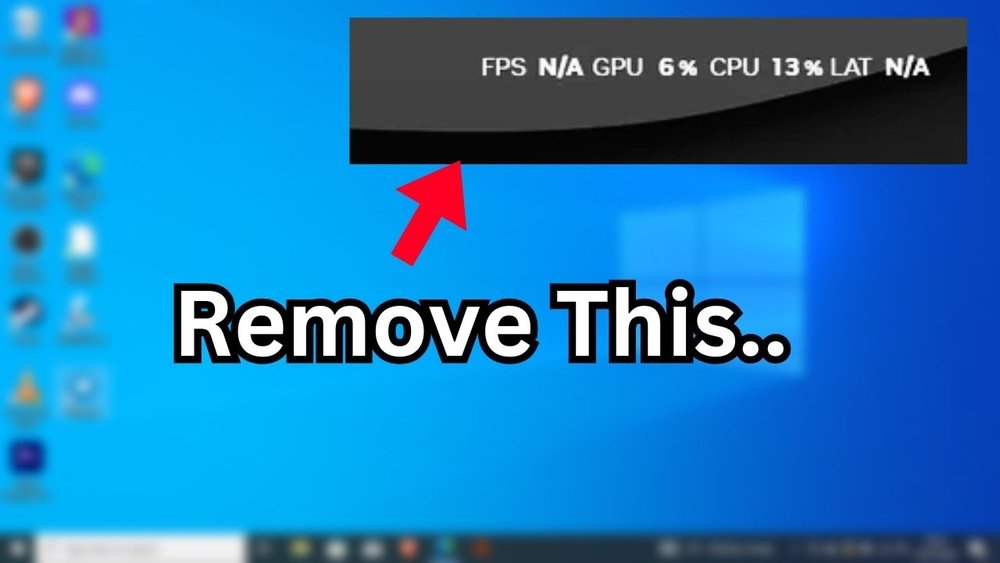
Are those annoying FPS, GPU, or CPU stats cluttering your screen while you’re trying to enjoy a game or work? You’re not alone.
These overlays can be helpful, but when they stick around too long or appear at the wrong times, they distract you and ruin the experience. If you’ve been searching for a quick way to get rid of that lagging info and clean up your display, you’re in the right place.
Keep reading, and you’ll learn simple, effective steps to remove those unwanted stats and take back control of your screen.
Causes Of Fps, Gpu, And Cpu Latency On Screen
FPS, GPU, and CPU latency on screen cause frustrating delays and slow responses. These issues affect gaming, video playback, and general computer use. Understanding the main causes helps fix these problems and improve performance.
Hardware Limitations
Old or low-quality hardware cannot keep up with demanding tasks. A weak GPU or CPU slows down frame rates and increases latency. Insufficient RAM also limits smooth processing and slows the system.
Driver Issues
Outdated or faulty drivers cause poor communication between hardware and software. This mismatch leads to slow frame rendering and input lag. Regular driver updates help maintain smooth performance and reduce latency.
Background Processes
Many programs running in the background consume CPU and memory resources. This reduces the power available for games or videos. Closing unnecessary apps frees up resources and lowers latency.
Overheating Problems
Heat slows down the CPU and GPU to prevent damage. This thermal throttling reduces performance and causes lag on screen. Cleaning dust and improving cooling keeps temperatures low and speeds high.

Credit: www.youtube.com
Monitoring Fps, Gpu, And Cpu Performance
Monitoring FPS, GPU, and CPU performance helps you understand how your system runs games and apps. It shows if your computer is working well or if it needs changes. Watching these numbers helps find problems like lag or overheating. You can then make your system run smoother and faster.
Using Built-in Tools
Most computers have tools to check FPS, GPU, and CPU use. Windows has Task Manager, which shows CPU and GPU load. Press Ctrl + Shift + Esc to open it. The Performance tab displays real-time data on hardware usage.
For FPS, some games have a built-in counter. Press keys like F3 or F12 in games to show FPS. On Windows 10 and 11, Xbox Game Bar can also show FPS and system stats. Press Win + G to open it and enable the performance overlay.
Third-party Software Options
Many free and paid apps offer detailed monitoring of FPS, GPU, and CPU. MSI Afterburner is popular for real-time stats and overlays. It works with most hardware and shows info while gaming.
Other options include HWMonitor and GPU-Z. These tools provide detailed temperature and load data. They help track performance over time and spot issues early.
Basic Troubleshooting Steps
Basic troubleshooting steps are the first actions to fix FPS, GPU, and CPU lag on your screen. These steps help identify simple issues before moving to complex solutions. They often solve performance problems quickly.
Start with easy tasks that refresh your system and free up resources. This method saves time and avoids unnecessary technical work. Follow these steps carefully to improve your computer’s speed and responsiveness.
Restarting Your System
Restarting your computer clears temporary files and stops background tasks. This refresh helps fix many lag problems. Turn off your PC completely, wait a few seconds, then turn it back on. This step often restores smooth performance.
Updating Drivers
Drivers control how hardware works with your system. Outdated drivers can cause lag and poor FPS. Check for updates for your GPU and CPU drivers regularly. Use the official manufacturer’s website or device manager to get the latest versions. Updated drivers improve stability and speed.
Closing Unnecessary Programs
Many programs running in the background use CPU and GPU power. Close apps you do not need during gaming or heavy work. This frees resources for your main tasks and reduces lag. Use task manager to see which programs use most resources and close them safely.

Credit: www.reddit.com
Optimizing Graphics Settings
Optimizing graphics settings helps reduce FPS, GPU, and CPU lag on your screen. It improves game performance and makes gameplay smoother. Simple changes in your graphics options can lower the load on your hardware. This section shows easy steps to adjust settings for better results.
Adjusting Resolution And Quality
Lowering the resolution reduces the number of pixels your computer must display. This lightens the work for your GPU and CPU. You can also lower graphic quality settings like shadows, textures, and effects. These changes improve frame rates and decrease lag. Start with medium settings and adjust based on your system’s response.
Disabling V-sync
V-Sync synchronizes the frame rate with your monitor’s refresh rate. It can cause input lag and lower FPS. Turning off V-Sync often increases responsiveness and reduces delay. Try disabling V-Sync to see if your game feels smoother. Some games may have screen tearing without it, so test what works best.
Tweaking Frame Rate Limits
Setting a frame rate limit stops your GPU from working too hard. Unlimited FPS can cause overheating and lag spikes. Choose a frame rate cap close to your monitor’s refresh rate. This keeps gameplay steady and prevents sudden drops. Many games have simple options to set or remove FPS limits.
Enhancing Hardware Performance
Enhancing hardware performance plays a key role in reducing FPS, GPU, and CPU lag on your screen. Better hardware means smoother visuals and faster responses. Small changes to your setup can improve how your computer handles games and apps. Focus on three main areas: upgrading parts, cooling your system, and safe overclocking.
Upgrading Components
Replacing old parts with new ones boosts performance. A faster CPU processes tasks quicker. A better GPU improves graphics rendering. More RAM helps your system run multiple programs smoothly. Choose components that fit your computer and budget. This change reduces lag and increases FPS.
Improving Cooling Solutions
Heat slows down your CPU and GPU. Cooling keeps parts working at top speed. Use fans or liquid cooling systems to lower temperatures. Clean dust from vents and fans often. Cooler hardware runs faster and lasts longer. Proper cooling reduces screen lag and stuttering.
Overclocking Safely
Overclocking makes your CPU or GPU run faster than usual. It can improve game frame rates. Increase speeds slowly and test stability. Use software tools to monitor temperatures. Avoid pushing hardware too hard to prevent damage. Safe overclocking improves performance without risking your system.
Software Tweaks To Reduce Latency
Reducing latency on your screen improves your experience. Software tweaks help lower the delay between your actions and what you see. These changes focus on optimizing your system and game settings. They allow your CPU, GPU, and FPS to work smoothly together. Simple adjustments can make a big difference in latency.
Configuring Game Settings
Adjust game settings to reduce lag and boost speed. Lower graphics quality to ease the load on your GPU. Turn off extra visual effects and shadows that slow performance. Set the frame rate limit close to your monitor’s refresh rate. This helps keep the game responsive and smooth.
Managing Background Services
Close unnecessary apps and programs running in the background. These use CPU and memory that your game needs. Use Task Manager to find and stop non-essential services. This frees resources for better game performance. Keep your system clean from startup apps that slow down your PC.
Using Performance Boosters
Use software tools designed to improve game speed and reduce lag. These tools optimize CPU and GPU usage automatically. They can also prioritize your game’s network traffic. Choose boosters that are safe and have good reviews. Regular use can keep your system running faster during gameplay.
Preventing Future Fps, Gpu, And Cpu Latency
Preventing future FPS, GPU, and CPU latency is key to a smooth computer experience. Latency causes lag and slow response during gaming or heavy tasks. Taking simple steps can keep your system fast and responsive for longer.
Regular Maintenance
Clean your computer regularly to avoid dust buildup. Dust blocks airflow and causes overheating. Overheating slows down your GPU and CPU. Check fans and vents to ensure they work well. Replace thermal paste if your system runs hot. Run disk cleanup tools to free space. A clean system runs without unnecessary strain.
Keeping Software Updated
Update your operating system often. Updates fix bugs and improve performance. Keep your graphics card drivers current. GPU driver updates boost game and app speed. Also update CPU drivers and firmware. Use automatic updates to stay current. Updated software helps reduce latency issues.
Monitoring System Health
Use tools to check your CPU and GPU temperature. Watch for spikes that cause slowdowns. Monitor system memory and disk usage. High usage means your system is overloaded. Close unnecessary background programs to free resources. Set alerts for unusual system behavior. Early detection stops latency before it grows.

Credit: www.reddit.com
Frequently Asked Questions
How To Hide Fps, Gpu, And Cpu Stats On Screen?
You can disable the in-game overlay or software displaying these stats. Check settings in your GPU software or game overlay to turn off FPS, GPU, and CPU display.
Why Does Fps, Gpu, And Cpu Latency Show On Screen?
These stats help monitor system performance during gameplay. They display real-time frames per second, GPU, and CPU latency to optimize gaming experience.
Can I Customize The Display Of Fps, Gpu, And Cpu Info?
Yes, most software allows customization of on-screen stats. You can change the position, size, and which metrics to display according to your preference.
Does Removing Fps, Gpu, And Cpu Info Affect Game Performance?
No, hiding these stats does not impact game performance. It only removes the overlay, freeing screen space without changing system speed or latency.
Conclusion
Removing FPS, GPU, and CPU latency from your screen is easier than you think. Follow the steps carefully and check your settings. Keep your drivers updated and use reliable software tools. Monitor your system to spot any lag or delay.
These small actions improve your gaming and work experience. Stay patient and adjust settings as needed. Clear screens mean better focus and smoother performance. Try these tips today and enjoy a cleaner display.
