
Is your GPU slowing down or showing signs of wear? You might think it’s time for a costly replacement, but what if a simple refresh could bring it back to life?
Knowing how to refresh your GPU can save you money and boost your computer’s performance instantly. You’ll discover easy, practical steps to make your graphics card run smoother and cooler. Stick with me, and by the end, you’ll have the confidence to give your GPU the care it needs—no tech expert required.
Ready to unlock your GPU’s true potential? Let’s get started.
Credit: www.nvidia.com
Signs Your Gpu Needs A Refresh
Knowing when your GPU needs a refresh can save you from many headaches. A graphics card that is struggling affects your whole computer experience. Watch for clear signs that point to its decline. Acting early helps maintain smooth performance and visual quality.
Common Performance Issues
Games or apps start to lag or freeze often. Frame rates drop, causing choppy visuals. Programs that used to run well become slow. Your GPU may struggle to keep up with newer software. These slowdowns are a key sign to check your card.
Visual Artifacts And Glitches
Strange lines or dots appear on the screen. Colors look wrong or flicker during use. Images may distort or break apart unexpectedly. These visual glitches mean your GPU might be failing. They often indicate hardware problems or overheating.
Overheating Symptoms
Your computer feels hotter than usual near the GPU. Fans run loudly and constantly try to cool it down. Sudden shutdowns or restarts can happen without warning. Overheating can damage the GPU and reduce its lifespan. Keep an eye on temperature and fan behavior.
Credit: www.reddit.com
Preparing For A Gpu Refresh
Preparing for a GPU refresh is an important step to ensure a smooth upgrade. Taking time to get ready helps avoid problems during installation. It also protects your data and hardware.
This section guides you through key tasks before refreshing your GPU. Following these steps saves time and prevents mistakes.
Backing Up Important Data
Backing up data protects your files from loss during the GPU refresh. Save your important documents, photos, and settings. Use an external hard drive or cloud storage for backups. Confirm the backup is complete before starting the upgrade.
Gathering Necessary Tools
Prepare all tools needed for the GPU refresh. Common tools include a screwdriver, thermal paste, and anti-static wristband. Having tools ready makes the process faster and safer. Check your new GPU’s manual for any special tools required.
Updating Drivers And Software
Update your current GPU drivers before removing the old card. Download the latest drivers from the manufacturer’s website. Remove outdated drivers to avoid conflicts with the new GPU. Also, update your system software for better compatibility.
Cleaning Your Gpu Physically
Cleaning your GPU physically helps it run cooler and last longer. Dust and dirt can block airflow and cause overheating. Regular cleaning keeps your graphics card performing well.
Removing Dust And Debris
Turn off your computer and unplug it. Open the case to access the GPU. Use a can of compressed air to blow away dust. Hold the fan blades so they do not spin. Clear dust from all surfaces gently. Avoid using a vacuum as it can cause static damage.
Cleaning The Fans And Heatsink
Fans and heatsinks trap heat and dust easily. Use a soft brush to remove stuck dirt. Clean between the fan blades carefully. Wipe the heatsink fins with a cloth or brush. Make sure no dust blocks airflow paths. Clean parts help the GPU cool better.
Reapplying Thermal Paste
Thermal paste helps transfer heat from the GPU chip to the cooler. Old paste dries out and loses effectiveness. Remove the GPU cooler carefully. Clean off old thermal paste with isopropyl alcohol. Apply a small pea-sized drop of new paste. Reattach the cooler firmly but gently. This improves heat transfer and lowers temperature.
Optimizing Gpu Settings
Optimizing GPU settings helps improve your graphics card’s performance and lifespan. Proper adjustments can reduce overheating and boost efficiency. Small tweaks in clock speeds, power settings, and software use make a big difference.
Adjusting Clock Speeds
Clock speed controls how fast your GPU works. Lowering the speed can reduce heat and power use. Increasing it might improve performance but risks overheating. Use small changes and test stability after each adjustment.
Managing Power Settings
Power settings affect how much energy your GPU uses. Set power limits to balance performance and temperature. Lower power settings help keep the GPU cool and extend its life. Higher settings can increase speed but may cause more heat.
Using Overclocking Software Safely
Overclocking software lets you change GPU settings easily. Use trusted programs with built-in safety features. Always monitor temperature and performance during changes. Avoid pushing the GPU beyond safe limits to prevent damage.
Updating And Reinstalling Drivers
Updating and reinstalling GPU drivers helps keep your graphics card running smoothly. Drivers connect your GPU to your computer’s operating system. Old or corrupt drivers can cause crashes, poor performance, or visual glitches. Refreshing drivers often fixes these issues and improves stability.
This process involves removing old drivers, getting the latest versions, and installing them cleanly. Each step is important to avoid conflicts and ensure the GPU works well.
Uninstalling Old Drivers
Start by removing outdated or faulty GPU drivers. Use the Device Manager or a driver removal tool. This clears out any files that may cause problems. A clean slate helps the new drivers install properly. Restart your computer after uninstalling to complete the removal.
Downloading Latest Versions
Visit the official website of your GPU maker. Choose the right driver for your model and operating system. Download the most recent version available. Updated drivers often include bug fixes and performance improvements. Avoid third-party sites to reduce the risk of malware.
Performing Clean Driver Installation
Run the downloaded file to start installation. Select the option for a clean install if available. This removes old driver files and settings. Follow the on-screen instructions carefully. Restart your PC after installation to apply changes. Your GPU will now work with fresh, updated drivers.

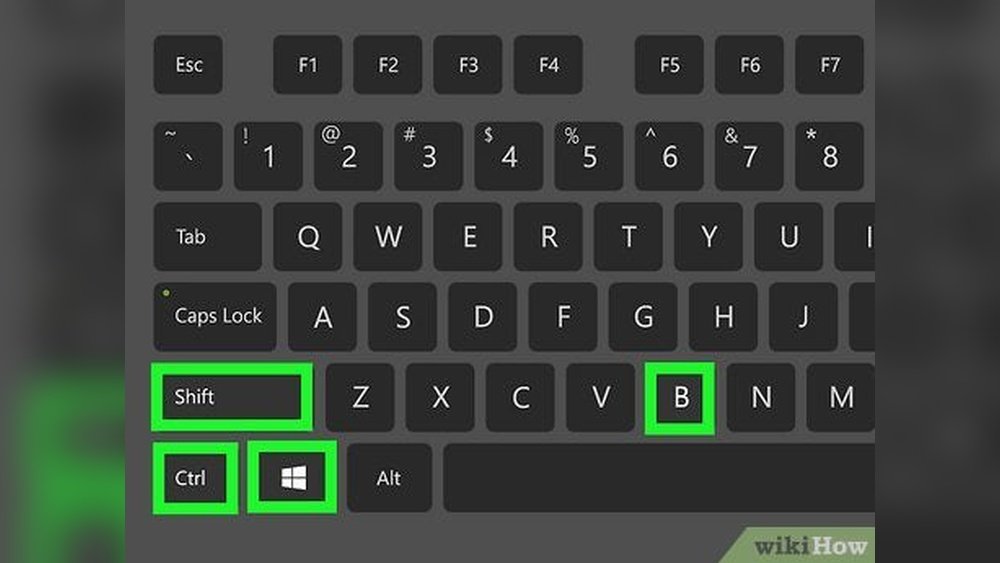
Credit: www.wikihow.com
Boosting Gpu Performance With Software
Boosting GPU performance with software can greatly improve your computer’s speed and graphics quality. Software tools help manage how your GPU works and fix performance issues. Simple changes in settings and programs running can make your GPU run smoother and faster. Understanding these software methods is key to getting better results without extra hardware costs.
Using Performance Monitoring Tools
Performance monitoring tools track your GPU’s usage and temperature. They show which programs use the most GPU power. This helps find problems and adjust settings for better speed. Tools like MSI Afterburner or GPU-Z give real-time data. Watching your GPU’s stats helps keep it cool and working well.
Optimizing Game Settings
Games often use a lot of GPU power. Lowering settings like resolution or shadows can boost FPS. Turning off extra effects also helps. Many games have presets like low, medium, or high. Choose a setting that balances good looks and smooth play. This reduces GPU strain and improves game performance.
Reducing Background Processes
Background programs use GPU resources without you noticing. Closing unused apps frees GPU power for important tasks. Use Task Manager to find and stop these processes. This simple step can increase your GPU’s efficiency. Fewer background tasks mean faster and more stable performance.
When To Consider Hardware Upgrade
Knowing the right time to upgrade your GPU is key to keeping your computer fast and smooth. A new GPU can improve your gaming, video editing, and other graphic-heavy tasks. Recognizing signs that your current GPU is outdated helps you avoid frustration and wasted effort trying to fix old hardware.
Evaluating Gpu Age And Compatibility
Check your GPU’s age first. Most GPUs last around 3 to 5 years. Older models may not support new software or games. Compatibility with your motherboard and power supply matters. A new GPU might need more power or a bigger slot. Make sure your system can handle the upgrade without extra costs.
Budgeting For A New Gpu
Set a clear budget before buying a new GPU. Prices vary widely based on brand and power. Decide how much performance you need and what you can afford. Balance between cost and benefits. Avoid overspending on features you will not use. Consider saving for a better model if your budget is low now.
Choosing The Right Replacement
Pick a GPU that fits your needs. Look for one that matches your games or work software requirements. Check online reviews for reliability and performance. Factor in power consumption and cooling needs. Choose a brand with good customer support and warranty. A well-chosen GPU lasts longer and works better.
Frequently Asked Questions
How Do I Refresh My Gpu Drivers?
To refresh GPU drivers, visit the manufacturer’s website. Download the latest driver version. Uninstall the old driver first, then install the new one. Restart your computer to apply changes. This improves performance and fixes bugs.
When Should I Refresh My Gpu?
Refresh your GPU when experiencing graphics lag, crashes, or display issues. Also, update drivers after a major OS update or game release. Regular updates keep your GPU running smoothly and securely.
Can Refreshing My Gpu Improve Gaming Performance?
Yes, refreshing your GPU drivers can improve gaming performance. Updated drivers optimize hardware use and fix bugs. This leads to smoother gameplay and better frame rates in many games.
Is It Safe To Refresh Gpu Drivers Frequently?
Yes, it is safe to refresh GPU drivers regularly. Always download drivers from official sources. Frequent updates ensure your GPU runs optimally and securely without harming hardware.
Conclusion
Refreshing your GPU can improve its speed and lifespan. Clean the fans and update drivers regularly. Check for overheating and fix any dust buildup. Small steps make a big difference in performance. Keep your system cool to avoid crashes. These easy tips help your GPU run smooth.
Take care of your hardware, and it will last longer. Simple maintenance saves money and frustration. Try these steps today for better gaming and work. Your GPU will thank you with better speed and stability.
