
If you want to boost your computer’s speed without buying new hardware, overclocking your RAM in BIOS is a smart move. It might sound complicated, but with the right steps, you can unlock extra performance from your system.
Imagine smoother gaming, faster loading times, and better multitasking—all by tweaking a few settings. In this guide, you’ll learn exactly how to safely overclock your RAM in BIOS, even if you’re new to it. Ready to get the most out of your memory?
Let’s dive in and make your PC faster today.
Benefits Of Ram Overclocking
Overclocking RAM in the BIOS offers several key benefits. It allows your computer to run faster and handle tasks better. This can make a big difference in daily use, gaming, and work. Small changes in RAM speed can improve how smoothly your system runs.
Here are some main benefits of RAM overclocking.
Improved System Performance
Faster RAM speeds help your computer work quicker. Programs open faster and run smoother. Multitasking becomes easier with less delay. Your overall system feels more responsive and efficient.
Enhanced Gaming Experience
Games benefit from higher RAM speeds. Loading times shorten and gameplay becomes smoother. Frame rates may improve, reducing lag. This results in a more enjoyable gaming session.
Faster Data Processing
Overclocked RAM speeds up how data moves inside your PC. Tasks like editing videos or handling large files complete faster. This saves time and improves productivity.

Credit: www.wikihow.com
Prerequisites Before Overclocking
Before you start overclocking your RAM in BIOS, some important steps must be taken. These steps help avoid problems and keep your system safe. Skipping these can cause crashes or data loss. Follow each step carefully for the best results.
Check Ram And Motherboard Compatibility
Not all RAM works well with all motherboards. Check your motherboard’s manual or website. Look for supported RAM types and speeds. Use RAM that matches these specs to avoid errors. Also, find out if your motherboard supports overclocking. Some models do not allow changes in RAM speed.
Update Bios To Latest Version
Old BIOS versions may not support new RAM or features. Visit your motherboard maker’s website. Download and install the latest BIOS update. This update can fix bugs and improve stability. Follow the update instructions carefully to prevent damage.
Backup Important Data
Overclocking can cause system crashes or data loss. Save important files to an external drive or cloud storage. This keeps your data safe in case something goes wrong. Backup before making any changes to BIOS settings.
Accessing Bios Settings
Accessing BIOS settings is the first step to overclock RAM. BIOS controls your computer’s hardware and performance. Changing RAM settings requires careful navigation inside BIOS. This guide shows how to open BIOS and find RAM options easily.
Entering Bios During Boot
Restart your computer to enter BIOS. Press the BIOS key right after powering on. Common keys include Delete, F2, or Esc. The screen usually shows which key to press. Press the key several times until BIOS loads. If you miss the timing, restart and try again.
Navigating To Ram Settings
Inside BIOS, use arrow keys to move through menus. Look for sections like “Advanced,” “Overclock,” or “AI Tweaker.” Find the menu with memory or RAM settings. This section controls frequency, voltage, and timings. Take your time to explore carefully before making changes.
Adjusting Ram Frequency
Adjusting RAM frequency is a key step in overclocking your memory through the BIOS. It controls how fast your RAM runs. Higher frequency can improve your system’s speed and responsiveness. Start by finding the right settings in your BIOS. Then, choose the best profile for your RAM. This process helps you get better performance without damaging your hardware.
Locating Memory Frequency Options
Enter the BIOS setup by pressing the correct key during boot. Usually, it’s Delete, F2, or F10. Look for a tab named “Advanced,” “Overclocking,” or “Tweaker.” Inside, find the memory or DRAM settings section. Here, you will see options for RAM frequency. It may be listed as “DRAM Frequency,” “Memory Clock,” or similar. Select this setting to view the available frequency values. Note that some BIOS versions group memory settings under CPU or chipset menus.
Selecting Suitable Overclocking Profiles
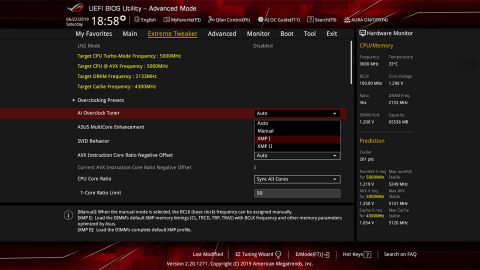
Many motherboards offer preset overclocking profiles for RAM. These profiles list different frequency and timing combinations. Choose a profile that matches your RAM’s rated speed or slightly higher. Profiles usually have names like “XMP,” “DOCP,” or “EOCP.” Enable the profile to apply its settings automatically. This method is safer for beginners. It reduces the risk of instability by using tested values. You can also manually tweak settings later for better results.
Tweaking Ram Timings
Tweaking RAM timings is a key step in overclocking RAM through BIOS. It helps improve the speed and performance of your memory. Adjusting timings can make your system faster and more responsive. Small changes can lead to better results.
Timing values control how quickly RAM responds to commands. Setting the right values keeps your system stable and efficient. Understanding these timings is important before making changes.
Understanding Primary Timings
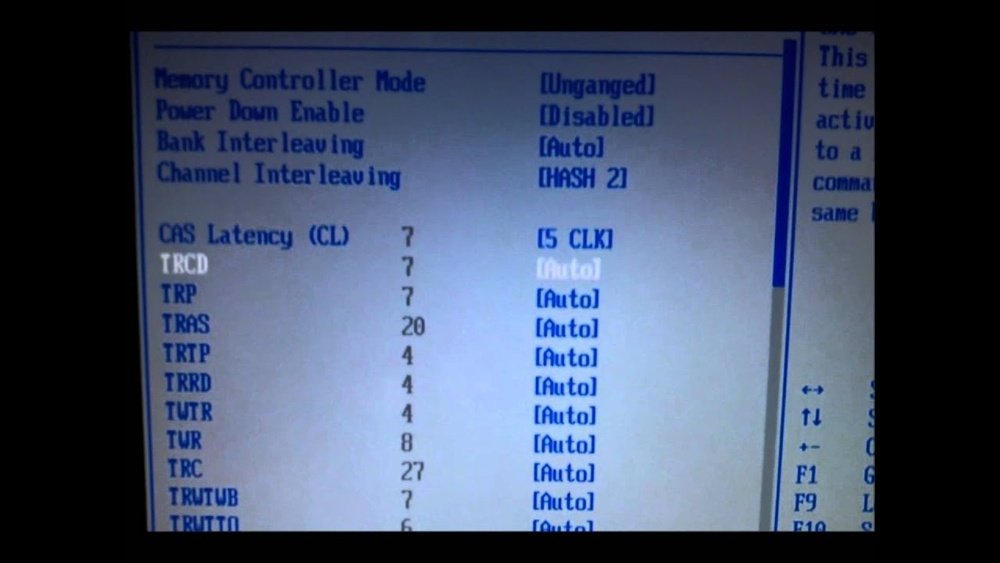
Primary timings are the main delays in RAM operations. They include CAS latency (CL), RAS to CAS delay (tRCD), RAS precharge (tRP), and cycle time (tRAS). These numbers show how many clock cycles the RAM waits before acting.
Lower numbers mean faster RAM but can cause instability. Higher numbers are safer but slower. Knowing what each timing does helps choose the right balance.
Setting Timings For Stability
Start with the default timings shown in BIOS. Lower the numbers one step at a time. Test your system after each change to check stability. Use tools like MemTest86 or Prime95.
If the system crashes or shows errors, increase the timings slightly. Stability is more important than speed. Set timings that keep your system running smoothly without errors.
Credit: www.intel.la
Modifying Ram Voltage
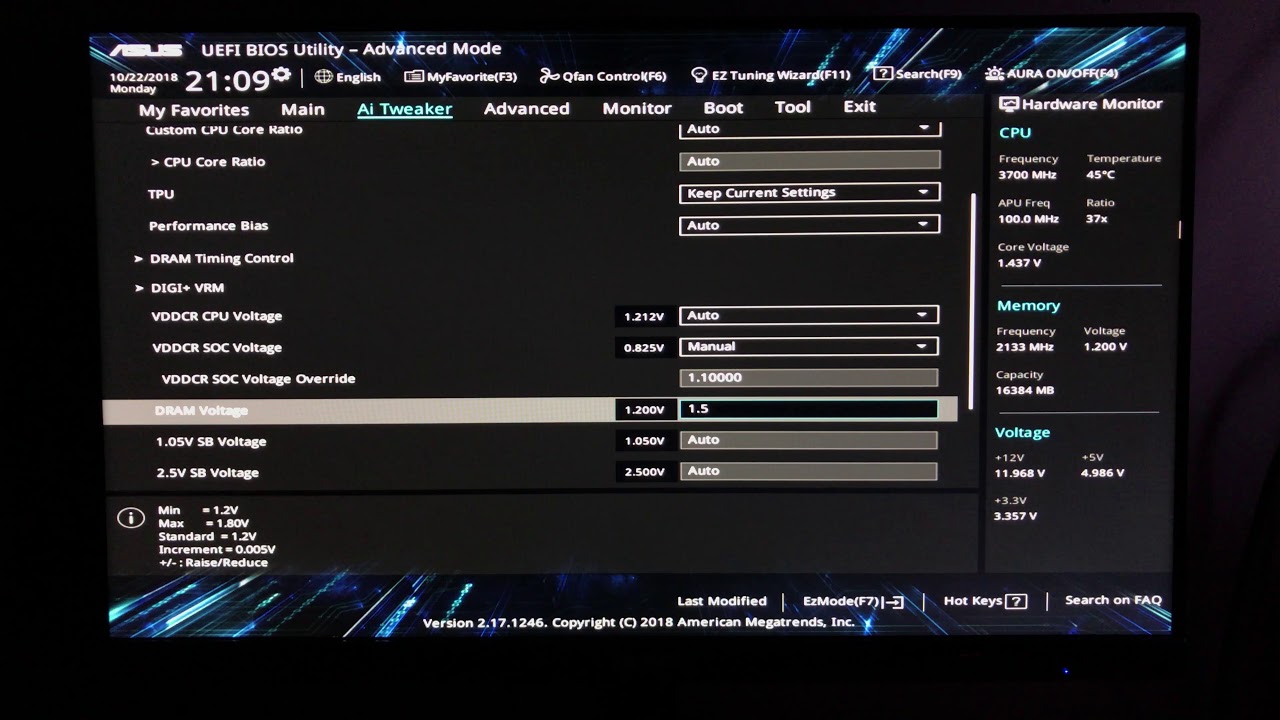
Modifying RAM voltage is a key step in overclocking your memory through BIOS. Increasing voltage helps stabilize higher speeds. It gives your RAM extra power to handle faster settings. But, changing voltage needs care. Too much voltage can harm your system.
Adjusting RAM voltage involves finding a balance. You want enough voltage for stability. Not so much that it causes heat or damage. Understanding safe limits and heat effects is important. This keeps your PC safe and running well.
Safe Voltage Limits
Each RAM type has a voltage range. Most DDR4 RAM works safely between 1.2V and 1.4V. Staying in this range reduces risk of damage. Check your RAM’s specs for exact values. Avoid pushing voltage too high. Exceeding safe limits can shorten RAM lifespan. Always increase voltage slowly. Test stability after each change.
Balancing Voltage And Heat
Higher voltage creates more heat inside your PC. Heat can cause crashes or hardware failure. Good cooling is essential when overclocking RAM. Use quality fans or liquid cooling systems. Monitor temperatures while testing overclock settings. Stop if temperatures rise above safe levels. Balancing voltage and heat keeps your system stable and long-lasting.
Testing Overclock Stability
Testing overclock stability is a key step after setting your RAM speed in BIOS. It shows if your system runs well with the new settings. Stable RAM means your computer works smoothly without crashes or errors. Unstable RAM can cause freezes, blue screens, or data loss. You need to check your system carefully to ensure the overclock is safe and reliable.
Using Stress Testing Software
Stress testing software pushes your RAM to its limits. It checks for errors and performance issues under heavy load. Programs like MemTest86, Prime95, and AIDA64 are popular choices. Run these tests for several hours to find any instability. Watch for error messages or crashes. If errors appear, lower your RAM speed or increase voltage slightly.
Monitoring Temperature And Performance
Keep an eye on your RAM temperature during tests. High temperatures can cause instability and damage. Use tools like HWMonitor or CPU-Z to track temperatures. Stay within safe limits, usually below 85°C. Also, check overall system performance. Smooth operation without slowdowns means a good overclock. Adjust BIOS settings if you notice overheating or lag.
Troubleshooting Common Issues
Troubleshooting common issues is part of the overclocking process. Problems may arise while adjusting RAM settings in BIOS. Knowing how to fix these issues helps keep your system stable and running smoothly.
Errors often show as crashes, boot failures, or automatic resets. Understanding these problems speeds up fixing them. Use simple steps to identify and resolve issues fast.
System Crashes And Freezes
System crashes happen when RAM settings are too aggressive. Overclocked RAM can cause instability. Lower the frequency or increase voltage slightly. Test with small changes to find stable settings.
Freezing may also result from incorrect timings. Return to default timings or increase them slowly. Use stress tests to check if the system stays stable.
Boot Failures
Boot failures occur if RAM cannot run at set speeds. BIOS may fail to load or restart repeatedly. Reset RAM frequency to a lower value. Avoid pushing settings beyond your RAM’s limits.
Check BIOS updates for better compatibility with your RAM. Sometimes, a BIOS update fixes boot issues linked to memory.
Reverting To Default Settings
Reverting to default settings restores system stability. Use the BIOS option to load optimized defaults. This step clears any problematic overclock settings.
If the system won’t boot, clear CMOS by removing the battery or using a jumper. This action resets all BIOS settings, including RAM overclock.
Tips For Safe Overclocking
Overclocking RAM in BIOS can improve your computer’s speed. It also comes with risks if done too fast or incorrectly. Safe overclocking helps keep your system stable and prevents damage. Follow these tips to make the process smooth and secure.
Incremental Changes
Make small changes to RAM speed or timing. Increase frequency step by step instead of large jumps. This helps you find the maximum stable settings. It also reduces the chance of system crashes or errors.
Keeping System Cool
Overclocking raises the heat inside your PC. Use good cooling solutions like fans or liquid coolers. Check airflow inside the case and remove dust regularly. Cooler RAM runs better and lasts longer.
Regular Stability Checks
Test your system after each change. Run memory stress tests or use software like MemTest86. Watch for crashes, freezes, or errors. Stability checks show if your settings are safe and reliable.
Credit: www.youtube.com
Frequently Asked Questions
What Is Ram Overclocking In Bios?
RAM overclocking in BIOS means increasing your memory’s speed beyond its default settings. This boosts system performance, especially in gaming and heavy tasks. It requires adjusting frequency, timings, and voltage carefully in BIOS to ensure stability and prevent hardware damage.
How Do I Safely Overclock Ram In Bios?
To safely overclock RAM, increase frequency gradually and test stability each time. Adjust timings and voltage moderately, monitor system temperatures, and avoid pushing beyond hardware limits. Always save BIOS settings and back up data to prevent loss during testing.
Will Overclocking Ram Improve Gaming Performance?
Yes, overclocking RAM can improve gaming performance by increasing data transfer speeds. Faster RAM reduces loading times and boosts frame rates in memory-intensive games. However, gains vary based on game and system configuration.
Can I Overclock Ram On Any Motherboard Bios?
Most modern motherboards support RAM overclocking in BIOS. However, the features and ease of access vary by brand and model. Check your motherboard’s specifications and BIOS interface to confirm overclocking options before proceeding.
Conclusion
Overclocking RAM in BIOS can boost your computer’s speed. It requires patience and careful steps. Start slow and test stability after each change. Watch your system’s temperature to avoid damage. Small tweaks often bring good results. Remember, every motherboard and RAM is different.
Always save your settings before exiting BIOS. This way, you keep your system safe and stable. With practice, you will get more confident adjusting RAM settings. Enjoy a faster PC without spending extra money. Give it a try, and see the difference yourself!
