
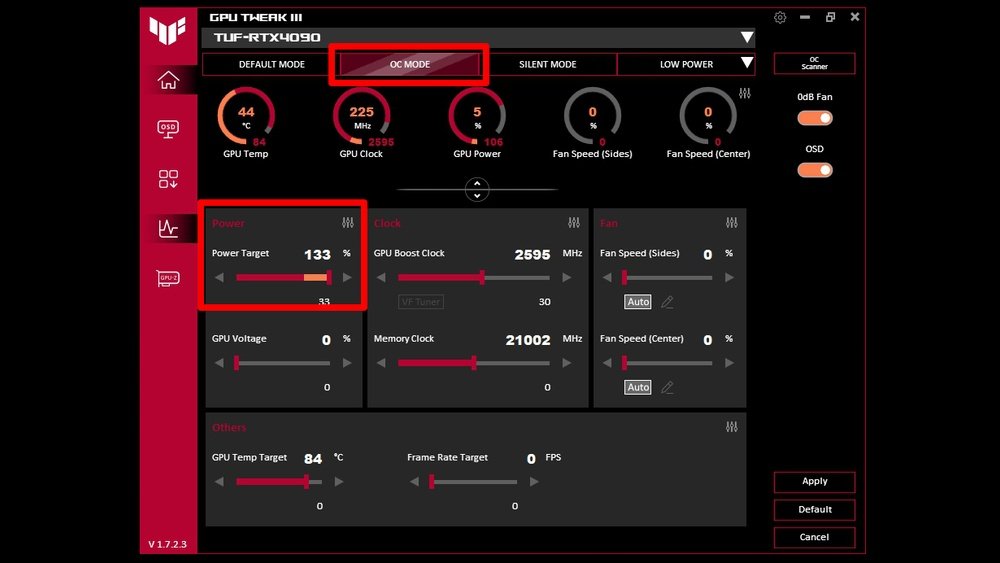
Want to get more power out of your laptop’s GPU without spending extra money? Overclocking your GPU can boost your laptop’s gaming and graphics performance, making everything run smoother and faster.
But if you’re worried about complicated steps or damaging your device, don’t be. This guide will walk you through simple, safe ways to overclock your laptop’s GPU. By the end, you’ll know exactly how to unlock extra speed and make your laptop work harder for you.
Ready to take your gaming or creative projects to the next level? Let’s dive in.
Benefits Of Laptop Gpu Overclocking
Overclocking a laptop GPU can bring several benefits that improve overall performance. It helps push the graphics card beyond its default speed. This leads to better results in gaming, rendering, and general use. Many users find overclocking a simple way to get more from their hardware without extra cost.
Improved Gaming Experience
Overclocking a laptop GPU can boost game frame rates. This means smoother gameplay and less lag. Games run with better visuals and faster response times. Players enjoy more stable performance in demanding titles. It also helps run newer games on medium or high settings.
Enhanced Rendering Speeds
Rendering videos or 3D models becomes faster with overclocking. The GPU handles tasks more quickly. This reduces waiting time and speeds up projects. Creative professionals can complete work with better efficiency. Overclocking helps software use the GPU power fully.
Maximized Hardware Potential
Overclocking lets you use the full power of your laptop GPU. It pushes the hardware beyond the factory limits safely. This improves the value of your device without upgrades. Users get more performance without buying a new laptop. It’s a cost-effective way to enhance hardware capability.
Credit: totalplumbingfl.com
Risks And Precautions
Overclocking a laptop GPU can boost performance but carries risks. Understanding these risks helps protect your device. Taking precautions minimizes damage and keeps your laptop safe. Always be aware of what overclocking means for your hardware and warranty.
Potential Hardware Damage
Overclocking pushes your GPU beyond its normal limits. This extra stress can cause permanent damage. Components may fail faster or stop working entirely. Avoid extreme settings to reduce the chance of hardware problems. Monitor your GPU’s health regularly during overclocking.
Overheating Concerns
Increasing GPU speed generates more heat. Laptops have limited cooling compared to desktops. Overheating can cause crashes or sudden shutdowns. Use temperature monitoring tools to keep an eye on heat levels. Stop overclocking if temperatures rise too high. Consider additional cooling solutions for better heat control.
Warranty Considerations
Overclocking may void your laptop’s warranty. Manufacturers often do not cover damage caused by overclocking. Check your warranty terms before starting. Accept the risk that repairs might not be free. Protect your investment by knowing what is allowed under warranty rules.
Preparing Your Laptop
Preparing your laptop before overclocking the GPU is important. It helps avoid problems and keeps your device safe. Proper preparation also ensures better performance during the process. Follow the steps below to get your laptop ready for overclocking.
Checking Hardware Compatibility
Not all laptops support GPU overclocking. Check the model and specifications first. Look for a dedicated GPU and proper cooling system. Verify if the GPU manufacturer allows overclocking on your device. Use tools like GPU-Z or your laptop’s manual for details. This step prevents damage from unsupported hardware.
Updating Drivers And Bios
Old drivers can cause errors during overclocking. Visit the GPU manufacturer’s website to download the latest drivers. Update the BIOS if the laptop manufacturer has released a new version. BIOS updates can improve hardware stability and performance. Always follow official instructions to avoid issues.
Backing Up Important Data
Overclocking can sometimes cause system crashes or data loss. Save your important files and documents before starting. Use an external hard drive or cloud storage for backup. This step protects your data if the system becomes unstable. Better safe than sorry.
Essential Tools For Overclocking
Overclocking a laptop GPU can boost its performance but needs careful steps. Using the right tools is crucial for safe and effective overclocking. These tools help adjust settings, check temperatures, and keep your laptop stable.
Choosing the proper software and hardware helps protect your laptop and improve results. Below are key tools you need before starting the overclocking process.
Overclocking Software Options
Software controls the GPU’s clock speed and voltage. Popular tools include MSI Afterburner and EVGA Precision X1. These apps offer easy sliders to change speeds. They also let you save profiles for different uses. Some software works only with specific GPU brands.
Pick software that supports your laptop’s GPU model. This ensures better compatibility and fewer errors.
Monitoring And Benchmarking Apps
Monitoring apps track temperature, usage, and clock speeds in real time. They help avoid overheating and crashes. Common choices are HWMonitor and GPU-Z. Benchmarking tools test your GPU’s performance before and after overclocking. 3DMark and Unigine Heaven are popular for this purpose.
Regular monitoring keeps your laptop safe during overclocking. Benchmarking shows how much faster your GPU runs.
Cooling Solutions
Extra cooling prevents heat damage during overclocking. Laptop cooling pads improve airflow below the machine. External fans can help reduce surface temperatures. Ensure your laptop vents are clean before starting. Thermal paste replacement can improve heat transfer from the GPU to the cooler.
Good cooling helps maintain stable performance and extends your laptop’s life.
Step-by-step Overclocking Guide
Overclocking your laptop’s GPU can boost its performance for games and apps. It needs careful steps to avoid damage. Follow this guide to safely increase your GPU speed. Each step helps you adjust settings and check stability. Take your time and watch results closely.
Adjusting Clock Speeds
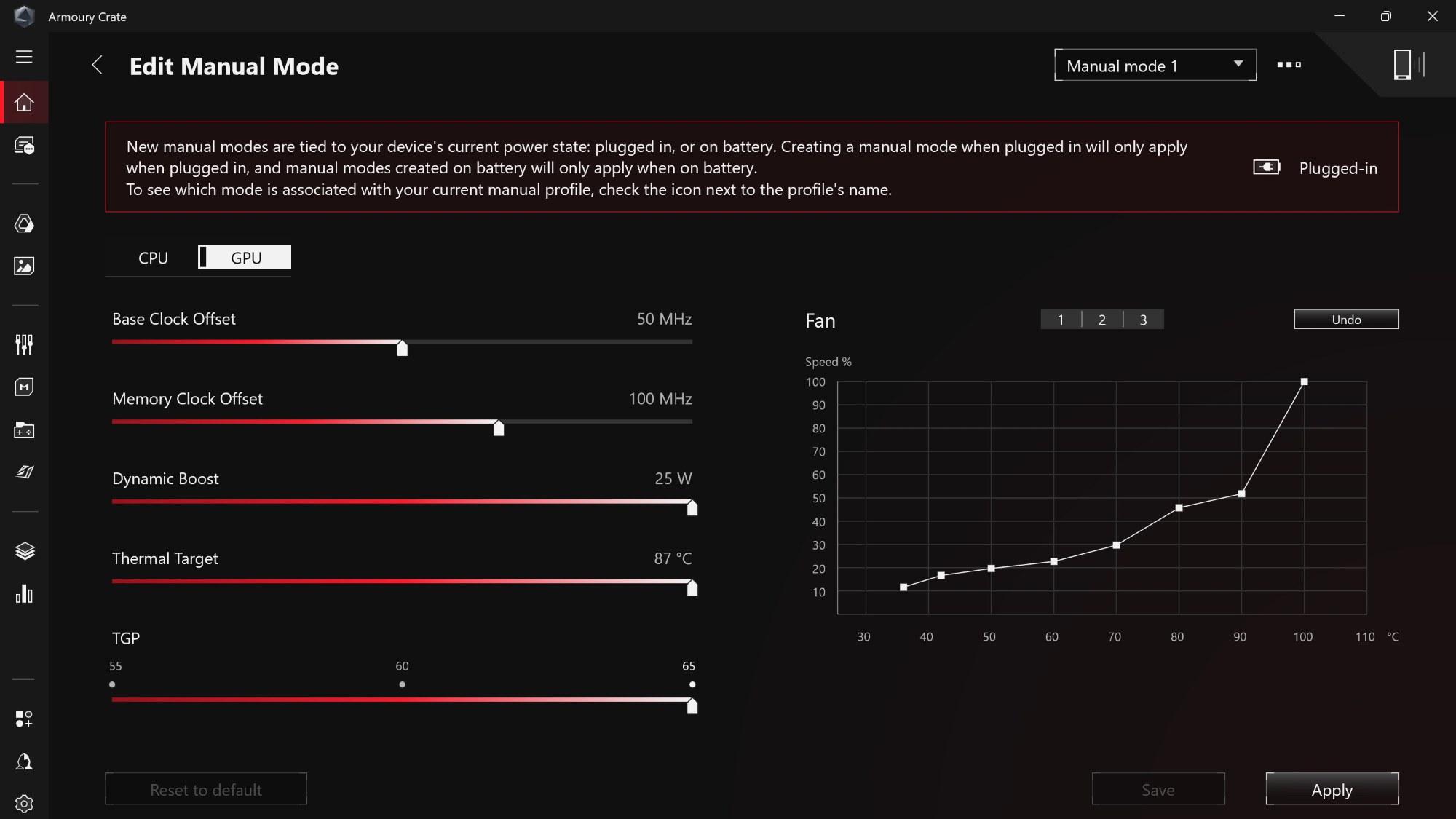
Start by opening your GPU overclocking software. Find the section for clock speeds. Increase the core clock speed slowly, about 10 to 20 MHz at a time. After each change, save settings and test for any issues. Avoid large jumps to prevent crashes or freezes.
Tweaking Voltage Settings
Adjusting voltage can improve stability at higher speeds. Increase voltage in small steps, no more than 10 mV at once. Keep an eye on temperature changes. Too much voltage can cause overheating. Use the software to monitor and control voltage safely.
Testing Stability And Performance
After changes, test your GPU for stability. Use stress tests and benchmarks to check performance. Watch for crashes, artifacts, or overheating. Run tests for at least 15 minutes each time. Stop and lower settings if problems appear. Repeat until you find stable and fast settings.
Credit: rog.asus.com
Managing Heat And Power
Overclocking a laptop GPU increases performance but also raises heat and power use. Managing heat and power is key to keep your laptop safe and stable. Proper care helps avoid damage and extends your laptop’s life.
Controlling temperature and power lets your GPU run faster without problems. Small changes can make a big difference in cooling and energy use.
Optimizing Cooling Systems
Use a cooling pad under your laptop to improve airflow. Keep laptop vents clean and clear of dust. Avoid placing the laptop on soft surfaces like beds or couches. These block air vents and raise temperatures. Adjust fan speeds in your laptop settings or with third-party software. Higher fan speeds help reduce heat but may increase noise.
Monitoring Temperature Levels
Track your GPU temperature with monitoring tools like HWMonitor or MSI Afterburner. Check temperatures regularly during overclocking tests. Keep GPU temperature under 85°C to prevent damage. Stop overclocking if temperatures rise too high. Watch for sudden spikes or constant high temps.
Power Management Tips
Set a power limit in your overclocking software to avoid excess power use. Use balanced power plans in your laptop settings. Avoid running other heavy programs during overclocking to save power. Lower screen brightness to reduce overall power consumption. Keep your laptop plugged in to maintain stable power during overclocking.
Troubleshooting Common Issues
Troubleshooting common issues is key when overclocking a GPU on a laptop. Overclocking can improve performance but may cause problems. Understanding how to fix these problems helps keep your laptop stable and fast. Below are common issues and how to solve them.
Addressing Crashes And Freezes
Crashes and freezes happen when the GPU runs too fast or too hot. Lower the overclock speed in small steps. Check your laptop’s temperature using monitoring software. Clean the vents and use a cooling pad to reduce heat. Close background programs to reduce load on the GPU.
Reversing Unstable Settings
Unstable settings cause errors and poor performance. Reset the GPU clock and voltage to default values. Use the overclocking software to return settings to factory defaults. Save changes and restart your laptop. Test stability by running a stress test or playing a game.
Dealing With Performance Drops
Performance drops may occur from overheating or wrong settings. Lower the clock speed and increase fan speed to cool down the GPU. Update your graphics drivers to the latest version. Disable unnecessary programs that use GPU resources in the background. Monitor performance regularly and adjust settings as needed.

Credit: www.thorfamilylaw.com
Advanced Overclocking Techniques
Advanced overclocking techniques help you get the best performance from your laptop GPU. These methods go beyond basic settings. They focus on improving speed, cooling, and power efficiency. Using these techniques carefully can enhance your gaming and graphic tasks without damaging your hardware.
Undervolting For Efficiency
Undervolting lowers the voltage to your GPU while keeping the same clock speed. This reduces heat and power use. Your laptop runs cooler and quieter. It also helps maintain stable performance during long sessions. Use software tools to adjust voltage in small steps. Test stability after each change to avoid crashes.
Custom Fan Profiles
Custom fan profiles control how your laptop’s cooling fans work. You can set fans to run faster when the GPU gets hot. This keeps temperatures down and prevents throttling. Slower fan speeds reduce noise when the GPU is cool. Many laptops allow fan control through built-in apps or third-party software. Tailor fan behavior to your needs for better balance of noise and cooling.
Using Bios For Deeper Tweaks
BIOS settings offer advanced options to tweak your GPU and system performance. You can adjust power limits, clock speeds, and voltages at a deeper level here. Some laptops allow unlocking hidden settings for overclocking. Be cautious: incorrect BIOS changes can harm your system. Always back up your BIOS before making changes. Use BIOS tweaks only if you understand the risks and benefits.
Maintaining Performance Over Time
Maintaining your GPU laptop’s performance after overclocking is key. Overclocking pushes the hardware beyond its usual limits. This can cause heat build-up and wear over time. Proper care helps keep your laptop running fast and stable. Follow simple steps to protect your investment and enjoy smooth performance.
Regular Monitoring
Check your GPU temperature often. Use software tools to track speed and heat. High temperatures can reduce performance and damage parts. Watch for crashes or slowdowns. These signs mean you may need to lower overclock settings. Monitoring helps catch problems early before damage occurs.
Cleaning And Maintenance
Dust blocks airflow and traps heat inside your laptop. Clean vents and fans regularly with compressed air. Avoid using a vacuum, which can cause static damage. Keep the laptop on hard surfaces to improve ventilation. Proper cleaning lowers temperature and keeps hardware safe.
Updating Software And Drivers
Install the latest GPU drivers from the manufacturer’s website. New drivers improve performance and fix bugs. Update your laptop’s BIOS and system software too. Updated software works better with overclocked hardware. Regular updates keep your system stable and efficient.
Frequently Asked Questions
How Safe Is Overclocking A Laptop Gpu?
Overclocking a laptop GPU can increase heat and power consumption. It may reduce hardware lifespan if done improperly. Use monitoring tools and gradual increments to ensure safety. Always keep temperatures within manufacturer limits to avoid damage and maintain system stability.
What Tools Are Best For Gpu Overclocking On Laptops?
Popular GPU overclocking tools include MSI Afterburner, EVGA Precision X1, and ASUS GPU Tweak. These apps offer user-friendly interfaces and real-time monitoring. Choose one compatible with your laptop GPU to adjust clock speeds and voltage safely and efficiently.
Does Overclocking Improve Laptop Gaming Performance?
Yes, overclocking a laptop GPU can boost gaming performance by increasing frame rates. However, gains depend on cooling efficiency and power limits. Proper tuning can enhance visuals and responsiveness without causing overheating or crashes.
How To Monitor Gpu Temperature While Overclocking?
Use software like HWMonitor, GPU-Z, or MSI Afterburner to track GPU temps. Keep temperatures under 85°C to prevent thermal throttling. Regular monitoring helps maintain safe operating conditions during overclocking sessions.
Conclusion
Overclocking your laptop’s GPU can boost performance. Take small steps to avoid overheating or damage. Always watch your laptop’s temperature during the process. Use reliable software tools to help control settings. Remember, not all laptops handle overclocking well. Know your device limits and keep safety first.
With care, you can enjoy better graphics and speed. Try it slowly, and enjoy your improved laptop experience.
