
Are you looking to boost your laptop’s performance without buying new hardware? Overclocking your CPU might be the secret weapon you need.
It can make your laptop run faster, handle games better, and speed up demanding tasks. But it’s not as complicated as it sounds. In this guide, you’ll learn simple, step-by-step methods to safely overclock your CPU and get the most out of your laptop.
Ready to unlock hidden power and take control of your machine? Keep reading, because what comes next could change the way you use your laptop forever.
:max_bytes(150000):strip_icc()/A3-OverclockaLaptop-annotated-81e3f7de3a794dd19bf7e98f60d8c457.jpg)
Credit: www.lifewire.com
Benefits Of Laptop Cpu Overclocking
Overclocking a laptop CPU can give your system a noticeable speed boost. It pushes the processor to run faster than its default settings. This process can make your laptop perform better in many tasks. It also helps to get more value from the hardware you already have.
Improved Performance For Gaming And Work
Overclocking improves the speed of your CPU. Games run smoother with fewer lags. Work programs, like video editors or spreadsheets, open and run faster. This means less waiting and more doing. It makes your laptop better at handling tough tasks.
Maximizing Hardware Potential
Every CPU has extra power hidden inside. Overclocking taps into this power. It helps your laptop perform beyond its usual limits. This is a way to get the best out of your hardware. Your system can handle more without needing new parts.
Cost-effective Speed Boost
Buying a new laptop is expensive. Overclocking costs nothing but time. It increases speed without extra hardware expenses. This makes your laptop feel newer and faster. It’s a smart choice for saving money while improving performance.

Credit: www.avast.com
Risks And Precautions
Overclocking a laptop CPU can boost performance but comes with risks. Understanding these risks helps avoid damage and keeps your laptop safe. Taking precautions is important before changing any settings.
Overheating And Thermal Throttling
Overclocking raises the CPU temperature. Laptops have small cooling systems. They may not handle extra heat well. Overheating can cause the laptop to slow down. This is called thermal throttling. It protects the CPU by reducing speed. Too much heat may also cause sudden shutdowns.
Potential Hardware Damage
Running the CPU beyond its limits stresses hardware parts. This can shorten the CPU’s life. Other components like the motherboard and battery may also be affected. Permanent damage can happen if heat builds up too much. Careful monitoring of temperature is needed to prevent damage.
Warranty Considerations
Most laptop warranties do not cover damage from overclocking. Changing CPU settings may void your warranty. Repairs for overclocking-related issues could cost extra. Check your laptop’s warranty terms before overclocking. Knowing this helps avoid unexpected expenses.
Preparing Your Laptop
Preparing your laptop before overclocking the CPU is essential. This process needs careful steps to avoid damage. Your laptop must be ready to handle the extra power and heat. Follow these steps to prepare your system safely.
Checking Cpu Compatibility
Not all laptop CPUs support overclocking. Check your CPU model online for its capabilities. Some manufacturers lock the CPU speed to prevent changes. Use tools like CPU-Z to find detailed information. Ensure your CPU can handle higher clock speeds safely.
Updating Bios And Drivers
Old BIOS versions may not support overclocking features. Visit your laptop manufacturer’s website to download the latest BIOS update. Keep all drivers, especially chipset and graphics, up to date. Updated BIOS and drivers improve stability and performance.
Ensuring Adequate Cooling
Overclocking increases heat inside your laptop. Good cooling prevents damage and crashes. Clean dust from vents and fans before starting. Consider using a cooling pad to lower temperatures. Monitor CPU temperature regularly during overclocking.
Tools For Overclocking
Overclocking a laptop CPU requires the right tools. These tools help adjust settings, test stability, and keep track of temperature. Using proper tools reduces risks and improves results. Understanding these tools is essential before starting the overclocking process.
Bios Settings Access
The BIOS is the first tool for overclocking. It controls the basic settings of your laptop. You can change CPU speed and voltage here. Access BIOS by pressing a key like F2 or Delete during startup. Not all laptops allow overclocking in BIOS. Check your laptop’s manual for details.
Third-party Software Options
Software tools offer easier ways to overclock your CPU. Programs like Intel XTU or AMD Ryzen Master provide user-friendly interfaces. They let you adjust clock speed and voltage within Windows. These tools often include preset profiles to guide beginners. Always download software from official websites to avoid malware.
Monitoring Tools For Temperature And Performance
Monitoring tools are vital for safe overclocking. They track CPU temperature, fan speed, and system stability. Popular tools include HWMonitor, Core Temp, and MSI Afterburner. Watch temperatures closely to prevent overheating. Stable performance means your laptop handles overclocking well.
Step-by-step Overclocking Guide
Overclocking a laptop CPU can improve performance but requires care. Follow this step-by-step guide to do it safely. Each step helps you adjust settings and check stability. This method reduces risks and improves results.
Backing Up Important Data
Start by backing up all important files. Overclocking may cause crashes or data loss. Use an external drive or cloud storage. This step protects your work and personal data.
Adjusting Cpu Multiplier And Voltage
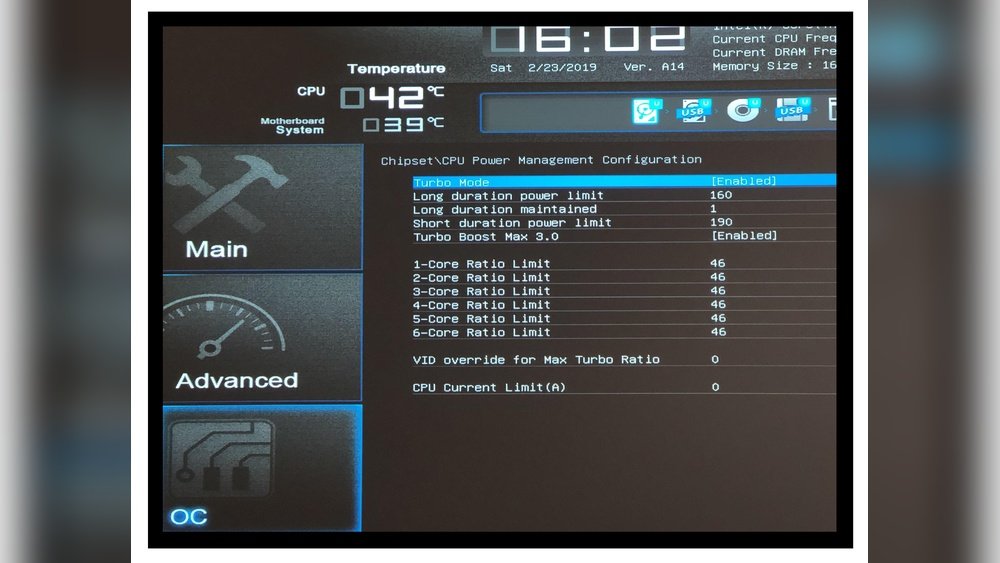
Enter your laptop’s BIOS or UEFI settings. Find the CPU multiplier option to increase speed. Raise it slowly by one step at a time. Adjust the CPU voltage only if needed. Higher voltage supports stability but adds heat. Make small changes and save each time.
Testing Stability With Stress Tests
Run stress test software after each change. This checks if your CPU runs well at new speeds. Test for at least 15 minutes. Stop if your laptop freezes or crashes. Restart and lower the multiplier or voltage if unstable.
Fine-tuning Settings For Optimal Balance
Find the best balance between speed and heat. Lower the multiplier or voltage if temperatures get too high. Repeat stress tests after each adjustment. Stop when your laptop is stable and cool enough. This keeps your laptop safe and fast.
Monitoring And Maintaining Overclocked Cpu
Monitoring and maintaining an overclocked CPU on a laptop is very important. Overclocking pushes your CPU beyond its normal limits. This can cause the laptop to heat up quickly or become unstable. Careful attention helps keep your laptop safe and working well. Regular checks and simple maintenance tasks can extend the life of your CPU and improve performance.
Regular Temperature Checks
Check your CPU temperature often. Use software tools that show real-time temperature. Keep the temperature below the maximum safe limit. High temperatures can damage your laptop’s hardware. Set alerts to warn you if temperatures rise too high. Cool down your laptop if the temperature stays high for a long time.
Performance Benchmarking
Test your laptop’s speed regularly. Use benchmarking tools to measure CPU performance. Compare results with previous tests to track changes. This helps detect instability caused by overclocking. Stop overclocking if performance drops or errors appear. Stable and consistent results mean your overclock is working well.
Cooling System Maintenance
Keep your laptop’s cooling system clean. Dust and dirt block airflow and cause overheating. Use compressed air to clean vents and fans. Replace thermal paste if needed to improve heat transfer. Check fans to make sure they spin smoothly. Good cooling helps your overclocked CPU run safely and efficiently.
Troubleshooting Common Issues
Overclocking a laptop CPU can boost performance but may cause issues. Troubleshooting helps fix problems fast. Understanding common errors keeps your system stable and safe. This guide covers key problems and solutions.
System Crashes And Freezes
Crashes happen when the CPU runs too fast or gets too hot. Lower the overclock speed in small steps. Check the cooling system. Clean fans and vents to improve airflow. Update your BIOS and drivers. Use software tools to monitor temperatures.
Unexpected Shutdowns
Shutdowns protect your laptop from damage. They often mean overheating or power issues. Make sure your laptop is on a hard, flat surface. Avoid blocking air vents. Check the battery health and power settings. Reduce the overclock level if shutdowns continue.
Reverting To Default Settings
Resetting to default fixes many overclock problems. Access the BIOS or UEFI menu during startup. Find the option to load default or optimized settings. Save changes and exit. This stops crashes and overheating. You can try overclocking again later with safer steps.

Credit: www.reddit.com
Frequently Asked Questions
What Is Cpu Overclocking On A Laptop?
CPU overclocking increases the processor’s clock speed beyond factory settings. It boosts performance but can raise heat and power use. Laptops need careful overclocking due to cooling limits to avoid damage or instability.
Is Overclocking Safe For Laptop Cpus?
Overclocking laptops can be risky because of limited cooling. Safe overclocking requires monitoring temperatures and gradual changes. Using reliable software and maintaining good airflow reduces risks. Always check your laptop’s warranty terms before overclocking.
How Do I Start Overclocking My Laptop Cpu?
Begin by researching your CPU model and compatible software. Use tools like Intel XTU or AMD Ryzen Master. Increase clock speeds slowly and test stability. Monitor temperatures closely to avoid overheating and system crashes.
Will Overclocking Improve Gaming Performance On Laptops?
Yes, overclocking can boost gaming performance by increasing CPU speed. It helps run games smoother and reduces lag. However, gains depend on your laptop’s cooling and power capacity. Proper cooling is essential to maintain stable gameplay.
Conclusion
Overclocking a laptop CPU can boost performance noticeably. It requires careful steps to avoid damage. Monitor temperatures closely to keep the system safe. Small changes work better than big jumps. Remember, every laptop reacts differently to overclocking. Testing and patience help find the best settings.
Enjoy the extra speed but stay cautious. This guide gives a clear start for your journey. Take your time and keep learning as you go.
