
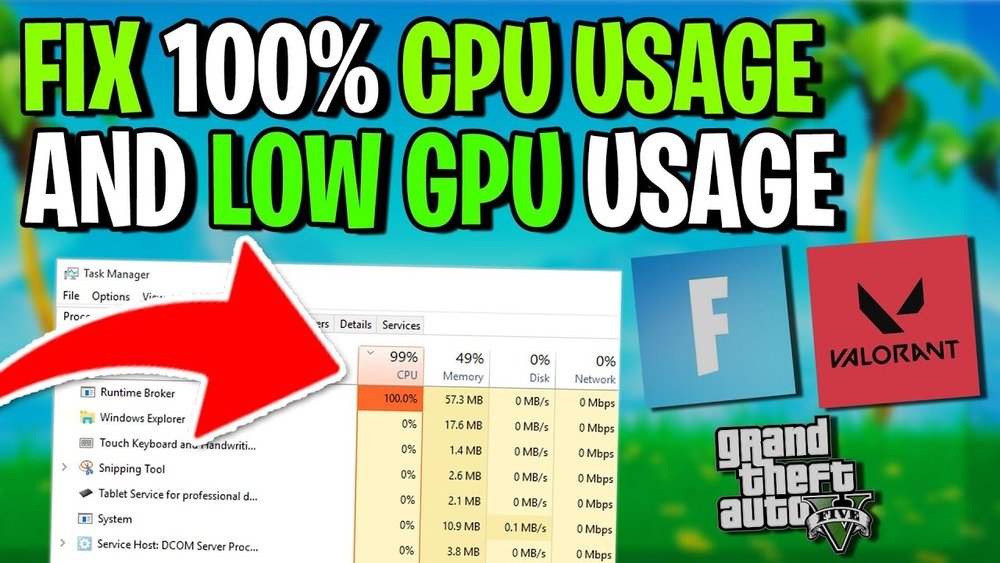
Are you tired of your game lagging or your computer heating up just when the action gets intense? High CPU usage can slow down your gaming experience and make your system feel like it’s running a marathon.
But what if you could keep your CPU cool and your game running smoothly at the same time? You’ll discover simple, effective ways to lower your CPU usage while gaming. These tips are easy to follow and can make a huge difference in how your PC performs.
Keep reading, and take control of your gaming like never before.

Credit: ms.codes
Optimize Game Settings
Optimizing game settings is a key step to reduce CPU usage during gaming. Adjusting these settings helps your computer run smoother. It also lowers the risk of overheating and lag. Many games offer options to balance visuals and performance. Tuning these can ease the load on your CPU. Let’s explore how to do this effectively.
Adjust Graphics Quality
Lower the graphics quality to ease CPU workload. Choose settings like low or medium instead of high or ultra. This reduces the details and effects the game shows. Less detail means your CPU processes fewer tasks. It helps keep your game running faster and cooler. Focus on shadows, textures, and effects as first targets to lower.
Limit Frame Rate
Cap the frame rate to reduce CPU strain. Unlimited frames push your CPU to work harder. Set a frame rate limit that matches your monitor’s refresh rate. For example, 60 frames per second is a good standard. This stops your CPU from producing extra frames. It lowers power use and keeps gameplay smooth.
Disable Unnecessary Features
Turn off game features that are not essential. Features like motion blur, depth of field, and anti-aliasing can use extra CPU power. These effects look nice but are often not needed. Disabling them frees up CPU resources. This change helps improve overall game performance. Check the game’s settings menu to find and switch off these options.
Credit: www.xda-developers.com
Update Drivers And Software
Keeping your drivers and software updated helps reduce CPU usage while gaming. Updates fix bugs and improve performance. They make sure your system runs smoothly during gameplay.
Old drivers or software can cause your CPU to work harder. This leads to lag and slowdowns. Updating these components can ease the CPU load and boost game speed.
Update Gpu Drivers
Your graphics card driver controls how games use your GPU. Updating it can improve game performance and lower CPU strain. Visit your GPU maker’s website for the latest driver. Install updates regularly to keep your system efficient.
Keep Windows Updated
Windows updates fix security issues and optimize system tasks. These updates often improve CPU management. Set Windows to update automatically. This ensures your PC stays up to date without extra effort.
Use Game Mode In Windows
Windows Game Mode focuses resources on your game. It limits background tasks that consume CPU power. Turn on Game Mode in Windows settings before playing. This helps your CPU focus on the game, reducing slowdowns.
Manage Background Processes
Managing background processes helps reduce CPU load during gaming. Many apps run quietly in the background. They use CPU power and slow down your game. Stopping these apps frees up resources. This makes your game smoother and faster.
Close Unneeded Applications
Check all open programs before starting your game. Close apps like web browsers, music players, or chat tools. These apps use CPU and memory. Closing them lowers CPU usage. It also reduces distractions while gaming.
Disable Startup Programs
Many programs start automatically with Windows. They run in the background without your knowledge. Disable these startup programs to save CPU power. Go to your system settings and find the startup list. Turn off apps you do not need right away.
Use Task Manager Effectively
Task Manager shows which processes use the most CPU. Open it by pressing Ctrl + Shift + Esc. Look for apps with high CPU usage. Select and end tasks that are not important. Be careful not to close essential system processes.
Improve Cooling And Hardware
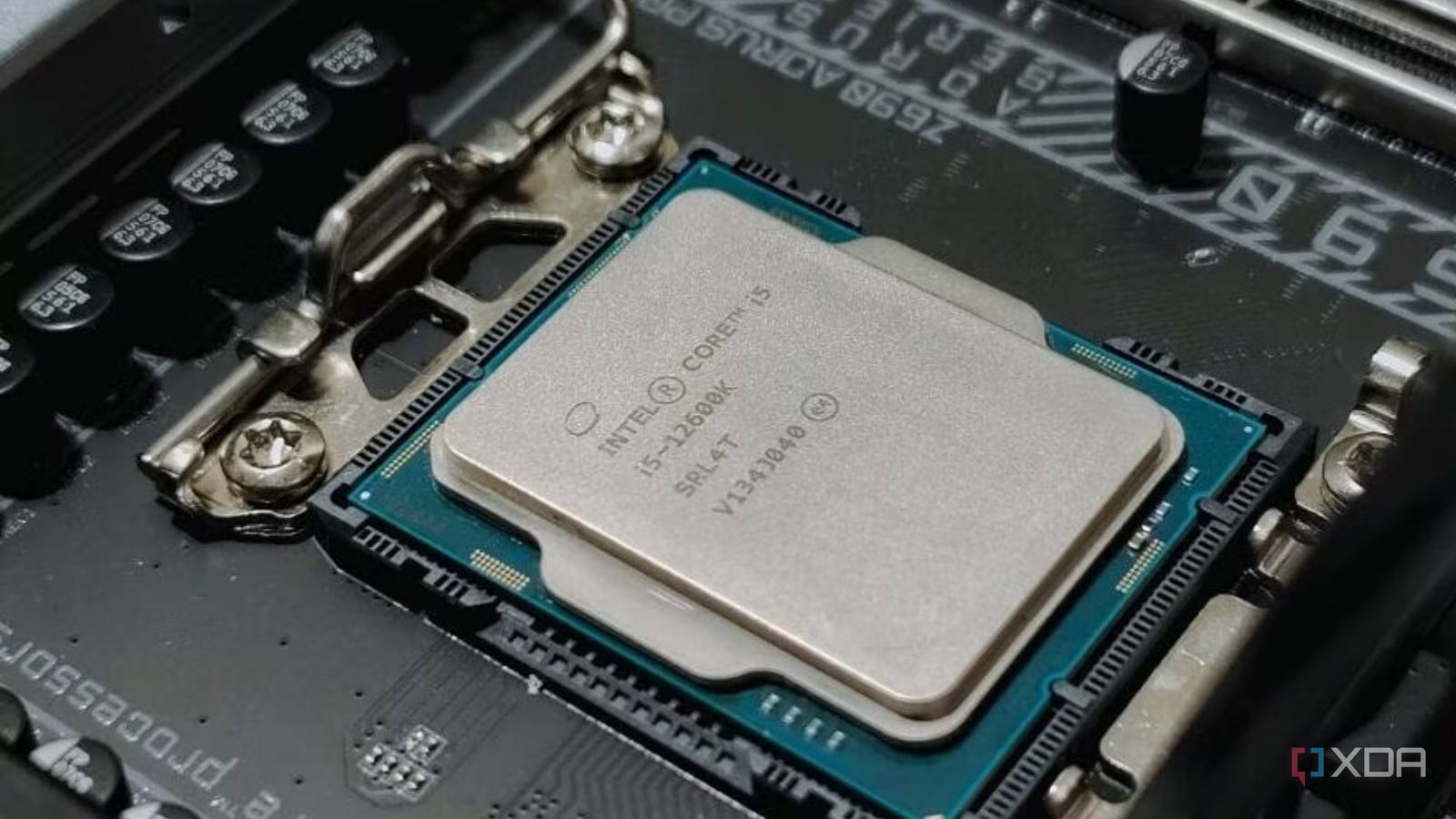
Keeping your CPU cool is key to better gaming performance. High temperatures make the CPU work harder and slow down your game. Improving cooling and upgrading hardware helps lower CPU usage. This keeps your system running smoothly and avoids crashes.
Clean Cpu And Fans
Dust and dirt block airflow. This makes your CPU hotter. Open your PC case carefully. Use compressed air to blow dust from the CPU fan and other fans. Clean fans spin better and cool more efficiently. Do this every few months for best results.
Use Quality Thermal Paste
Thermal paste fills gaps between the CPU and its cooler. Old or poor-quality paste can dry out. This reduces heat transfer. Remove the old paste with isopropyl alcohol. Apply a small amount of good thermal paste evenly. This improves cooling and lowers CPU temperature.
Consider Upgrading Hardware
Older CPUs and coolers may struggle with new games. A better CPU or a more powerful cooler can reduce usage. Look for coolers with bigger fans or liquid cooling options. Upgrading your hardware gives your system more headroom to run smoothly.
Adjust Power Settings
Adjusting power settings can help reduce high CPU usage during gaming. Power settings control how your computer uses energy. Tweaking these settings helps your CPU run smoother and cooler. This results in better game performance and less lag.
Here are easy steps to change your power settings for gaming.
Set High Performance Mode
High Performance mode lets your CPU use full power. It stops the system from slowing down the processor. This means your games get the speed they need. To enable it, open Control Panel and go to Power Options. Choose High Performance from the list. This setting keeps your CPU running fast all the time.
Customize Cpu Power Plan
Customizing your CPU power plan gives more control. You can set limits for processor speed and cooling. Open Power Options and click on “Change plan settings” next to your active plan. Then select “Change advanced power settings.” Adjust the processor power management settings. Set the minimum processor state to a higher value. This stops your CPU from dropping speed during gaming.
Disable Cpu Throttling
CPU throttling reduces processor speed to save energy or lower heat. Disabling throttling keeps your CPU running at full speed. This reduces lag and improves game smoothness. Find this setting in BIOS or power management software. Turn off options like Intel SpeedStep or AMD Cool’n’Quiet. Make sure your cooling system works well to avoid overheating.
Tweak In-game Cpu Usage
Tweaking in-game CPU usage helps reduce lag and improve game performance. It balances how the game uses your processor. This way, your CPU doesn’t overwork and cause overheating or slowdowns. Small changes can make a big difference in gameplay smoothness.
Limit Cpu Core Usage
Games usually use many CPU cores at once. Limiting core usage reduces strain on your processor. You can set a maximum number of cores for the game. This keeps your CPU from running too hot or too fast. It helps prevent stutters and frame drops during play.
Adjust Thread Priorities
Thread priority controls how much CPU time the game gets. Raising game thread priority tells your CPU to focus more on the game. Lowering other apps’ priorities frees up CPU for gaming. This method makes the game run smoother on busy systems.
Use Cpu Affinity Settings
CPU affinity binds a game to specific CPU cores. It stops the game from switching between all cores. Fixing the game to certain cores can improve stability. It prevents conflicts with other programs running on your PC. Set affinity through your system’s task manager or game settings.
Use Performance Optimization Tools
Using performance optimization tools can help lower CPU usage while gaming. These tools manage system resources and improve game performance. They stop unnecessary processes and free up CPU power. This lets your game run more smoothly without overheating or lag.
Employ Game Boosters
Game boosters focus on improving gaming performance. They pause background tasks that consume CPU power. This lets the game use more of your CPU. Some boosters also adjust system settings for better speed. You can find many free or paid game boosters online.
Use System Cleaners
System cleaners remove junk files and fix errors. These files slow down your CPU during gaming. Cleaners clear cache, temporary files, and unused data. This frees up space and reduces CPU load. Using a cleaner regularly keeps your system healthy.
Monitor Cpu Usage In Real-time
Monitoring your CPU usage helps spot problems early. Use tools that show CPU load during gaming. Watch for spikes or constant high usage. This data helps decide if you need to close apps or adjust settings. Real-time monitoring keeps your CPU working efficiently.

Credit: www.youtube.com
Frequently Asked Questions
How Can I Reduce Cpu Usage During Gaming Sessions?
Close unnecessary background apps and processes to free up CPU resources. Update your drivers regularly and adjust in-game settings for better performance.
Does Lowering Game Graphics Settings Affect Cpu Usage?
Yes, lowering graphics settings reduces CPU load by decreasing rendering demands. This helps maintain smoother gameplay and lowers temperature.
Can Upgrading Hardware Help Lower Cpu Usage?
Upgrading to a faster CPU or adding more RAM can reduce bottlenecks. This improves overall gaming performance and lowers CPU strain.
How Does Cooling Impact Cpu Usage While Gaming?
Efficient cooling prevents thermal throttling, keeping CPU performance stable. Use quality fans or liquid cooling to maintain optimal temperatures.
Conclusion
Controlling CPU usage helps your games run smoother and cooler. Close extra programs that use your CPU in the background. Lower in-game settings to reduce the load on your processor. Keep your computer clean and updated for better performance. These small steps can make a big difference in gaming.
Enjoy longer playtime without slowdowns or crashes. Play smarter, not harder.
