
Is your computer running hotter than it should? High CPU temperatures can slow down your system, cause crashes, and even shorten your hardware’s lifespan.
You don’t have to put up with overheating. You’ll discover simple and effective ways to lower your CPU temperature right now. By following these tips, you’ll keep your computer cool, boost its performance, and avoid costly repairs. Keep reading to learn how easy it is to protect your PC and make it run smoother than ever.
Causes Of High Cpu Temperature
High CPU temperature can cause your computer to slow down or even shut off. Understanding the main causes helps keep your CPU cool and safe. Several factors lead to higher CPU temperatures. Knowing these helps you take the right steps to fix the problem.
Impact Of Overclocking
Overclocking pushes the CPU to run faster than its standard speed. This increases power use and heat output. Without proper cooling, the CPU temperature can rise quickly. Overclocking without good cooling often leads to overheating and hardware damage.
Dust And Dirt Accumulation
Dust blocks the airflow inside the computer case. It settles on fans, heatsinks, and vents. This layer traps heat and stops cool air from reaching the CPU. Regular cleaning prevents dust buildup and keeps temperatures lower.
Poor Airflow In The Case
Airflow moves hot air away from the CPU and cool air in. Poor airflow means hot air stays inside the case. This raises the CPU temperature. Proper fan placement and cable management improve airflow and cooling.
Thermal Paste Degradation
Thermal paste helps transfer heat from the CPU to the cooler. Over time, this paste dries out or cracks. When this happens, heat transfer becomes less efficient. Reapplying thermal paste can lower CPU temperature significantly.

Credit: youtu.be
Monitoring Cpu Temperature
Monitoring your CPU temperature is a key step in keeping your computer running well. High temperatures can cause slowdowns or damage to your hardware. Checking the temperature helps you act before problems start. It is easy to do and needs simple tools.
Using Built-in Bios Tools
Most computers have temperature monitoring in the BIOS. Restart your PC and press the BIOS key during startup. Look for “Hardware Monitor” or “PC Health” sections. These show real-time CPU temperature data. BIOS tools give basic but reliable info without extra software.
Third-party Software Options
Many free programs show detailed CPU temperature readings. Popular ones include HWMonitor, Core Temp, and SpeedFan. These apps display temps in real-time and log data for review. They also show other stats like fan speed and voltage. Using software is easier for constant monitoring while using the PC.
Ideal Temperature Ranges
Most CPUs work best between 30°C and 50°C when idle. Under heavy use, temperatures up to 80°C are usually safe. Above 85°C risks damage or throttling performance. Keeping temps below 70°C during tasks helps extend CPU life. Watch your numbers and cool your PC if temps rise too high.
Improving Airflow
Improving airflow inside your computer case helps keep the CPU cool. Good airflow moves hot air out and brings cool air in. This reduces the heat that builds up around the CPU. Proper airflow also helps other parts stay cooler and last longer. Small changes to fan setup, cable arrangement, and case choice can make a big difference.
Optimizing Fan Placement
Place fans to create a clear path for air. Front fans should pull cool air in. Rear and top fans push hot air out. This flow stops hot air from staying inside. Avoid blocking fans with cables or parts. Use enough fans to balance air intake and exhaust. More fans can help in bigger cases or with powerful CPUs.
Cable Management Tips
Keep cables tidy and out of airflow paths. Use ties or Velcro straps to bundle cables together. Route cables behind the motherboard tray if possible. This clears space for air to move freely. Messy cables slow down airflow and trap heat. Good cable management improves cooling and makes your PC look neat.
Choosing The Right Case
Select a case with good ventilation and fan slots. Look for cases with mesh panels or vents. Larger cases often have better airflow options. Check how many fans the case supports. Cases with dust filters help keep components clean. A well-ventilated case lowers CPU temperature and protects parts.
Cleaning And Maintenance
Cleaning and maintenance play a key role in lowering CPU temperature. Dust and dirt block airflow and trap heat inside your computer. Keeping your PC clean helps fans and heatsinks work better. This keeps the CPU cooler and improves performance. Simple steps can make a big difference in your system’s temperature.
Removing Dust From Fans And Heatsinks
Fans and heatsinks collect dust over time. Dust stops fans from spinning well. It also blocks air from moving through heatsinks. Use a can of compressed air to blow dust away. Hold the fan blades still while cleaning. Avoid using a vacuum, as it can damage components. Clean every fan and heatsink carefully to improve cooling.
Regular Case Cleaning Schedule
Set a schedule to clean your computer case every few months. Open the case and remove dust with compressed air or a soft brush. Clean vents and filters to keep airflow strong. A clean case prevents heat buildup inside the system. Regular cleaning keeps your CPU running cooler and extends its life.
Upgrading Cooling Solutions
Upgrading your CPU cooling system is a smart way to lower its temperature. Better cooling helps your computer run smoothly and lasts longer. It stops overheating and improves performance. Simple changes can make a big difference in how your CPU handles heat.
Air Cooling Vs Liquid Cooling
Air cooling uses fans and heat sinks to move heat away from the CPU. It is easy to install and usually costs less. Air coolers are reliable and need little maintenance.
Liquid cooling uses water or coolant to carry heat away. It cools more efficiently and is quieter. This type suits high-performance PCs or overclocked CPUs. Liquid cooling needs more care and can be more expensive.
Installing Additional Case Fans
Adding extra fans improves airflow inside the computer case. Fans bring in cool air and push out hot air. Position fans at the front for intake and the back for exhaust. This reduces heat build-up around the CPU and other parts.
Choose fans that fit your case size and run quietly. More fans do not always mean better cooling. Proper placement matters more than quantity.
Choosing Quality Thermal Paste
Thermal paste fills tiny gaps between the CPU and cooler. It helps heat move from the CPU to the cooler faster. High-quality thermal paste performs better and lasts longer.
Apply a small, even amount of paste for best results. Too much or too little paste can cause poor heat transfer. Replace old or dried-out paste for improved cooling.
Adjusting System Settings
Adjusting system settings can help lower your CPU temperature effectively. Changing how your computer works can reduce heat without extra hardware. It also helps your PC run cooler and last longer.
Reducing Cpu Clock Speed
Lowering the CPU clock speed makes the processor work less hard. This reduces heat generation inside your computer. You can change this in the BIOS or through software tools. Slower speed means less power used and less heat made.
Configuring Fan Curves
Fan curves control how fast your fans spin at different temperatures. Setting fans to run faster when the CPU gets warm cools it down quickly. You can adjust these curves in BIOS or fan control software. Proper fan speed keeps your CPU temperature stable.
Power Management Settings
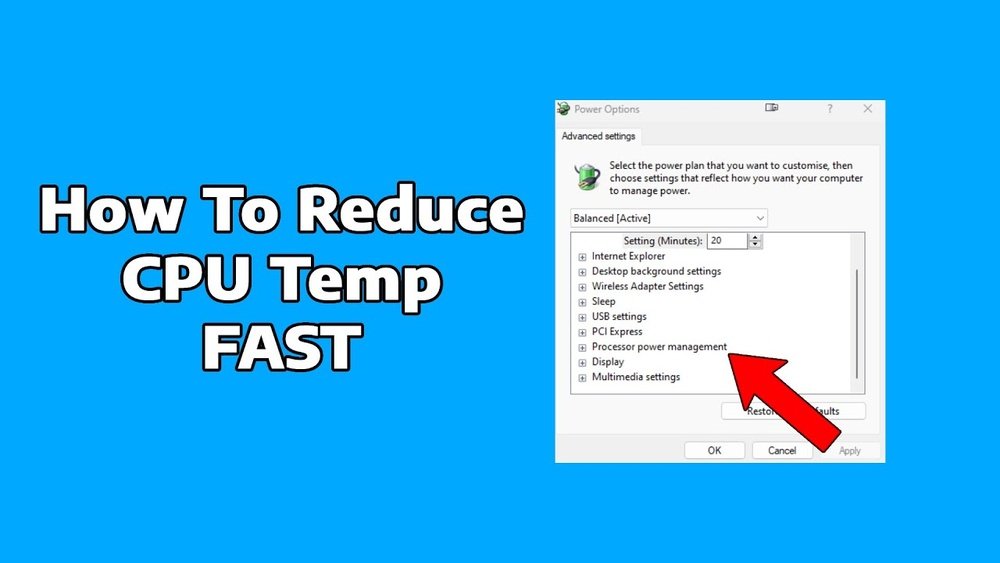
Adjusting power settings can limit how much energy your CPU uses. Use power-saving modes to reduce heat output. Windows and other systems have options to lower CPU power consumption. This helps keep the CPU cooler during light tasks.
Environmental Factors
Environmental factors play a big role in keeping your CPU cool. The temperature around your PC affects how well it can stay cool. Simple changes in your environment can lower CPU heat a lot. Small steps help your computer run better and last longer.
Room Temperature Control
Keeping the room temperature low helps reduce CPU heat. Cool air stops your PC from getting too hot. Use fans or air conditioners to keep the room fresh. Avoid placing your PC in rooms that get very warm. A cooler room means your CPU will work at a safer temperature.
Proper Pc Placement
Place your PC in a spot with good airflow. Avoid tight spaces like small cabinets or crowded desks. Leave space around your PC for air to flow freely. Keep it away from direct sunlight and heat sources. Proper placement helps heat escape quickly and lowers CPU temperature.

Credit: www.szyunze.com
Credit: www.pcguide.com
Frequently Asked Questions
How Can I Reduce My Cpu Temperature Quickly?
To reduce CPU temperature quickly, improve airflow by cleaning fans and vents. Use a cooling pad or external fan. Close unnecessary programs to lower CPU load. Ensure the PC is in a cool, well-ventilated area.
What Causes High Cpu Temperature In Computers?
High CPU temperature is caused by dust buildup, poor ventilation, overclocking, or failing cooling systems. Running demanding applications without proper cooling also raises temperatures. Regular maintenance and monitoring help prevent overheating issues.
Does Thermal Paste Affect Cpu Temperature?
Yes, thermal paste improves heat transfer between the CPU and cooler. Old or improperly applied thermal paste can cause higher temperatures. Reapplying quality thermal paste every few years helps maintain optimal cooling performance.
Can Software Settings Help Lower Cpu Temperature?
Yes, adjusting software settings like reducing CPU clock speed or voltage (undervolting) can lower temperatures. Using power-saving modes and closing background apps also reduce CPU workload and heat generation.
Conclusion
Keeping your CPU cool helps your computer run better and last longer. Clean fans and good airflow reduce heat fast. Using quality thermal paste also stops overheating. Regular checks can catch heat problems early. Simple steps make a big difference in CPU temperature.
Stay aware and take care of your PC often. Your computer will thank you with smooth, steady performance.
