
Is your computer running hotter than it should? High CPU temperatures can slow down your device, cause crashes, and even shorten its lifespan.
But don’t worry—you don’t need to be a tech expert to fix this. You’ll discover simple and effective ways to lower your CPU temp and keep your system running smoothly. Ready to protect your computer and boost its performance? Keep reading to learn how.

Credit: www.reddit.com
Causes Of High Cpu Temperature
High CPU temperature can cause many problems for your computer. It can slow down your system and even damage parts. Understanding what causes the CPU to heat up helps in keeping it cool. Several factors lead to high CPU temperature. Some are easy to fix, while others need more attention.
Common Heat Sources
The CPU generates heat during normal use. Running many programs at once raises the temperature. Poor airflow inside the computer case traps heat. Dust buildup on fans and vents blocks air. Old or dried thermal paste between the CPU and cooler reduces heat transfer. Overclocking the CPU pushes it to work harder and hotter.
Effects On Performance
High CPU temperature forces the system to slow down. The processor lowers its speed to avoid damage. This causes lag and slow response in programs. Continuous overheating can shorten the CPU’s life span. It may cause sudden shutdowns to protect hardware. High heat also affects other components nearby.

Credit: youtu.be
Monitoring Cpu Temperature
Monitoring your CPU temperature is key to keeping your computer safe and running well. High temperatures can cause slowdowns and damage parts. Checking the temperature helps you catch problems early. It also guides you on how to cool your CPU effectively.
Using Built-in Tools
Most computers have tools to check CPU temperature. These tools are easy to use and need no extra downloads. On Windows, you can use the Task Manager or BIOS settings. Mac users can check the Activity Monitor or System Report. These tools show basic temperature info. They help you watch your CPU health without hassle.
Third-party Software Options
Third-party programs give more detailed CPU temperature data. Apps like HWMonitor, Core Temp, and SpeedFan are popular choices. They show temperature for each CPU core. Some alert you when temperatures get too high. These programs also display fan speeds and voltages. They are helpful for deeper monitoring and troubleshooting.
Improving Airflow Inside The Case
Improving airflow inside your computer case helps lower CPU temperature. Good airflow moves hot air out and brings cool air in. This stops heat build-up and keeps parts safe. Small changes inside the case can make a big difference in cooling.
Organizing Cables
Messy cables block air paths inside the case. Tidy cables allow air to flow freely. Use cable ties or clips to bundle cables together. Keep cables away from fans and vents. Clear air paths help fans cool the CPU better.
Adding Or Upgrading Fans
Fans push hot air out and pull cool air in. More fans can improve airflow inside the case. Place intake fans at the front and exhaust fans at the back. Choose fans with good airflow and low noise. Replace old fans if they don’t work well.
Cleaning And Maintenance
Keeping your CPU cool starts with simple cleaning and maintenance. Dust and old thermal paste can block airflow and trap heat. Regular care helps your computer run smoother and last longer.
Removing Dust Buildup
Dust can settle inside your computer and on the CPU fan. This dust blocks air and raises temperature. Turn off and unplug your PC before cleaning. Use a can of compressed air to blow dust away. Focus on fans, vents, and heat sinks. Avoid touching parts with your hands. Cleaning dust every few months keeps your CPU cooler.
Reapplying Thermal Paste
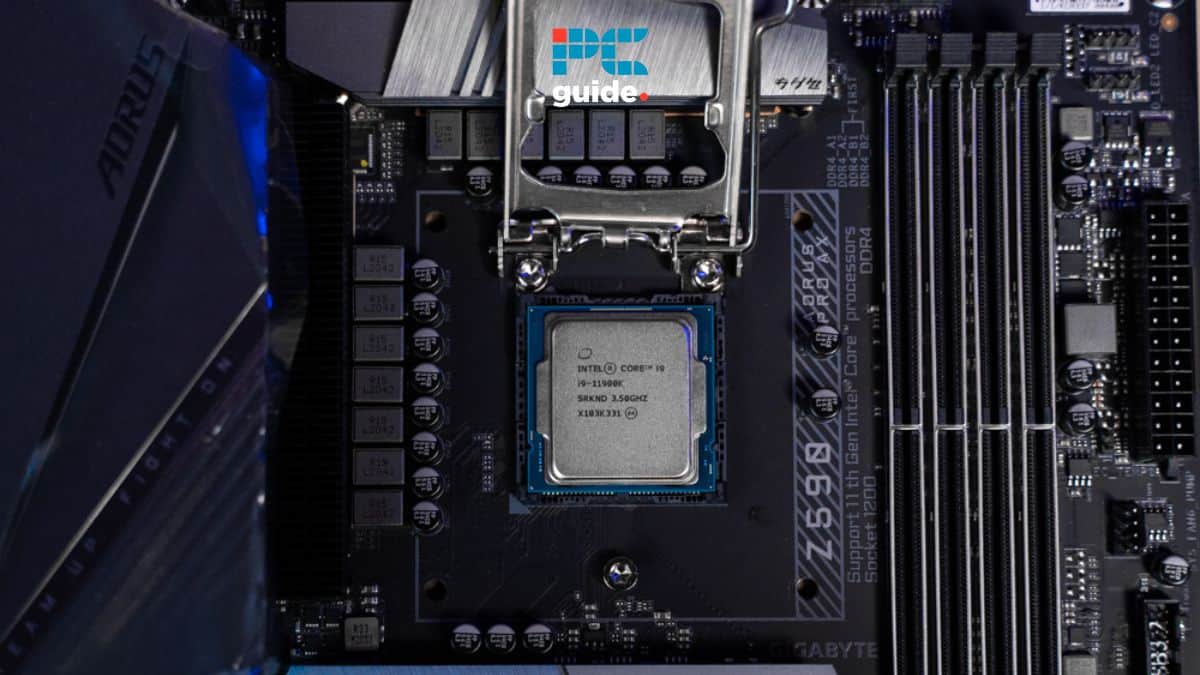
Thermal paste helps transfer heat from the CPU to the cooler. Over time, the paste can dry out and lose effectiveness. Removing old paste and adding new paste lowers CPU temperature. First, remove the CPU cooler carefully. Clean the old paste off the CPU and cooler base with isopropyl alcohol. Apply a small pea-sized amount of new thermal paste in the center of the CPU. Reattach the cooler firmly. Doing this once a year improves heat transfer and CPU performance.
Optimizing System Settings
Optimizing system settings can help lower your CPU temperature effectively. Small changes in your computer’s configuration reduce heat and improve performance. These tweaks do not require extra hardware. They are simple adjustments anyone can do.
Focus on power management and CPU speed controls. These settings influence how hard your CPU works. Lowering CPU activity means less heat. The system stays cooler and runs smoother.
Adjusting Power Plans
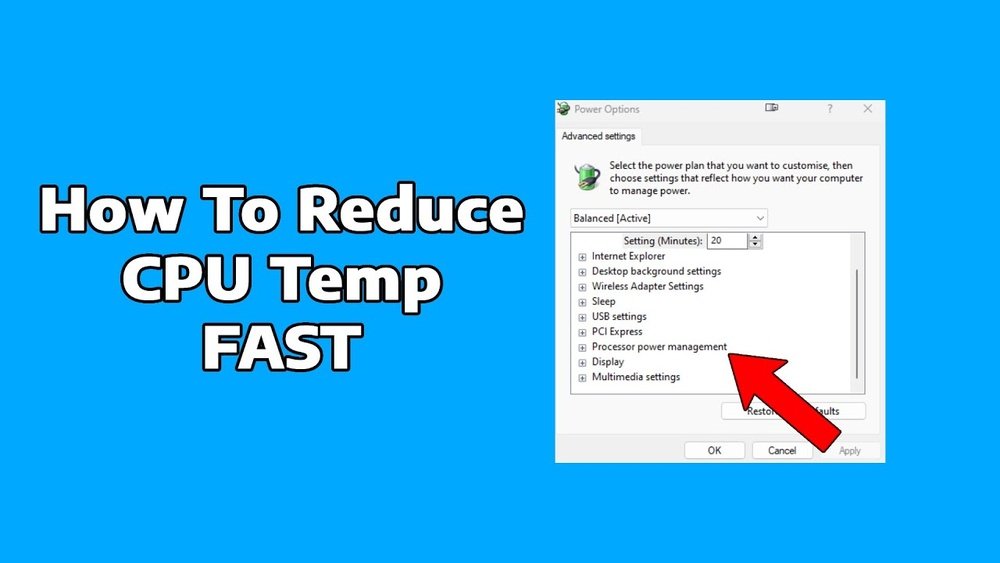
Power plans control how your computer uses energy. Changing to a balanced or power saver plan reduces CPU strain. This cuts down heat production. Open your control panel or system settings. Choose “Power Options” and pick a plan that limits max CPU usage.
This setting lowers the CPU’s workload without affecting daily tasks. Your system stays cool and uses less electricity. Ideal for laptops and desktops prone to overheating.
Tweaking Cpu Clock Speeds
CPU clock speed determines how fast your processor runs. Slower speeds generate less heat. Use software tools or BIOS settings to reduce clock speeds. Lowering the speed a bit can drastically cut temperature.
Be cautious not to reduce speed too much. It might cause slowdowns. Test changes step-by-step to find the best balance. Your CPU will stay cooler and work efficiently.
Credit: www.pcguide.com
Upgrading Cooling Solutions
Upgrading cooling solutions can greatly reduce your CPU temperature. Better cooling helps your computer run smoothly and last longer. Cooling upgrades come in many forms. Choosing the right solution depends on your needs and budget. Here are two popular options to consider.
Choosing Air Coolers
Air coolers use fans to blow air over heat sinks. They are easy to install and maintain. Many air coolers fit most computer cases. They come in various sizes and power levels. Larger coolers with more fans cool better. Air coolers are quieter with good design. They work well for everyday use and light gaming.
Exploring Liquid Cooling
Liquid cooling uses water or coolant to move heat away. It cools more efficiently than air coolers. Liquid systems include a pump, radiator, and tubes. They can handle high CPU loads and overclocking. Installation is more complex than air coolers. Liquid cooling often runs quieter and looks sleek inside cases. Great for users needing strong cooling performance.
Preventing Future Overheating
Preventing future overheating keeps your CPU safe and your computer fast. Regular care helps avoid high temperatures that damage parts. Simple steps can keep your system cool and stable for years.
Regular Maintenance Tips
Clean dust from your computer often. Dust blocks air vents and slows fans. Use a soft brush or compressed air to clear dust. Replace old thermal paste every year. It helps heat move from CPU to cooler. Check that fans spin well and are not noisy. Make sure your computer has good airflow. Keep it in a cool, open space away from heat sources.
Monitoring Temperature Trends
Use software to check CPU temperature regularly. Watch for sudden spikes or long periods of heat. Set alerts to warn you if temperature gets too high. Keep a record of temperature changes over time. This helps spot problems early. Knowing temperature patterns helps you act before damage occurs.
Frequently Asked Questions
How Can I Quickly Lower My Cpu Temperature?
To quickly lower CPU temperature, clean dust from fans and vents. Improve airflow by repositioning your PC. Close unnecessary apps to reduce CPU load. Applying fresh thermal paste can also help. Use cooling pads or external fans for laptops.
What Causes High Cpu Temperature During Gaming?
High CPU temperature during gaming is caused by heavy processor load. Poor ventilation and dust buildup increase heat. Overclocking your CPU can also raise temperatures. Insufficient cooling solutions, like weak fans or thermal paste degradation, contribute to overheating.
Is It Safe To Use Software To Control Cpu Fan Speed?
Yes, software can safely control CPU fan speed if used properly. It helps optimize cooling by increasing fan RPM under load. However, avoid setting fans too low, as it may cause overheating. Always monitor temperatures when adjusting fan speeds.
How Often Should I Clean My Cpu And Cooling System?
Clean your CPU and cooling system every 3 to 6 months. Dust buildup reduces cooling efficiency and increases CPU temperature. Use compressed air to remove dust from fans, heatsinks, and vents. Regular cleaning maintains optimal airflow and system performance.
Conclusion
Keeping your CPU cool helps your computer run better and last longer. Clean fans and good airflow make a big difference. Using quality thermal paste can lower temperatures too. Avoid blocking vents and keep your workspace cool. Regular checks prevent overheating problems before they start.
Small actions can keep your CPU safe and strong. Stay mindful of your computer’s temperature for smooth performance. Cooling your CPU is simple with these easy steps.
