
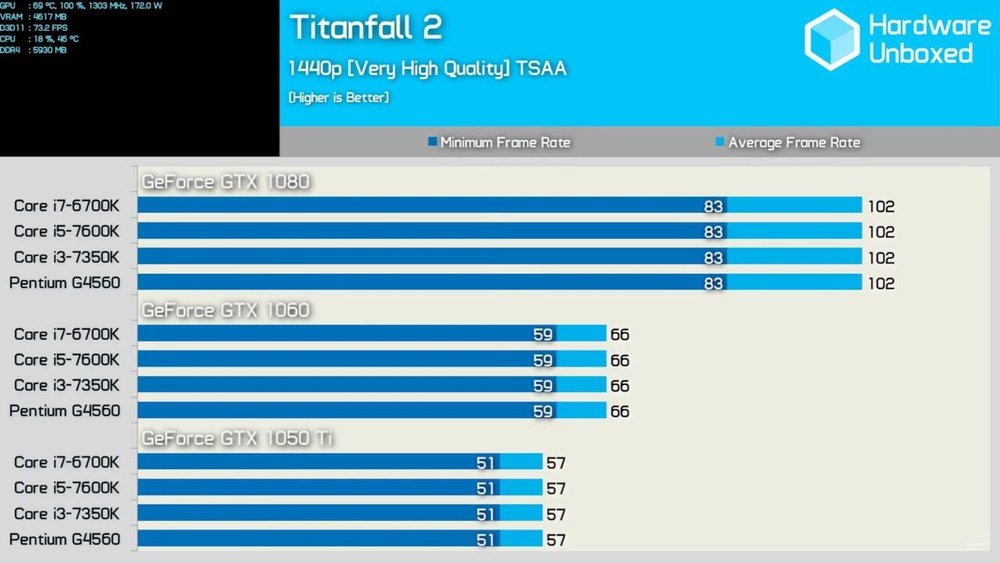
Are you wondering why your powerful graphics card isn’t giving you the gaming performance you expected? It might not be the GPU’s fault.
Sometimes, your CPU can hold back your GPU, causing a bottleneck that slows everything down. But how can you tell if this is happening to you? You’ll learn simple ways to find out if your CPU is limiting your GPU’s potential.
Keep reading, and you’ll discover easy tips to get the most out of your PC and enjoy smoother, faster gameplay.
Credit: develop3d.com
Signs Of Cpu Bottleneck
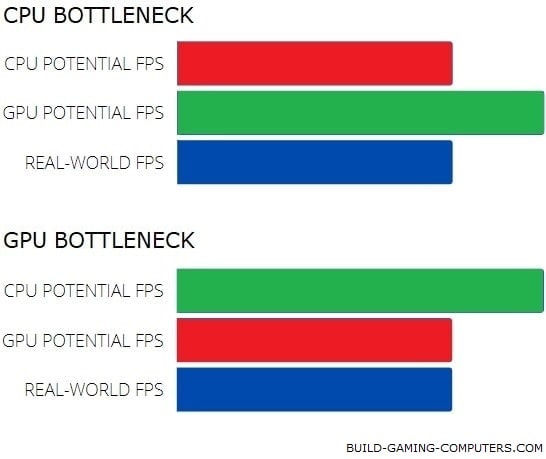
Knowing the signs of a CPU bottleneck helps improve your PC’s gaming or work performance. A CPU bottleneck happens when the processor limits the power of the graphics card. This means your GPU cannot run at its full potential. Identifying the signs early can save you from wasting money on new parts that won’t fix the issue.
Low Cpu Usage With High Gpu Usage
One sign is low CPU usage paired with high GPU usage. The CPU is not working hard, but the GPU runs at full speed. This shows the processor cannot send data fast enough. The GPU waits, causing slowdowns even if it looks busy.
Stuttering And Frame Drops
Another sign includes stuttering and sudden frame drops in games. The game does not run smoothly. Frames jump or freeze for short moments. This happens because the CPU struggles to keep up with game demands, slowing the whole system.
Performance Differences Across Games
Performance differences across games also indicate a CPU bottleneck. Some games run well, while others lag heavily. Games needing more CPU power will suffer more. This shows your CPU limits performance, not your GPU.
Credit: www.build-gaming-computers.com
Tools To Detect Bottleneck
Detecting whether your CPU is bottlenecking your GPU requires the right tools. These tools help you check how well your CPU and GPU work together. They show which part limits your computer’s performance. Understanding these tools makes it easier to fix problems and improve gaming or work speed.
Using Task Manager And Resource Monitor
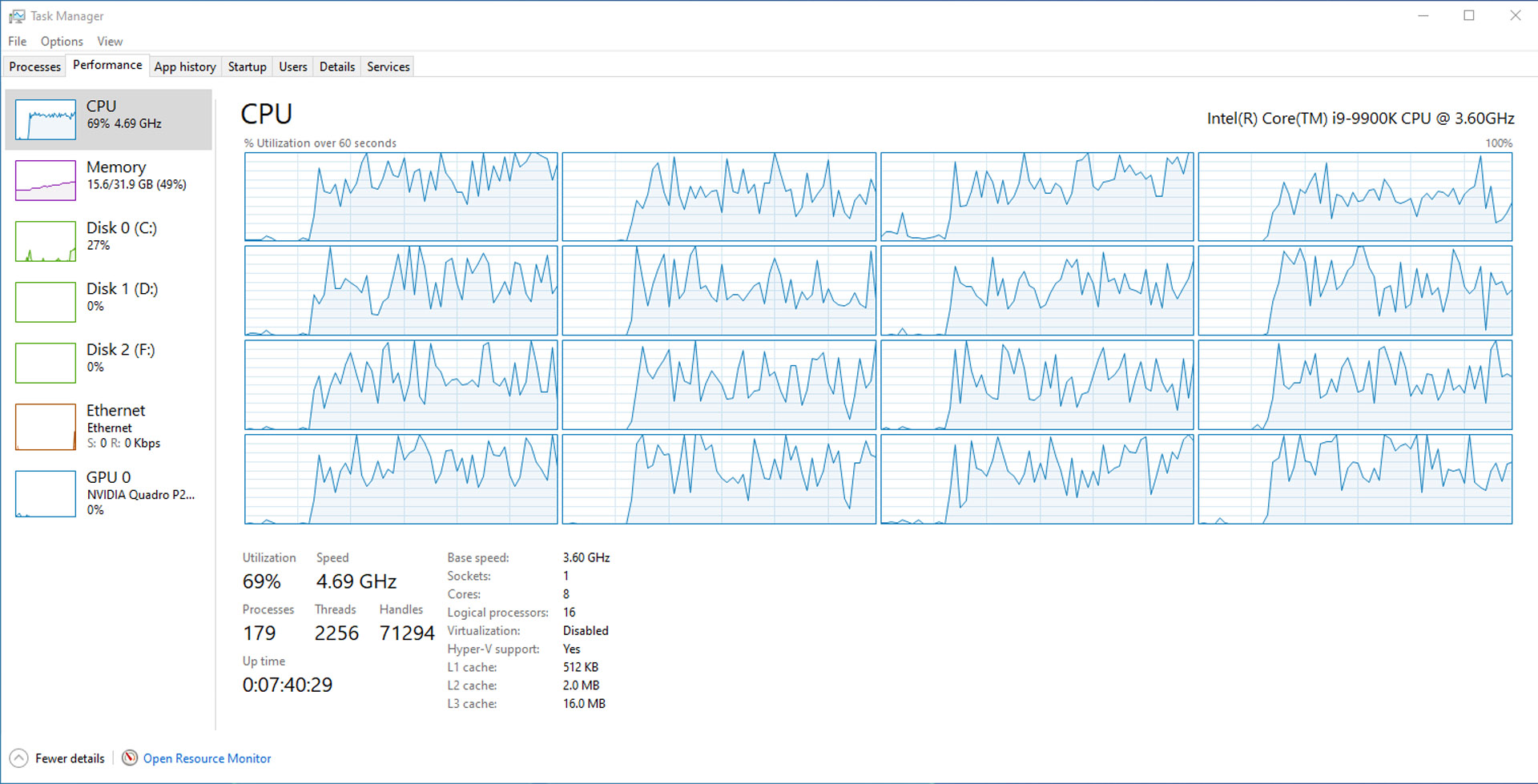
Task Manager shows CPU and GPU usage in real time. Open it during a game or heavy task. High CPU usage with low GPU use may mean a bottleneck. Resource Monitor gives more detailed data. It shows which processes use the most CPU power. Both tools come built into Windows and are easy to use.
Third-party Benchmarking Software
Programs like MSI Afterburner and HWMonitor provide detailed stats. They track CPU and GPU temperatures, clock speeds, and usage. Benchmarking software runs tests to measure performance. It compares CPU and GPU loads during games or apps. This helps spot bottlenecks that built-in tools might miss.
Monitoring Frame Times And Fps
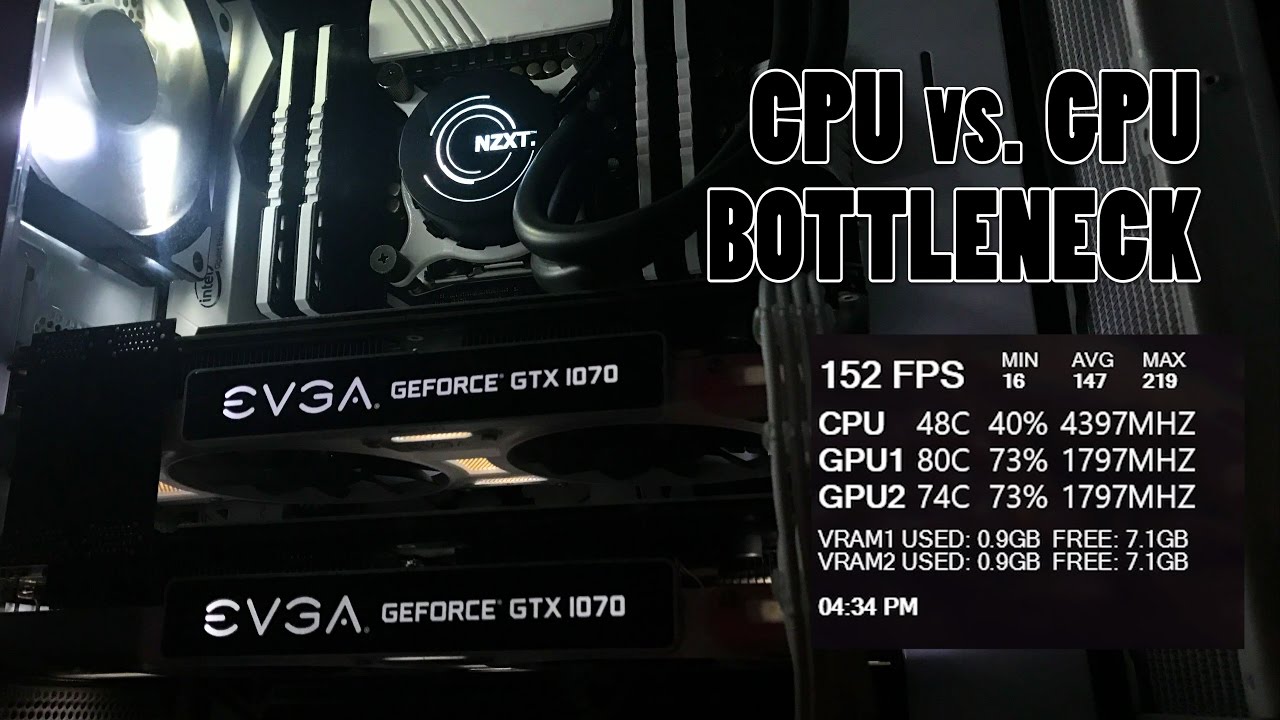
Frame times measure how long your PC takes to show each frame. Consistent frame times mean smooth gameplay. Large delays suggest a bottleneck. FPS (frames per second) shows how many frames your system renders each second. Low FPS with high CPU usage signals CPU limits. Tools like Fraps and RivaTuner help track these numbers.
Common Causes Of Bottleneck
Understanding common causes of bottlenecks helps improve your PC’s performance. A bottleneck happens when one part limits another from working at full speed. In gaming or heavy tasks, the CPU and GPU must work well together. If the CPU is slow, the GPU cannot reach its full potential. Several reasons can cause this problem.
Outdated Cpu Architecture
Older CPUs may not handle new software well. New games and apps use modern features that old CPUs lack. This mismatch slows down processing. Even with a strong GPU, an old CPU holds back performance. Updating to a newer CPU architecture can fix this issue.
Insufficient Cpu Clock Speed
Clock speed measures how fast a CPU processes data. A low clock speed means tasks take longer to complete. Games and programs need fast CPUs to keep up with the GPU. If the CPU speed is too low, the GPU waits for data. This waiting causes a bottleneck and lowers frame rates.
Background Processes Impact
Many apps running in the background use CPU power. These processes reduce the CPU’s ability to support the GPU. Even small apps can slow down the main tasks. Closing unnecessary programs frees up CPU resources. This helps balance CPU and GPU performance better.
Easy Fixes To Reduce Bottleneck
CPU bottlenecking a GPU can slow down your system. Fixes for this are often simple. These steps help your computer run smoother. They improve performance without needing new hardware.
Updating Cpu Drivers And Bios
Outdated drivers can cause slowdowns. Check your CPU driver version. Download the latest update from the manufacturer’s website. Updating BIOS can also improve CPU efficiency. Follow the official guide carefully to avoid errors. This step often fixes compatibility issues.
Optimizing Game Settings
Lower game settings reduce CPU load. Turn off unnecessary effects like shadows and reflections. Choose lower resolution or detail levels. These changes let the CPU handle tasks better. They balance work between CPU and GPU. This results in smoother gameplay and fewer lags.
Closing Unnecessary Background Apps
Background apps use CPU power. Close apps you don’t need while gaming. Check Task Manager for running programs. End processes that use high CPU resources. This frees up CPU for your game. It helps reduce bottleneck and improve speed.
Upgrading Hardware Options
Upgrading hardware can improve your computer’s performance a lot. It helps reduce bottlenecks that slow down your system. Choosing the right parts is key. Not all upgrades bring equal benefits. Focus on balancing your CPU and GPU for smooth performance. This section covers how to pick the best upgrades for your needs.
Choosing A Balanced Cpu For Your Gpu
Your CPU and GPU must work well together. A strong GPU with a weak CPU causes bottlenecks. The CPU limits the speed of your graphics card. Choose a CPU that matches your GPU’s power. Mid-range CPUs fit mid-range GPUs well. High-end GPUs need faster CPUs to keep up. Check benchmarks to see which CPUs pair well with your GPU.
When To Upgrade Cpu Vs Gpu
Decide which part to upgrade first. If games or apps use too much CPU, upgrade it. If graphics look slow or low quality, upgrade the GPU. Monitor your system’s performance to find the weak spot. A balanced system runs better than one with a strong GPU but weak CPU, or the other way around.
Budget-friendly Upgrade Tips
Upgrades do not have to be expensive. Buy slightly better parts instead of the top models. Used or refurbished CPUs and GPUs can save money. Focus on parts that fit your current setup. Increasing RAM or improving cooling also helps performance. Small upgrades can reduce bottlenecks without breaking your budget.
Advanced Tweaks
Advanced tweaks can help you reduce CPU bottlenecking on your GPU. These changes improve how your CPU handles tasks. They can boost your overall gaming or work performance.
Some tweaks need careful handling. Making the wrong changes might cause system issues. Always back up your data before trying new settings.
Overclocking Your Cpu Safely
Overclocking increases your CPU speed beyond factory settings. It can reduce bottlenecks by making your CPU faster. Use software like BIOS or third-party tools to overclock.
Start with small increases in speed. Test system stability after each change. Monitor CPU temperature to avoid overheating. Cooling solutions like better fans help keep temperatures low.
Adjusting Power Settings
Power settings affect your CPU’s performance level. Set your power plan to “High Performance” in Windows. This stops the CPU from lowering its speed to save energy.
Open Control Panel, then Power Options. Choose “High Performance” or create a custom plan. Make sure your laptop or PC is plugged in for best results.
Using Performance Mode In Windows
Windows 10 and 11 have a Performance Mode to boost speed. This mode prioritizes CPU and GPU power for demanding tasks. Turn it on through the Settings app under Power & Battery.
Select “Performance Mode” or adjust the slider to max. This reduces delays and helps your CPU keep up with the GPU. Expect better frame rates and smoother gameplay.
Credit: www.youtube.com
Frequently Asked Questions
How Can I Tell If My Cpu Is Bottlenecking My Gpu?
Check your CPU and GPU usage while gaming. If the CPU hits 100% but the GPU stays low, the CPU is bottlenecking the GPU.
What Tools Detect Cpu Bottleneck On Gpu Performance?
Use monitoring tools like MSI Afterburner or HWMonitor. These tools show real-time CPU and GPU usage to identify bottlenecks.
Does Upgrading Cpu Improve Gpu Performance?
Yes, upgrading your CPU can reduce bottlenecks. A stronger CPU allows the GPU to perform at its full potential.
Can Bottlenecking Cause Low Fps In Games?
Yes, CPU bottlenecks limit frame rates. If the CPU can’t keep up, the GPU will be underutilized, lowering FPS.
Conclusion
Knowing if your CPU limits your GPU helps improve computer speed. Check your game’s frame rates and CPU usage to spot issues. Use simple tools to test and compare performance easily. Fixing a CPU bottleneck can make games run smoother.
Keep your system balanced for the best experience. Small changes can lead to big improvements. Stay patient and test regularly for steady progress.
