
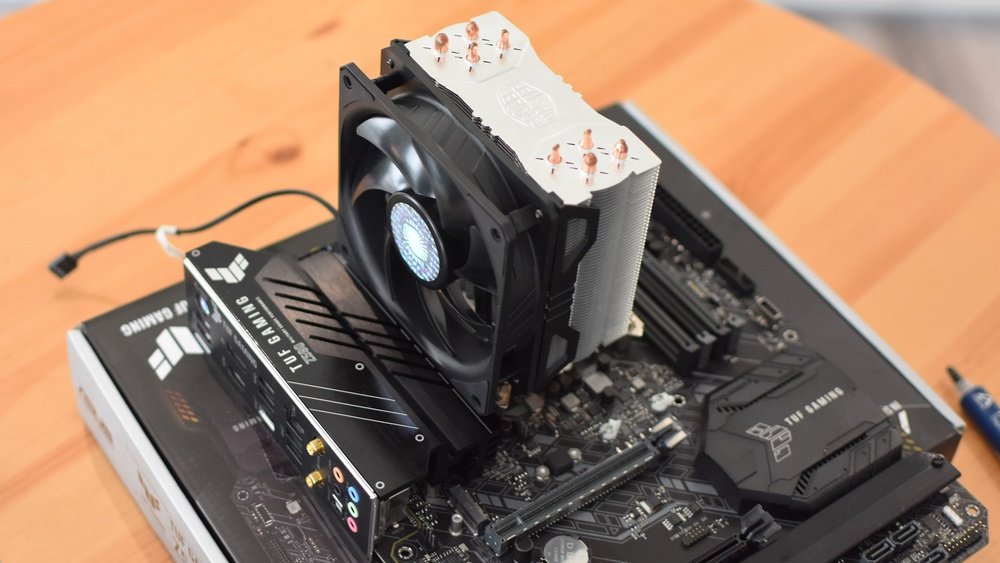
Are you ready to keep your computer running cool and fast? Installing a CPU cooler might sound tricky, but with the right steps, you can do it yourself easily.
Whether you’re building a new PC or upgrading your old one, the right cooler protects your CPU from overheating and boosts performance. In this guide, you’ll discover simple, clear instructions that anyone can follow. Stick with me, and by the end, you’ll have your CPU cooler installed like a pro—no stress, no confusion.
Let’s get started and make your computer’s heart beat cooler and stronger!
Choosing The Right Cpu Cooler
Choosing the right CPU cooler is important for your computer’s health and performance. The cooler keeps your CPU from overheating. A good cooler helps your PC run smoothly and quietly. Many types of coolers are available. Knowing their differences helps you pick the best one for your needs.
Air Vs Liquid Coolers
Air coolers use fans and heat sinks to move heat away from the CPU. They are simple, reliable, and easy to install. Most people use air coolers because they cost less and work well for regular use.
Liquid coolers use water or coolant to transfer heat. They cool faster and are better for high-performance computers. Liquid coolers can be quieter but need more care and space inside the case.
Compatibility With Cpu And Case
Check if the cooler fits your CPU socket type. Different CPUs use different mounting systems. Also, measure your PC case to ensure the cooler fits inside. Some coolers are tall or wide and may not fit in small cases. Compatibility is key to avoid installation problems.
Cooling Performance And Noise Levels
Coolers vary in how well they cool and how loud they are. High-performance coolers keep the CPU very cool but may be noisy. Some coolers balance cooling and noise for quiet operation. Pick a cooler that matches your need for silence and cooling power.

Credit: www.youtube.com
Preparing Your Workspace
Preparing your workspace is a key step before installing a CPU cooler. A clean and organized space helps avoid mistakes. It also protects your computer parts from damage. Take time to set up properly. This makes the installation process smoother and safer.
Gathering Necessary Tools
Collect all tools needed for the installation. Usually, you will need a screwdriver, thermal paste, and cleaning materials. Keep these tools nearby to avoid interruptions. Using the right tools saves time and effort.
Ensuring A Static-free Environment
Static electricity can harm computer parts. Work on a surface that does not generate static. Use an anti-static wristband if possible. Touch a metal object to discharge static before handling parts. This step protects your CPU and other components.
Clearing The Installation Area
Remove any clutter from your workspace. Clear the desk or table where you will work. Make sure there is enough light to see clearly. A clean area reduces the risk of losing screws or dropping parts. It also helps you focus on the task.
Removing The Old Cooler
Removing the old CPU cooler is the first step before installing a new one. This process needs care to avoid damage to the CPU or motherboard. Follow these steps carefully for a smooth removal.
Powering Down And Unplugging
Start by turning off your computer completely. Unplug the power cable from the wall socket. Press the power button for a few seconds to drain any leftover power. This prevents electrical damage during removal. Always work in a static-free environment to protect components.
Detaching The Existing Cooler
Locate the screws or clips holding the cooler in place. Use the correct screwdriver to loosen these carefully. Gently twist or pull the cooler to break the thermal paste seal. Avoid using too much force to prevent damage. Once free, lift the cooler straight up and away from the CPU.
Cleaning The Cpu Surface
Use a soft cloth or coffee filter with isopropyl alcohol. Gently wipe the CPU surface to remove old thermal paste. Ensure the surface is clean and dry before applying new paste. This step helps the new cooler work efficiently. Avoid touching the CPU pins or socket directly.

Credit: www.wikihow.com
Applying Thermal Paste
Applying thermal paste is a key step in installing a CPU cooler. It helps heat move from the CPU to the cooler efficiently. Without good thermal paste application, your CPU might run too hot. This can reduce performance and damage parts. Let’s explore how to choose and apply thermal paste correctly.
Choosing The Right Thermal Paste
Not all thermal pastes are the same. Some work better for your CPU type and cooler. Look for pastes with good heat transfer abilities. Most users prefer a non-conductive paste for safety. Avoid metal-based pastes if you are unsure. They can cause short circuits if applied wrongly.
Correct Application Techniques
Start with a small pea-sized drop in the center of the CPU. The pressure from the cooler will spread it evenly. Avoid spreading the paste yourself. Too much paste can cause spills and reduce cooling. Less is more in thermal paste application.
Avoiding Common Mistakes
Never skip cleaning the CPU surface before applying paste. Use alcohol wipes to remove old paste and dust. Do not use too much paste or too little. Both can cause poor heat transfer. Avoid touching the paste with your fingers to keep it clean.
Mounting The New Cooler
Mounting the new CPU cooler is a key step in your PC build or upgrade. This step ensures your processor stays cool and runs well. Take your time to avoid mistakes that can cause damage or poor cooling. Follow clear steps to mount the cooler correctly and safely.
Aligning The Cooler Properly
First, check the shape and size of the cooler base. It must match the CPU surface exactly. Look for markings or notches that guide proper placement. Align the cooler so the heat pipes or fan face the right direction. Proper alignment helps the cooler fit tightly and work efficiently.
Securing The Cooler To The Cpu
Next, gently place the cooler on the CPU. Avoid sliding it around to keep the thermal paste intact. Use the screws or clips that came with the cooler. Tighten them evenly in a cross pattern. This ensures firm contact without bending the motherboard or CPU.
Connecting Power Cables
Finally, connect the cooler’s fan power cable to the CPU fan header on the motherboard. This connection powers the fan and controls its speed. Check the cable routing to avoid blocking other components or fans. A neat setup improves airflow and system cooling.
Testing And Monitoring
Testing and monitoring your CPU cooler after installation is crucial. It ensures your system runs cool and stable. This step helps prevent overheating and damage to your CPU. Follow these simple checks to confirm your cooler works properly.
Booting Up The System
Turn on your computer carefully. Watch for any unusual sounds from the cooler. Listen for the fan spinning smoothly. Check if the computer starts without errors. A smooth boot means the cooler is likely installed correctly.
Checking Temperature Levels
Use software tools to monitor CPU temperature. Good options include HWMonitor or Core Temp. Look for temperatures below 70°C during normal use. High temperatures may mean the cooler is not working well. Keep an eye on temperature changes during heavy tasks.
Adjusting Fan Speeds If Needed
Access your BIOS or use fan control software. Adjust fan speeds to balance noise and cooling. Increase speed if temperatures are too high. Lower speed if the system is too loud. Proper fan speed keeps your CPU safe and quiet.
Maintenance Tips For Longevity
Keeping your CPU cooler in good shape ensures your computer runs smoothly. Regular maintenance helps the cooler last longer and work better. Small steps make a big difference in avoiding overheating and damage.
Regular Cleaning
Dust builds up on fans and heatsinks over time. This blocks airflow and lowers cooling power. Clean the cooler every few months. Use a can of compressed air or a soft brush. Turn off your PC before cleaning. Remove dust gently to avoid damage.
Reapplying Thermal Paste
Thermal paste helps heat move from the CPU to the cooler. Over time, it dries out and loses effectiveness. Replace the thermal paste once a year or if temperatures rise. Clean off old paste with isopropyl alcohol. Apply a small, pea-sized amount of new paste evenly. This improves heat transfer and cooling.
Monitoring Cooler Performance
Watch your CPU temperature using software tools. High temperatures may mean the cooler is not working well. Listen for unusual noises from the fan. Check if the fan spins smoothly and quickly. Replace or fix parts if cooling drops. Regular checks prevent bigger problems later.

Credit: www.wikihow.com
Frequently Asked Questions
How Do I Choose The Right Cpu Cooler?
Select a CPU cooler compatible with your CPU socket and case size. Consider cooling type—air or liquid. Check noise levels and cooling efficiency for optimal performance.
What Tools Are Needed To Install A Cpu Cooler?
You typically need a screwdriver and thermal paste. Some coolers include pre-applied thermal paste. Always have cleaning materials like isopropyl alcohol for old paste removal.
How Do I Apply Thermal Paste Correctly?
Apply a small pea-sized amount on the CPU center. The cooler pressure spreads it evenly. Avoid excess paste to prevent overheating and poor contact.
Can I Install A Cpu Cooler Without Removing The Motherboard?
It’s possible but tricky. Removing the motherboard provides better access and safety. Always follow your cooler’s installation guide for best results.
Conclusion
Installing a CPU cooler is easier than it seems. Follow the steps carefully and take your time. Double-check connections and mounting to avoid mistakes. A good cooler keeps your CPU safe and running well. Clean your parts before installing for better contact.
Use the right tools to make the job smooth. Keep your computer cool, quiet, and efficient. Enjoy a better performance with proper cooling in place.
