
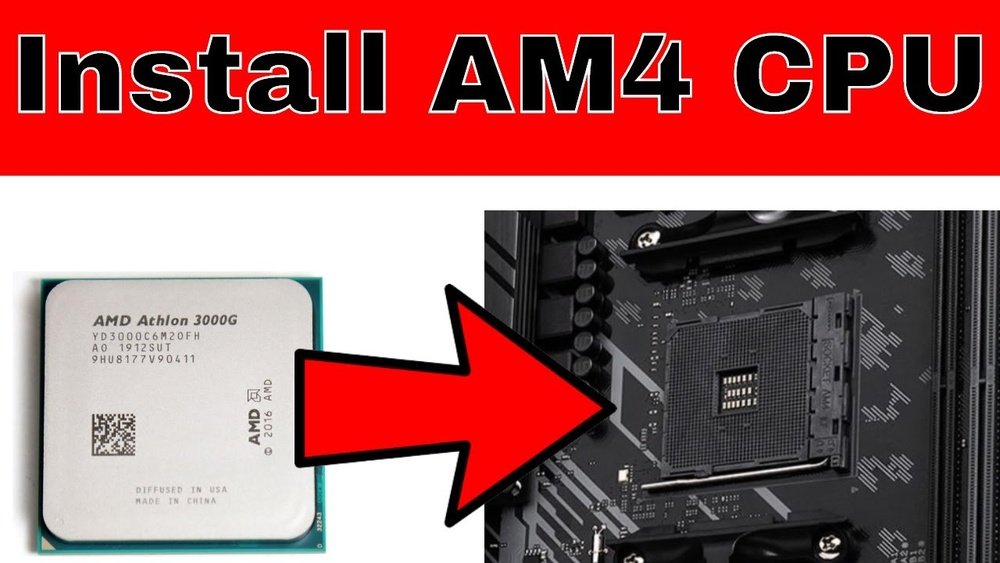
Are you ready to upgrade your PC but unsure how to install your AM4 CPU? Installing a new processor might seem tricky at first, but with the right steps, you can do it quickly and safely.
This guide will walk you through each part of the process, so you avoid common mistakes and get your system running smoothly. Keep reading, and by the end, you’ll have the confidence to install your AM4 CPU like a pro.
Let’s get started!
Preparing Your Workspace
Preparing your workspace is the first step to install an AM4 CPU safely. A clean, organized area helps avoid mistakes. It also protects the delicate parts of the CPU and motherboard. Taking time to set up properly can save effort later and prevent damage.
Gathering Necessary Tools
Before starting, collect all tools needed for the installation. You will need a screwdriver, usually a Phillips head. Have thermal paste ready, if your CPU cooler does not come with pre-applied paste. Keep a clean cloth or paper towel nearby. These tools make the process smooth and safe.
Ensuring Static-free Environment
Static electricity can harm computer parts easily. Use an anti-static wrist strap to keep static away from your CPU and motherboard. Work on a non-carpeted surface, like a wooden table. Touch a metal object to discharge any static from your body before handling parts. This simple step protects your components and ensures a safe installation.
Identifying Am4 Socket And Components
Identifying the AM4 socket and its components is the first step in installing an AM4 CPU. Understanding these parts helps avoid damage and ensures a smooth installation. This section explains how to find the AM4 socket on your motherboard and how to check CPU compatibility.
Knowing the right socket and components saves time and prevents mistakes. It also helps you prepare the workspace properly before starting the installation.
Locating The Am4 Socket On Motherboard
The AM4 socket is a square area on the motherboard. It has a metal lever on one side. This lever locks the CPU in place. The socket is usually near the RAM slots and the CPU fan mount.
You can spot it by looking for a plastic cover on top. Remove this cover carefully to see the pins. These pins connect the CPU to the motherboard. Handle the socket gently to avoid bending the pins.
Understanding Cpu And Socket Compatibility
Not all CPUs fit the AM4 socket. Only AMD Ryzen and some Athlon processors work with it. Check your CPU model to ensure it matches the AM4 socket type.
Motherboard manuals list supported CPUs. Use this guide to confirm compatibility. Installing a wrong CPU can damage the motherboard or cause system failure.
Installing The Am4 Cpu
Installing the AM4 CPU is a critical step in building your PC. It requires careful handling and attention to detail. Following the right steps ensures the CPU fits perfectly without damage. This guide explains each part of the installation clearly.
Opening The Socket Lever
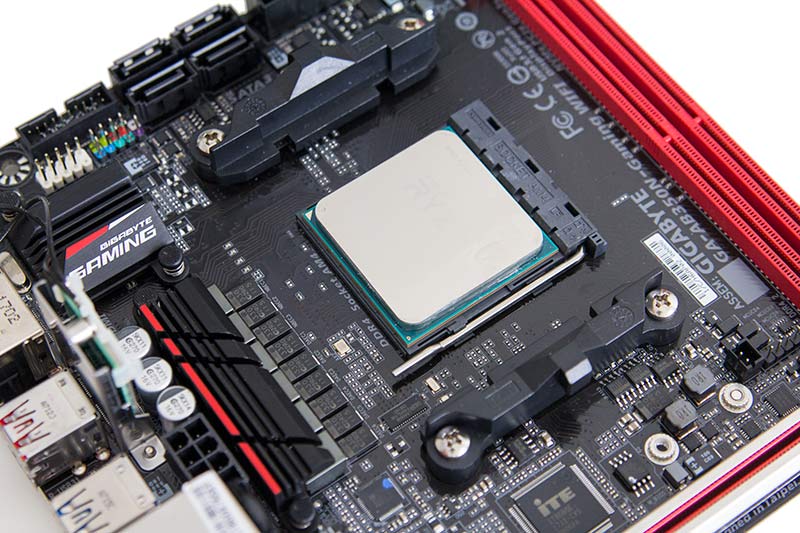
Start by locating the CPU socket on the motherboard. Find the metal lever next to the socket. Gently lift this lever upward to open the socket. This action unlocks the socket and prepares it for the CPU placement. Do not force the lever to avoid damage.
Aligning Cpu With Socket
Hold the CPU by its edges to avoid touching the pins. Look for the golden triangle on one corner of the CPU. Match this triangle with the corresponding mark on the socket. Proper alignment is key for the CPU to fit perfectly in the socket.
Placing Cpu Carefully
Lower the CPU straight down into the socket without sliding it. The CPU should settle easily if aligned correctly. Avoid pressing or forcing the CPU into the socket. Any resistance means the CPU is not aligned properly.
Securing The Cpu In Place
Once the CPU is seated, push the socket lever back down. This locks the CPU firmly in place. You may need to press the lever gently but firmly. Check that the lever is fully secured to avoid CPU movement.

Credit: www.reddit.com
Applying Thermal Paste
Applying thermal paste is a key step in installing an AM4 CPU. It helps the CPU stay cool by improving heat transfer to the cooler. Without proper thermal paste, the CPU may overheat and slow down or get damaged. Take care during this step to ensure your computer runs well and lasts longer.
Choosing The Right Thermal Paste
Select thermal paste that suits your needs. Most users benefit from a good quality, non-conductive paste. Avoid cheap pastes with unclear ingredients. Look for pastes with high thermal conductivity for better heat transfer. Brands like Arctic Silver or Noctua are popular choices. Make sure the paste is easy to apply and clean.
Correct Application Techniques
Start with a clean CPU surface. Use a lint-free cloth and isopropyl alcohol to wipe off old paste. Apply a small pea-sized dot of paste in the center. Do not spread it yourself. The pressure from the cooler will spread the paste evenly. Avoid too much paste; it can reduce cooling efficiency. Secure the cooler gently but firmly to avoid air bubbles.
Attaching The Cpu Cooler
Attaching the CPU cooler is a key step when installing an AM4 CPU. The cooler keeps the processor cool and stops it from overheating. Proper attachment ensures your PC runs smoothly and lasts longer.
Follow each step carefully to avoid damage. Use the right tools and parts for a secure fit. Clean the CPU surface before mounting the cooler for better heat transfer.
Mounting The Cooler Properly
Place the cooler gently on the CPU. Align the cooler’s mounting brackets with the holes on the motherboard. Tighten the screws evenly to avoid pressure on one side. Do not overtighten; it can damage the motherboard or CPU. Check the cooler is stable and does not move.
Connecting Cooler Fan To Motherboard
Locate the CPU fan header on the motherboard. It is usually near the CPU socket and labeled “CPU_FAN.” Plug the fan cable into this header carefully. Make sure the connector fits snugly without bending pins. This connection allows the motherboard to control fan speed and monitor temperature.
Credit: www.eteknix.com
Final Checks And Power On
After installing the AM4 CPU, the final steps are crucial. These steps ensure your system runs smoothly without damage. Checking everything carefully saves time and avoids mistakes. Powering on the system is the moment of truth. It shows if the CPU is working well with other parts.
Verifying Installation
First, check the CPU socket for any bent pins. Bent pins can stop the system from starting or cause errors. Make sure the CPU sits flat and is locked in place. Confirm the cooler is attached firmly to avoid overheating. Check the thermal paste layer; it should be thin and even. Look over the RAM and GPU connections. Loose parts can cause the system to fail during startup.
Booting Up The System
Connect the power supply cables to the motherboard and CPU. Press the power button on the case. Watch the screen for any signs of life. Listen for beeps or fan noises that show the system is running. Enter the BIOS if possible to check CPU temperature and settings. If the system boots without errors, the installation is successful. If not, turn off power and recheck all connections carefully.

Credit: www.eteknix.com
Frequently Asked Questions
What Tools Are Needed To Install An Am4 Cpu?
You need a screwdriver, thermal paste, and an anti-static wrist strap. These tools help safely install the CPU without damage or static.
How Do I Align The Am4 Cpu Correctly?
Align the CPU using the triangle marker on the corner. This ensures the CPU fits perfectly into the socket without bending pins.
Should I Apply Thermal Paste Before Installing The Am4 Cpu?
Yes, apply a small pea-sized amount of thermal paste on the CPU. This improves heat transfer between the CPU and cooler.
How To Secure The Am4 Cpu In The Motherboard?
Gently place the CPU into the socket and lower the retention arm. This locks the CPU firmly in place without forcing it.
Conclusion
Installing an AM4 CPU is simple with the right steps. Take your time and handle parts carefully. Make sure the CPU fits perfectly in the socket. Secure the cooler properly to avoid overheating. Double-check connections before turning on your PC.
This careful process helps your computer run smoothly. You can now enjoy building or upgrading your system with confidence. Remember, patience and attention make all the difference.
