
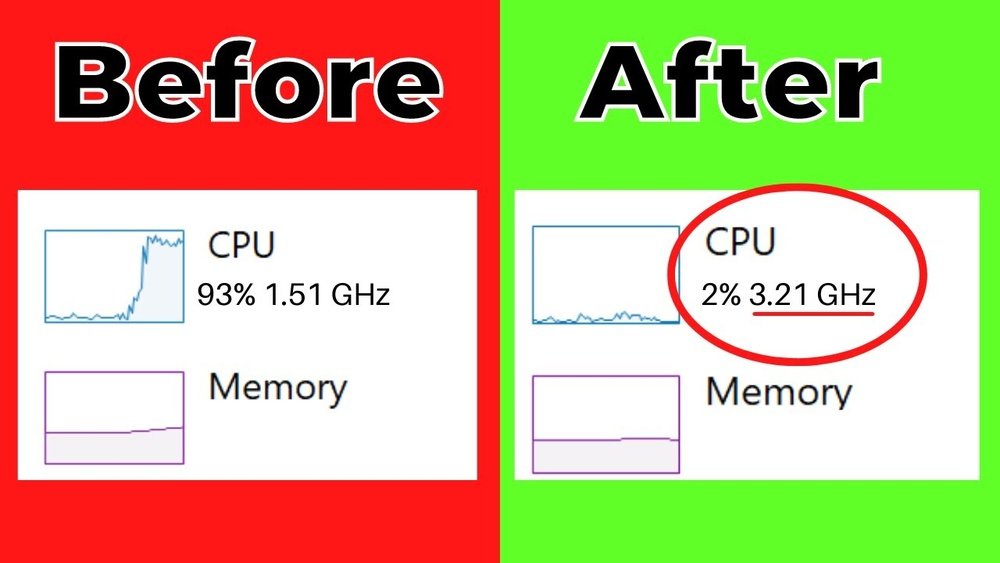
Are you tired of your computer running slow and holding you back? Imagine boosting your CPU speed without buying a new device.
You can make your computer faster and smoother with some simple tricks. You’ll discover easy, practical ways to increase your CPU speed. Keep reading, and you’ll learn how to get more power from your machine right now.
Credit: www.avast.com
Check Current Cpu Performance
Checking your CPU’s current performance is the first step to improve its speed. It helps you understand how your processor works under different tasks. This knowledge guides you on what changes might help boost your CPU speed.
Monitoring tools and benchmarks give a clear picture of your CPU’s health. They show real-time data and compare your CPU with standard performance levels. This way, you know if your CPU is slow or working fine.
Use Built-in Monitoring Tools
Most computers have built-in tools to track CPU usage and speed. On Windows, Task Manager shows CPU load and clock speed. Mac users can check Activity Monitor for similar information.
These tools help spot high CPU usage or overheating. You can see which programs use the most CPU power. This insight helps you decide what to close or optimize.
Benchmark Your Cpu
Benchmarking tests your CPU under controlled conditions. It measures performance using standard tasks. Popular tools like Cinebench or Geekbench give scores to compare with other CPUs.
Benchmark results show how your CPU stands against others. Low scores may mean your CPU needs cleaning or settings adjustment. Regular benchmarking tracks performance changes over time.
Optimize System Settings
Optimizing system settings can help your CPU run faster and smoother. Small changes in your computer’s setup can improve speed without extra hardware. Focus on settings that reduce power waste and stop unnecessary programs from running.
Adjust Power Options
Set your power plan to High Performance. This setting lets your CPU use full power all the time. It stops the system from slowing down to save energy. Open Control Panel and find Power Options. Choose High Performance to boost CPU speed.
Keep in mind, this may use more electricity. But it helps your CPU work faster during demanding tasks. It is a simple step that can make a big difference.
Manage Startup Programs
Many programs start automatically when your computer boots up. These programs use CPU power and slow down your system. Disable unnecessary startup programs to free up CPU resources.
Open Task Manager and go to the Startup tab. Look for programs you do not need right away. Right-click and select Disable. This stops them from running in the background and speeds up your CPU.
Update Software And Drivers
Keeping your software and drivers updated can improve your CPU speed. Updates fix bugs, enhance performance, and add important features. This helps your computer run smoother and faster.
Install Latest Os Updates
Operating system updates are key to better CPU performance. These updates include security patches and system improvements. They help your CPU handle tasks more efficiently. Check for updates regularly and install them promptly. This keeps your system stable and fast.
Update Cpu Drivers
CPU drivers control how your processor interacts with the system. Outdated drivers can slow down your computer. Visit your CPU manufacturer’s website to find the latest drivers. Download and install the newest versions for better speed. Updated drivers ensure your CPU works at its best.

Credit: softwareg.com.au
Overclock Your Cpu
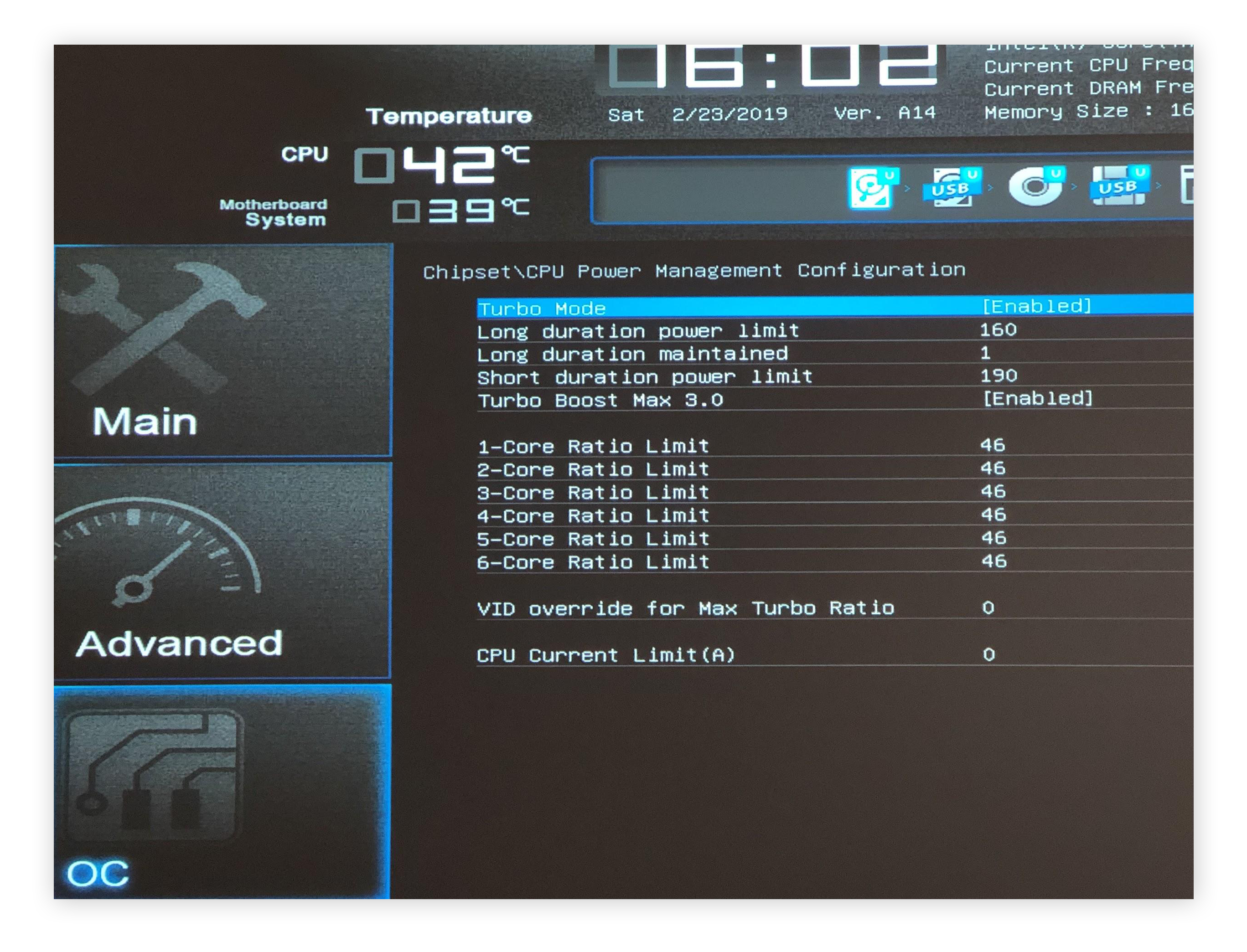
Overclocking your CPU can increase its speed beyond the factory settings. This process pushes the processor to run faster, improving your computer’s performance. It is a popular method for boosting speed without buying new hardware. Overclocking requires care to avoid damage or instability. Learning the basics and following safe steps helps get the best results.
Basics Of Overclocking
Overclocking means raising the CPU’s clock rate. The clock rate controls how fast the CPU processes data. Increasing this rate speeds up tasks but creates more heat. Every CPU has a limit for safe overclocking. You must find the balance between speed and stability. Start with small increases and test each change.
Safe Overclocking Practices
Keep the CPU cool to avoid overheating. Use good cooling solutions like fans or liquid coolers. Monitor the CPU temperature regularly during overclocking. Avoid pushing the CPU too far beyond its limits. Save your work often in case the system crashes. Use stress tests to check stability after changes. If the system is unstable, lower the clock speed.
Use Overclocking Software
Many tools help control overclocking easily. These programs adjust clock speeds and voltages with a few clicks. Examples include CPU-Z, MSI Afterburner, and Intel Extreme Tuning Utility. Overclocking software often shows temperature and performance stats. This feedback helps fine-tune settings safely. Choose software compatible with your CPU and motherboard.
Improve Cooling Solutions
Improving your CPU speed needs more than just software tricks. Cooling plays a big role in keeping your processor fast and stable. Heat slows down your CPU and can cause it to crash. Better cooling helps your CPU work at its best without overheating.
Clean Dust From Components
Dust blocks air and traps heat inside your computer. Clean your fans, vents, and heat sinks often. Use a soft brush or compressed air to remove dust. This simple step helps air flow freely and cools your CPU better.
Use Better Cooling Systems
Stock coolers may not be enough for heavy use. Consider upgrading to a stronger air cooler or liquid cooling system. These coolers move heat away from the CPU faster. Cooler temperatures mean your CPU can run faster and longer.
Apply Quality Thermal Paste
Thermal paste fills gaps between the CPU and cooler. Old or low-quality paste reduces heat transfer. Remove old paste carefully and apply a new, good-quality thermal paste. This improves cooling and helps your CPU stay cool under load.

Credit: www.youtube.com
Upgrade Hardware Components
Upgrading hardware components is a direct way to boost your CPU speed. It helps your computer run faster and handle more tasks. Some parts work better than others to improve overall performance.
Changing certain components can make a big difference. It is not always about the CPU alone. Other parts like memory and storage also play key roles in speed.
Consider A Cpu Upgrade
The CPU is the brain of your computer. A newer, faster CPU processes tasks quicker. Choose a CPU that fits your motherboard and budget. This upgrade often leads to the biggest speed improvement.
Increase Ram Capacity
RAM stores data your computer uses right now. More RAM means your system can handle more tasks without slowing down. Upgrading RAM is usually simple and affordable. It helps with multitasking and smooth software performance.
Switch To Faster Storage
Storage speed affects how fast programs open and files load. Replace old hard drives with solid-state drives (SSD). SSDs are much faster and more reliable. This upgrade shortens boot times and improves overall system speed.
Manage Background Processes
Managing background processes is key to boosting your CPU speed. Many apps and services run quietly behind the scenes. They use CPU power without your knowledge. Stopping unnecessary tasks frees up resources. Your computer runs faster and smoother. Focus on two main steps to manage these processes effectively.
Identify Resource-heavy Apps
First, find apps that use a lot of CPU power. Open Task Manager on Windows or Activity Monitor on Mac. Look at the CPU column to see which apps take the most resources. Some apps use more power than needed. Close or limit these apps to save CPU speed. This simple step helps your system run better.
Disable Unnecessary Services
Many background services start automatically with your PC. Some you do not need at all times. Disabling these services reduces CPU load. Use the Services app on Windows to review running services. Turn off those you don’t need. Be careful not to disable critical system services. This keeps your CPU free for important tasks.
Use Performance-boosting Software
Using performance-boosting software helps improve your CPU speed safely and easily. This software works by cleaning, optimizing, and managing system resources. It can make your computer run faster without complex hardware changes.
Many tools focus on different tasks like removing junk files or optimizing system settings. Choosing the right software can reduce CPU load and increase overall speed. It also helps your computer stay healthy and stable over time.
Optimize With System Utilities
System utilities improve CPU performance by adjusting settings and managing resources. They close unnecessary background tasks that slow down your computer. These tools also update drivers and fix errors that affect speed.
Running system utilities regularly keeps your CPU working efficiently. They help balance the load, so your processor does not overheat or slow down. This results in smoother performance during daily tasks.
Clean Up Junk Files
Junk files take up space and slow your CPU. Performance software cleans temporary files, cache, and unused data. Removing these files frees up memory and storage for better speed.
Regular cleanup prevents your CPU from working harder than needed. It also reduces system crashes caused by clutter. Clean drives help your computer start faster and run more smoothly.
Frequently Asked Questions
How Can I Safely Overclock My Cpu?
Safely overclock your CPU by gradually increasing clock speed. Monitor temperatures closely and use reliable software. Ensure good cooling and stable power supply to avoid damage.
What Software Helps Increase Cpu Speed Effectively?
Use software like Intel Extreme Tuning Utility or AMD Ryzen Master. These tools allow controlled overclocking and real-time monitoring to boost CPU performance safely.
Does Upgrading Cpu Cooling Improve Speed?
Yes, better cooling prevents overheating, allowing the CPU to maintain higher speeds without throttling. Use quality air or liquid coolers for optimal results.
Can Updating Bios Increase Cpu Performance?
Updating BIOS can improve CPU compatibility and performance. Manufacturers often release updates that optimize speed and fix bugs. Always follow official instructions to update safely.
Conclusion
Boosting your CPU speed can improve your computer’s overall performance. Simple steps like cleaning dust, updating software, and managing startup programs help a lot. Overclocking is an option but needs care to avoid damage. Regular maintenance keeps your system running smoothly and fast.
Try these tips one by one to see what works best. A faster CPU means quicker tasks and less waiting time. Keep your computer healthy to enjoy better speed every day.
