
Are you struggling to get the most out of your computer’s processor? If your CPU is sitting idle when it should be working hard, you’re missing out on a big boost in performance.
Increasing your CPU utilization means your system can handle tasks faster and run more efficiently. You’ll discover simple, effective ways to make your CPU work smarter, not harder. Keep reading, and you’ll learn how to unlock your computer’s full potential right now.

Credit: softwareg.com.au
Factors Affecting Cpu Utilization
CPU utilization depends on many factors. Understanding these helps improve performance. Some factors relate to the type of work the CPU handles. Others involve hardware limits or design features. Let’s explore the main factors that affect CPU usage.
Workload Types
Different tasks use the CPU differently. Some tasks need constant processing, such as video editing. Others run in short bursts, like opening a file. Heavy workloads push CPU usage higher. Light tasks keep it low. Knowing the workload helps balance CPU use.
System Bottlenecks
Bottlenecks slow down CPU performance. Common bottlenecks include slow memory and disk speed. If the CPU waits for data, utilization drops. Network delays also affect CPU work. Fixing bottlenecks lets the CPU run at full speed.
Cpu Architecture
The CPU design impacts how it handles tasks. Modern CPUs have multiple cores for multitasking. Some CPUs process instructions faster than others. Cache size and pipeline design affect speed. Better architecture means better CPU utilization.
Credit: www.liftingitalia.com
Monitoring Cpu Usage
Monitoring CPU usage helps you understand how your computer’s processor works. It shows how much of the CPU is busy at any time. Knowing this helps you find ways to increase CPU utilization effectively. You can see if your system runs smoothly or if tasks overload the CPU.
Monitoring also helps spot problems early. If CPU usage is too high or too low, you can adjust your programs or settings. Tracking usage over time gives a clear picture of your computer’s performance. This makes managing your system easier and smarter.
Built-in Tools
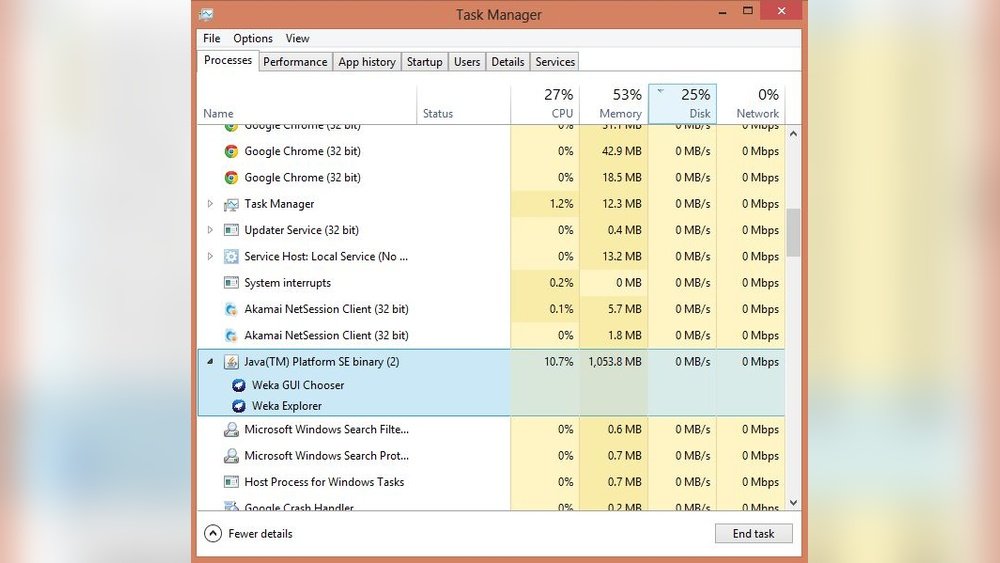
Most operating systems have tools to check CPU usage. Windows has Task Manager, which shows CPU use by apps. Mac users can use Activity Monitor for similar details. Linux offers commands like top and htop to view CPU stats. These tools are free and easy to access.
Built-in tools provide real-time data. They update quickly and show which programs use the CPU most. This helps you stop apps that slow down your system. They also show CPU usage history in some cases.
Third-party Software
Third-party software offers more detailed CPU monitoring. These tools give advanced graphs and alerts. Programs like HWMonitor or CPU-Z provide extra info about CPU temperature and speed. Some apps run in the background and track usage over time.
These tools help find hidden CPU issues. They often include features to log data for future review. Third-party software can be useful for heavy users and IT professionals.
Interpreting Metrics
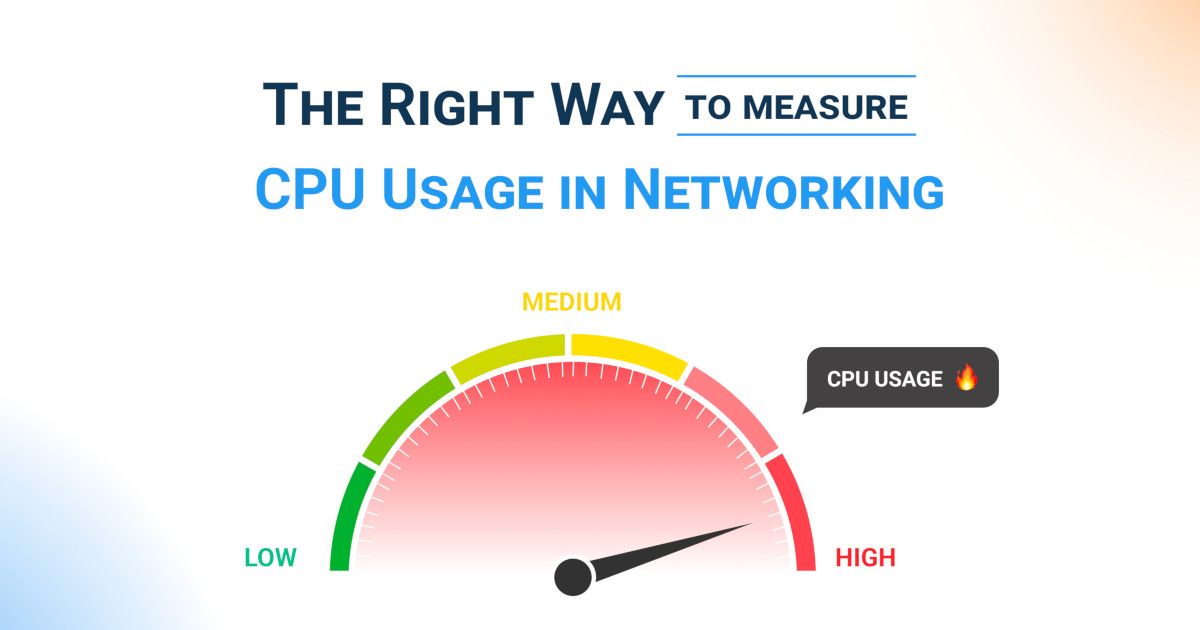
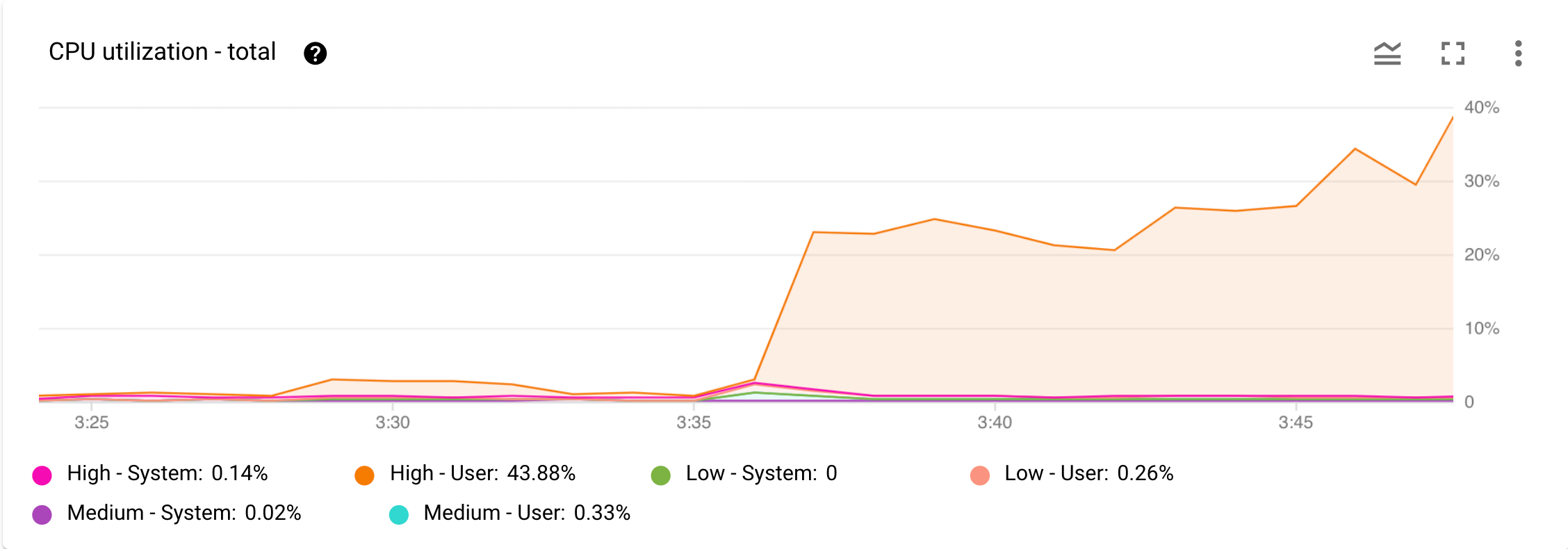
CPU usage shows how busy the processor is. High usage means the CPU works hard. Low usage means it is mostly idle. A steady high CPU load may cause slowdowns or crashes. Sudden spikes can indicate a problem or heavy task.
Look at CPU usage alongside memory and disk activity. This gives a complete view of system health. Monitor metrics regularly to keep your computer running well. Use the data to balance tasks and improve performance.
Optimizing Software For Cpu
Optimizing software for CPU helps programs run faster and use the processor better. It improves the speed and efficiency of tasks. By writing good code, the CPU can handle more work without wasting resources. This saves time and energy.
Simple changes in software design can make a big difference. Developers can use methods that allow CPUs to work on many tasks at once. Organizing tasks and writing clear code also helps the CPU perform better.
Multithreading Techniques
Multithreading splits a program into multiple threads. Each thread runs a part of the task simultaneously. This makes the CPU handle more work in less time. It uses all CPU cores efficiently. Threads must be managed well to avoid conflicts and delays. Proper thread use improves performance for many applications.
Code Efficiency
Efficient code runs faster and uses less CPU power. Writing simple and clear instructions helps the processor. Avoid complex loops and unnecessary calculations. Use algorithms that solve problems quickly. Clean code reduces the CPU load. This leads to smoother and faster software execution.
Task Prioritization
Task prioritization tells the CPU which jobs are most important. High-priority tasks get more CPU time. This ensures key functions run smoothly and fast. Low-priority tasks wait or run slower. Managing task order prevents CPU overload. Good prioritization keeps software responsive and stable.
Managing Background Processes
Managing background processes is key to increasing CPU utilization. Many programs run quietly behind the scenes. They use CPU power without obvious signs. Controlling these processes frees up resources. It helps your system run better and faster.
Focus on which processes are needed and which are not. Stopping unnecessary tasks lowers CPU waste. This also improves overall system stability. Let’s explore how to manage these processes effectively.
Identifying Resource Hogs
Start by checking which programs use the most CPU. Use the Task Manager on Windows or Activity Monitor on Mac. Look for apps with high CPU percentages. These are your resource hogs. Note them down. Knowing these helps decide what to stop or limit.
Disabling Unnecessary Services
Many services run automatically without your notice. Some are not needed for daily tasks. Disable services that do not affect your work. This reduces CPU load. Use system tools to turn off unwanted services. Be careful not to stop important ones. This keeps your system safe and efficient.
Scheduling Tasks Strategically
Background tasks can run at set times. Schedule heavy tasks when the computer is idle. This avoids CPU overload during busy hours. Use system schedulers like Task Scheduler in Windows. Set updates, scans, or backups for off-peak times. This balances CPU use and keeps performance smooth.
Hardware Upgrades To Boost Cpu Performance
Hardware upgrades can help increase CPU utilization effectively. Better hardware allows your CPU to work faster and handle more tasks. These upgrades improve overall system performance and efficiency.
Upgrading Cooling Systems
Good cooling keeps your CPU from overheating. Overheating slows down the CPU and reduces its performance. Installing better fans or liquid cooling helps keep the temperature low. Cooler CPUs can run at higher speeds for longer periods.
Adding More Cpu Cores
More cores mean the CPU can handle more tasks at once. Multi-core processors improve multitasking and speed up heavy workloads. Upgrading to a CPU with extra cores boosts performance in many applications. This upgrade is useful for software that supports multi-threading.
Increasing Ram For Better Support
RAM supports the CPU by storing active data and instructions. More RAM allows the CPU to access data faster without waiting. This reduces bottlenecks and improves CPU utilization. Increasing RAM makes your system smoother and faster overall.
Credit: docs.cloud.google.com
Overclocking Safely
Overclocking is a popular way to increase CPU speed and improve performance. It pushes the processor beyond its default settings. Doing this safely protects your hardware and keeps your system stable. Small steps and careful checks are key to safe overclocking. Let’s explore how to overclock your CPU without causing damage or crashes.
Benefits And Risks
Overclocking boosts CPU speed for faster computing. It helps run apps and games more smoothly. You get more value from your existing hardware. But overclocking also brings risks. It can cause higher heat and shorten CPU life. The system may become unstable and crash often. Proper cooling and cautious adjustments reduce these dangers.
Step-by-step Process
Start by entering your PC’s BIOS or UEFI settings. Locate the CPU multiplier or clock ratio option. Increase it by small increments, like 0.5x or 1x. Save changes and restart your computer. Run stress tests to check performance and stability. Repeat this process until you reach the desired speed or instability. Adjust voltage only if needed, and increase it carefully.
Monitoring Stability
Use software tools to monitor CPU temperature and usage. Keep the temperature below the maximum safe limit. Watch for system crashes, freezes, or errors. Run stress tests for at least 30 minutes to confirm stability. If problems appear, reduce clock speed or voltage. Good cooling is essential to maintain long-term stability.
Leveraging Virtualization And Parallelism
Increasing CPU utilization is essential for better performance. Leveraging virtualization and parallelism helps use CPU resources effectively. These techniques divide tasks and run many processes at once. This approach reduces idle CPU time and speeds up work.
Virtualization creates multiple virtual machines on one physical CPU. Parallelism breaks tasks into smaller parts that run simultaneously. Both methods improve CPU use without extra hardware. They ensure the CPU works on many tasks at the same time.
Using Virtual Machines
Virtual machines (VMs) allow running several operating systems on one CPU. Each VM acts like a separate computer. This setup spreads CPU work across many VMs. It prevents the CPU from sitting idle.
VMs help test software in different environments. They also improve server use by hosting multiple applications. This method increases CPU use efficiently and safely.
Implementing Parallel Computing
Parallel computing splits tasks into smaller jobs. These jobs run at the same time on different CPU cores. This method speeds up processing and uses CPU power well.
Programs designed for parallel computing can solve problems faster. Tasks like data analysis and graphics rendering benefit from this technique. It is key to high CPU utilization.
Balancing Loads Across Cpus
Load balancing spreads tasks evenly across all CPU cores. It stops some cores from working too hard while others stay idle. This balance maximizes CPU performance.
Load balancing tools monitor CPU usage and assign work smartly. This method keeps the system stable and fast. Proper balancing leads to better resource use and less delay.
Frequently Asked Questions
What Is Cpu Utilization And Why Increase It?
CPU utilization measures how much processing power is in use. Increasing it optimizes system efficiency and performance. Higher utilization ensures resources aren’t wasted during tasks, improving overall productivity and system responsiveness.
How Can I Monitor Cpu Utilization Effectively?
Use built-in tools like Task Manager on Windows or Activity Monitor on macOS. For advanced monitoring, tools like top, htop, or Perfmon provide detailed real-time CPU usage data.
Which Software Helps Increase Cpu Utilization Safely?
Multithreaded applications, virtualization software, and workload managers help balance CPU tasks. These tools distribute processes efficiently, ensuring CPU usage rises without overheating or system lag.
Can Optimizing Software Improve Cpu Utilization?
Yes, optimizing software by updating, removing bloatware, and adjusting settings can boost CPU efficiency. Proper optimization reduces idle time and makes better use of CPU cycles.
Conclusion
Increasing CPU utilization helps your system run tasks efficiently. Focus on balancing workload and avoiding overload. Use tools to monitor performance and identify bottlenecks. Adjust software settings to better use CPU resources. Keep your system updated for improved compatibility. Regular maintenance prevents slowdowns and errors.
Small changes can lead to noticeable improvements. Stay patient and test different methods. Better CPU use means smoother, faster computing overall.
