
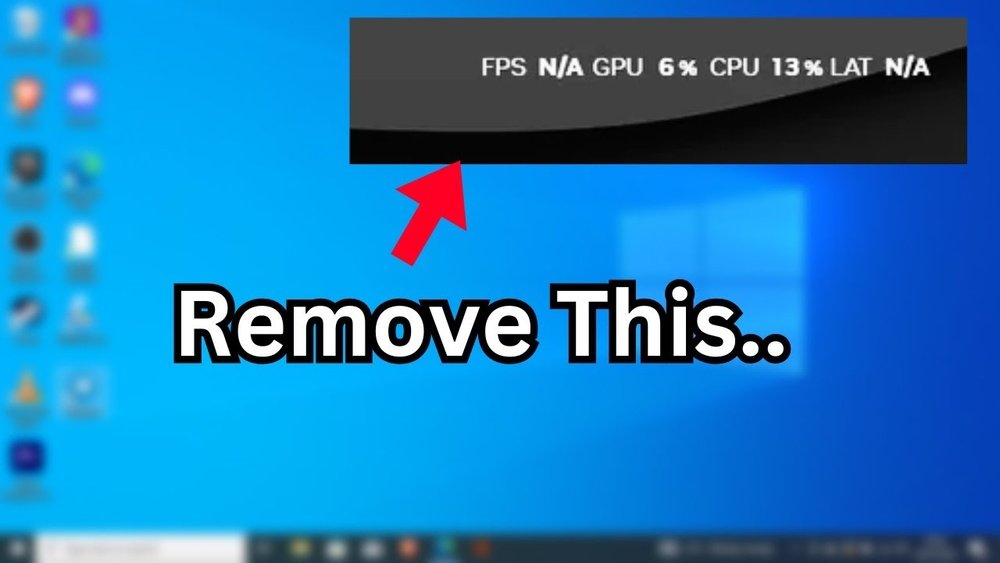
Are you tired of seeing your FPS, GPU, CPU, and latency numbers cluttering your screen while gaming or working? Sometimes, those stats can be distracting or just not something you want to share with others.
Whether you want a cleaner display or need to protect your privacy, knowing how to hide these details can make a big difference in your experience. You’ll discover simple and effective ways to hide your FPS, GPU, CPU, and latency information quickly.
Keep reading, and you’ll learn how to take control of what shows up on your screen—no complicated tech skills needed.

Credit: www.downloadsource.net
Reasons To Hide Performance Metrics
Many users choose to hide their FPS, GPU, CPU, and latency data during gameplay or streaming. These performance metrics can sometimes reveal more than intended. Hiding them offers several benefits beyond just aesthetics. Understanding these reasons helps users decide when to keep this data private.
Privacy Concerns
Performance metrics can reveal system details. This information might help hackers target your device. Sharing these details openly risks security. Keeping these metrics hidden protects your privacy. It stops others from learning about your hardware.
Competitive Advantage
Showing performance data can give opponents clues. They might learn how your system handles the game. This knowledge could help them predict your gameplay. Hiding these stats keeps your system’s limits secret. It ensures no one gains an unfair edge.
Reducing Distractions
Constantly seeing performance numbers can distract players. It may cause stress or break focus during play. Hiding these metrics helps maintain attention on the game. This leads to better gameplay and enjoyment. A clean screen can improve overall experience.

Credit: www.youtube.com
Common Metrics To Conceal
Many users want to hide certain performance numbers on their screens. These numbers can distract or confuse viewers. Knowing which metrics to conceal helps create a clean display.
Some common metrics appear in many performance monitoring tools. These include frames per second, GPU and CPU usage, and latency. Hiding these can improve screen appearance and focus.
Frames Per Second (fps)
FPS shows how many images your system displays each second. A low FPS can mean lag or choppy visuals. Some users prefer to hide FPS to avoid showing unstable rates during gameplay or tests.
Gpu Usage
GPU usage tells how much your graphics card works. High usage means the GPU is busy rendering images. Some users hide this metric to keep the screen less cluttered and easier to read.
Cpu Usage
CPU usage shows how hard your processor works. It affects overall system speed and responsiveness. Users often conceal CPU usage to reduce distractions on screen, especially in streams or videos.
Latency
Latency measures delay between input and response. It impacts how smooth and fast your system feels. Many hide latency to keep the display simple and avoid showing potential performance issues.
Tools For Hiding Metrics
Hiding FPS, GPU, CPU, and latency metrics helps keep your screen clean. Many tools offer easy ways to hide these numbers. They work inside games or through external apps. Choose the right tool based on your needs and device.
In-game Settings
Most games show performance stats by default. You can turn these off in settings. Look for options like “HUD,” “Performance,” or “Display.” Some games let you toggle FPS and latency on or off. Use these settings to hide metrics without extra software.
Third-party Software
Several apps control what appears on your screen. Programs like MSI Afterburner or RivaTuner let you customize overlays. You can hide or show FPS, GPU, and CPU data easily. These tools work with many games and give more control than in-game options.
Custom Overlays
Create your own screen overlay to hide unwanted data. Use software like Discord or OBS to add custom layers. These layers can cover FPS and latency numbers. Custom overlays help if your game or software does not offer hiding options.
Configuring Game Settings
Configuring game settings is a key step to hide FPS, GPU, CPU, and latency displays. Most games have built-in options that show these stats on the screen. Turning off these overlays can clear the view. Adjusting graphics and display options also helps reduce performance issues. This makes gameplay smoother and less distracting.
Disabling Built-in Overlays
Many games show FPS and other stats by default. These overlays appear on the screen during play. Look for the settings menu labeled “HUD,” “Display,” or “Performance.” Find the option to turn off FPS and latency counters. Disable any overlays showing CPU or GPU data. This hides the information from your screen.
Adjusting Graphics Settings
Lowering graphics quality can reduce the need for showing hardware stats. Set textures, shadows, and effects to medium or low. This eases the load on your GPU and CPU. It also lowers the chance that the game will display performance data. Simple graphics settings help keep your screen clear and gameplay smooth.
Optimizing Display Options
Check the display settings for options affecting performance displays. Disable any “Performance Mode” or “Debug Info” features. Set the refresh rate and resolution to match your monitor. Avoid ultra-high settings that may trigger system overlays. Proper display settings reduce on-screen clutter and hide FPS and latency info.
Using Software To Conceal Metrics
Using software to hide FPS, GPU, CPU, and latency metrics helps keep your screen clean. It prevents distractions during gameplay or streaming. Many apps offer settings to hide or customize these displays easily.
This method is simple and works for most users. It does not require advanced technical skills. Just follow a few steps to set it up correctly.
Popular Applications
Several programs allow metric concealment. MSI Afterburner is widely used for monitoring and hiding stats. RivaTuner Statistics Server (RTSS) pairs well with it for overlays. NVIDIA GeForce Experience and AMD Radeon Software also offer options to disable on-screen displays.
Step-by-step Setup
First, download and install the monitoring software. Open the app and go to overlay or monitoring settings. Find the section for FPS, GPU, CPU, or latency display. Toggle the visibility off or customize it to be hidden. Save changes and restart the game or app. Check if the metrics are no longer visible on the screen.
Troubleshooting Common Issues
Metrics may still appear if the app is not fully closed. Make sure to restart your PC after setup. Check for conflicting software that also shows overlays. Update your monitoring software to the latest version. Disable overlays in your graphics card control panel if needed. These steps usually fix most problems.
Advanced Techniques
Advanced techniques offer deeper control for hiding FPS, GPU, CPU, and latency data. These methods require some technical skills but provide better results. They help you customize how data shows or stays hidden during gameplay or software use.
These techniques include editing files, using scripts, and even hardware changes. Each method works differently and suits different needs. Exploring these can help you maintain privacy and improve performance display control.
Modifying Configuration Files
Many games and apps store settings in configuration files. You can open these files with a simple text editor. Look for options related to FPS, GPU, CPU, or latency display. Change the values to disable or hide these stats.
Save the file and restart the program. This method stops the stats from showing without extra software. Be careful to back up files before changing them. Incorrect edits can cause errors or crashes.
Using Scripts And Macros
Scripts and macros automate tasks on your computer. You can write or download scripts to hide performance stats. For example, they can close overlay windows or block data updates.
Some scripts run in the background without disturbing your work. Macros can trigger actions with a single key press. This approach saves time and keeps your screen clean. Basic knowledge of scripting languages helps here.
Hardware-level Solutions
Hardware changes offer another way to hide performance data. Some graphic cards and CPUs have built-in tools to manage stats display. You can disable overlays or monitoring features from hardware control panels.
Using hardware-level options reduces software interference. It may improve system stability and speed. This method requires understanding your device’s control software. Not all hardware supports these features.
Risks And Considerations
Hiding FPS, GPU, CPU, or latency data can seem helpful for privacy or performance reasons. Yet, doing this comes with risks and important points to think about. Ignoring these can cause problems for your device and software. It also has effects on fairness in games and other applications.
Potential Performance Impact
Changing or hiding system data can affect your device’s performance. Some tools use extra resources to mask the information. This can slow down your computer or cause crashes. It might also stop apps from showing accurate data, leading to confusion.
Compatibility Issues
Not all programs work well with hidden or altered system info. Games and monitoring tools may fail to start or run properly. Updates to software or drivers can break these hiding methods. This causes errors and makes troubleshooting harder.
Fair Play And Ethics
Hiding performance data in online games can be unfair to others. It may give an advantage or hide cheating behavior. Many game developers ban users who alter or hide this information. Respecting fair play helps keep games fun and honest for all players.

Credit: www.reddit.com
Tips For Monitoring Performance Privately
Monitoring your computer’s performance without displaying data on screen keeps your setup clean. It helps you avoid distractions and keeps information private. There are easy ways to track FPS, GPU, CPU, and latency data quietly. These tips help you stay informed without showing stats openly.
Using Hidden Logs
Many tools save performance data in hidden log files. These logs record FPS, CPU, and GPU usage over time. You can check them later without any on-screen display. This method keeps your screen clear and your data private. Look for software that supports logging features. Access the logs anytime to review your system’s health.
Remote Monitoring
Remote monitoring lets you track performance from another device. Use apps or software that send data to your phone or laptop. This way, your main screen stays free of any stats or graphs. It’s perfect for keeping performance info private during gaming or work. Set up alerts to notify you only when needed.
Personal Benchmarking
Run benchmarks and save the results for later review. Personal benchmarking gives you a reference point for your system’s performance. Compare past and present results without displaying real-time data. It helps spot issues quietly and understand trends. Use simple tools that generate easy-to-read reports.
Frequently Asked Questions
How Can I Hide Fps, Gpu, Cpu, And Latency On Screen?
You can hide FPS, GPU, CPU, and latency by disabling the in-game overlay or monitoring software display. Adjust settings in apps like MSI Afterburner or Steam Overlay to stop showing these metrics while gaming.
Why Would I Want To Hide Fps, Gpu, Cpu, And Latency?
Hiding these stats helps reduce screen clutter and distractions during gaming. It also improves streaming privacy by preventing viewers from seeing your hardware performance details.
Which Software Allows Hiding Fps, Gpu, Cpu, And Latency?
Common apps like MSI Afterburner, NVIDIA GeForce Experience, and RivaTuner let you toggle these displays off. Check their settings or hotkeys to disable the monitoring overlay easily.
Does Hiding Performance Stats Affect Game Performance?
No, hiding FPS, GPU, CPU, and latency overlays does not impact actual game performance. It only stops the display of these metrics, keeping your system running normally.
Conclusion
Hiding FPS, GPU, CPU, and latency info helps keep your screen clean. It also reduces distractions while playing or working. You can use simple tools or settings to do this quickly. Just follow the easy steps shared above. This way, your experience stays smooth and focused.
Try these tips next time you want a clearer display. It’s that simple to control what you see on screen.
