
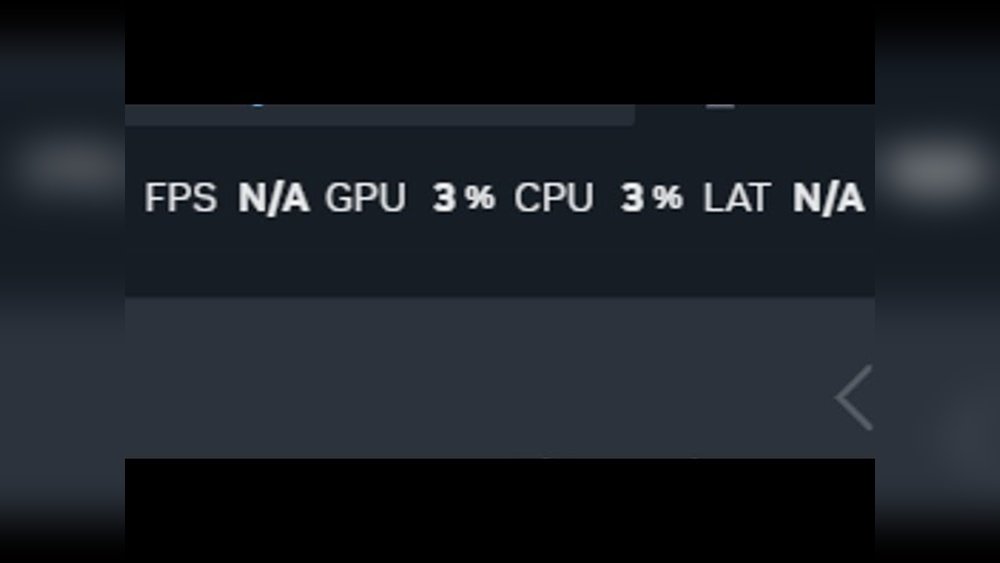
Are you tired of your FPS, GPU, and CPU stats cluttering your screen while you’re trying to focus on your game or work? Finding a way to get these performance numbers off your screen can make your experience cleaner and less distracting.
You’ll discover simple steps to hide or move those stats, so you can enjoy a smoother view without losing track of your system’s performance. Keep reading to learn how to clear your screen and keep your focus sharp.

Credit: www.reddit.com
Common Causes Of Fps, Gpu, And Cpu Lag
FPS, GPU, and CPU lag can make any computer task frustrating. These problems slow down your system and affect your experience. Understanding the common causes helps to fix lag and improve performance. Many factors play a role in causing lag. Knowing these can guide you to the right solutions.
Hardware Limitations
Old or weak hardware often causes lag. The CPU might not handle heavy tasks well. A slow GPU can struggle with graphics. Limited RAM also slows down processes. Upgrading hardware can reduce lag significantly.
Software Conflicts
Conflicts between software can cause lag. Some programs may not work well together. Outdated drivers or system files often lead to issues. Keeping software updated helps avoid these conflicts. Removing unnecessary programs can improve speed.
Background Processes
Many background tasks use system resources. These processes run without your knowledge. They slow down your CPU and GPU performance. Closing or managing these tasks frees resources. This step often improves FPS and reduces lag.
Overheating Issues
High temperatures affect hardware performance. Overheated components slow down to prevent damage. Dust or poor ventilation causes heat buildup. Cleaning fans and improving airflow helps cool the system. Lower temperatures boost GPU and CPU speed.
Monitoring Fps, Gpu, And Cpu Performance
Monitoring FPS, GPU, and CPU performance helps improve your computer’s gaming and work experience. It shows how well your system runs and where it slows down. Watching these numbers helps find problems fast. It also guides you to adjust settings for better results. Here are ways to track these key parts of your system.
Using Built-in Tools
Many computers have tools to check FPS, GPU, and CPU data. Windows users can open Task Manager to see CPU and GPU use. The Performance tab shows real-time stats. Mac users can use Activity Monitor for similar details. Some games include a built-in FPS counter in their settings. These tools need no extra downloads and work well for basic checks.
Third-party Software Options
Third-party apps offer more detailed info about your system. Programs like MSI Afterburner display FPS and hardware loads on screen. They often show temperature, clock speed, and usage percentages. These apps help track performance while gaming or running heavy tasks. Most are free and easy to set up. They give clearer insight into how your PC behaves under stress.
Interpreting Performance Data
High FPS means smooth gameplay. Low FPS causes lag and stutters. High CPU or GPU use shows heavy workload but can also mean bottlenecks. If temperatures rise too much, your system might overheat. Watch for sudden drops in FPS or spikes in usage. These signs point to possible issues. Adjust settings or upgrade hardware based on what the data shows.
Optimizing Gpu Settings
Optimizing GPU settings helps improve your computer’s performance and reduce lag. Adjusting these settings can make your FPS, GPU, and CPU data display smoothly. It also lowers the chance of screen flickering or freezing.
Focus on the GPU first. It handles most of the graphics work. Small tweaks here create big changes in your gaming or work experience.
Updating Drivers
Keep your GPU drivers up to date. New drivers fix bugs and improve performance. Visit the official website of your GPU brand to download the latest version. Installing updates regularly ensures your GPU runs efficiently.
Adjusting Graphics Settings
Lower graphics settings to reduce GPU load. Turn off shadows, lower texture quality, and reduce resolution if needed. This helps your GPU focus on showing FPS and CPU data without lag. Experiment to find the right balance between quality and performance.
Managing Power Options
Set your GPU power mode to high performance. This prevents the GPU from throttling down to save energy. Open your GPU control panel and choose the best power plan. This change keeps the GPU working at full capacity during use.
Improving Cpu Performance
Improving CPU performance helps reduce lag in FPS, GPU, and CPU latency displays. A faster CPU means smoother gameplay and more accurate on-screen data. Small changes can make a big difference in how your system handles tasks. Focus on managing software and hardware to get the best results.
Closing Unnecessary Applications
Running many programs slows down your CPU. Close apps that you do not need while gaming. This frees up processing power for your game and monitoring tools. Use the Task Manager to see which apps use the most CPU. Ending these tasks can lower latency and improve frame rates.
Adjusting Processor Affinity
Processor affinity lets you assign specific CPU cores to certain programs. This keeps your game and FPS tools running smoothly. Open Task Manager, right-click your game process, and set affinity to fewer cores. This reduces conflicts between applications and can lower lag. Experiment with different settings for best results.
Upgrading Hardware Components
Older CPUs struggle with modern games and software. Upgrading to a faster processor improves performance. Look for CPUs with higher clock speeds and more cores. Also, check if your motherboard supports the new CPU. Better hardware leads to quicker data processing and smoother FPS displays.
Fixing Fps Drop Issues
Fixing FPS drop issues can greatly improve your gaming experience. Low frames per second cause lag and stuttering. This makes games less smooth and enjoyable. Many factors cause FPS drops, but you can fix some easily. Try simple steps to boost performance and reduce lag.
Lowering Game Resolution
Reducing your game resolution lowers the load on your GPU. This helps increase FPS and reduce lag. Choose a resolution your system can handle comfortably. Lower resolutions use fewer resources and improve smoothness. Try stepping down resolution until FPS stabilizes.
Disabling V-sync And Other Features
V-Sync can limit FPS to match your monitor’s refresh rate. This sometimes causes input lag and stuttering. Turning off V-Sync may improve responsiveness and FPS. Also, disable extra visual features like motion blur or shadows. These features can use extra GPU power and lower FPS.
Checking For Software Updates
Outdated drivers and game patches cause performance issues. Keep your GPU drivers up to date for best results. Game updates often fix bugs and improve optimization. Check your system and game for the latest updates regularly. Updated software helps maintain smooth gameplay and steady FPS.

Credit: www.reddit.com
Preventing Overheating
Preventing overheating is key to keeping your PC running smoothly. High temperatures can lower performance and cause crashes. Keeping your GPU, CPU, and other parts cool helps maintain steady FPS and system health.
Cleaning Hardware Components
Dust buildup blocks airflow and traps heat. Regularly clean fans, vents, and heatsinks. Use compressed air to blow out dust gently. Avoid using a vacuum as it can cause static damage. Clean components ensure better cooling and stable FPS.
Improving Cooling Systems
Upgrade your cooling system for better heat management. Add extra case fans to increase airflow. Use quality thermal paste between the CPU and cooler. Consider liquid cooling if air cooling is not enough. Good cooling lowers temperatures and keeps FPS steady.
Monitoring Temperature Levels
Keep an eye on your system’s temperature with software tools. Programs like HWMonitor and MSI Afterburner show real-time temps. Set alerts for high temperatures to prevent damage. Monitoring helps you act fast and avoid overheating problems.
Advanced Troubleshooting Techniques
Advanced troubleshooting techniques help fix FPS, GPU, CPU, and latency issues off screen. These methods dig deeper than basic fixes. They target settings, drivers, and system states to improve performance.
These steps take time but often solve hidden problems. Follow each one carefully for best results.
Resetting Bios Settings
Resetting BIOS can clear wrong hardware settings. Turn off your PC and restart it. Press the key to enter BIOS setup, often Del or F2. Find the option to reset BIOS to default or optimized settings. Save changes and exit. This can fix issues from bad hardware configurations affecting FPS and latency.
Reinstalling Drivers
Old or corrupt drivers cause GPU and CPU problems. Open Device Manager and find your graphics card and CPU drivers. Uninstall them fully. Download the latest drivers from the official manufacturer’s website. Install them fresh. Reboot your PC. New drivers ensure better compatibility and smoother performance.
Using System Restore
System Restore returns your PC to a previous state. It can undo recent changes that cause lag or crashes. Search for System Restore in Windows. Choose a restore point from before problems began. Follow the steps to restore your system. This does not affect personal files but can fix software conflicts impacting FPS and latency.

Credit: www.youtube.com
Frequently Asked Questions
How To Display Fps On Screen Using Gpu Software?
You can use GPU software like NVIDIA GeForce Experience or AMD Radeon to display FPS. Enable the in-game overlay and turn on the FPS counter for real-time performance monitoring.
Can Cpu Temperature Be Shown On Screen During Gaming?
Yes, tools like MSI Afterburner and HWMonitor display CPU temperature on screen. They provide real-time stats, helping you monitor your system’s health while gaming.
What Tools Show Latency (lat) On Screen?
Latency can be shown using software like RivaTuner Statistics Server or network monitoring tools. These apps overlay ping and latency data on your screen during gameplay.
How To Get Fps, Gpu, Cpu, And Latency Info Off Screen?
Use dedicated monitoring software with customizable overlays like MSI Afterburner. These tools let you toggle performance stats on or off anytime during gameplay.
Conclusion
Getting FPS, GPU, and CPU data off the screen helps keep your view clear. It lets you focus better on your tasks or games. Use the right settings or software to hide this info easily. Practice a bit to find what works best for you.
Keep your system running smoothly without distractions. This simple step improves your overall computer experience. Try these tips and enjoy a cleaner screen today.
