
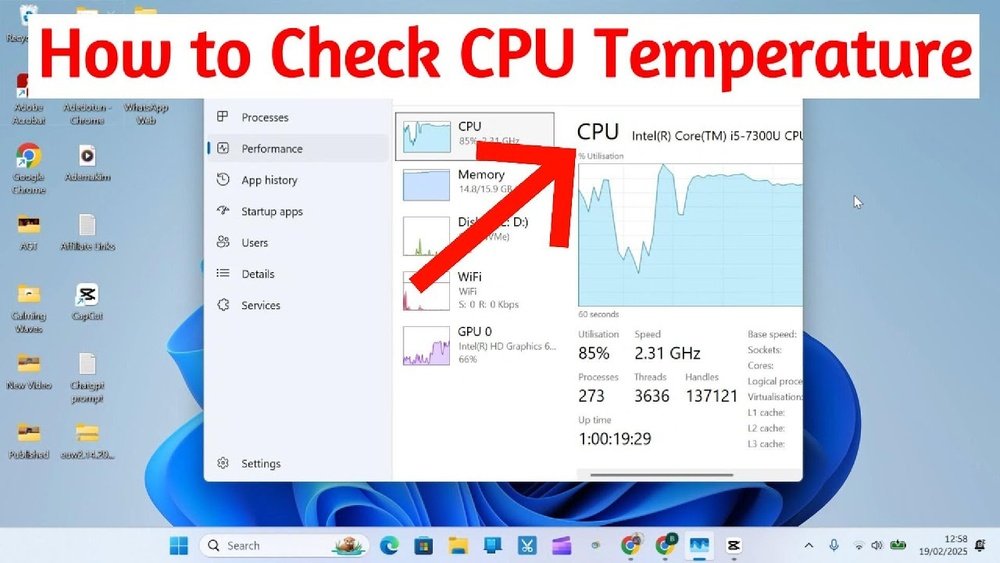
Are you worried that your computer might be running too hot? Knowing how to check your CPU temperature is one of the easiest ways to protect your device from damage and keep it running smoothly.
If your CPU overheats, it can slow down your system or even cause permanent harm. But don’t worry—this guide will show you simple steps to monitor your CPU temperature quickly and accurately. By the end, you’ll have the confidence to spot problems early and keep your computer in top shape.
Let’s get started!
Why Cpu Temperature Matters
CPU temperature is very important for your computer’s health. It affects how well your device works and how long it lasts. Checking the CPU temperature helps you avoid problems before they get worse. Heat can cause slowdowns and damage. Knowing why CPU temperature matters helps you keep your system safe and fast.
Impact On Performance
High CPU temperature can slow down your computer. The CPU lowers its speed to cool down. This is called thermal throttling. It makes your programs run slower. Your computer may freeze or lag during tasks. Keeping the CPU cool helps maintain fast and smooth performance.
Risks Of Overheating
Overheating can damage your CPU permanently. It can cause crashes or unexpected shutdowns. Heat can harm other parts inside your computer too. Long-term overheating shortens the life of your device. Checking the temperature helps prevent costly repairs and data loss.
Credit: openhardwaremonitor.org
Tools To Monitor Cpu Temperature
Monitoring your CPU temperature helps keep your computer safe and running well. Tools make it easy to check the temperature. Some tools are built into your system. Others come as separate programs. Both types show real-time temperature readings. They also alert you if the CPU gets too hot.
Built-in Software Options
Many computers have built-in tools to check CPU temperature. BIOS or UEFI firmware often shows temperature data. You can access this during startup by pressing specific keys. Some operating systems also include monitoring features. For example, Windows has Task Manager that shows basic CPU info. Mac users can use Activity Monitor for similar insights. These options are simple and require no extra downloads. They provide basic temperature monitoring for everyday use.
Third-party Applications
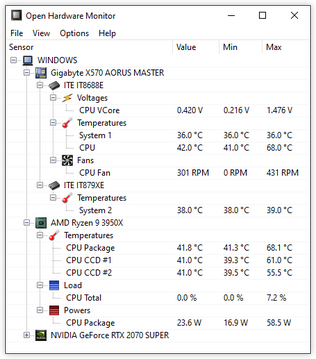
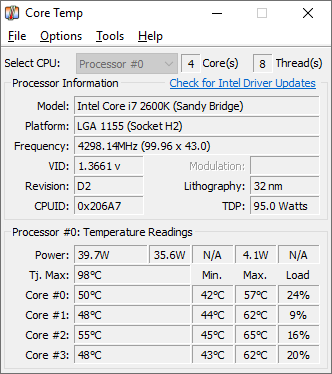
Third-party apps offer detailed CPU temperature monitoring. Programs like HWMonitor and Core Temp are popular choices. They display temperature for each CPU core. Some apps also track fan speeds and voltages. These tools help spot overheating early. Many are free and easy to install. They work on different Windows versions. Mac users can try iStat Menus for detailed stats. These apps give more data than built-in options. They are useful for gamers and power users who need precise info.
Checking Cpu Temperature In Windows
Checking your CPU temperature in Windows helps keep your computer safe. High temperatures can cause slowdowns or damage. Monitoring the CPU temperature lets you act before problems start.
Windows does not show CPU temperature directly. You need to use tools or apps to find this information. Here are two easy ways to check your CPU temperature on Windows.
Using Task Manager And Settings
Task Manager does not display CPU temperature by default. It shows CPU usage but no temperature data. Windows Settings also lack this feature.
Some newer Windows versions show basic hardware info in Settings. But CPU temperature is not included yet. So, Task Manager and Settings alone cannot check CPU temperature.
Popular Windows Monitoring Apps
Several free apps show CPU temperature clearly. HWMonitor and Core Temp are popular choices. These tools show real-time temperature readings.
Download and install one app. Open it and look for CPU temperature. These apps display temperature for each CPU core separately.
Using monitoring apps helps you keep your PC safe and cool. They are simple and reliable for checking CPU temperature.
Checking Cpu Temperature On Mac
Monitoring your Mac’s CPU temperature helps keep it safe and efficient. Overheating can slow down your Mac or cause damage. Checking the temperature regularly can prevent problems.
Native Utilities
Mac does not have a built-in app to show CPU temperature. You can use Activity Monitor to check CPU usage but not temperature. For temperature details, native tools like Terminal can show some sensor data, but it’s limited and hard to read.
Apple’s System Information app provides hardware details, but not real-time temperature. So, native utilities give only basic info, not clear temperature readings.
Recommended Third-party Tools
Third-party apps offer clear and easy CPU temperature readings. Tools like iStat Menus and Macs Fan Control show temperature in real time. These apps also display fan speed and other sensor data.
They are simple to use and provide accurate data. You can set alerts for high temperatures. This helps protect your Mac from overheating.
Checking Cpu Temperature On Linux
Checking the CPU temperature on Linux helps you keep your computer safe. Overheating can slow down your system or cause damage. Linux offers easy ways to monitor the CPU temperature. You can use commands or graphical tools. Both methods give quick and clear results.
Command Line Methods
Linux users often prefer the command line for quick checks. The lm-sensors tool reads temperature sensors inside your PC. Install it using your package manager. For example, type sudo apt install lm-sensors on Ubuntu.
Run sudo sensors-detect to find available sensors. Answer “yes” to prompts to enable detection. Then type sensors to see temperature readings.
You will see CPU temperature and other sensor data. This method works in any terminal and needs no graphic interface. It is fast and reliable.
Graphical Interfaces
Graphical tools show CPU temperature in a user-friendly way. Apps like Psensor display temperatures with charts and icons. Install Psensor using sudo apt install psensor.
Once opened, Psensor shows live CPU temperature and fan speeds. It also alerts you if temperatures get too high. This method suits users who prefer visual data over text.
Other desktop environments may have built-in monitoring tools. Check your system settings or software center for options. Graphical tools make it easy to watch your CPU temperature constantly.
Credit: www.alcpu.com
Interpreting Cpu Temperature Readings
Understanding CPU temperature readings is key to keeping your computer healthy. These numbers tell you how hot your processor is running during work or rest. Knowing what is normal and what is too hot helps prevent damage and maintain good performance.
Let’s break down what these temperature readings mean. This knowledge helps you spot issues early and take action before problems grow.
Safe Temperature Ranges
Most CPUs run safely between 30°C and 50°C when idle. Under heavy use, temperatures up to 70°C are usually okay. Some processors can handle up to 85°C but staying below 80°C is best for long-term health.
Temperatures above 90°C are risky. Prolonged heat at this level can shorten CPU life and cause crashes. Always aim to keep your CPU cooler than this.
Signs Of Overheating
Overheating can cause your computer to slow down suddenly. Unexpected shutdowns or restarts also indicate heat problems. You might hear fans running loudly or constantly.
Another sign is your system freezing or programs closing without warning. Watch for these symptoms to protect your CPU and avoid costly repairs.
Tips To Maintain Optimal Cpu Temperature
Maintaining the right CPU temperature is key to your computer’s health. High temperatures can slow down your system or cause damage. Simple steps help keep your CPU cool and running well. Regular care prevents overheating and extends your PC’s life.
Cleaning And Maintenance
Dust builds up inside your computer over time. It blocks air vents and slows cooling. Use a soft brush or compressed air to clean fans and vents. Do this every few months for best results. Keep your workspace clean to reduce dust entering your PC.
Improving Airflow
Good airflow moves hot air out and brings cool air in. Arrange cables neatly to avoid blocking vents. Place your computer in an open area, not inside a closed desk. Avoid placing it near heat sources or walls. Proper airflow lowers CPU temperature effectively.
Using Cooling Solutions
Stock CPU coolers work fine but may struggle under heavy use. Consider upgrading to better air coolers or liquid cooling systems. Apply thermal paste properly between CPU and cooler for better heat transfer. Cooling pads help laptops stay cooler during long use. Choose cooling solutions based on your computer’s needs.
Credit: www.youtube.com
Frequently Asked Questions
How Do I Check My Cpu Temperature On Windows?
You can check CPU temperature on Windows using software like HWMonitor or Core Temp. These tools display real-time temperatures. Open the program after installation to view your CPU’s current temperature easily and monitor its health effectively.
What Is A Safe Cpu Temperature Range?
A safe CPU temperature typically ranges from 30°C to 70°C during normal use. Temperatures above 80°C may indicate overheating risks. Keeping your CPU cool prevents damage and ensures optimal performance. Always monitor to avoid thermal throttling or hardware issues.
Can High Cpu Temperature Damage My Computer?
Yes, consistently high CPU temperatures can cause hardware damage and reduce lifespan. Overheating may lead to system crashes, slowdowns, or permanent CPU failure. Proper cooling and monitoring help protect your computer from heat-related problems.
Which Software Is Best For Monitoring Cpu Temperature?
Popular CPU temperature monitoring software includes HWMonitor, Core Temp, and SpeedFan. These tools are user-friendly, reliable, and provide accurate readings. Choose one based on your OS compatibility and feature preferences to keep track of your CPU health.
Conclusion
Checking your CPU temperature helps keep your computer safe and fast. Use easy tools to watch the heat levels. Stay alert if the temperature rises too much. Clean your PC and improve cooling to avoid damage. Regular checks can save you from costly repairs.
Remember, a cool CPU works better and lasts longer. Take small steps today for a smooth running computer tomorrow.
