

Are you worried that your CPU might be running too hot? Knowing how to check the temperature of your CPU is crucial to keep your computer running smoothly and avoid unexpected crashes.
If your device feels sluggish or overheats, it could be a sign that your CPU is overheating. But don’t worry—this guide will show you simple and effective ways to monitor your CPU temperature. By the end, you’ll know exactly how to keep your computer safe and performing at its best.
Keep reading to protect your device and boost its lifespan!
Credit: www.alcpu.com
Importance Of Monitoring Cpu Temperature
Monitoring CPU temperature helps prevent overheating and keeps your computer running smoothly. Checking the CPU temp lets you spot problems early and protect your hardware. Simple tools can show your CPU’s temperature in real-time.
Why Monitoring Cpu Temperature Matters
CPU temperature affects your computer’s health and performance. High heat can cause the CPU to slow down or stop working. This can lead to crashes or lost data. Checking the CPU temperature helps prevent these problems.
Keeping the CPU cool extends the lifespan of your computer parts. Overheating can damage the CPU permanently. Monitoring temperature lets you act before damage happens. It also helps maintain smooth and fast computer operation.
Protecting Hardware From Damage
Heat is one of the main enemies of computer hardware. The CPU generates a lot of heat during use. If the cooling system fails, the temperature rises quickly. This can harm the CPU and other parts inside.
Regular temperature checks help detect overheating early. This prevents costly repairs or replacements. It is a simple step to keep your computer safe.
Improving Computer Performance
When the CPU gets too hot, it reduces speed to cool down. This is called thermal throttling. It causes slow performance and lags. Monitoring temperature helps avoid this issue.
By keeping the CPU cool, your computer runs faster and smoother. You get better results in work, games, and everyday tasks.
Credit: openhardwaremonitor.org
Common Signs Of Cpu Overheating
CPU overheating can cause many problems for your computer. It can slow down the system, cause crashes, and even damage hardware. Knowing the common signs of overheating helps you act quickly. This prevents serious damage and keeps your PC running smoothly.
Many signs show your CPU might be too hot. Watching for these signs can save you time and money. The signs often appear during heavy use or in hot environments.
Unexpected Shutdowns Or Restarts
Your computer may suddenly shut down or restart without warning. This happens to protect the CPU from heat damage. Frequent shutdowns are a clear sign of overheating.
Slow Performance And Lag
The CPU slows down to cool itself. You may notice apps freeze or respond slowly. This lag is a warning that temperatures are too high.
Loud Fan Noise
The cooling fans run faster to lower the CPU’s heat. Loud or constant fan noise means the CPU is working hard to stay cool.
System Freezes And Crashes
The computer may freeze or crash during use. Overheated CPUs cause instability, leading to these issues. It often happens during gaming or heavy tasks.
High Temperature Readings
Software tools can show your CPU temperature. Readings above 80°C (176°F) usually mean overheating. Regular checks help keep your CPU safe.
Tools To Check Cpu Temperature
Checking your CPU temperature helps keep your computer safe and running well. Many tools exist for this task. Some tools are built into your computer’s system. Others come as separate software you can install. Both types give useful temperature readings. Understanding these tools lets you choose the best method for your needs.
Built-in Bios/uefi Methods
Your computer’s BIOS or UEFI settings often show CPU temperature. To access this, restart your PC and press a key like F2 or Delete. The exact key depends on your computer brand. Inside BIOS/UEFI, look for a section called “Hardware Monitor” or “PC Health.” This area displays the CPU temperature in real-time. No software installation is needed. This method is simple and reliable. However, it only shows temperature while your PC is off or restarting.
Third-party Software Options
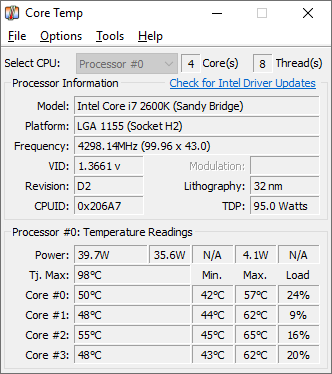
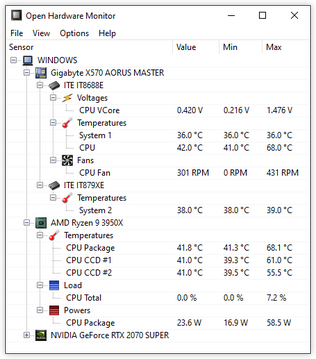
Third-party software offers detailed temperature tracking while Windows runs. Popular tools include HWMonitor, Core Temp, and SpeedFan. These programs show temperature for each CPU core. Some provide graphs and alerts for high temperatures. Installing software is easy and free for most options. You can check temperatures anytime without rebooting. These tools help catch overheating early. Choose one with a clean interface and regular updates for best results.
Step-by-step Guide To Check Cpu Temp
Checking your CPU temperature is simple and important. It helps protect your computer from overheating. This guide shows easy steps to check your CPU temperature. Follow the instructions for your device type.
Accessing Bios/uefi Temperature Readings
Restart your computer and enter the BIOS or UEFI setup. Usually, press keys like F2, Delete, or Esc during startup. Look for a section called “Hardware Monitor” or “PC Health.” You will find the CPU temperature displayed here. This method shows real-time temperature without any software.
Using Software To Monitor Temperature In Windows
Download a trusted temperature monitoring tool like HWMonitor or Core Temp. Install and open the program. The software will display CPU temperature in real time. Check the readings regularly to keep your system safe. This method is quick and user-friendly.
Monitoring Temperature On Macos
macOS does not show CPU temperature by default. Download apps like Macs Fan Control or iStat Menus. Install and launch the app to view CPU temperature. These apps also let you control fan speed. They keep your Mac cool and running smoothly.
Tips To Prevent Cpu Overheating
Preventing CPU overheating is vital for your computer’s health. High temperatures can slow down your system or cause damage. Simple habits help keep your CPU cool and running smoothly. Follow these tips to avoid overheating issues.
Improving Airflow And Cooling
Good airflow inside your computer case lowers CPU temperature. Use enough fans to push hot air out and pull cool air in. Arrange cables neatly to avoid blocking airflow. Place your PC in a well-ventilated area, away from walls or heat sources. Consider upgrading to better cooling solutions if needed.
Regular Cleaning And Maintenance
Dust buildup blocks air and traps heat around the CPU. Clean your computer regularly using compressed air or a soft brush. Focus on fans, vents, and heatsinks. Do this every few months to keep airflow clear. Regular cleaning prevents heat buildup and extends your CPU’s life.
Applying Thermal Paste Properly
Thermal paste helps transfer heat from the CPU to the cooler. Old or poorly applied paste reduces cooling efficiency. Remove old paste carefully before applying a new layer. Use a small pea-sized amount in the center of the CPU. Spread it evenly to cover the surface without overflow.

Credit: softwareg.com.au
When To Seek Professional Help
Checking your CPU temperature is important to keep your computer safe. Sometimes, the problem might be bigger than you can fix. Knowing when to ask for help saves your device from damage. Here are signs you should call a professional.
Cpu Temperature Stays High Constantly
If your CPU temperature stays high all the time, it may be a serious issue. This can cause your computer to slow down or shut off suddenly. A professional can find the root cause and fix it properly.
Strange Noises Or Smells
Hearing unusual noises or smelling something burning is a clear warning. These signs may mean your CPU or fan is damaged. Stop using the computer and get expert help to avoid more damage.
Overheating Despite Cleaning
You cleaned your computer but the CPU still overheats. Dust or dirt might not be the only problem. A technician can check for failing parts or poor thermal paste application.
Frequent Crashes Or Freezing
Computers that crash or freeze often might have overheating CPUs. This signals a hardware or cooling system problem. Professionals have tools to diagnose and fix these issues safely.
Difficulty Accessing Bios Or Monitoring Software
If you cannot open BIOS or monitoring software to check CPU temperature, something may be wrong. It could be a motherboard or sensor issue. Experts can help you access and fix these settings.
Frequently Asked Questions
How Can I Check My Cpu Temperature On Windows?
You can check CPU temperature on Windows using software like HWMonitor, Core Temp, or SpeedFan. These tools display real-time temperatures and help monitor CPU health easily.
What Is A Safe Cpu Temperature Range During Use?
A safe CPU temperature usually ranges between 30°C and 70°C under normal use. Temperatures above 80°C may cause overheating and damage.
Can Bios Show Cpu Temperature Without Software?
Yes, you can view CPU temperature in BIOS or UEFI settings. Restart your PC and enter BIOS to find hardware monitoring or PC health status.
Why Is Monitoring Cpu Temperature Important?
Monitoring CPU temperature prevents overheating, which can cause system crashes and hardware damage. It ensures optimal performance and prolongs CPU lifespan.
Conclusion
Checking your CPU temperature helps keep your computer safe. High heat can cause problems or slow it down. Use simple tools or built-in software to watch the temperature. Check often, especially during heavy use or gaming. Keeping your CPU cool extends its life and improves performance.
A little care goes a long way for your PC’s health. Stay aware and act early to avoid damage. Your computer will thank you with better speed and stability.
