
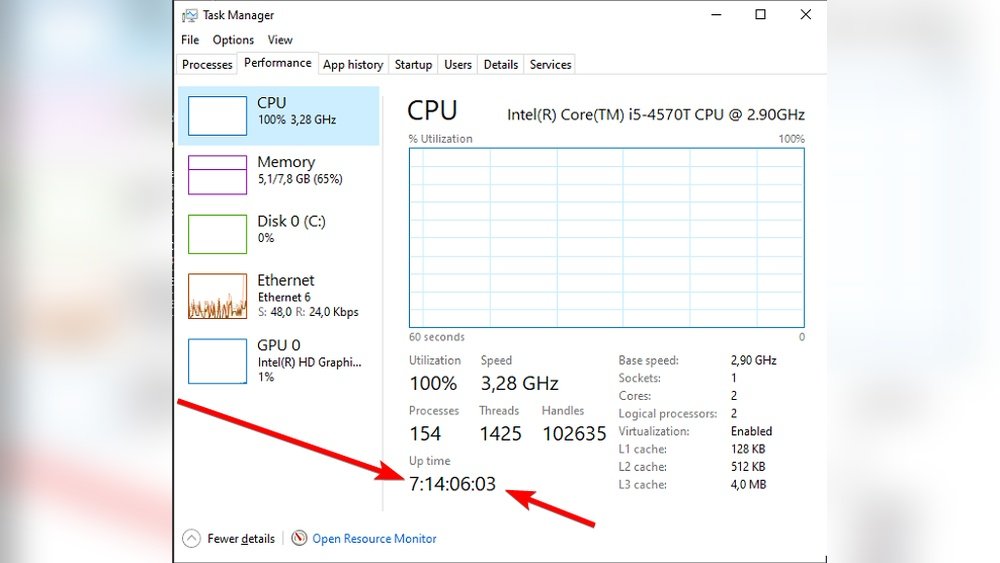
Have you ever wondered how long your computer’s CPU has been running without a break? Knowing your CPU uptime can reveal important clues about your system’s health and performance.
Whether you want to troubleshoot issues, improve speed, or simply satisfy your curiosity, checking your CPU uptime is easier than you think. You’ll discover simple methods to find out exactly how long your CPU has been active—no tech jargon, no confusion.
Keep reading, and you’ll gain a quick and clear way to monitor your computer like a pro.
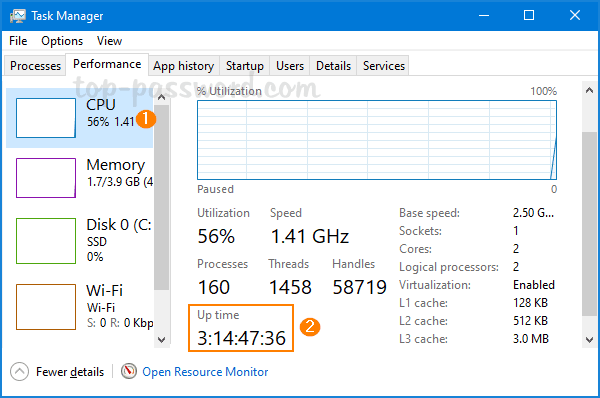
Credit: www.top-password.com
What Cpu Uptime Means
Cpu uptime shows how long your computer’s processor has been running. It counts the time since the last restart or power on. This number helps you see how stable your system is. High uptime means your CPU has been working without interruption. Low uptime indicates a recent restart or shutdown.
Knowing CPU uptime helps with troubleshooting. It also tells you about system performance over time. Some tasks need long uptime to run smoothly. Others may require frequent restarts for updates or fixes.
Understanding Cpu Uptime
Cpu uptime is the total time the processor stays active. It starts counting after the computer boots. The timer stops only when you turn off or restart your PC. This measure is important for system health checks and maintenance.
Cpu uptime shows system reliability. A long uptime often means the system is stable. Short uptime can signal crashes or forced restarts. It helps users and technicians track performance issues quickly.
How Cpu Uptime Affects Your Computer
High uptime can improve task continuity. It reduces delays caused by rebooting. But very long uptime may cause slowdowns or errors. Regular restarts help refresh system resources and fix minor bugs.
Why Cpu Uptime Matters
CPU uptime shows how long your computer’s processor has been running without a restart. This number helps understand system stability and performance. It gives a clear picture of how well your system handles continuous work.
Knowing CPU uptime helps spot problems early. A very long uptime might mean the system needs a restart to clear memory and update software. A short uptime could show frequent crashes or restarts. Checking uptime regularly helps keep your computer healthy and running smoothly.
Understanding System Stability
CPU uptime reflects system stability over time. A long uptime means the system runs without crashing. It shows that hardware and software work well together. Short uptime might signal errors or hardware problems.
Improving Performance Monitoring
Tracking CPU uptime helps monitor performance trends. It reveals if the system slows down after long use. This info guides when to reboot or update. It supports better maintenance planning.
Managing Software Updates
Many updates need a restart to install correctly. Knowing uptime shows if the system needs rebooting. This ensures updates apply and protect your device. It keeps your system secure and efficient.
Detecting Unexpected Restarts
Unexpected restarts reduce uptime. Checking uptime helps find these issues fast. It points to possible hardware faults or software errors. Early detection prevents bigger problems later.
Using Command Prompt On Windows
Checking your CPU uptime on Windows is simple with the Command Prompt. This tool shows how long your computer has been running. You can find this information in a few seconds. No need for extra software or tools.
Two common commands help you check uptime quickly. Each command gives you a slightly different view. Both are easy to use and understand. Let’s explore how to use them.
Systeminfo Command
Open Command Prompt by typing “cmd” in the search box. Press Enter to open it.
Type systeminfo and press Enter. Wait a moment for the system details to load.
Look for the line that says “System Boot Time”. This shows when your PC last started.
Subtract this time from the current time. That gives your CPU uptime.
Net Statistics Command
Open Command Prompt as before.
Type net statistics workstation and press Enter.
Check the first line under the output. It shows when the workstation started.
This time is your PC’s last boot time. Calculate uptime by comparing it with the current time.
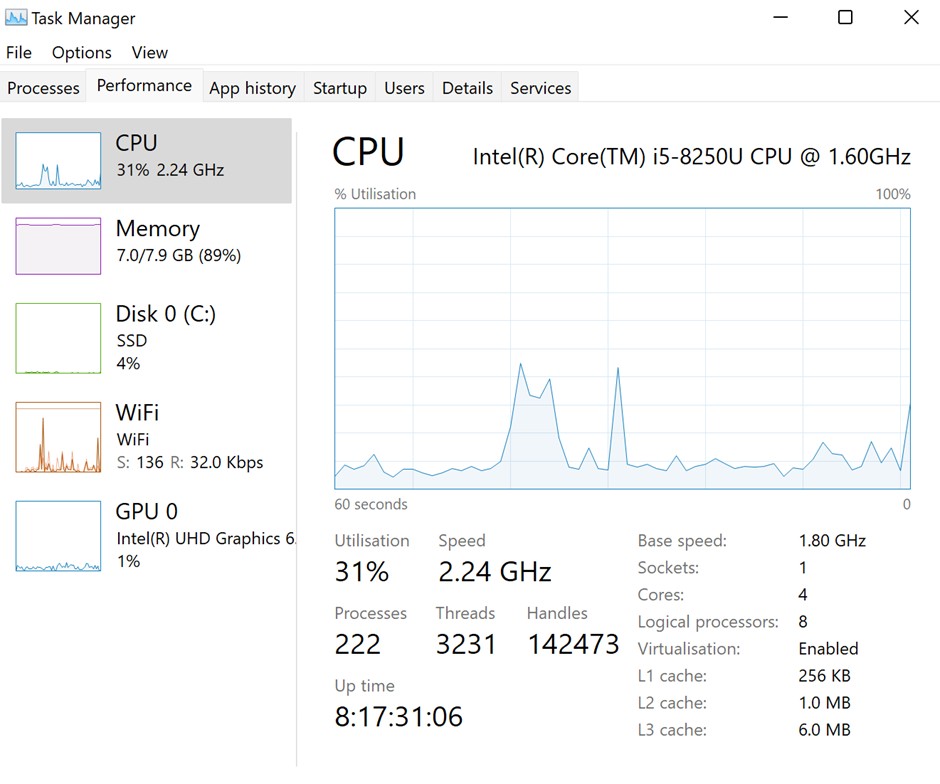
Credit: www.atera.com
Checking Uptime On Macos
Checking uptime on MacOS helps you see how long your computer has been running. This information is useful for troubleshooting and system monitoring. MacOS offers easy ways to find this data using built-in tools.
Terminal Uptime Command
Open the Terminal app on your Mac. Type uptime and press Enter. The command shows the current time, how long the Mac has been running, user count, and load averages. This method is quick and works on all MacOS versions. It gives a clear uptime readout in seconds, minutes, and hours.
Activity Monitor Method
Launch Activity Monitor from the Utilities folder. Click the CPU tab to see CPU usage details. At the bottom, you find the system uptime displayed. This method is visual and easy for users who prefer not to use Terminal. Activity Monitor also provides extra system performance data.
Linux Uptime Commands
Linux offers simple tools to check how long your CPU or system has been running. These tools give quick and clear results. They help track uptime without needing complex software. Understanding uptime can help with system maintenance and performance checks.
Uptime Command
The uptime command shows how long the system has been on. It also displays current time, number of users, and system load. Just open a terminal and type uptime. The output looks like this:
14:32:10 up 3 days, 5:10, 2 users, load average: 0.15, 0.10, 0.05
This means the system has been running for 3 days and 5 hours. It is easy to read and understand. No extra setup is needed.
Proc Uptime File
The file /proc/uptime stores uptime information in seconds. You can view it using the cat command:
It returns two numbers. The first number shows total uptime in seconds. The second shows idle time of the CPU. This method is useful for scripts and programs. It provides precise uptime details in a raw format.
Third-party Tools For Cpu Uptime
Third-party tools offer a simple way to check CPU uptime. These tools provide detailed information about your system’s performance. They help track uptime without using complex commands. Many tools come with easy-to-read interfaces. This makes monitoring CPU uptime accessible for everyone.
Popular Monitoring Software
Several third-party programs are popular for checking CPU uptime. Tools like HWMonitor, Speccy, and AIDA64 are widely used. They show CPU uptime along with temperature and usage stats. Some software also offers alerts if the system restarts. These programs support different operating systems, including Windows and macOS.
Advantages Of Using Tools
Third-party tools simplify uptime tracking for all users. They display uptime in clear, easy formats. No need to remember commands or open terminals. Many tools update information in real-time. This helps catch issues early before they become big problems. Some tools also save uptime logs for future reference.
Automating Uptime Checks
Checking CPU uptime manually can take time and effort. Automating these checks saves time and ensures you always know your system’s status. Automation runs the checks at set times without needing your input. This helps catch issues early and keeps your computer running smoothly.
Using Scripts
Scripting is a simple way to automate uptime checks. You can write a script that runs a command to check CPU uptime. The script then saves the result to a file or sends it by email. Using scripts lets you customize how and when the uptime is checked.
Common scripting languages include Bash for Linux and PowerShell for Windows. Scripts can run commands like uptime or systeminfo. You can schedule these scripts to run regularly. This keeps your uptime data updated without manual effort.
Scheduled Tasks
Scheduled tasks run scripts or commands automatically at set times. Windows has Task Scheduler, and Linux uses cron jobs. Both tools help run uptime checks on a regular basis. You set the time and frequency once, and the task does the rest.
For example, a task can run a script every hour to check uptime. The results can be logged for review later. Scheduled tasks reduce the risk of forgetting to check uptime. They make monitoring your system easy and consistent.

Credit: tecadmin.net
Frequently Asked Questions
How Can I Check Cpu Uptime On Windows?
To check CPU uptime on Windows, open Command Prompt and type “systeminfo”. Look for “System Boot Time” to see how long your CPU has been running.
What Command Shows Cpu Uptime On Linux?
Use the “uptime” command in the Linux terminal. It displays the current time, how long the system has been running, and CPU load averages.
Can Cpu Uptime Affect System Performance?
Yes, long CPU uptime may cause slower performance due to memory leaks or overheating. Restarting can improve speed and stability.
How Often Should I Check Cpu Uptime?
It’s good to check CPU uptime regularly, especially when troubleshooting issues or monitoring system stability and performance over time.
Conclusion
Checking CPU uptime helps you know how long your computer runs. It shows if your system stays stable or needs a restart. Simple commands or tools make this task easy. Knowing uptime can save you time and protect your work.
Try these steps regularly to keep your PC healthy. Keep an eye on your CPU uptime for better performance.
