
Are you worried that your computer might be running too hot? Knowing how to check your CPU and GPU temps is key to keeping your system safe and running smoothly.
Overheating can cause slowdowns, crashes, or even permanent damage. But don’t worry—this guide will show you simple, step-by-step ways to monitor your hardware temperatures. By the end, you’ll have the tools to protect your computer and boost its performance. Keep reading to find out how easy it is to take control of your PC’s health!
Credit: openhardwaremonitor.org
Why Monitor Cpu And Gpu Temps
Monitoring CPU and GPU temperatures is important for every computer user. These components work hard, and heat can build up quickly. Heat affects how well your computer runs and how long its parts last. Checking temperatures helps keep your system safe and fast.
Impact On Performance
High temperatures can slow down your CPU and GPU. They reduce the speed to avoid damage. This slowdown causes lag and poor performance. Keeping temperatures low helps your computer run smoothly. Your games and programs work better without interruptions.
Preventing Hardware Damage
Too much heat can harm your computer parts. It can cause permanent damage to the CPU and GPU. Overheating may lead to crashes or system failure. Watching temperatures helps catch problems early. Cooling your system prevents costly repairs and extends its life.

Credit: www.spec-school.org
Tools To Check Cpu And Gpu Temps
Checking CPU and GPU temperatures helps keep your computer safe. High temps can cause slowdowns or damage. Many tools show your hardware’s temperature easily. Some come with your computer. Others you download for free. Both types have their uses and benefits.
Built-in Software Options
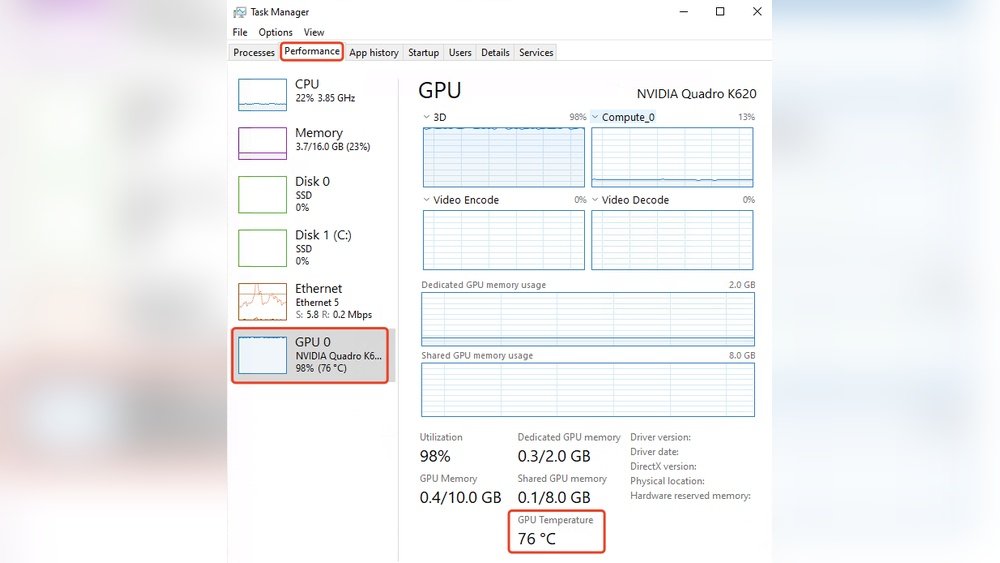
Most computers have built-in tools to check temps. Windows users can use Task Manager or BIOS settings. These show basic temperature info. Mac users can open Activity Monitor for some details. These tools are simple and quick. They do not need extra downloads. But they might lack detailed info.
Third-party Applications
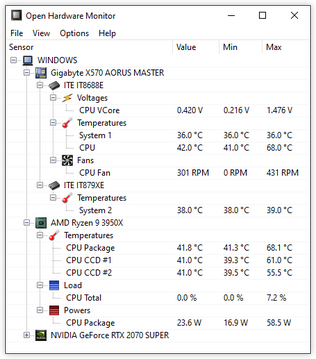
Third-party apps provide more detailed temperature data. Popular ones include HWMonitor, Core Temp, and MSI Afterburner. These apps show temps, fan speeds, and voltages. They work on many computer brands. Many are free and easy to use. Some offer alerts for high temps. These apps help monitor your system closely.
Step-by-step Cpu Temp Check
Checking your CPU temperature is important for keeping your computer safe and fast. High temperatures can cause damage or slow down your system. This guide shows simple steps to check CPU temperature. You can use your computer’s BIOS/UEFI or software in Windows.
Using Bios And Uefi
Restart your computer and enter BIOS or UEFI settings. Press a key like F2, Delete, or Esc during startup. Look for a section called “Hardware Monitor,” “PC Health,” or “System Status.” Here, you will see CPU temperature readings. Note the temperature before you exit. This method shows real-time data without any software.
Windows Software Methods
Download and install a trusted program like Core Temp or HWMonitor. Open the software and find the CPU temperature section. These tools show temperatures for each CPU core. They update live while your computer runs. You can check temps under different tasks or idle. This method is easy and gives detailed information.

Credit: www.shoshitamam.com
Step-by-step Gpu Temp Check
Checking your GPU temperature helps keep your computer safe and fast. Overheating can cause slowdowns or damage. This step-by-step guide shows how to check GPU temps easily. You can use software from the GPU maker or popular monitoring tools. Both methods give reliable results. Follow these simple steps to monitor your GPU temperature.
Using Gpu Manufacturer Software
Many GPU makers offer free software for monitoring temps. NVIDIA has GeForce Experience. AMD provides Radeon Software. Intel uses Intel Graphics Command Center. Download the software from the official website. Install and open the program. Look for the performance or monitoring section. Here, you will see the GPU temperature live. Some tools also show fan speed and usage. Keep the software running to track temps during use.
Popular Monitoring Tools
Third-party tools work with most GPUs. MSI Afterburner is a top choice. It shows temps, clock speeds, and fan speeds. HWMonitor is another option. It lists temperatures for CPU and GPU. Download and install the tool. Run it and find the GPU section. Check the temperature reading in Celsius or Fahrenheit. These tools are easy to use and free. They help you spot overheating early and avoid damage.
Interpreting Temperature Readings
Checking CPU and GPU temperatures is only the first step. Understanding these numbers is key to protecting your computer. Temperature readings tell you how hard your components work and if they run too hot. Knowing normal ranges helps spot problems early. This can prevent damage and keep your PC running smoothly.
Normal Cpu Temperature Range
Most CPUs run safely between 30°C and 50°C when idle. Under heavy tasks, temperatures can rise to 70°C or 80°C. Some CPUs can handle up to 90°C briefly. Consistent temperatures above 85°C may cause slowdowns or damage. Keep an eye on spikes and high averages. Cooler temps mean better performance and longer life.
Safe Gpu Temperature Limits
GPUs usually stay between 30°C and 45°C at rest. During gaming or heavy use, expect 70°C to 85°C. Many GPUs can tolerate up to 90°C safely. Temperatures above 90°C for long periods are risky. High GPU temps can reduce speed and damage parts. Proper cooling keeps your graphics card healthy and fast.
Tips To Lower Cpu And Gpu Temps
Keeping your CPU and GPU cool is important for better performance and longer life. High temperatures can slow down your computer and cause damage. Use these tips to lower your CPU and GPU temps effectively. Simple steps can make a big difference in managing heat inside your PC.
Improving Airflow
Good airflow helps move hot air out and bring cool air in. Make sure your PC case has enough fans. Position fans to create a clear path for air. Remove dust from vents and fans regularly. Avoid blocking air vents with cables or objects. Proper airflow keeps components cooler and running smoothly.
Using Thermal Paste
Thermal paste helps transfer heat from the CPU or GPU to the cooler. Over time, paste can dry out and lose effectiveness. Clean old thermal paste off carefully. Apply a fresh, thin layer of thermal paste on the chip. This improves heat transfer and lowers temperatures. Use good quality thermal paste for best results.
Upgrading Cooling Solutions
Stock coolers may not be enough for heavy use. Consider upgrading to better air coolers or liquid cooling systems. Larger coolers with more heat pipes cool better. Liquid cooling offers more efficient heat removal. Choose a cooling solution that fits your needs and budget. Better cooling means lower temps and quieter operation.
Frequently Asked Questions
How Do I Check My Cpu Temperature On Windows?
You can check CPU temperature using software like HWMonitor or Core Temp. These tools display real-time temperature readings easily and accurately.
What Is A Safe Gpu Temperature Range During Gaming?
A safe GPU temperature is typically between 65°C and 85°C during gaming. Staying below 85°C prevents overheating and maintains performance.
Can High Cpu Temps Damage My Computer?
Yes, high CPU temperatures can cause hardware damage and reduce lifespan. Proper cooling and monitoring help avoid overheating issues.
Which Software Is Best For Monitoring Cpu And Gpu Temps?
Popular software includes HWMonitor, MSI Afterburner, and SpeedFan. These apps provide detailed temperature and performance data in real-time.
Conclusion
Checking your CPU and GPU temps helps keep your computer safe. High temperatures can cause damage or slow down your system. Use simple tools to monitor these temps regularly. Watching your hardware’s heat lets you fix problems early. Keep your PC cool with good airflow and cleaning.
Stay aware of your device’s temperature to ensure smooth performance. Small checks can prevent big issues later. Keep your computer running strong and avoid unexpected shutdowns.
