
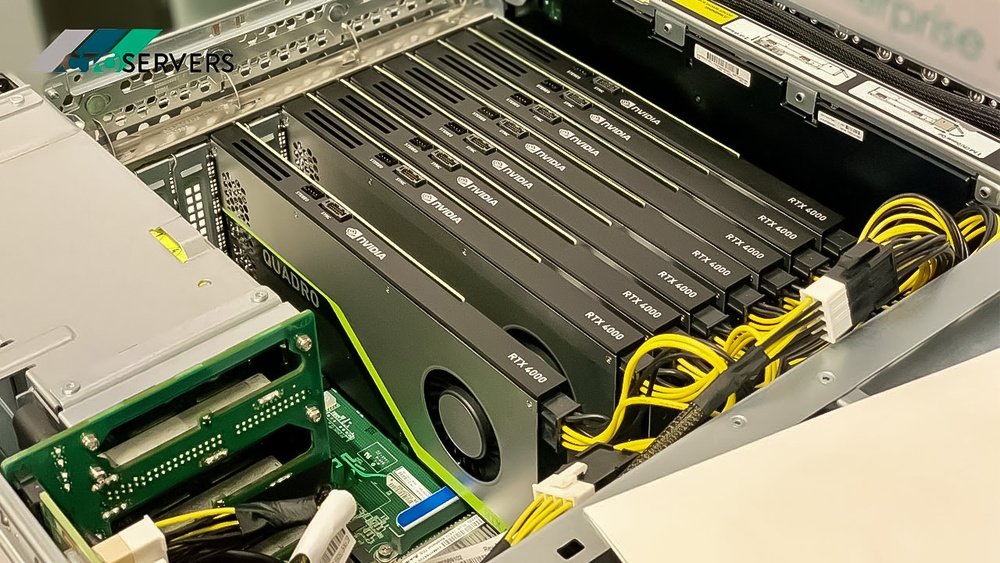
Are you ready to unlock the full power of your computing tasks? Building a GPU cluster might sound complex, but it’s easier than you think—and it can transform the way you handle heavy workloads like machine learning, data analysis, and rendering.
In this guide, you’ll discover clear, step-by-step instructions to create your own GPU cluster. By the end, you’ll have the tools and confidence to boost your computing speed and efficiency like never before. Keep reading, because your journey to faster, smarter processing starts here.
Choosing The Right Gpus
Choosing the right GPUs is a key step in building a powerful GPU cluster. The GPU you pick affects speed, efficiency, and costs. It is important to understand different GPU features and how they fit your needs. This section helps you decide by focusing on important factors like models, memory, bandwidth, and power use.
Comparing Gpu Models
Different GPU models offer different levels of performance. Some are better for gaming, others for computing tasks. Look for GPUs designed for clusters or data centers. These often have better support for parallel processing. Compare specs like core count and clock speed. Higher numbers usually mean faster processing. Pick a model that balances speed and cost.
Considering Memory And Bandwidth
Memory size is crucial for handling large datasets. More memory lets the GPU store and process more data at once. Bandwidth measures how fast data moves in and out of the GPU memory. Higher bandwidth means less waiting time for data transfer. Choose GPUs with enough memory and bandwidth to meet your workload needs.
Evaluating Power Consumption
Power consumption affects operating costs and cooling needs. GPUs that use less power save money over time. Check the wattage rating for each GPU. Lower wattage GPUs may need less cooling equipment. Balance power use with the performance you require for your tasks. Efficient GPUs keep your cluster running smoothly and affordably.

Credit: www.youtube.com
Selecting Compatible Hardware
Selecting compatible hardware is the first step to build a powerful GPU cluster. Each part must work well with others. Otherwise, the system may not run smoothly or could fail. Choosing the right components helps ensure high performance and stability.
Careful hardware selection saves time and money. It avoids compatibility issues that cause delays and extra costs. Focus on parts that support multiple GPUs and handle heavy workloads.
Motherboards And Cpu Choices
Motherboards must have enough PCIe slots for all GPUs. Some boards support more GPUs but cost more. Choose one that fits your GPU count and budget.
CPUs should be strong enough to manage data between GPUs. A mid to high-end processor works best. Avoid low-end CPUs as they can limit performance.
Power Supply Requirements
GPUs need a lot of power. Calculate the total wattage for all parts. Add extra capacity for safety and future upgrades.
Use a power supply with high efficiency ratings. It reduces electricity waste and heat. Modular PSUs help keep cables organized.
Cooling Solutions
GPUs generate much heat during heavy use. Good cooling keeps hardware safe and fast. Choose air or liquid cooling based on your setup.
Ensure enough airflow inside the case. Use extra fans if needed. Monitor temperatures to prevent overheating and damage.
Networking Setup
Setting up the network for a GPU cluster is a key step. The right network makes data move fast between GPUs. This helps the cluster work better and faster. Good networking reduces delays and boosts performance.
Choosing the right hardware and layout affects speed and efficiency. Small changes in network setup can improve results. Focus on speed, structure, and reducing delays for best output.
High-speed Interconnects
High-speed interconnects link GPUs directly. These connections use special cables and ports. Examples include InfiniBand and NVLink. They provide fast data transfer and low delay. Such links help GPUs share work quickly. They are essential for large clusters.
Network Topologies
Network topology means how devices connect in the cluster. Common types are star, ring, and mesh. Star has one central switch connecting all nodes. Ring connects nodes in a circle. Mesh links each node to many others. The choice affects speed and fault tolerance. Mesh offers the best speed but costs more.
Latency And Bandwidth Optimization
Latency is the delay before data starts moving. Bandwidth is how much data moves at once. Both affect cluster performance. Use fast cables and switches to lower latency. Increase bandwidth by adding more links. Balance both to keep data flowing smoothly. Monitoring tools help track network health.
Credit: www.servermania.com
Cluster Software Configuration
Setting up the software for a GPU cluster is a key step. Proper configuration ensures all parts work well together. It helps the cluster run tasks smoothly and use GPU power efficiently.
Software setup includes choosing the right operating system, installing GPU drivers, and setting up job scheduling tools. Each step affects how well the cluster performs.
Operating System Selection
Choose an operating system that supports GPU computing. Linux is a popular choice because it is stable and flexible. It also works well with many GPU drivers and cluster tools. Ubuntu and CentOS are common Linux versions for clusters. Windows can work, but it is less common in GPU clusters.
Gpu Drivers And Libraries
Install the correct GPU drivers to enable hardware use. Nvidia GPUs need Nvidia drivers. Always use the latest stable version for best results. Install CUDA toolkit for GPU programming support. Also, add cuDNN for deep learning tasks. These libraries help software communicate with GPUs effectively.
Job Scheduling Systems
Job schedulers manage how tasks run on the cluster. They queue jobs and assign resources efficiently. Popular schedulers include Slurm, PBS, and Grid Engine. Slurm is widely used in research and industry. Set up the scheduler to handle GPU resources correctly. This avoids conflicts and maximizes cluster usage.
Optimizing Performance
Optimizing performance is key to getting the most from your GPU cluster. It helps improve speed and efficiency. Proper tuning can reduce delays and avoid wasted resources.
Focus on how tasks are shared, monitor GPU health, and test settings often. These steps help keep your cluster running smoothly.
Load Balancing Techniques
Load balancing spreads work evenly across all GPUs. This prevents some GPUs from being overused while others stay idle. Use software tools that support task distribution. Round-robin and least-connection methods help balance loads effectively. Balancing reduces bottlenecks and boosts overall cluster output.
Gpu Utilization Monitoring
Monitoring shows how much each GPU is used. It helps spot problems like overheating or slowdowns. Use tools like NVIDIA’s nvidia-smi or third-party apps. Check usage often to keep GPUs healthy. Early detection of issues saves time and money.
Benchmarking And Tuning
Benchmarking tests your cluster’s speed and power. Run different workloads to see how GPUs perform. Use results to adjust settings like clock speed and memory use. Tuning improves performance without extra cost. Test changes carefully to avoid instability.
Managing Cluster Maintenance
Managing cluster maintenance is key to keeping your GPU cluster running smoothly. It helps avoid downtime and improves performance. Regular care protects your investment and ensures reliable computing power.
Maintenance involves updating software, checking hardware health, and having backup plans. Each step keeps your cluster stable and ready for heavy tasks.
Regular Updates And Patching
Keep your cluster software up to date. Install updates for drivers, operating systems, and management tools. Updates fix bugs and close security gaps. Set a schedule to apply patches regularly. Test updates on a small part of the cluster first. This prevents issues from spreading. Staying current helps your cluster run efficiently and safely.
Hardware Health Monitoring
Track the condition of all cluster components. Use monitoring tools to check GPU temperature, fan speeds, and power usage. Watch for signs of hardware failure or overheating. Set alerts for unusual activity or errors. Replace faulty parts quickly to avoid bigger problems. Regular checks extend the life of your hardware and keep performance steady.
Backup And Recovery Plans
Create backups of critical data and configurations. Store backups in a safe, separate location. Test recovery procedures to ensure they work. Have a clear plan for restoring the cluster after failure. Quick recovery minimizes downtime and data loss. Regular backups protect your work and keep your cluster reliable.
Scaling The Cluster
Scaling a GPU cluster means increasing its power and capacity. It helps handle bigger tasks and more users. This step is key to growing your computing abilities.
Scaling requires careful planning. You need to add nodes, manage resources well, and watch costs closely. Each part affects how smoothly your cluster runs.
Adding More Nodes
Start by adding more GPU nodes to the cluster. Each node adds extra computing power. Connect new nodes using a fast network to avoid slowdowns. Check compatibility with existing hardware and software. Proper setup ensures all nodes work together efficiently.
Resource Management Strategies
Use resource management tools to balance workloads. These tools assign tasks to nodes based on their capacity. They prevent some nodes from becoming overloaded. Monitor GPU usage and memory to keep performance steady. Good management avoids wasted resources and delays.
Cost Considerations
Scaling increases costs for hardware, power, and cooling. Calculate expenses before adding nodes. Look for energy-efficient GPUs to save money. Consider cloud GPU clusters to reduce upfront costs. Plan a budget that covers maintenance and upgrades too.
Credit: www.seeedstudio.com
Frequently Asked Questions
What Is A Gpu Cluster And Why Build One?
A GPU cluster is a group of interconnected GPUs working together. It boosts computing power for tasks like AI, simulations, and rendering. Building one accelerates data processing and enhances performance for complex computations.
How To Choose Gpus For A Gpu Cluster?
Select GPUs based on performance, memory, and compatibility. Consider NVIDIA or AMD models suited for parallel processing. Balance cost and power needs for your specific workload requirements.
What Hardware Is Required For A Gpu Cluster?
You need GPUs, compatible motherboards, CPUs, RAM, power supplies, and high-speed network switches. Ensure proper cooling and storage systems to maintain cluster stability and efficiency.
How To Connect Gpus In A Cluster Network?
Use high-speed interconnects like InfiniBand or Ethernet. Proper networking ensures fast data transfer between GPUs. This setup minimizes latency and maximizes parallel processing efficiency.
Conclusion
Building a GPU cluster takes careful planning and clear steps. Start with the right hardware and connect all parts properly. Install necessary software to help the cluster work well together. Test the system to find and fix any problems early.
A good GPU cluster can speed up many tasks and save time. Keep learning and adjusting your setup for better results. This guide helps you take the first steps with confidence. Your cluster will grow stronger with each improvement you make.
Simple, steady work leads to great performance.
